Toyota Brings Back Scion with the KEI-01 Pickup
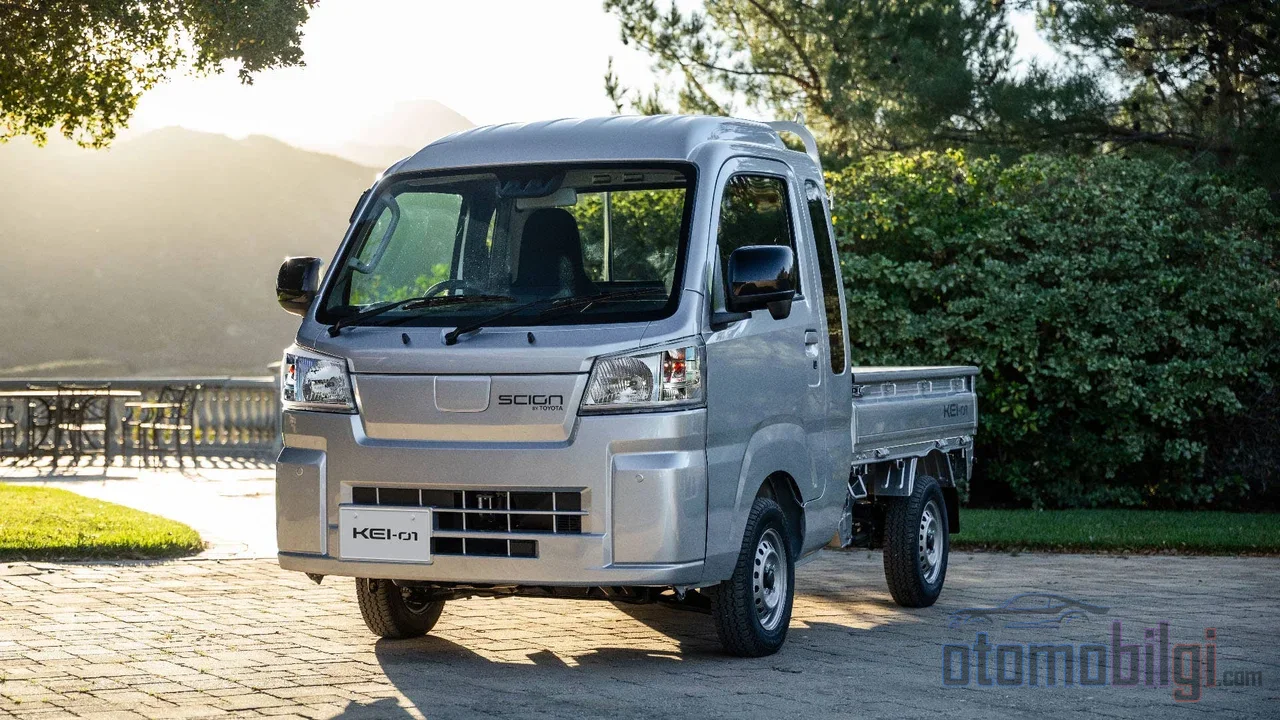
Toyota's Scion brand, which it shut down in 2016 and shelved on the dusty shelves of its archives, is coming back, and in a form nobody expected: With a 660 cc three-cylinder engine, right-hand drive, and a Japanese-style mini pickup limited to a top speed of 40 km/h. The KEI-01, the first vehicle of the "Scion by Toyota" brand announced at simultaneous presentations held yesterday in Michigan and Texas, will start production in Indiana in the second half of 2027. So why is Toyota reviving a brand that closed ten years ago with youth-oriented hatchbacks, this time with a mini pickup aimed at farmers, municipalities, and fleet buyers?
The answer lies in the trajectory of the US market in recent years. In October 2026, the average transaction price of a new vehicle broke a record at $51,109; and the pickup segment is the most expensive category in the market with an average of $67,912. The number of models priced below $25,000 has dropped to five. This picture has made the hunger for small and affordable vehicles visible to everyone, and Toyota's move fits precisely into this gap.
Scion by Toyota: The new experiment called Freedom Lab
Toyota is positioning the reborn Scion as "Freedom Lab," that is, a freedom laboratory. By its corporate definition, this is an experimental brand established to explore new possibilities in mobility, adventure, and personal expression. Simon Humphries, the company's head of brand and design, also used the announcement to convey the message that the future of mobility cannot be defined by a single vehicle, technology, or way of thinking.
This definition also sums up the difference from the brand's first life. Scion was born in 2003 as Toyota's vehicle for reaching younger generations; when it was shut down in August 2016, as the 2017 model year began, it left behind more than a million vehicles sold. Its models were either transferred to the Toyota brand or discontinued. What is coming back now is the same name but a different spirit: niche mobility solutions instead of youth-oriented cars.
Highlights
- 660 cc three-cylinder engine, CVT, and selectable 4WD standard
- On sale: Second half of 2027, production at the Toyota plant in Indiana
- Top speed 25 mph (approximately 40 km/h), compliant with FMVSS No. 500 LSV regulations
- Bed capacity 600 pounds (approximately 272 kg), right-hand drive
- Initially fleet sales only; price not announced
What is the KEI-01, and what is it not?
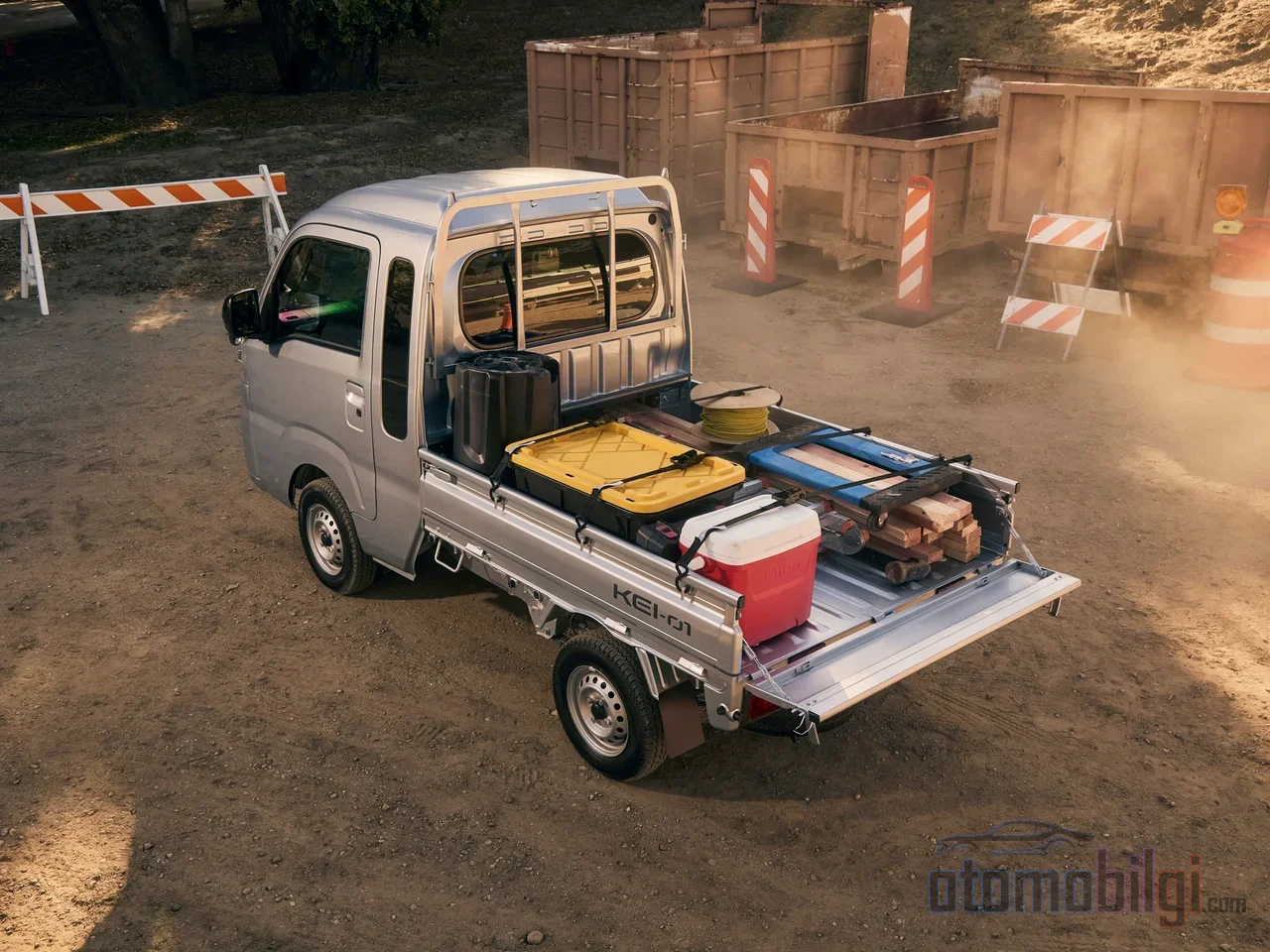
The KEI-01 is Japan's kei-class mini pickup tradition adapted for the US. Based on the Daihatsu Hijet Jumbo, the vehicle comes from a base model sold in Japan for around $9,000; in Japan, the average price band for kei vehicles is between $6,000 and $11,000. However, the KEI-01 is not an import: Toyota will assemble this vehicle at its facility in Princeton, Indiana. With this investment, $34 million will be invested in the plant and approximately 50 new jobs will be created. Toyota will be the first manufacturer to produce a kei pickup in the US; in this segment, there was no legal new option other than imported vehicles older than 25 years.
Technical identity: not speed, but function
The vehicle's technical character reflects its niche. The 660 cc three-cylinder naturally aspirated engine works with a CVT, and the four-wheel-drive system comes as standard: alongside automatic mode, a 4WD option lockable with a single button is offered. The engine's horsepower and torque figures have not yet been announced by the manufacturer; Toyota only emphasizes the balance between low-end torque and fuel efficiency.
Top speed is 25 mph, approximately 40 km/h. This is not a limitation, but a deliberate regulatory choice: KEI-01 was designed to comply with the U.S. FMVSS No. 500 low-speed vehicle (LSV) federal requirements, and according to Toyota it can be used in all 50 states. Kei vehicles are already designed not for highway speeds, but for small and practical hauling jobs in dense environments. Right-hand drive, meanwhile, is an openly stated Toyota preference; its practical rationale stems from the vehicle's Japan-origin architecture.
Bed and cabin logic
On the bed side, there are three-way foldable side panels, a low loading height, and a 600 pound, i.e. approximately 272 kg payload capacity. The extended cab offers foldable and sliding seats along with behind-seat storage; an enclosed cabin, heating, and air conditioning are standard equipment. The vehicle is just over approximately 3.35 meters in length and under 1.52 meters in width. Structural durability is stated for towing small trailers and equipment, but an official towing capacity figure has not been shared for now.
| Specification | Value |
|---|---|
| Engine | 660 cc three-cylinder, naturally aspirated |
| Transmission | CVT |
| Top speed | 25 mph (approximately 40 km/h) |
| Four-wheel drive | Standard, selectable (auto + lock) |
| Payload capacity | 600 pounds (approximately 272 kg) |
| Length / width | Over approximately 3.35 m / under 1.52 m |
| Production site | Toyota Motor Manufacturing Indiana, Princeton |
Who will buy it: fleets first, individual buyers later, maybe
The sales strategy is as meaningful as the product. Toyota is initially launching KEI-01 through a fleet-focused pilot program only; sales will take place through "Scion by Toyota" authorized dealers to be selected from existing Toyota dealerships, targeting small business owners, farmers and farm operators, municipalities, universities and corporate campuses, cargo and service providers, and outdoor enthusiasts. Direct purchases by individual customers are not possible for now; Toyota notes it may consider limited retail sales at a later date depending on demand and market conditions.
The price has not been announced yet either; the manufacturer only emphasizes that the vehicle will be affordable. While the roughly $9,000 price tag of the base vehicle in Japan serves as a reference point, U.S. production, regulatory compliance, and distribution costs will determine the final price.
Market context: the small vehicle bet in the shadow of expensive pickups
Toyota's move is not alone. Ford is preparing its Fathom electric model priced under $30,000; New players like Slate Auto and Telo are also developing compact electric pickups. As Business Insider also pointed out, the KEI-01 is part of a bet on this new group: a wager playing on the demand for a cheap, small and functional alternative to big and expensive pickups.
The political ground is favorable, too. President Donald Trump had announced in December 2025 that he approved the production of tiny vehicles in the US. The first hint of Toyota's kei pickup plan came with the Scion SxS concept shown at the 2025 SEMA Show; this side-by-side vehicle, derived from the Tacoma TRD Pro and producing over 300 hp with its 2.4-liter turbocharged hybrid unit, was the first signal of the brand's comeback. At yesterday's event, alongside the SxS, the electric folding bike BKE Concept was also introduced, which can fold in 30 seconds and fit in a Toyota GR 86 trunk. In other words, Toyota is not coming with a single vehicle, but with the first link of a product family.
Comparison in numbers: Its position against the Maverick and Slate
The KEI-01's limits need to be drawn clearly. Its 600-pound bed capacity falls well below the Ford Maverick, which can carry 1,500 pounds. The Slate Truck, meanwhile, is about 90 centimeters longer and 30 centimeters wider than the KEI-01; with its electric motor producing 181 hp and its 1,550-pound bed capacity, it can also be used at normal road speeds. So the KEI-01 is not a rival in the compact pickup market; it is a vehicle living entirely in its own category, within the limits drawn by LSV status. What makes it valuable is not competition, but the absence of alternatives: there is no other legal, new and warranty-covered option in this segment.
For curious individual buyers, the picture should be read with caution: the vehicle will be sold in limited numbers, only to fleets and at an undisclosed price. Seeing the results of fleet sales and the pricing will give real clues about the brand's future.
Assessment: same name, different business
Toyota bringing back Scion with the KEI-01 is essentially not a nostalgic gesture, but a cool-headed market calculation. In a market where the average price exceeds $51,000 and cheap options are rapidly disappearing, the company is making a risk-free trial with a regulation-compliant, affordable niche vehicle produced in Indiana: it is gauging demand through fleet sales, while preserving the brand's experimental identity and waiting to move to the retail stage if necessary. While the old Scion tried to attract young people, the new one serves people who get work done; the brand that once took the stage with hatchbacks and coupes is now expanding with a kei pickup, a side-by-side concept and a folding bike. For someone who has been watching this industry for thirty years, it is easy to say: the name has returned, but this time Toyota's question is much more clearly defined. The first KEI-01s rolling out of Indiana in the second half of 2027 will begin to give the answer.
Sources
- Introducing the Scion by Toyota Brand and KEI-01
- Toyota Will Build a US Kei Truck As Car Prices Explode
- 2028 Toyota Scion KEI-01: What We Know So Far
- Toyota Revives Scion Brand With US-Legal Kei Truck
- Toyota resurrects Scion brand with U.S.-built tiny pickup
- Introducing Toyota's Bold New Side-by-Side Concept, the Scion 01