GM Targets a 20 Percent Increase in Factory Automation
General Motors plans to increase robot usage at its North American factories by 20 percent by 2028, it has emerged. The details that came to light are not limited to this: the company is no longer just buying robots externally, it is developing and assembling them at its own facility in Kokomo, Indiana. This move, in which the American automotive giant is trying to redesign its production base, needs to be read at the intersection of rising labor costs, supply chain pressure and global competition.
The plan, which is the subject of the report, was conveyed by people familiar with the matter; the 20 percent target and the robot production in Kokomo are among the previously undisclosed information. So what does this target mean, which factories will it affect, and how does the union view this trend?
What Is Inside the 20 Percent Automation Target?
The plan envisions increasing robots and other automation applications at GM factories in North America by one fifth by the end of 2028. The news material does not include a detailed factory-by-factory list; however, two facilities stand out as concrete examples of the plan. One is the robot assembly facility in Kokomo, the other is Factory Zero in Detroit.
GM's focus is not on classic robotic applications such as body welding, but on autonomous mobile robots that carry parts inside the factory. At the same time, the company continues to purchase robotic equipment from external suppliers; its own development effort functions like a wing that complements external sourcing rather than conflicting with it. Last year it was announced that the company had approximately 100 roboticists, artificial intelligence engineers and hardware experts working on advanced robotic systems within the company.
Highlights
- GM aims to increase automation at its North American factories by 20 percent by 2028.
- Robots are being developed and assembled at GM's facility in Kokomo, Indiana.
- The focus is on autonomous mobile robots that carry parts inside the factory.
- The 2023 UAW contract increased GM's labor cost by approximately 575 dollars per vehicle.
- GM announced it expects approximately 2 billion dollars in commodity-driven inflation in the third quarter.
Cost Pressure: Three Forces Driving Automation
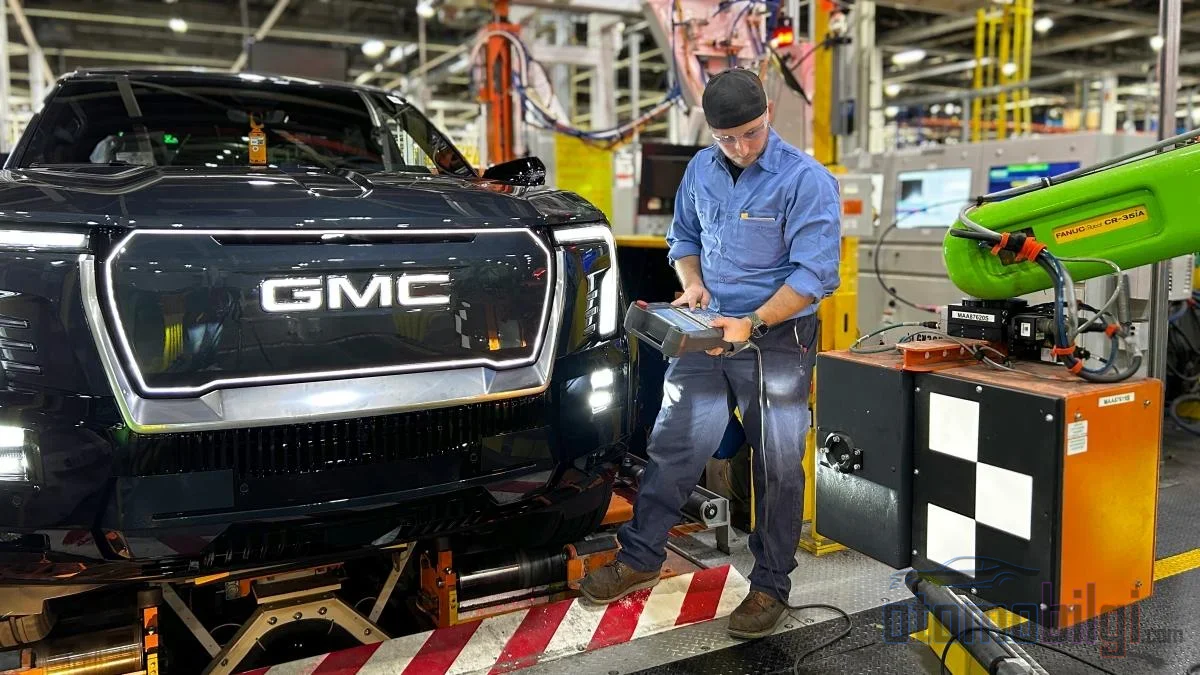
The quickest way to understand this plan is to look at GM's spreadsheet. Automation used to be an efficiency project; today it is a cost defense line. Three separate forces are pushing the company's production costs upward at the same time.
Labor Cost Coming From the Contract
The UAW contract signed in 2023 increased GM's labor cost by approximately 575 dollars per vehicle; Ford had announced its own increase as 900 dollars per vehicle. US manufacturers have long been voicing that their labor costs are higher than those of foreign rivals and of new players in the US with largely non-unionized factories. Analysts had already predicted that companies would accelerate automation after the 2023 contract. GM's 20 percent target is that prediction moving from paper to reality.
Onshoring and Commodity Inflation
The White House's effort to bring factory work back to the US is encouraging domestic production while putting additional pressure on manufacturing costs. On the GM side, the statement that came alongside third-quarter results is striking: due to rising logistics and memory chip costs, the company expects around 2 billion dollars in commodity-driven inflation. For a manufacturer that has to save on every line item in this picture, robots, although they appear as an investment item, serve a cost-balancing function in the medium term.
Global Competition
In the company's own statement, automation; is positioned as a tool supporting production teams with safety, quality and efficiency goals, in an environment where global competition is intensifying. In the first quarter of 2026, GM and Toyota were the largest vehicle producers in the US; while Toyota maintained its global leadership, GM had overtaken its Japanese rival in the US market in 2024. In this fierce competition, production efficiency is a variable directly tied to market share.
Factory Zero: Where Robots and Layoffs Enter the Same Frame
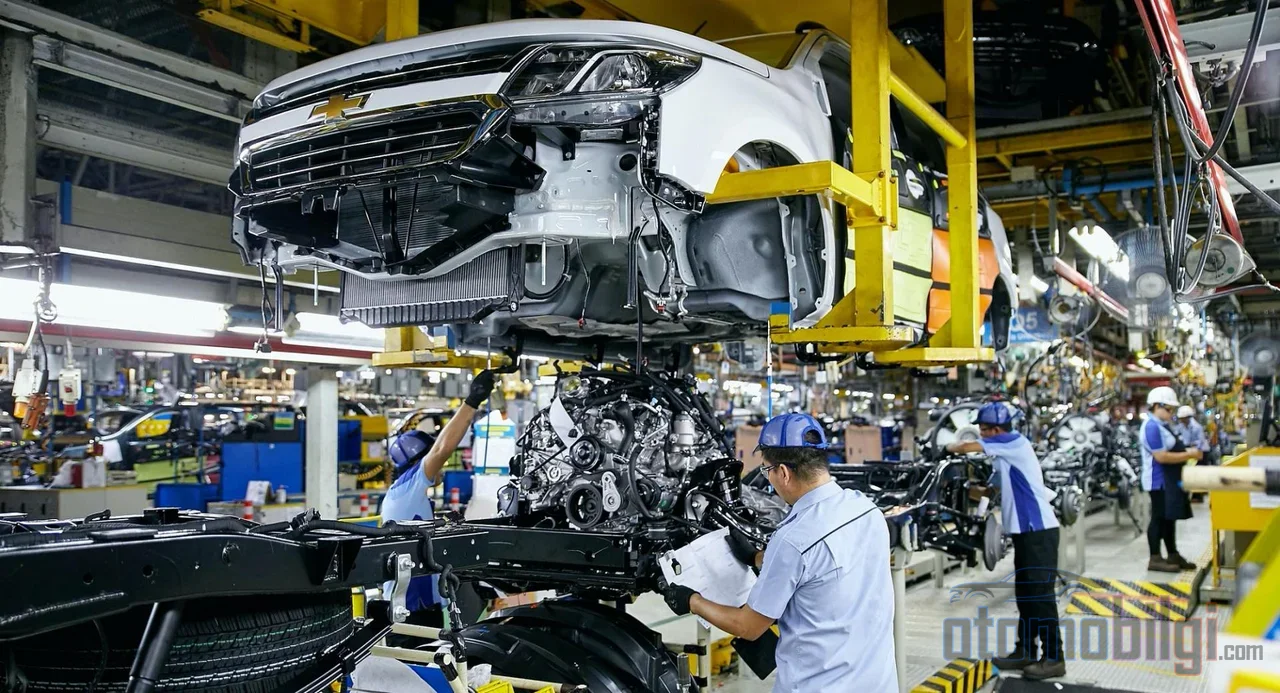
The most discussed aspect of the plan took place at Factory Zero in Detroit last June. GM installed 50 robotic arms at this electric vehicle plant; the installation came after the layoff of more than 1,300 workers. The union UAW noted that the collaborative robots deployed at the facility drew backlash; it was reported that the layoffs were linked to a slowdown in electric vehicle production.
The simultaneity here summarizes in a single frame why the automation debate breaks hearts: if an assembly line that welcomes robots upon their arrival also means a shrinking workforce, the technology is read as news of job loss, not news of efficiency.
Meanwhile, GM's investments in US manufacturing continue uninterrupted: the company announced in April that its investment over the last 12 months had exceeded 6 billion dollars. In short, the company is not withdrawing from production; it is changing the way it produces.
Automation Requirement Also Coming for Suppliers
The plan is not limited to GM's own factories. The company is asking suppliers entering new parts tenders to present automation plans for their own operations. Even more importantly, GM operates a scorecard system that rates suppliers' automation efforts, and these scores are taken into account in tender decisions.
This means an efficiency pressure spreading across the entire chain. Automation is now a criterion not only of the assembly line, but also of the supply contract. There is a logic here that reflects the approach of robotics strategy director Mikell Taylor beyond the company: designing processes according to the areas where humans and machines are best, to achieve maximum efficiency and quality.
On the Axis of Conflict with the UAW: Are Robots Taking Jobs?
The harshest opposition to the plan comes from the union. The UAW, which represents approximately 50,000 GM factory workers, characterizes robots and artificial intelligence as a tool of layoffs. Union leaders argue that the steps taken in the name of efficiency amount to nothing more than cutting the people who create the product and the profit; They voice the view that more robots are not needed for GM to be able to buy back shares. At the union congress, the message was given that the value produced is not returned to workers and that artificial intelligence should not deepen this inequality.
On the other side, the consulting circles' view is more optimistic: automotive experts say that the ultimate goal of automation is more efficient and profitable production by putting fewer labor hours into the vehicle, but that it could also alleviate labor shortages. So the question of whether robots target existing jobs or unfilled positions is the most critical question on the table.
The calendar will sharpen this tension even further: the current GM, Ford and Stellantis contracts expire in the spring of 2028, and automation is expected to be a key agenda item in UAW's next round of negotiations. GM's automation target coincides with the contract expiration in the same year; this is not a coincidence, it is a strategic synchronization.
Conclusion: How Meaningful Is a 20 Percent Increase in Automation?
The short answer is this: By increasing robot and automation use by 20 percent in its North American factories by 2028, GM is trying to offset the increased labor cost of about 575 dollars per vehicle and commodity inflation of about 2 billion dollars on the production line. The company, which develops its own robots in Kokomo, is also imposing the same rules on its suppliers through a report card system. The move is an effort to turn factory efficiency into a trump card in global competition at a time when the electric vehicle transition is slowing the pace.
For someone who has been following this industry for thirty years, the picture is familiar: manufacturers played the automation card in every wave of costs, and unions read the same card as job losses every time. This time, the parties who will sit at the table in 2028 will negotiate not the number of robots, but the division of labor between robots and humans. GM's 20 percent target appears to have already lit the fuse of that negotiation.