GM Is Looking for a CEO from Outside to Replace Mary Barra
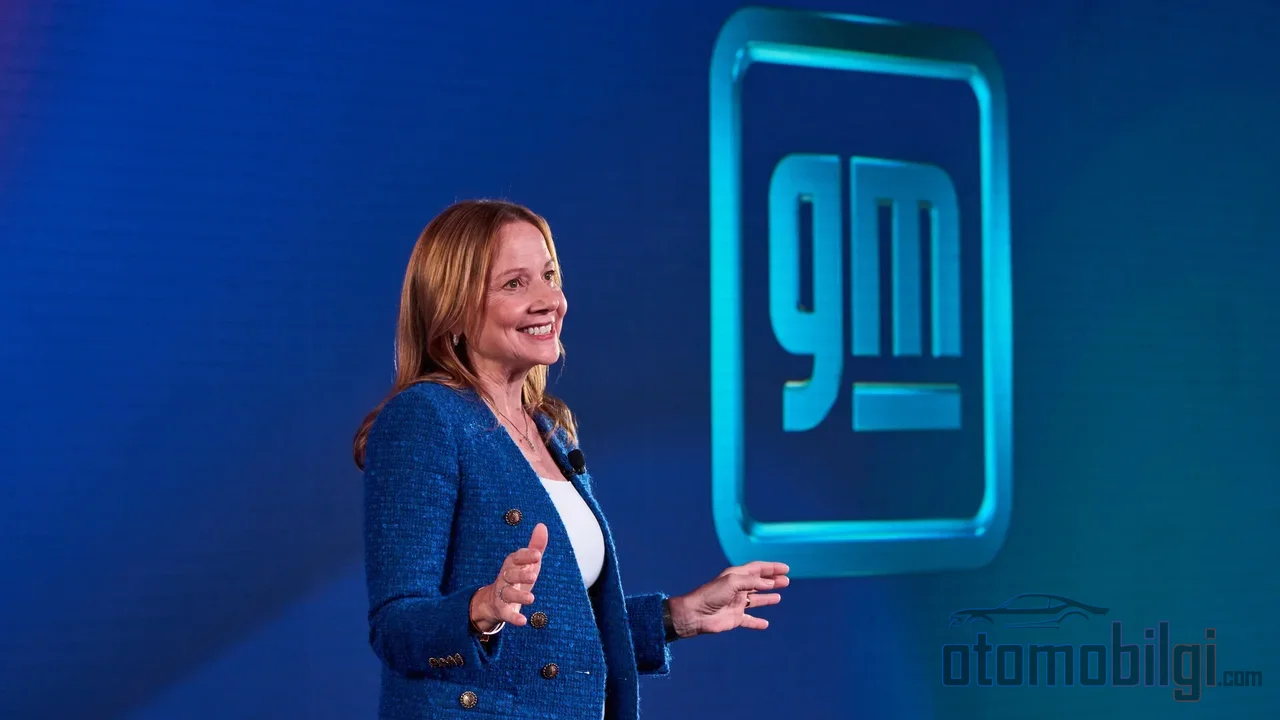
General Motors is quietly but systematically working out who will lead the company after Mary Barra, the longest-serving female CEO in automotive history. According to the news that emerged on November 17, 2026, the giant company is working with an executive search firm to find Barra's possible successor and is also evaluating candidates from outside the company. GM is refraining from commenting on the matter, but the picture is clear enough: Preparations for a transition have begun in Detroit, and this preparation is being carried out by adding outside contenders alongside the strong names within the company.
According to the report, the process has been progressing gradually for months; It is not being said that Barra will leave immediately. Still, when the announcement of a CEO transition this far in advance is read together with the company's preference to leave the door open to a name that does not come from within its own ranks, it carries an important signal about GM's next decade.
Who Is Mary Barra and Why Did She Last So Long?
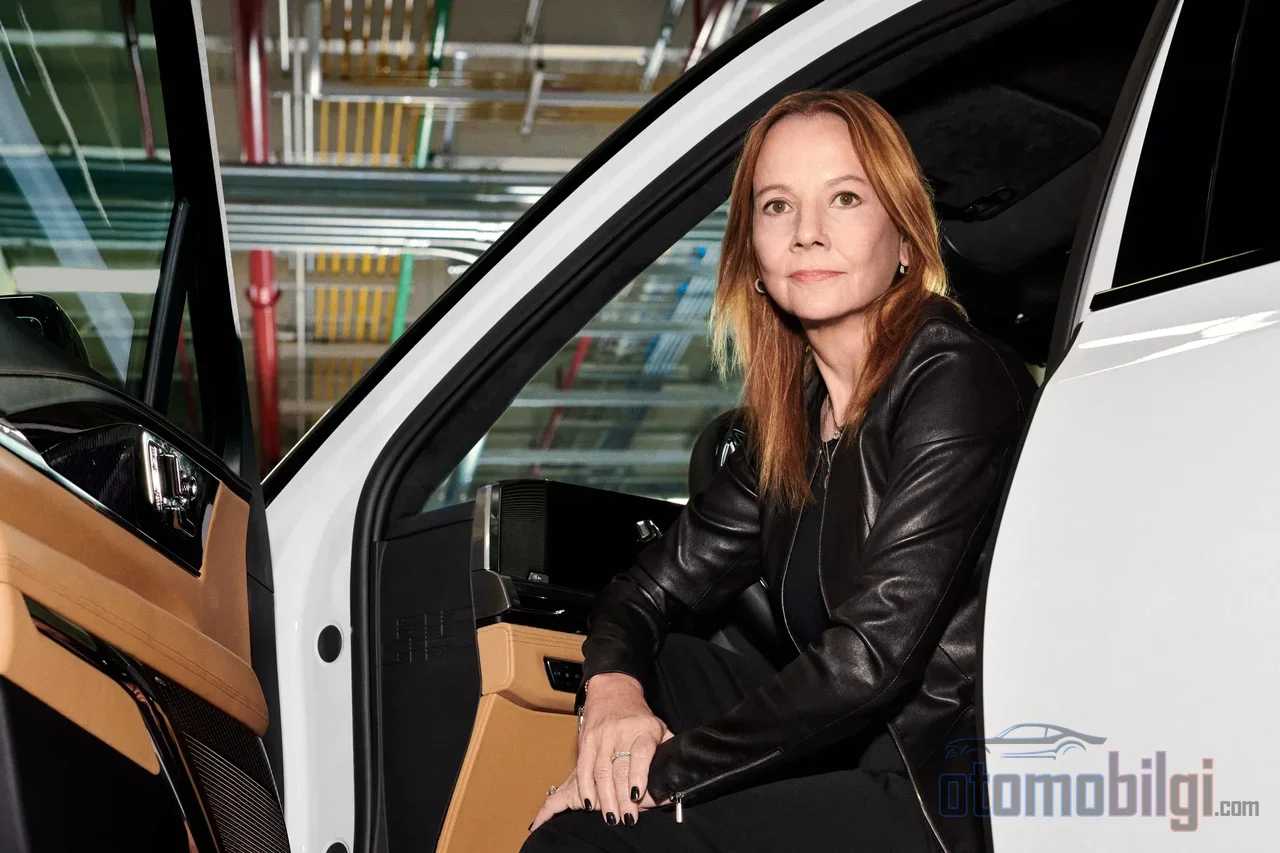
Mary Barra took the CEO seat at GM in 2014 and also took on the role of board chair in 2016. Barra, who is 64 years old today, holds the distinction of being the first female leader to run a global-scale automaker. This career, spanning more than 40 years with the company, made her the second longest-serving CEO in GM history after Alfred Sloan; She is one of the longest-serving executives on the Fortune 500 list.
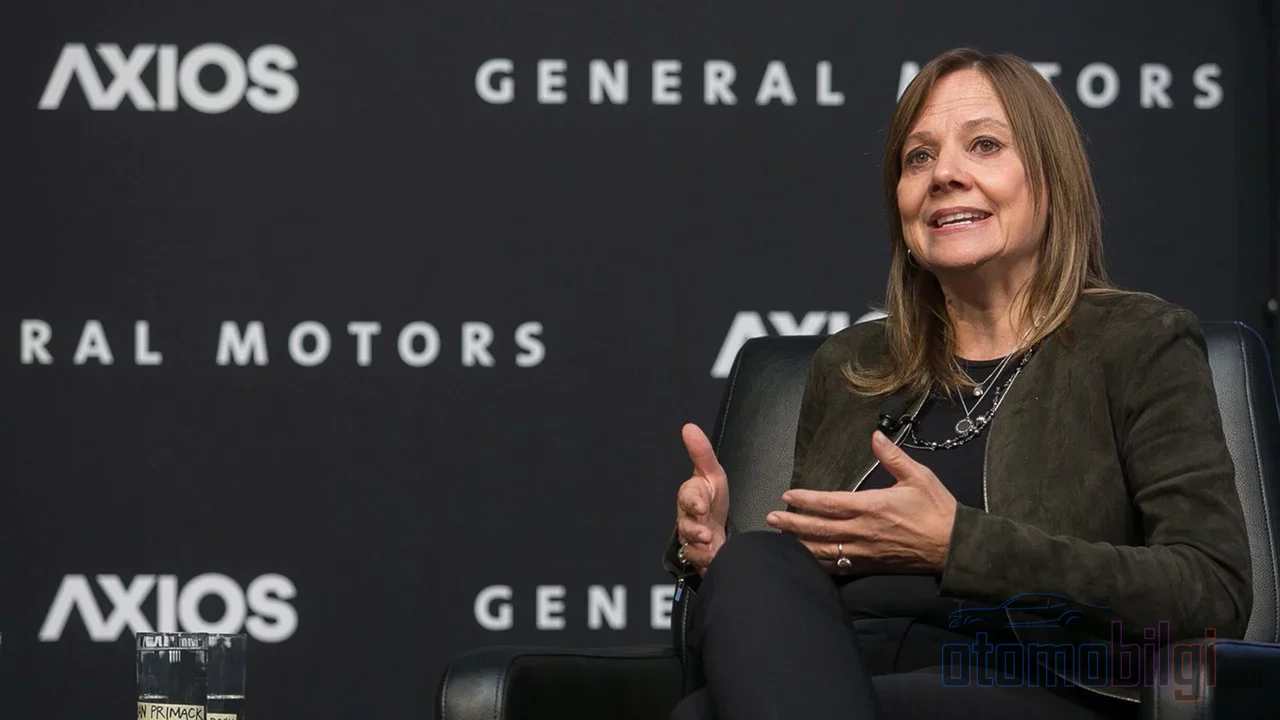
When asked in September 2026 about the possibility of leaving, Barra said she still feels energetic and can continue contributing to the company and building the foundation. This statement is interpreted as a sign that the transition process is not a resignation announcement but a long-term planning effort.
Highlights
Highlights
- GM is working with an executive search firm for Mary Barra's successor and is evaluating candidates from outside the company.
- Barra has been GM's CEO since 2014; the first female leader to run a global automaker.
- Following the news, GM shares rose by about 1.5% and closed the day at $84.05, up 0.45%.
- Among the internal candidates, GM President Mark Reuss, CFO Paul Jacobson and Chief Product Officer Sterling Anderson stand out.
- The new CEO will take on the task of balancing the EV transition with profitable SUV and pickup margins.
Why Wasn't the Market Shaken?
The news did not create a dramatic movement in GM shares. On November 17, shares rose about 1.5% in the afternoon and closed the day at $84.05, up 0.45%. That same morning, GM management had rung the bell in New York to celebrate the company's shares moving from the NYSE to the Nasdaq Global Select Market; The day's two events were read together as the company closing one era and preparing for another.
Analysts are not surprised that the market has remained calm. Barra's tenure is long, and her age is close to normal retirement age; As her departure has become inevitable, the news has ceased to be a surprise. Nor is anyone expecting a change in the short term: One of the analysts following Wall Street argues that Barra will continue to serve as CEO for the next few years.
Why an External Candidate?
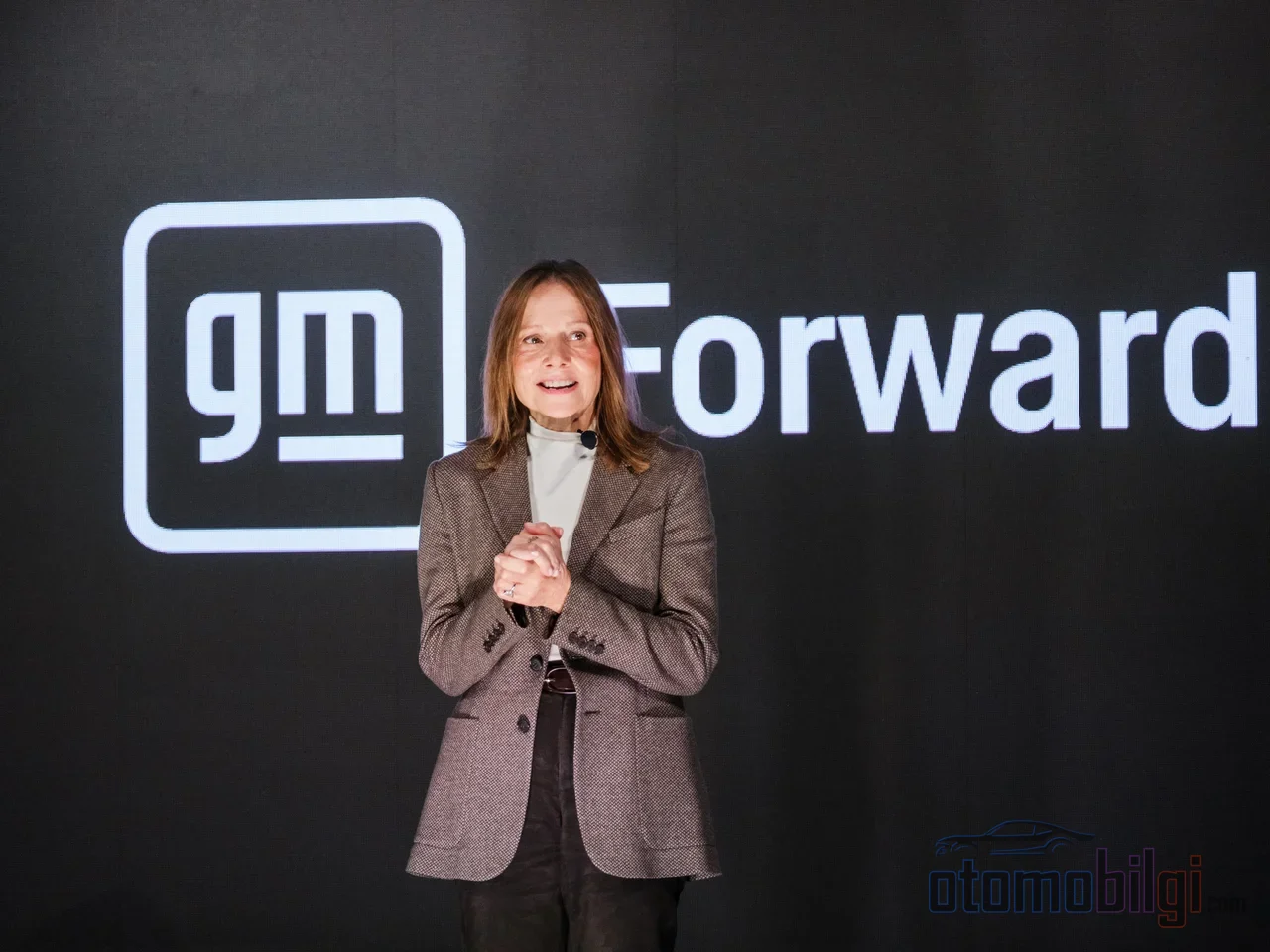
In large organizations, hiring a search firm for senior appointments is standard practice. Management experts from academia note that this method avoids the echo chamber effect that can arise when only the internal staff is considered, and provides a broader candidate pool. The fact that GM is also evaluating external candidates is interpreted as the board wanting the company's next decade to be planned from a broader window rather than through the perspective of the current staff.
Strong Internal Names
The first name in the internal candidate ranking is GM President Mark Reuss. An experienced executive who has topped 40 years at the company and is seen as Barra's right-hand man. Second in line is CFO Paul Jacobson; Jacobson, who joined GM from Delta Airlines in 2020, is a respected name in the financial world. The third candidate is Chief Product Officer Sterling Anderson, who was tasked by Barra with turning around GM's autonomous driving efforts; the company plans to offer highway driving that allows drivers to take their hands off the wheel and eyes off the road in personal vehicles by 2028. While some commentators see Anderson as the favorite, analysts expecting an internal candidate to be chosen point out that a strong roster has been assembled, including Jacobson.
What Does the Barra Era Leave Behind?
Barra's legacy presents a contradictory picture. On one hand, GM shrank during this period but became more profitable: global sales are several million vehicles per year lower than a decade ago, but cash generation is at an all-time record level. Last month, the company projected that this year's pre-tax and pre-interest profit will be between 14.5 and 15.5 billion dollars.
On the other hand, failed bets have also cost dearly enough not to be underestimated. The Cruise robotaxi division lost billions of dollars before it was shut down; some of the most ambitious electric vehicle targets were walked back. The company recorded a 7.6 billion dollar write-off of unused EV spending spread across 2025 and the beginning of this year; an additional 6 billion dollar write-off related to changes in EV production plans is still expected.
What Awaits at the New CEO's Desk?
The successor's core task is clear: to reposition the company while protecting profitable SUV and pickup margins while channeling capital toward an electric vehicle future. This is not an easy balancing act. Barra maintains that EVs are still the ultimate goal; but she notes that the transition is tied not to a fixed timetable but to a process that could take decades. GM has made serious course changes by scaling back its billions of dollars in EV investment and turning more toward internal combustion vehicles; the expiration of the federal EV tax credit at the end of 2025 and regulatory rollbacks are among the main reasons for this.
High-technology problems in China and beyond are also added to this. Under Barra, GM has transformed into a leaner and more profitable company; the new CEO's job will be to preserve this structure while transforming it once again.
Conclusion: What Does the Early Succession Process Mean?
GM is searching for a successor to Mary Barra both internally and externally; Barra is not leaving immediately, but the board has been planning the succession for months and is keeping the door open to an outside candidate. This approach reflects the company's desire to build its future by relying on a system rather than a single person. In a period when the automotive industry is being reshaped under the pressures of electrification, autonomous driving and global competition, the question of whom GM will be entrusted to is a clue not only to one company's future, but also to the next decade of the American automotive industry.
Sources
- Exclusive | General Motors Seeks Outside CEO Contenders to Succeed Mary Barra (WSJ)
- GM taps executive search firm to find successor to CEO Barra, WSJ reports (Reuters)
- GM taps search firm to find possible Barra successor, report says (The Detroit News)
- GM CEO Mary Barra Might Be Leaving. Who Could Replace Her. (Barron's)
- Mary Barra | General Motors (official biography)
- GM CEO says EVs still the 'end game' despite industry pullback (Reuters)