Charging Adapter Concerns in Chinese Electric Vehicles
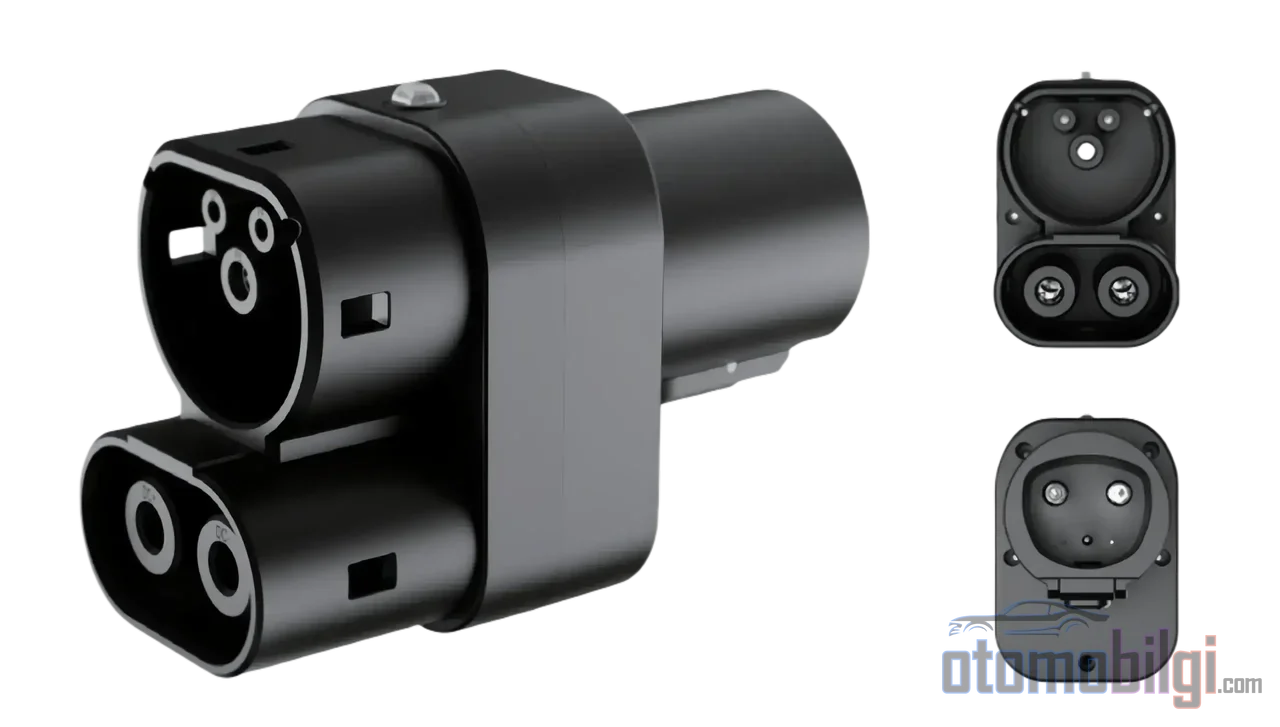
Some of the Chinese-made electric vehicles that have proliferated on the streets of Turkiye in recent years do not speak Europe's common charging language. On the vehicle side there is a GB/T or NACS socket, and at public stations there is a CCS2 connector; the bridge between them is an adapter that most buyers pick up from store shelves, without a brand name. Yet this small plastic box does not merely connect two plugs: it translates a DC line carrying over 150 kW between two different digital protocols. If the translation goes wrong, the result is not just slow charging, but heated pins and damaged power electronics.
This guide covers what the adapter actually does, which certification is meaningful, when the risk of power loss and overheating is real, and what the insurance covers in this scenario. The aim is to ensure you ask the right questions before buying the car, not before pulling into the garage.
Why Can't GB/T and CCS2 Get Along on the Same Plug?
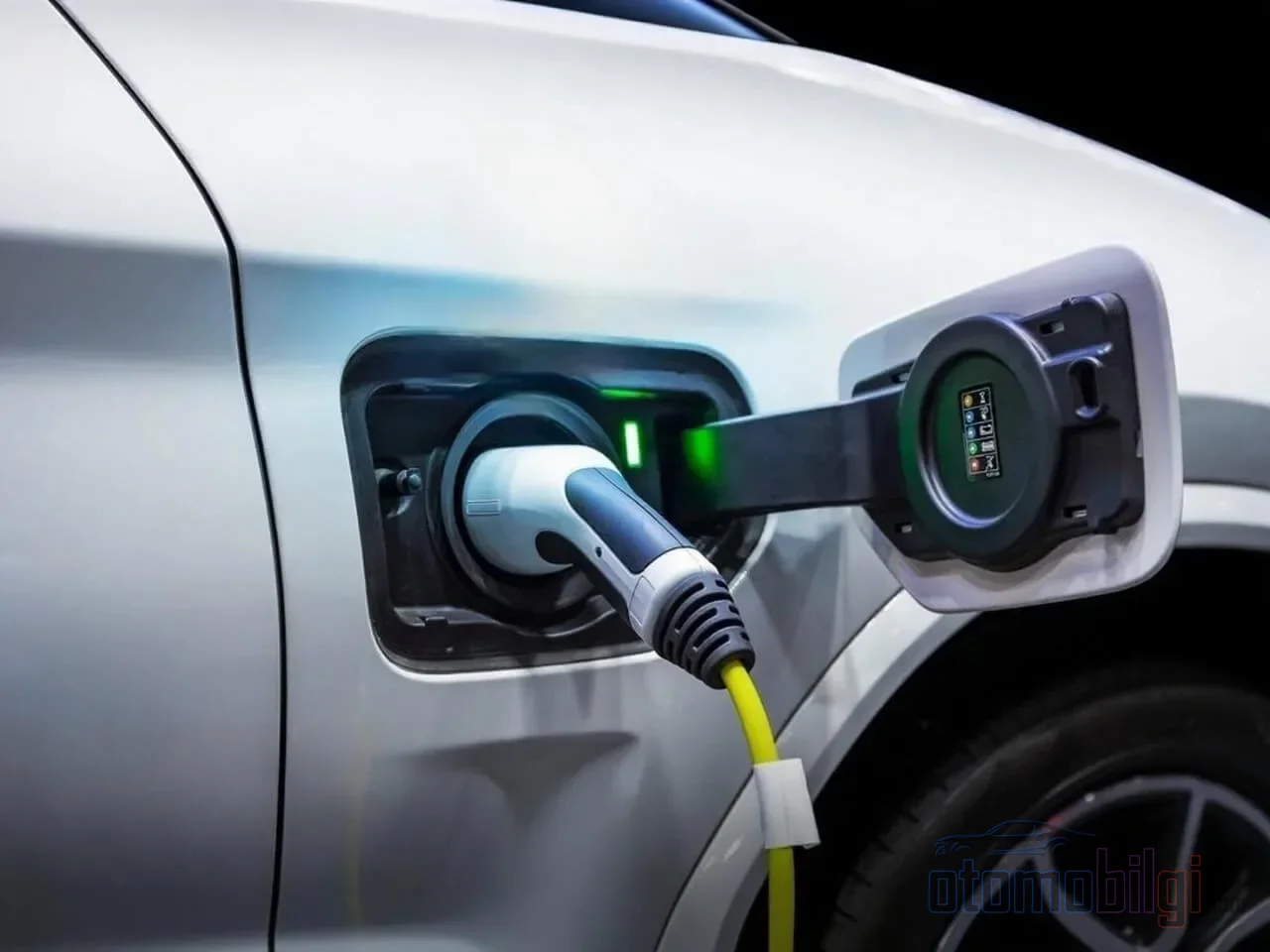
The root of the problem is not physical, but digital. GB/T is China's national charging standard and defines separate connectors for AC and DC inputs; it conducts the communication between the vehicle and the station over an automotive data bus called CAN bus. CCS2, on the other hand, is the dominant standard in Europe and Turkiye: a single body with two DC pins added beneath the Type 2 AC connector, with communication provided by the PLC protocol carried over the power line.
The data languages of the two systems are not compatible with each other at any stage. For this reason, a passive cable - that is, a pair of connectors that only carry conductors from end to end - does not work. The charging session only begins when the vehicle and the station complete the digital handshake; if this handshake does not start, the station does not deliver power, and the vehicle does not accept the incoming power.
| Feature | GB/T | CCS2 |
|---|---|---|
| Standard family | GB/T 20234 | IEC 62196 |
| Communication protocol | CAN bus | PLC |
| AC/DC connector | Separate plugs | Single integrated body |
| Typical DC power | Common distribution up to ~237.5 kW | Common above 150 kW |
| Common geography | China | Europe, Turkiye |
What the Adapter Actually Does: Not a Simple Cable, but a Translator
A product connecting CCS2 and GB/T carries an internal controller that goes beyond converting connector geometry and pin layout. This controller translates vehicle requests coming over CAN bus into PLC messages, relays the charger's responses back, and synchronously monitors both sides throughout the session. The critical part is the safety locks: mechanisms such as insulation monitoring, ground fault detection, and connector locking must operate in the manner required by both standards.
This explains why the quality of the same adapter is so decisive. Even if the handshake layer works in a cheap product, the safety layers that require cutting off power in the event of a failure may be missing; the fault only reveals itself when the body heats up or an arc forms at the pins.
Highlights
- GB/T and CCS2 use different communication protocols; a passive cable isn't enough; the adapter carries an active translator.
- The certification standard specific to EV adapters is UL 2252; on the connector side, IEC 62196-1/-2 is defined.
- Turkiye entered 2026 with 7,843 charging stations; the infrastructure has spread across all 81 provinces.
- Unapproved NACS adapters can cause slow charging and vehicle damage; manufacturers are issuing explicit warnings against this.
- Some comprehensive insurance policies cover adapter and charging cable damage, even theft.
Does Charging Speed Drop with an Adapter? The Real Mechanism Behind Power Loss
This is one of the most frequently asked questions, and the answer is calmer than expected: a well-designed adapter does not limit charging speed on its own. The session's power ceiling is set by the lower of the maximum values the vehicle and the charger accept; the adapter only acts as an interpreter between the two sides. The problem begins with low-current-class or low-quality products: they create a bottleneck or slow down charging by triggering the system's conservative limits.
In practice, the number you need to look at is the adapter's rated current. CCS2–GBT DC adapters are sold on the market in 250A and 300A classes; to calculate what this means, logic as simple as temperature is sufficient: at 400 V, 250 A means roughly 100 kW of power in theory. If your vehicle's maximum DC charging power is below this, the bottleneck risk is low; if above, the adapter becomes the weak link.
Certification and Safety: What's Written on the Box, and What Does It Mean?
Which Standard Really Means Something?
The standard specially developed for adapters on EV connectors is UL 2252; connector geometry and safety are defined by IEC 62196-1/-2, general charging system safety within the IEC 61851 framework. EN 50620/IEC 62893 applies to cables, UL 2580 to battery systems, and ISO 15118 to the vehicle-station communication layer. A product referencing several of these is not proof on its own; the certificate number must be verifiable on the testing body's website.
Features to Look For in a Quality Adapter
- Overcurrent and short-circuit protection along with surge protection.
- Temperature monitoring: a circuit that reduces power or ends the session when a threshold is exceeded.
- High-voltage insulation and insulation monitoring support.
- A connector locking mechanism that fits securely at both ends.
- LED indicators showing the status and a declaration of compliance with IEC/ISO standards.
In contrast, the most critical weakness in counterfeit products is the mispositioning of the temperature sensor: heat cannot be properly monitored, and components can heat up to the melting point. In street stations in Turkiye, such a fault affects not only your vehicle but also the shared infrastructure you are charging from.
What Manufacturers Say: The Common Denominator of Warnings About Unapproved Adapters
This debate is not specific to China. Ford has issued an explicit warning that using unapproved NACS adapters may result in slow charging or damage to the vehicle, and recommends using only adapters suggested by the vehicle manufacturer or certified by regional authorities. The same principle applies to GB/T–CCS2 adapters: if your manufacturer approves a specific product, that approval means the vehicle's safety layers have been tested with that adapter; without approval, the risk is yours.
There is also a practical pitfall: NACS–CCS2 DC adapters only provide DC charging and are useless for AC charging at home; the inability to do three-phase AC charging on the NACS side is a well-known limitation. So the I can't charge, let me just buy an adapter approach can waste your money if it proceeds without ever asking which type of charging you need the adapter for.
The Picture in Turkiye: Infrastructure Is Ready, the Standard Is up to You
On the public side, things are relatively good: Turkiye entered 2026 with 7,843 charging stations, infrastructure is present in all 81 provinces, and Ucay Muhendislik has announced plans to open 350 stations this year. CCS2 is the most widespread fast charging standard in the country. You can query stations through EPDK's Sarj@TR open access platform; however, this query will not tell you which standard your vehicle's socket complies with.
Solution products are also available on the market: In Turkiye, Type 2 to GB/T converters are marketed for charging vehicles imported from China at AC Type 2 stations, and charging vehicles with GBT sockets using a mobile charging device was demonstrated at an experience center in Istanbul. So the problem is not hopelessness, but a matter of correct matching. This pins every purchase decision down to a single check: querying the vehicle's socket type from its documents before buying the car. Since model-based primary data on the socket types of models in Turkiye is lacking in the public domain, the ultimate reference is always the vehicle manufacturer's own documentation.
Insurance and Warranty: How Much Protection Does an Adapter-Related Damage Get?
Electric vehicle comprehensive insurance in Turkiye partially covers this scenario. Battery, charging cable, and adapter coverage is standard in some policies; damage to or even theft of the charging cable or adapter can be covered. Battery coverage mostly includes body damage resulting from a collision and theft of the charging cable inside the vehicle. For charging units installed at home, faulty charging or equipment-related malfunctions can be assessed under the Electric Motor Clause; charging units usually come with a 2-year free warranty against manufacturing defects.
The critical detail is in the policy text: clarify with your insurer whether damage caused by unapproved, uncertified equipment will remain outside coverage. There are also policies offering cyber risk coverage; since a charging session is a digital negotiation, the scope of this coverage may be broader than it appears.
Pre-Purchase Checklist and Usage Rules
- Find out the vehicle's AC and DC socket types from the manufacturer's documentation; don't trust the seller, ask for written confirmation.
- When choosing the adapter suitable for your vehicle, verify that the current and voltage class matches the vehicle and the station capacity.
- Make sure the UL 2252 or IEC 62196-1/-2 reference is supported by a verifiable certificate.
- Before each session, visually inspect the connectors: damage, moisture, foreign matter.
- Check that the adapter is fully seated and locked at both ends; a loose connection is a common cause of handshake errors and arcing.
- Avoid charging in conditions outside the adapter's IP protection class, especially in heavy rain.
- Immediately take out of service any adapter showing overheating, discoloration, or intermittent communication errors.
If you notice overheating, the course of action is clear: immediately disconnect the adapter from the vehicle and the station, let it cool down, and check for damage; if the problem recurs, replace the product. Add pin wear, cable insulation, and arcing paths to your periodic inspection checklist.
Summary Answer: Can My Chinese Electric Vehicle Use the Charging Network in Turkiye?
Yes, but only with a correctly classified and approved CCS2–GB/T adapter. Since the communication protocols of the two standards are incompatible, there is no passive cable solution; the adapter is an active device that translates the handshake and safety locks between CAN bus and PLC. Uncertified products cause problems ranging from slow charging to fire risk. Therefore, checking the socket type in the manufacturer's documentation before buying the vehicle, and choosing the adapter from among products approved by the vehicle manufacturer or certified, is the shortest path to fully unlocking the 7,843-station infrastructure in Turkiye.
Sources
- CCS2 to GBT Adapter: How It Works and When Your EV Needs One
- Essential Safety Features of the GB/T to CCS2 Adapter
- Technical Guidelines on Charging Facilities for Electric Vehicles
- EV Charging Adapter Testing and Certification (UL 2252)
- Ford Issues Warning on Tesla NACS Adapters
- Global EV Charging Adapters & Connector Guide
- 2026 Türkiye Electric Vehicle Charging Network Analysis
- Open Access Platform – Şarj@TR
- 8 Critical Checks for Electric Vehicle Comprehensive Insurance
- Electric Vehicle Insurance 2026: Battery Coverage Guide