Electric Dacia Sandero Is Coming to the Turkiye Market
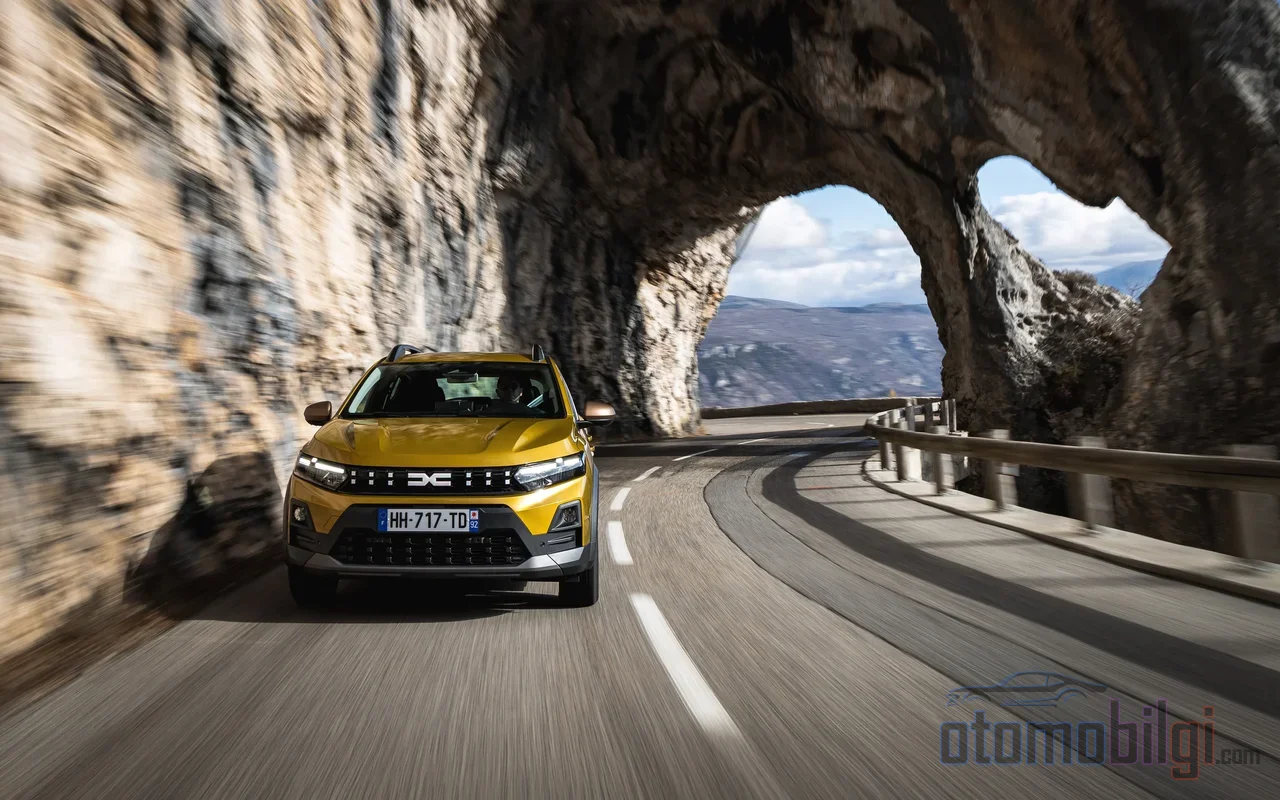
Europe's best-selling passenger car will finally draw power from the socket. According to reports based on company sources, the Dacia Sandero will move to its fourth generation in 2028, and for the first time it will come with an all-electric version; when and at what price it will arrive in the Turkiye market, however, remains uncertain. The technical details reflected in the automotive press in mid-November paint the picture of a model that could reset the price balance of electric cars in the B segment.
What takes the Sandero beyond being just another launch story is an engineering philosophy that plays to the base. Dacia is managing the electric transformation not as an expensive showcase project but with a cost discipline that will translate directly into the price sheet. On this page we bring together the model's technical reports, its likely rivals in Turkiye, and a snapshot of the market today.
Highlights
- Spring 2028 is indicated for the debut of the electric Sandero, with European sales possibly starting in the summer months.
- According to company sources, a 44 kWh LFP battery and a motor of approximately 80 kW will be used; the range target is above 400 km.
- In Turkiye, the electric price floor is set by the Hyundai INSTER at a campaign price of 1,520,000 TL.
- Direct rivals are the Fiat Grande Panda Electric (1,584,900 TL) and the Citroën ë-C3 (1,605,000 TL campaign price).
- The sales calendar and pricing for Turkiye have not been announced; the petrol and hybrid versions remain in the production lineup.
What will the technical identity of the electric Sandero be?
First, some framing is needed: Dacia has not made any official technical announcement yet. The values below are reports reflected in the automotive press and attributed to company sources; they may change until the manufacturer's announcement. With this caveat, the picture points to a highly consistent cost strategy.
The electric version is expected to feature a motor of approximately 80 kW and a 44 kWh lithium iron phosphate (LFP) battery. This pair is shared with the entry-level equipment of the Renault 5; in other words, Dacia is after taking components the group already mass-produces and bringing them down to the Sandero's price band. The choice of LFP chemistry is no coincidence either: these cobalt-free batteries offer advantages in longevity and on the cost side.
On the range side, the target was roughly 390 km in initial calculations, while according to the latest information it has been raised to a little over 400 kilometers. It is also reported that a weight reduction of approximately 100 kg was targeted during the development process; the weight saving is expected to contribute directly to range.
Platform and body: familiar but adapted
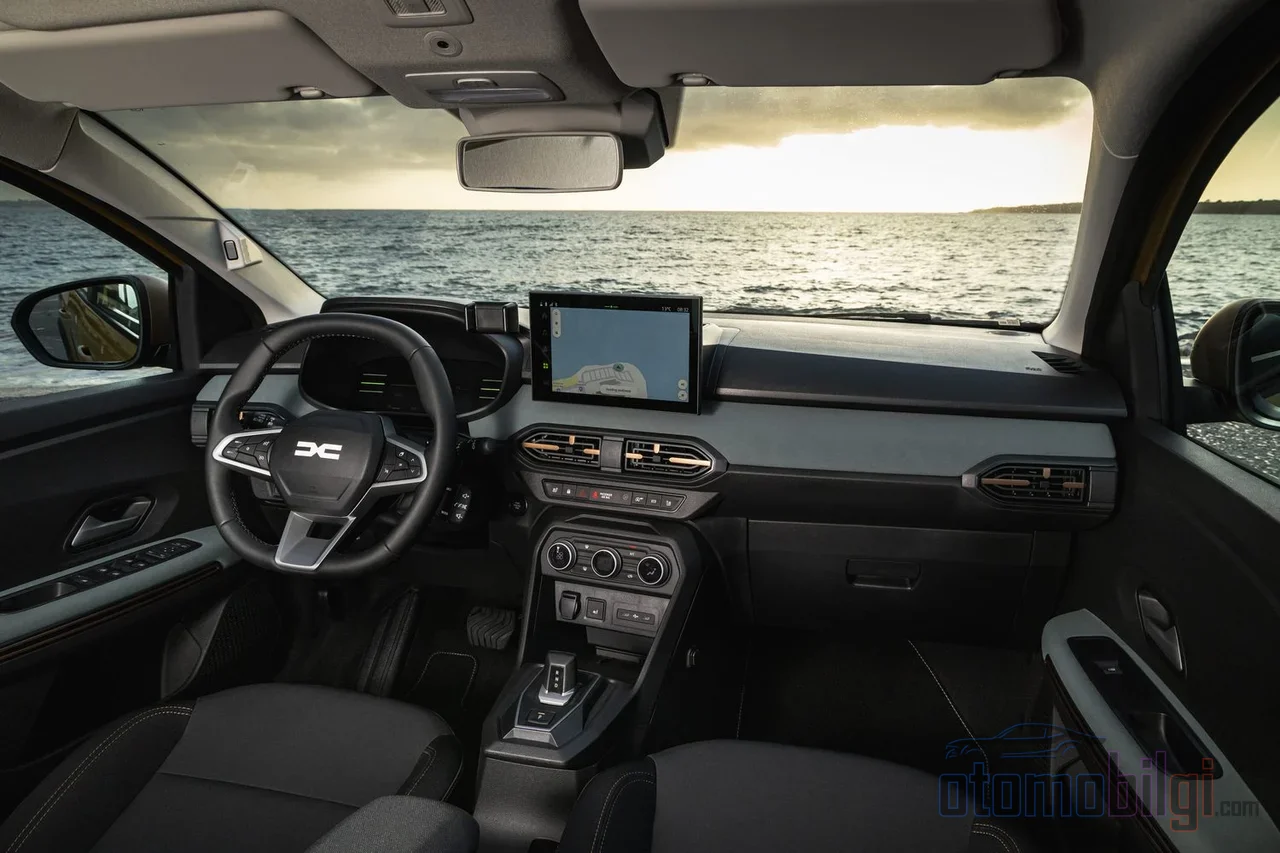
On the engineering side, the most striking detail is the platform choice. The RGMP Small platform, previously known as CMF-B, is being adapted to the electric motor and underfloor battery placement. In other words, the Sandero is not switching to an all-new electric architecture; the existing skeleton is being transformed from within. The bill for this approach also shows up in the body: while keeping the approximate length of 4.10 meters, parts such as the roof, A-pillars and door structure are carried over from the current model. Development and production costs are limited in this way; it will not take long for part of the savings to be reflected in the price list.
The preliminary design is expected to carry traces of the brand's new Striker model. A completely new front console and textured surfaces are on the agenda for the cabin; keeping the physical controls is a continuation of Dacia's well-known stance against the spread of touchscreens. The luggage capacity is expected to be 410 liters; maintaining this figure despite the underfloor battery is still a standout result in the compact class.
The gasoline and hybrid versions are not being phased out
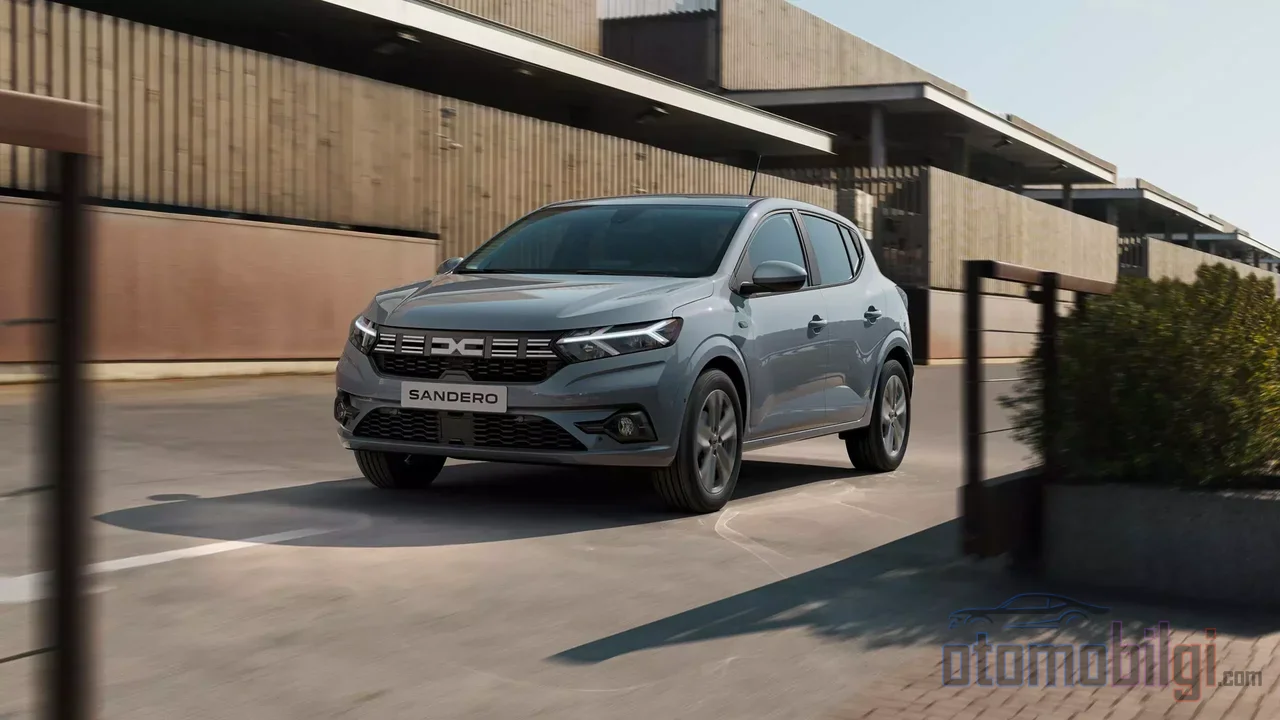
The arrival of the electric version is not a farewell ceremony for the internal combustion Sandero. Quite the opposite, the production lineup will continue on three legs. On the gasoline side, the current 1.0-liter TCe engine is expected to be replaced by a 1.2-liter unit offering similar power; the quoted figure is around 116 horsepower. The closing of the era of small-displacement three-cylinder engines is a natural consequence of the progressively adopted emission norms.
In full hybrids, it is reported that a three-cylinder 1.2-liter and more cost-effective structure is on the agenda to replace the current 1.8-liter system. The same system is expected to be used in the Renault Clio and Captur as well; the group's economies of scale are at work here too. The total power of the hybrid version has not yet been shared. In addition, the Sandero Stepway remains in the lineup in the new generation; however, Dacia's project to turn the Stepway into an independent small SUV was reportedly canceled in the fall of 2025.
Where does the electric price floor stand in Turkiye?
Before talking about the electric Sandero's price in Turkiye, we need to look at the market's current picture. According to the November 2026 price lists, the cheapest electric car sold in Turkiye is the Hyundai INSTER, with a promotional price of TL 1,520,000. The two Stellantis models in direct competitor positions are right behind it: the Fiat Grande Panda Electric with a promotional sticker of TL 1,584,900, and the Citroën ë-C3 selling at a list price of TL 1,645,000 and a promotional price of TL 1,605,000. In both models we see the same recipe predicted for the electric Sandero: a 44 kWh LFP battery and an 83 kW, that is, 113-horsepower electric motor. The Citroën ë-C3's WLTP range is 320 km, with torque of 125 Nm.
The overlap here is no coincidence; the electric side of the B segment has in effect taken shape around a single formula. The Sandero will plug into this formula with a target range of over 400 km and an 80 kW motor. Power slightly below its rivals and range slightly higher form a balance that suits Dacia's host customer profile.
| Model | Battery | Power | Price (November 2026) |
|---|---|---|---|
| Hyundai INSTER | - | - | TL 1,520,000 (promotional) |
| Fiat Grande Panda Electric | 44 kWh LFP | 113 hp (83 kW) | TL 1,584,900 (promotional) |
| Citroën ë-C3 | 44 kWh LFP | 113 hp (83 kW) | 1,605,000 TL (campaign price) |
| Dacia Sandero (electric) | 44 kWh LFP (estimate) | approximately 80 kW (estimate) | Not announced |
A starting price of around £18,500 is estimated for the Sandero in the UK; this estimate suggests the model will fall within the same price band as the Citroën e-C3 and Fiat Grande Panda Electric. As for the price in Turkiye, there is no confirmed figure yet; calculating it in TL based on this would remain a guess due to the exchange rate and tax structure.
Dacia's Turkiye background: the Bursa connection and Striker uncertainty
For the Turkish market, Dacia is not a brand built from scratch; for years it has been a symbol of the price-performance balance. Today, the petrol New Sandero 1,390,000 TL, Sandero Stepway 1,630,000 TL and Jogger 1,650,000 TL are on sale with campaign starting prices. On the list without campaigns, a price tag of 1,460,000 TL is seen for the Sandero Expression TCe 100. How the electric version will affect this picture depends on how large the price difference will be.
On the production side, the picture in Bursa is complicated. The Oyak Renault plant in Bursa, spread over approximately 600,000 m², with an annual capacity of 390,000 vehicles and around 5,500 employees, is one of Turkiye's largest automotive production bases. As the final link in the 400 million euro investment plan under the cooperation between Renault Group and OYAK, the Dacia Striker was planned to be produced at this factory and exported from Turkiye to many countries, Europe in particular. However, according to the latest information reflected in automotive circles, the Striker project has been cancelled, and the gap may be filled by an electric Bridger version to be produced in Europe. The two reports do not match; the clear picture needs to be clarified by an official statement from the manufacturer.
The brand's electrification roadmap, however, looks more certain: It is reported that Dacia plans to launch four new electric models by 2030, and that the electric versions of the Spring, Sandero and Sandero Stepway among them are confirmed. Behind this plan, besides carbon emission requirements, there are also the extra credits expected to be offered under the EU's Industrial Accelerator Act for compact electric vehicles produced in Europe and under 4.2 meters. These credits significantly support the business model of small electric vehicles produced in Europe.
What does the electric Sandero mean in a shrinking market?
The Turkish car market is going through a difficult period. According to ODMD data, car sales in October fell 28.40% year-on-year to 64,939 units, and light commercial vehicle sales declined by 39.52% to 15,395 units; the total market shrank by 30.84% to 80,334 units. In the January-October period, the total market has contracted by 15.33%: 883,799 units. There is also a striking picture in the brand rankings; Fiat has declined and fallen behind BMW and Mercedes, while in passenger car sales Dacia, with 1,692 units, trails Citroën (1,863) and Opel (1,944).
This is exactly where the meaning of the electric Sandero becomes clear. According to Dacia's data, the Sandero was Europe's best-selling passenger car in 2024 and 2025. This volume gives the brand the power to position the electric version below its rivals, or at least in the same band. In Turkiye, it starts from a base of 1.52 million TL; pulling down the threshold set by the INSTER would mean shaking up the entire price balance in the segment. Given Dacia's cost discipline to date, this scenario is not an exaggeration. In addition, the fact that the Dacia Spring was sold new in Turkiye until the 2023 model year and now changes hands for between 950,000 and 1,100,000 TL on the second-hand market shows that the brand's electric side is also known in Turkiye.
Secondary agenda: The Fiat Grizzly expectation
Alongside the electric Sandero, the other headline occupying the automotive agenda is the Fiat Grizzly. According to the information reported, the Grizzly and Grizzly Fastback are expected to go on sale in Turkiye in December; there are reports that the entry package has been set close to the 19,990-euro starting price of its biggest rival, the Dacia Duster. The Turkiye price has not yet been officially announced; therefore, giving a figure in TL would be speculation. The Grizzly's launch could push price competition in the segment toward a separate breaking point before the electric Sandero.
When will the electric Sandero come to Turkiye?
The clear answer to the frequently asked question is this: For Europe, the unveiling is planned for spring 2028, production to start in Morocco in April, and sales to open in the summer of the same year. For Turkiye, the sales calendar and price have not yet been announced; these two items will have to wait for the manufacturer's official announcement. All of the technical figures are merely reports based on company sources; some figures, including the range target, may be revised during the development process.
Ultimately, the electric Sandero is on its way as a model that will target the 1.5-1.6 million TL band in the Turkish market, with its 44 kWh LFP battery, a motor of around 80 kW, and a range target of over 400 km. In a market where the gasoline version starts from 1,390,000 TL, the electric version's price difference, combined with shrinking total demand and campaign wars, will become the most debated question in the segment. For the answer to this question, we will wait for 2028, and until then for the Grizzly and rivals' price moves.
Sources
- Electric Dacia Sandero is coming: Range target is over 400 kilometers
- Electric Dacia Sandero is coming: 44 kWh battery, 400 km range target
- Electric Dacia Sandero is coming! How much will the Fiat Grizzly cost? | Oto Gündem
- Dacia's new SUV model is headed for Europe
- New Dacia Sandero may come with a 400-kilometer electric option
- The cheapest electric cars sold in Türkiye have been revealed: November 2026 current price list
- The 10 cheapest electric cars of November 2026 have been revealed
- FIAT Grande Panda Review | From the Perspective of a Citroen e-C3 Owner
- Oyak Renault Automobile Factories
- To be produced in Bursa, exported to the world from Türkiye