How Do a Car's Color and Equipment Affect Its Sale Price?
Share This Page
A car's color and equipment don't directly determine the sale price, but they do determine how quickly it sells - and ultimately the price: Neutral colors and in-demand equipment find a wide pool of buyers, while bright colors and missing equipment leave the car sitting in the showroom window for days. In other words, you determine your loss on the used market not on the day you list the car for sale, but on the options list you signed when you bought it from the dealer.
Key Takeaways
- About 70% of used car buyers prefer white, black, and gray vehicles.
- Price differences of up to 10-25% can emerge between equipment versions of the same model.
- Automatic transmission creates an average price difference of 8-15% compared to manual.
- A severe damage record can lead to a value loss of 10-25%, and structural damage of 20-40%.
Does color lower a car's price, or does it merely delay the sale?
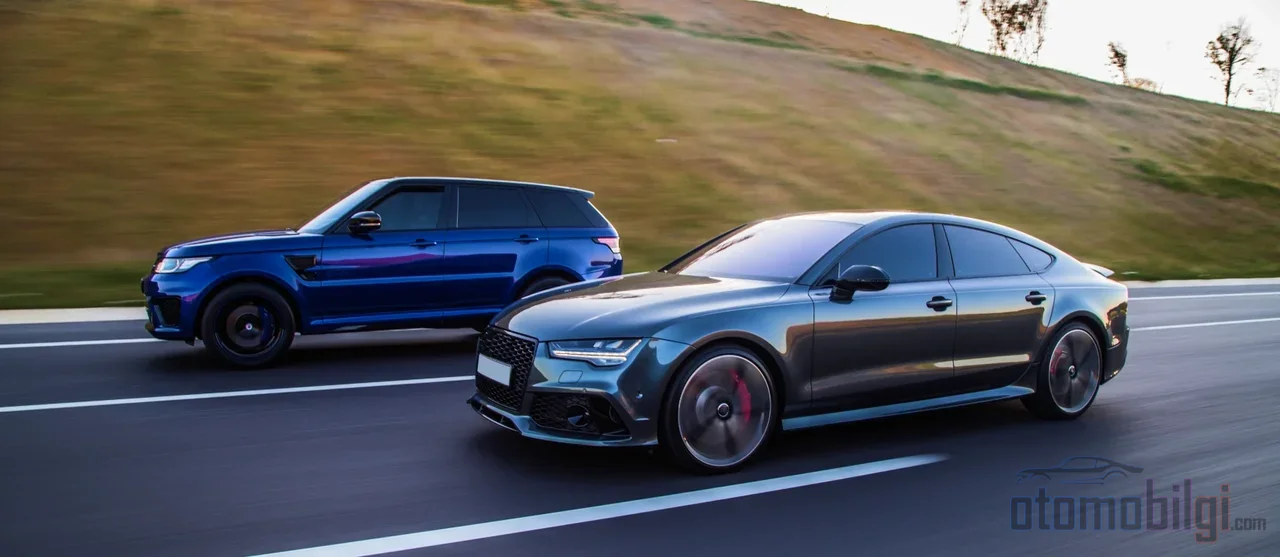
Those who have been in this business for many years most often point out the following detail: Color hardly changes the price tag on a used car listing; what it changes is how long it takes for the car to change hands. Neutral colors like white, gray, and black appeal to the vast majority of buyers; the phones start ringing as soon as the listing goes live. An orange, green, purple, or yellow car, however, has to wait for the right buyer - and that waiting period is the most effective mechanism that erodes the price. A listing that sits unsold for a long time loses its bargaining power; the seller is forced to accept a discount to close the deal. In short, the cost of a bright color isn't written on the sales listing; it's paid at the negotiating table.
Which colors find a wide pool of buyers?
In the past, white was the single dominant color in Türkiye's used car market; the commercial vehicle tradition and the marks the sun leaves on painted hoods fed this preference for years. In recent years, the picture has changed. In the first seven months of 2026, gray went clearly ahead in new car sales with a share of 41.6%; white follows it, while blue and red stay in the middle tier. With roughly 25,000 green vehicles, orange remains marginal at 1,576 units, and yellow at around 1,000.
| Color | Used market demand |
|---|---|
| White, black, gray | About 70% of buyers; the fastest-selling group |
| Dark blue, red | Moderate demand |
| Blue | Moderate demand; an 11.6% share in new cars |
| Green, brown | A shrinking pool of buyers |
| Orange, yellow, purple | The narrowest audience; selling time lengthens noticeably |
One nuance needs to be added to the picture: It cannot be said that brightly colored cars are disadvantaged under every circumstance. On some models - especially those with a strong sporty identity that appeal to a young buyer base - a bright color can make a difference and move the car a step ahead. On older models, by contrast, white still holds the position of an eye-catching color that facilitates the sale. The general rule is this: The smaller the gap between two cars, the more heavily the color decision weighs; between two cars with equal equipment and maintenance records, color determines the final choice.
Does an equipment difference pay a premium years later?
On the second-hand market, a price difference of 10-25% can emerge between the low and top trim versions of the same model. This difference is not distributed evenly across all features; some equipment is demanded by buyers and carries the car's price, while some spends its life without contributing anything to the seller. Being able to make this distinction right when buying the car makes the difference you will see in your wallet at the end of your ownership period.
Value-adding features
The most sought-after modern equipment in second-hand listings is fairly limited: reversing camera, parking sensors, lane keeping assist, and collision avoidance system. Since these are directly related to safety and ease of use, buyers move on to an alternative if they find them missing. On the multimedia side, the matter is even clearer: Apple CarPlay and Android Auto have become standard on post-2019 models, so they are no longer a premium factor in this age group; in contrast, in 2018 and earlier vehicles they remain a privilege that adds value. A large touchscreen and wireless charging are similarly, in the buyer's eyes, an indicator of the car's modernity. Top-trim vehicles are therefore advantageous on the second-hand market.
Heated seats, cameras: Expenses that pay back and those that do not
One of the questions buyers ask most often is whether extras such as heated seats or a reversing camera command an additional premium at sale. To be honest here: We do not have solid quantitative data on the separate premium rates of these specific pieces of equipment. What is known is that the camera and parking sensors are among the sought-after modern features; meaning the presence of this equipment keeps the car sellable, but no explicit price premium can be claimed for it.
The more critical distinction is this: Maintenance costs, insurance premiums, and later-added accessory expenses do not increase the car's resale value. These are ownership costs. Having your seats upholstered in leather, installing an expensive multimedia unit, or tinting the windows will not be taken into account by the buyer; the buyer does not see that money. The most common mistake is adding expenses you personally enjoy to the car's value - a calculation error anyone who has had a vehicle appraised knows closely.
Why is automatic transmission no longer determining demand on its own?
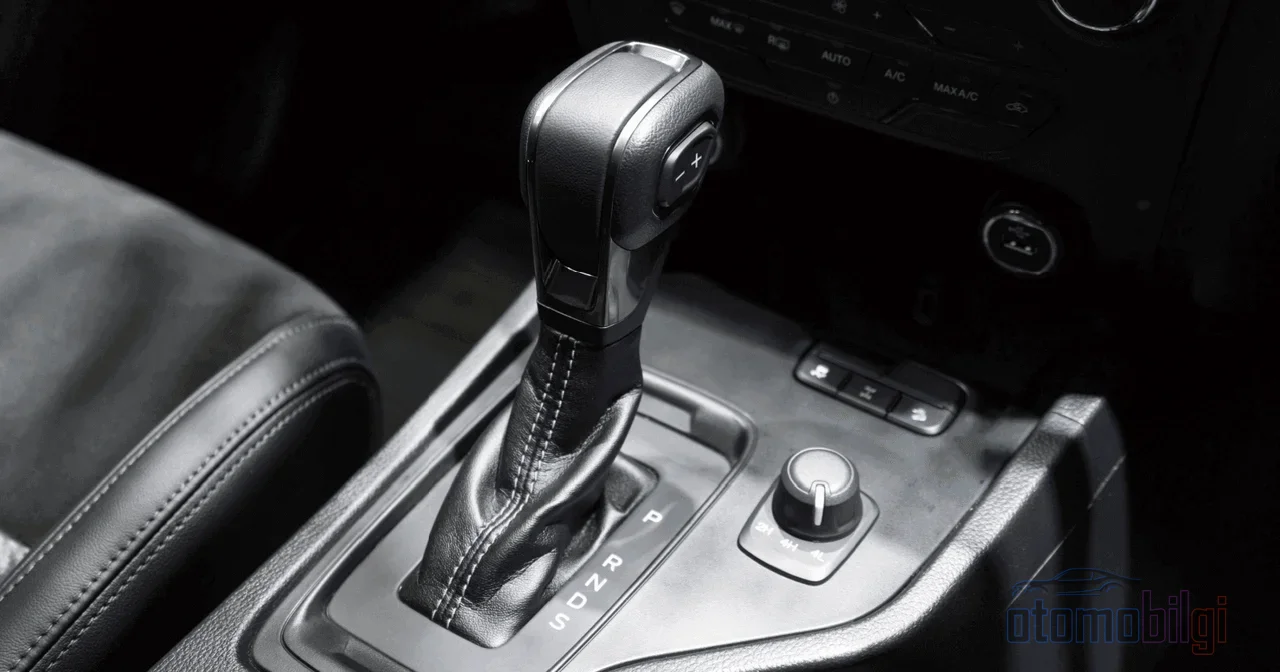
On this subject, the Türkiye of the last five years has reversed long-standing habits. In the past, manual transmission was praised for its economy: It was bought cheaper, maintenance was simple, and repairs were simple in case of failure. Now, in big cities, automatic transmission is almost a standard expectation; the number of buyers willing to struggle with a clutch in morning traffic decreases every year. Automatic transmission vehicles create an average price difference of 8-15% compared to their manual siblings.
The inside of this average varies by model. For example, in family sedans like the Toyota Corolla, the automatic-manual difference stays within the 5-8% band; in contrast, in upper-segment models like the BMW 3 Series, automatic is already considered standard, and the few remaining manual vehicles are sold at lower prices. The practical takeaway in a purchase decision is this: If you are buying a car in the popular segment, an automatic transmission is a choice likely to command a premium on resale day; a manual transmission, on the other hand, is a defensible choice only for long-distance-heavy use and tight budgets. An automatic transmission works efficiently in city traffic, and on long journeys the two types converge - so you need to match your purchase preference to the environment in which you drive.
Paint and damage records: The thing you do not know at the moment of purchase
As weighty as color and equipment - in fact even more so - is the vehicle's paint and damage history. Technically, a repainted car lowers its second-hand market value; even when the paintwork was done at your own initiative and no one is liable for compensation, the paint becomes a bargaining issue on sale day. The magnitude of the effect varies according to the type of record: Touch-ups are ignored in most appraisals, localized paint carries low impact, treated or filler-based paint has a noticeable effect, a full respray shows high impact, and a replaced panel is the heaviest record of all. While it is true that localized paint affects value far less than a major accident, it is also wrong to claim that localized paint causes no depreciation at all. The general consensus is simple: A car whose paint is completely original is always worth more.
When it comes to damage, the thresholds are clear. Frontal damage means roughly a 1-3% loss in value, medium-sized damage 3-8%, heavy damage 10-25%, and structural damage a loss of 20-40%. Reading the inspection report when buying is easier than factoring these figures into your account when selling. Moreover, the legal side has changed too: As of July 1, 2026, depreciation calculation switched from the long-used coefficient formula to the market analysis method. Following such regulations, which affect the loss you will suffer on sale day, means maintaining your responsibility even after the purchase decision.
Depreciation schedule: How much does your car erode over how many years?
The general framework behind color and equipment decisions is the car's natural depreciation curve. The steepest drop occurs in the first year; in subsequent years the curve softens. Mileage also bends this picture: An annual 12,000-18,000 km is considered the Türkiye average; vehicles between 100,000-150,000 km are exposed to an additional loss of 5-10%, and vehicles over 200,000 km to more than 15%.
| Age | Annual loss | Cumulative loss |
|---|---|---|
| 1 year | 20-30% | 20-30% |
| 2 years | 12-18% | 30-42% |
| 3 years | 10-15% | 40-52% |
| 5 years | 8-12% | 55-68% |
| 10 years | 4-7% | 75-85% |
The factors that slow this curve are also clear: regular documented maintenance, low mileage, a clean damage record, a popular color and trim, and a choice of brand-model with high liquidity. Since an average car changes hands roughly every 3 years, the conditions of the first three years are the practical test of ownership decisions. Also, the general course of the market should not be forgotten: When new car prices go up, second-hand prices follow them; in the 2026 second-hand market, the era when every car sold has ended - economically fueled, automatic-gearbox, and fairly priced cars change hands quickly while other cars wait.
The decision framework when buying: Which choice brings the money back, and which one goes to waste?
The aim of this article is to offer a lasting decision framework rather than current prices; because prices change, but logic does not. When buying a car, ask yourself the following questions:
- Color: Choosing a neutral color (white, gray, black) will not make you money, but it prevents a bargaining loss on the day of sale. A vibrant color is an acceptable choice if you plan to look after the car yourself; a risky beauty if you plan to sell in 3 years.
- Safety and current equipment: Equipment such as cameras, parking sensors, lane keeping, and collision avoidance has the highest chance of returning the money when the price difference is reasonable; because buyers look for them.
- Transmission: In city use, an automatic gearbox can bring an 8-15% premium on the day of sale; choose a manual transmission only for long-distance driving and in the face of a clear price advantage.
- Polish and accessories: Aftermarket leather upholstery, wrapping, and visual accessories give pleasure during ownership but find no return at sale. Look at them not as a "service" but as an "expense."
- Damage and paint records: The inspection report is more decisive than the options list itself. A car with clean records and original paint sells more easily than a top-equipped but retouched car.
As someone who has been watching this market for years, the summary is this: In the second-hand market, depreciation is determined not at the moment of sale, but at the moment of purchase. The right color, in-demand equipment, automatic transmission, and a clean record establish enough of a framework to carry the car through its first three years. The rest - the fashion colors, the top catalog package, the accessories added later - belongs to you during those three years and does not pass to the buyer on the day of sale.
Sources
- How Is Vehicle Value Calculated? A Comprehensive Guide - Trinkoto
- 7 Factors Affecting 2026 Second-Hand Car Prices - Otomerkezi
- Does Repainting Cause Vehicle Depreciation? Compensation Rights
- Local Paint - Otokoc
- What Is a Vehicle Equipment Package?
- The 'Every Car Sells' Era Is Over in the Used Car Market
- Should You Buy an Automatic or Manual Transmission?
- The Importance of Car Colors in the Used Car Market