How Do Youth Driver Programs Work in DTM?
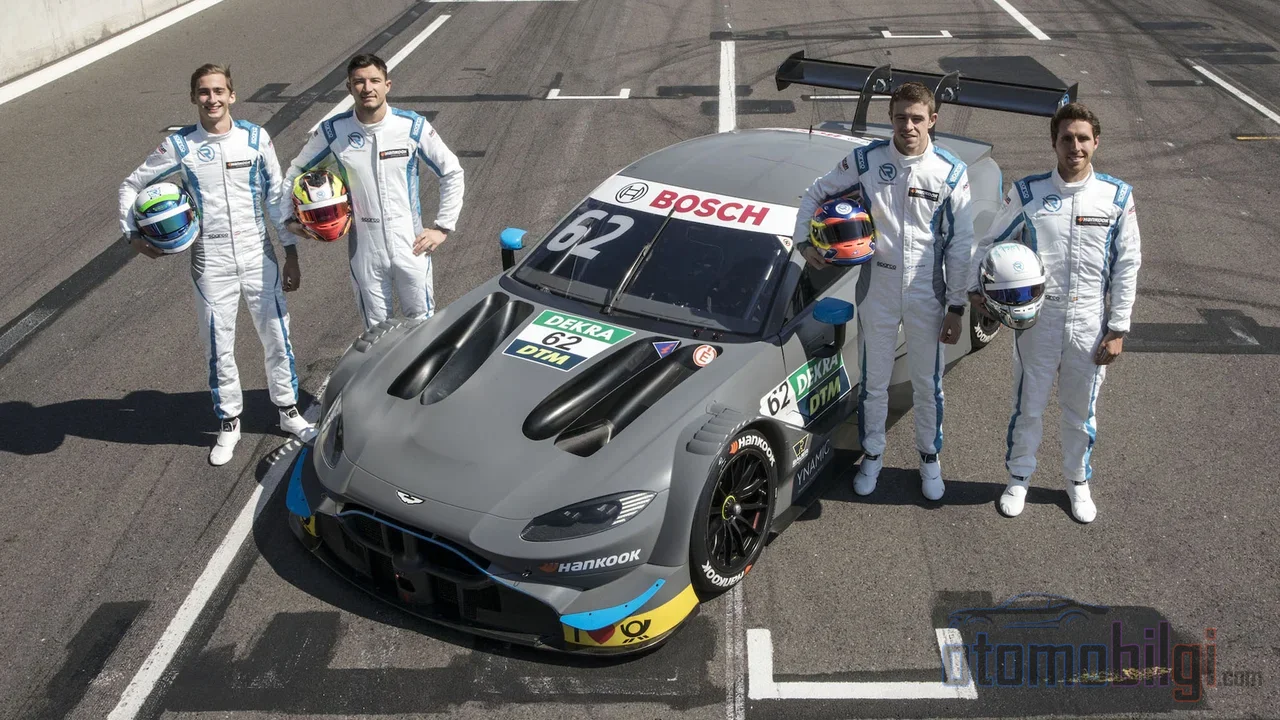
Just think about it: Behind every driver who takes to the track in DTM, there is a system most of us never see. We are not talking about the helmets we see on the track, but about the academies working behind the scenes that find, train and elevate them. When Pascal Wehrlein became DTM's youngest champion and moved to Formula 1, he was a product of this system; Marco Wittmann climbed the path to his two championships on the same machine. So how do Mercedes, BMW and Audi run this business, how much money flows into these academies, and where exactly does DTM stand in a young driver's career ladder? Let's take a look behind that curtain.
What Exactly Is a Young Driver Program?
In motorsport, a driver development program is a scouting and training system that carries talented youngsters from karting and lower formulas to top-level series. These programs, which typically embrace drivers aged 12-25, operate with multi-year contracts that contribute to a career's funding. Let's make an analogy from daily life: think of it like a sports club's youth academy, but instead of training hours, there are full-motion simulators, nutrition lessons and even psychotherapy.
But there is another side to the coin. These programs also serve as a lock: signing a talented youngster to a long-term contract prevents other teams from snapping him up. Some circles criticize this system for offering long-term, low-paying contracts and charging extra fees for facility and technology use; driver training companies generally do not finance young careers. So the system is both a door of opportunity and a commercial investment vehicle. This duality applies equally in the DTM world.
Highlights
- BMW's young driver tradition goes back more than 40 years.
- The Porsche Junior program provides scholarships of up to €225,000 per season.
- The 'Road to DTM' program's funding pool is €1.5 million.
- Wehrlein rose to Formula 1 as DTM's youngest champion.
- Young formula drivers completed 7,683 km of DTM testing in BMW's 2014 Jerez test.
BMW: Forty Years of School and the M Racing Academy
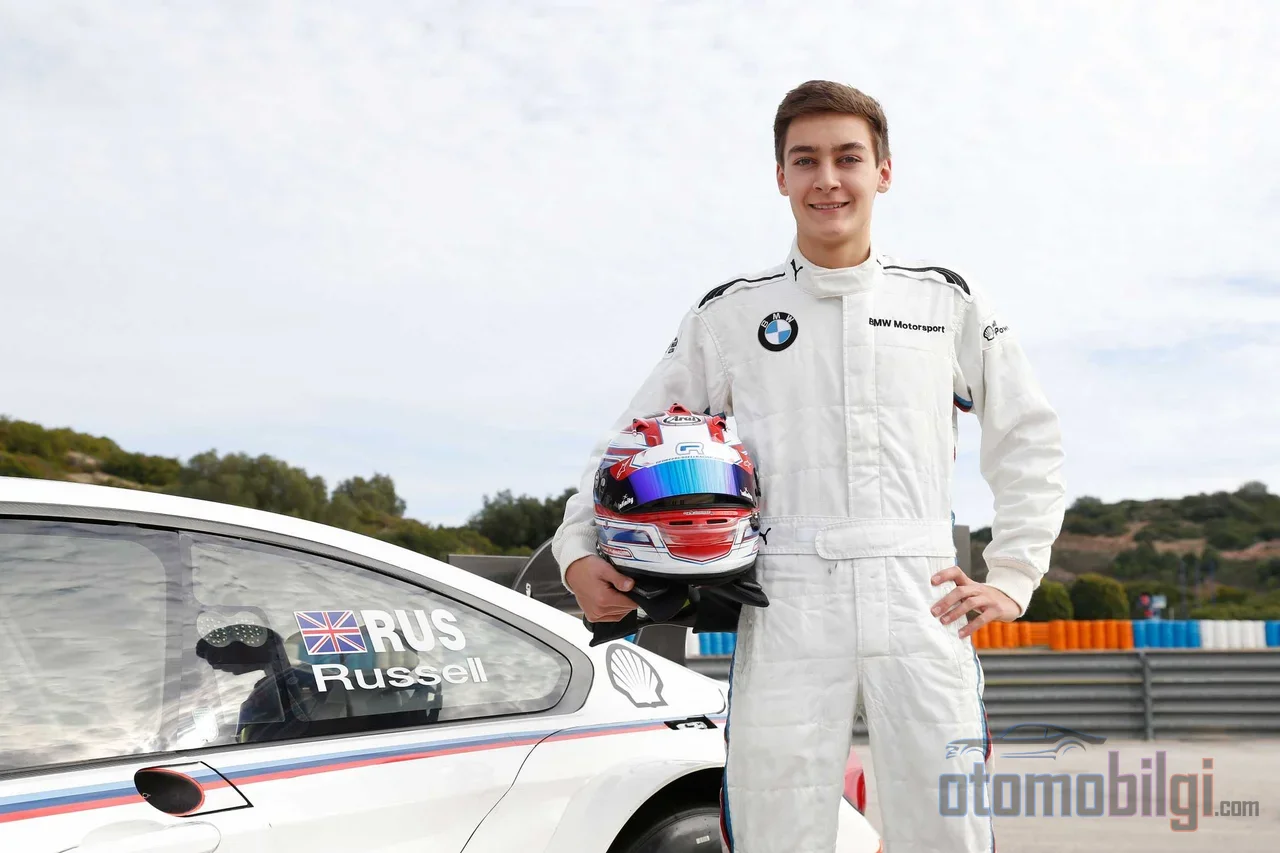
Among the three German giants, BMW is the most established in this field. Young driver support at BMW Motorsport is based on a tradition of more than 40 years. In the 2018 season, BMW Motorsport Junior names raced with the BMW M6 GT3 and BMW M4 GT4 while forming the backbone of a physical and mental training program. Selection is not left to chance either: some drivers are determined through mental and physical tests in a four-person invitational selection, and the winner earns the chance to race a full GT3 season in the Italian GT Championship.
How does the BMW M Racing Academy work?
Running since 2025, the BMW M Racing Academy is a support program dedicated to customer racing. The logic is simple but effective: a group of BMW M factory drivers provides intensive mentorship to selected young talents for one year. The content is truly comprehensive: setup coaching, data analysis and reporting; fitness and mental coaching with Formula Medicine; Training in the BMW M Motorsport simulator; PR and social media workshops and visibility on brand channels. In other words, the young driver is taught not just speed but the full toolkit of becoming a professional racer.
The application process is also transparent: Young drivers with experience in the BMW M4 GT4 or BMW M2 Racing apply online, are then invited to the selection process in Munich, and are evaluated by mentors and BMW M Motorsport representatives. The mentorship of the first cohort was undertaken by legendary BMW driver Bruno Spengler; in the selections held for the 2026 class, 12 candidates competed and three drivers were chosen from three different continents.
Jerez 2014: Welcome-to-DTM lessons
The most concrete example of how factory teams acclimate young drivers to the DTM took place in Jerez in December 2014. As part of preparations for the 2015 DTM season, during a three-day winter test BMW handed over four BMW M4 DTM cars both to factory drivers such as champion Wittmann, Spengler and Glock and to young formula names like Tom Blomqvist, Sam Bird, Alex Lynn and Robin Frijns. A total of 1,735 laps and 7,683 km were completed. The impressions from the test were striking: the car produces as much downforce as a single-seater formula car, but its weight and electric power steering pose the biggest adaptation challenges for those coming from formula. The DTM's technical closeness to formula series is also the reason names like Wehrlein can move back and forth between the two worlds.
Audi: From the Racing Academy to the F1 Program
Audi's young driver system is defined most clearly together with its goal: The Audi Sport racing academy was established to train young drivers and carry them to the highest level of the DTM in Germany or to the World Endurance Championship. The academy, with a capacity of up to six drivers at a time, has training consisting of two wings: academic components such as nutrition and communication lessons, alongside practical track training. In other words, Audi, like BMW, aims to shape the driver as a holistic professional.
Today the picture is somewhat broader: During the period when Audi entered Formula 1 as a factory team, it established its own Driver Development Programme under the direction of Allan McNish and introduced the program as a structure focused on performance, precision and long-term growth. This is a clear sign that the investment in grassroots talent is not limited to the DTM but spreads across the entire brand.
Mercedes: Those Who Judge the System by Its Results
On the Mercedes side, things work a bit differently. The brand does not have a DTM young driver academy bearing its own name with clearly defined structural details; instead, Mercedes' approach to young talent is read through its results. The historical reference is also strong: The first driver development program in Formula 1 was established in 1998 through the McLaren-Mercedes partnership, and the first roster included a 13-year-old Lewis Hamilton. Wehrlein's path with Mercedes to the DTM championship is considered the brightest output of this system.
This picture actually reveals an important truth: Getting a driver into DTM doesn't always happen through a brand academy; in some cases, the right driver entering the factory structure at the right time and being promoted from there to the top ranks does the same job.
Those Who Came Out of the Academies: Wehrlein and Wittmann
The best way to explain the system is to show the system's products. Pascal Wehrlein was born in 1994; after karting, he stepped into ADAC Formula Masters in 2010, finished his rookie season in 6th place, became champion in 2011, and moved to Formula 3 in 2012. He then reached the championship in DTM with Mercedes, taking the title of DTM's youngest champion ever. What followed is well known: he raced in Formula 1 in 2016-2017, and today he is a two-time world champion in Formula E with Porsche. In his F1 adventure, he became the only driver in Manor's history to score points.
Marco Wittmann, on the other hand, is the representative of the other model: the driver, born in 1989, advanced under Gravity's management throughout his junior career, finished the Formula 3 Euro Series twice in second place with Signature in 2010 and 2011, and joined the BMW factory structure, winning two championships in DTM. His goal in 2026 is a third DTM championship. Two names with formula origins reached the same point through two different brands: this is proof that the development system is not confined to a single mold.
How Much Are the Budgets and What Does the Comparison Look Like?
Money is the most curious aspect of this world, and clear figures are limited. Here is the concrete data we have: Porsche's Junior program offers a scholarship of up to 225,000 euros under a season-long contract, along with a comprehensive training package; the support can generally be extended up to two years, but covering the remaining budget is the driver's responsibility. The budget figures of the BMW and Audi programs have not been disclosed. The fact that driver development requires great time and cost explains why the brands place great value on early scouting: catching the right name young is an investment that can later be recouped through shares in salaries and brand deals.
| Program | Brand/Structure | Target Ranks | Known Budget |
|---|---|---|---|
| BMW M Racing Academy | BMW M (since 2025) | Customer racing, factory driving | Not disclosed |
| Audi Sport racing academy | Audi Sport | DTM and WEC | Not disclosed |
| Porsche Junior Program | Porsche Motorsport (since 1997) | Factory driving | Up to 225,000 euros per season |
| Road to DTM | ADAC (2026 program) | From karting to DTM | 1.5 million euro funding pool |
There is one more new player in this table: ADAC's Road to DTM program. For its 2026 lineup, Finn Zulauf, Denny Berndt, Lachlan Robinson, Michael Schrey and Jakub Kamenik were selected; in its third year, the program supports young talents with a funding pool of 1.5 million euros containing cash and prizes. The DTM team Comtoyou Racing has also brought driver development to the team level by establishing its own junior team.
What Did the GT3 Era Change for Young Drivers?
DTM's transition to the GT3-based era is the most critical breaking point of the development system. The impact of these new plans of the series on young drivers was a topic discussed with series head Gerhard Berger before the transition, and after the first year of the GT3 era, questions were raised about how functional it really was for young drivers. The reason makes sense: Since the GT3 platform is based on customer racing rather than bespoke factory-developed cars, the factory academies' direct pilot-development mechanism into DTM no longer operates as naturally as it once did. That is why it is no coincidence that the BMW M Racing Academy focuses on customer racing and series-centered programs like Road to DTM have come to the fore.
In summary: How Does the System Work?
The short and clear answer: The system that feeds pilots into DTM is built on brand academies discovering young drivers through scouting trials, training them with simulators and mentoring, giving them experience with GT cars, and carrying the successful ones to factory seats or to higher levels such as Formula 1 and Formula E. Wehrlein is the link in this chain extending from DTM to F1, while Wittmann is the reverse-direction proof of the path from formulas down to a DTM championship.
The lesson to draw for you is this: behind every young face you see on the grid on a DTM Sunday lies a discovery, selection, training and investment process spanning years. The system is not perfect; low-paid long contracts, budget deficits, and the new questions raised by the GT3 transition are always on the table. But one thing is clear: DTM is not only a series where stars race, it is a series where stars are made, and that production line keeps running every season.
Sources
- BMW M Racing Academy | BMW M Motorsport
- BMW Motorsport travels to Jerez de la Frontera for three-day DTM test
- Effective and individual: the 2019 BMW Motorsport Junior Programme
- WEC - Audi's new training program for young drivers
- Audi announce Driver Development Programme with Allan McNish as director
- Driver development program - Wikipedia
- Youth Development: Ready for a career in motorsport - Porsche Motorsport
- Pascal Wehrlein - Wikipedia
- 'Road to DTM' 2026 young talent programme: Five winners
- Did year one of DTM's GT3 era work for young drivers?