How to Assess Battery Health When Buying a Used Plug-in Hybrid?
Share This Page
When buying a second-hand plug-in hybrid, three signals are checked to understand battery health: the SOH percentage in the vehicle's own battery health report, the real electric range measured on a full charge, and regular service records. For a well-maintained hybrid that is 2-4 years old, a high-voltage battery at 85-90% SOH is considered normal; a permanent range drop and a continuous increase in fuel consumption, however, require serious inspection. Since warranties are automatically transferred to the new owner at most brands, the right tests performed before purchase significantly reduce both the mechanical risk and the budget risk.
Highlights
- For a well-maintained hybrid that is 2-4 years old, 85-90% SOH is accepted as the reference range.
- The typical electric range of plug-in hybrids is in the 24-48 km band on a single charge.
- Replacing a hybrid battery pack costs roughly $1,000-6,000 on common models.
- At most manufacturers, the battery warranty is at least 8 years/160,000 km and is automatically transferred to the second owner.
- Code clearing can reset the gauge readings; an independent SOH reading or range test is essential.
What Is SOH and How Reliable Is the Gauge?
SOH, or State of Health, is the percentage value showing how much of the battery's original capacity it can still hold. A plug-in hybrid's electric range depends entirely on this percentage: as capacity drops, the range shortens at the same rate. When a seller shows you an SOH value, the critical question is: where does this value come from and does it reflect reality?
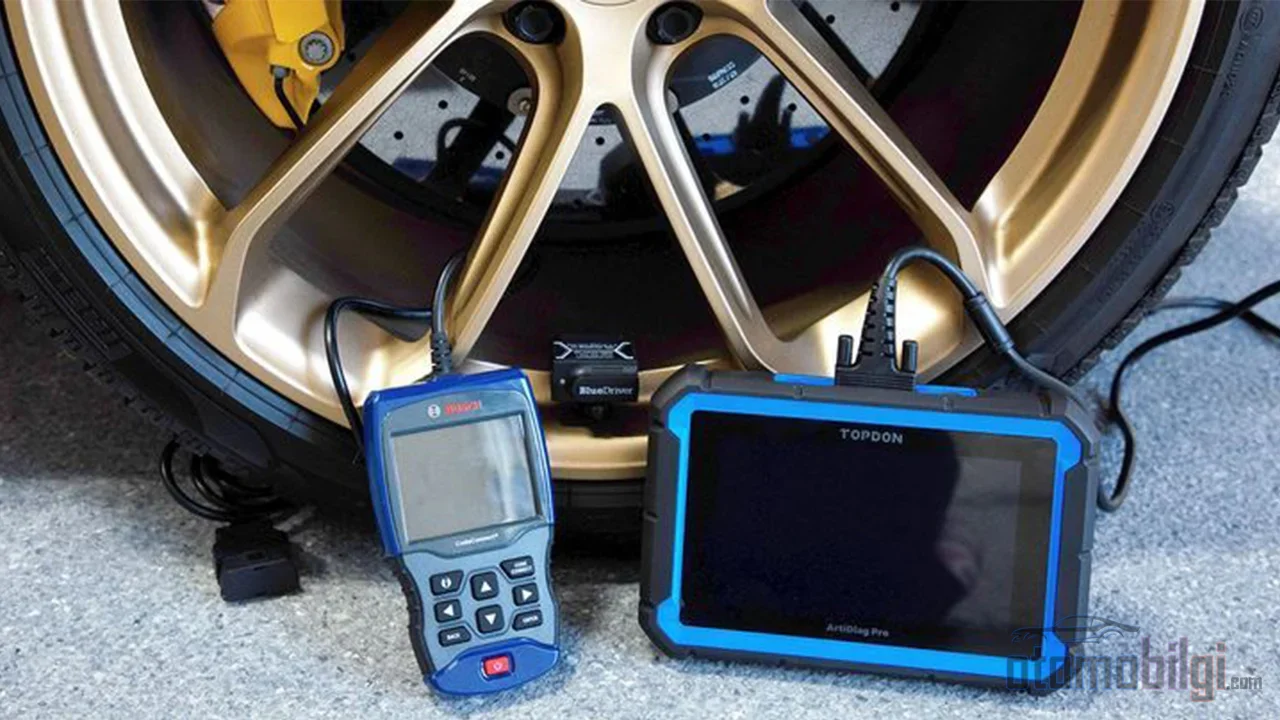
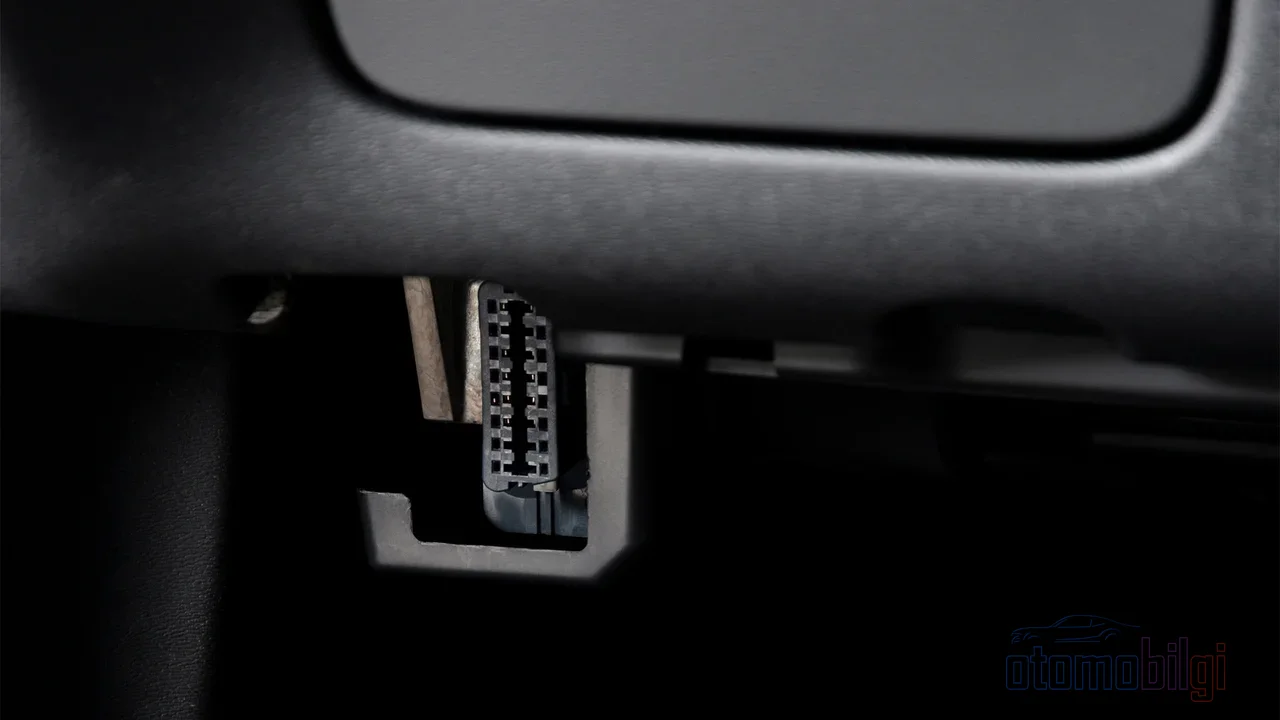
There are two separate schools of method here. The first method is to connect a scanner to the OBD-II port under the dashboard and read the data recorded by the battery management system; charge status, cell voltages, and similar parameters can be analyzed through this port. The second view is more cautious: it argues that the value read via OBD-II does not always give an accurate SOH measurement, and that the only reliable method is a range test performed by draining the battery as much as possible and measuring the energy consumed. In practice, the soundest approach is to use both together: the OBD reading gives the first signal, and the range test confirms it.
Independent services are also in play. Some testing organizations extract battery data while the vehicle is stationary on-site and produce a static report; such reports document how much energy the battery holds as a test result. Requesting such a report during the purchase negotiation turns the seller's percentage claim into verifiable data.
One warning is important from an engineering standpoint: gauge readings can be manipulated. If fault codes related to a malfunction are cleared, the battery health indicator can return to 100% and the range calculation essentially starts from scratch as if for a new battery. In other words, the shiny percentage you see on the screen guarantees nothing in a vehicle with cleared codes.On a vehicle with cleared codes, always verify the gauge reading with an independent measurement.
Range Test: Reading the Battery in Real-World Conditions
The reference point is simple: plug-in hybrids typically offer 15-30 miles, i.e. about 24-48 km of electric range on a single charge; this figure varies by model. To test, charge the vehicle to 100%, switch it to EV mode, and drive it on a city route with plenty of stops at speeds below 65 km/h. The distance covered until the battery is completely depleted is a more honest piece of data than the SOH percentage; because you measure capacity directly as a physical outcome.
Just don't immediately read low range as a fault. Electric range naturally decreases in highway driving and at temperatures below 4°C; lithium-ion chemistry slows down in the cold and cabin heating consumes energy. Dropping 10-15% below the expected value in a test conducted on a cold day is normal. A permanent, season-independent range drop, however, is a sign of a fault.
There are two more items you should add to the checklist during the test drive: the condition of the 12-volt auxiliary battery and the sensitivity of regenerative braking. All hybrids - mild, full, and plug-in - carry a 12V battery alongside the high-voltage package; this battery powers the computers and the startup of the high-voltage system. A weak 12V battery can prevent the perfectly sound main package from operating and is the most common cause of unnecessary battery replacement diagnoses. The inspection order should always start with the 12V.
Signs of a Deteriorating Battery: What Should You Notice, and How?
A hybrid battery is often not silent as it deteriorates. Hybrid system or battery-specific warning lights may appear on the instrument panel; battery faults frequently also manifest as the check engine light. Beyond these, the tangible signs detectable while driving are as follows:
- A significant and repeatable reduction in electric range.
- A permanent drop in fuel economy, not a temporary fluctuation; the system leans more heavily on the gasoline engine to compensate for the declining battery.
- Power loss and hesitant acceleration, especially during acceleration.
- Charging problems, irregularities in the charge indicator, and the battery cooling fan making unusual noises or running constantly.
Thermal management is a separate heading on this list. The high-voltage package generates serious heat; blocked ventilation channels or faulty fans amplify the problem. When inspecting the vehicle, check that the cooling system is working properly and that the air intake grilles are clean. A package's performance is only as good as its weakest module: an imbalance in a single cell group drags down the capacity of the entire package. That's why a competent diagnosis looks at load testing and voltage balancing data to catch inter-cell imbalance; a simple voltage measurement does not reveal this problem.
What Service Records Tell You and the Pre-Purchase Checklist
Battery health is not a single moment's measurement; it is the result of a history. Service records and any previous hybrid system checks are the cheapest way to put the battery's life curve into context. Evaluate mileage not only against the vehicle's age, but also against the battery's age: a low-mileage vehicle around three years old is the sweet spot for many buyers; but assuming this without comparing mileage to battery age would be misleading. Charging history also matters - especially the share of DC fast charging on the high-voltage battery and the overall usage pattern can accelerate aging.
Here is the concrete checklist to apply before purchase:
- Ask for the full service history and, if available, previous inspection records related to the hybrid system.
- Charge the vehicle to 100% and measure the real electric range in EV mode at city speeds.
- Get an independent SOH reading from the OBD-II port, or have a diagnosis done by a competent EV/hybrid technician.
- Test the 12-volt auxiliary battery and the sensitivity of regenerative braking.
- Ask whether there are signs of warning lights and error codes having been reset; if in doubt, do not trust the value after a code clearance.
- Verify with documentation the remaining duration of the battery warranty and the transfer conditions specific to your brand.
Do not underestimate this last item: experts recommend annual periodic battery diagnostics, because problems can be caught before they turn into costly repairs. The moment of purchase is the most sensible time to have the first diagnostic done.
Does the Warranty Transfer Remain Valid for the Second Owner?
The general rule is encouraging: hybrid and electric vehicle battery warranties are at the level of at least 8 years/160,000 km and are transferred to the second owner for the remainder of the coverage. Toyota took this a step further starting with the 2020 model year: the hybrid battery warranty was extended to 10 years from first use, and coverage passes to every subsequent owner free of charge for the remainder of the original time and distance limits. On the Hyundai side, there is a commitment that the battery will retain at least 70% of its original capacity for the duration of the warranty - which means a measurable performance condition for the used buyer. For Stellantis's 2026 series, the high-voltage battery warranty transfers automatically at the moment of sale; but the detail to note is that plug-in hybrid production has been discontinued in this series.
Of course, the picture can vary by brand. At some brands, it is known that second-owner warranties can be shorter than the original owner's; on some models, there is confusion over whether long hybrid battery coverage like 10 years/160,000 km is a standard factory warranty or a dealer add-on. The conclusion can be summarized in one sentence: confirm the transfer conditions not by words, but by looking at the manufacturer's documentation and the warranty record.
If the Battery Life Ends: Repair, Replacement and Costs
User data circulating for PHEV batteries shows life values of 100,000-200,000 miles (approximately 160,000-320,000 km); this is not a warranty figure but a real-world observation, and driving habits, climate, and maintenance can shift this duration. A battery that reaches end of life does not leave the driver stranded: the vehicle keeps running on its gasoline engine; only the electric range and fuel economy decline. Also take into account that a habit of always charging to 100% affects the lifespan of a PHEV battery; preserving usable capacity directly affects the vehicle's value on the second-hand market.
When its life ends, there are three paths. The first is a full pack replacement: the pack itself accounts for the largest share of the cost, and for common models the total amount falls roughly within the range of $1,000-$6,000. The second is module-level repair: faulty cells or modules can be replaced one by one; however, this usually only extends the pack's life temporarily. The third is reconditioning: by rebalancing cell voltages, the pack can be partially rejuvenated. Which path is economical depends on the vehicle's value and its SOH level; therefore, when making an assessment, looking at the report data as a whole is a more accurate approach than reducing battery health to a single percentage.
Conclusion: Measure, Compare, Document
The formula for reading battery health in a second-hand plug-in hybrid consists of three steps. Trust the measurement, not the gauge: Start with an OBD reading, and if necessary verify it with an independent SOH report or a range test. Interpret the range in context: cold weather and highway driving are natural causes of decline, not permanent loss. Document the warranty: confirm the coverage, transfer condition, and capacity commitment from the brand's own records. A buyer who completes these three steps can factor the battery risk substantially into the price and the decision - the rest only hope.
Sources
- Diagnosing and Correcting a Bad Battery in Hybrid Models - Midtronics
- What hybrid warranty coverage do I have on my Toyota? - Toyota Support
- Toyota Hybrid Battery Warranty Explained - North Hollywood Toyota
- Stellantis Hybrid & EV Battery Warranty Guide - Chrysler Warrantys
- What Is Hyundai's Hybrid Battery Warranty? - Capital One
- Car Warranty Coverage for Hybrid and EV Batteries - KBB
- Is a Plug-In Hybrid the Right Car for You? - Consumer Reports
- Are You Ready to Buy an EV? - Edmunds
- SOH Read-Out Report for Electric Cars - DEKRA
- Health State of the Battery (SOH) - AVILOO Whitepaper
- How to Read a Car Battery Life Report - Voltest
- What is a Battery Health Report for an Electric Car? - Carsa
- How to Check Battery Health When Buying a Used EV - Autotrader
- Signs of a Hybrid Battery Dying - AutoZone
- Hybrid Battery Replacement Cost - AutoZone
- Signs Your Hybrid Battery Might Fail Soon - The Hybrid Geek
- Why You Should Always Check Battery Health Before Buying - CarBuzz
- Used EV Buyer's Guide - Plug In America
- How To Buy A Used Hybrid Without Getting Burned - Jalopnik
- How to Check the Battery Health of a Used EV or Plug-In Hybrid - Eastside European
- How to Check Hybrid Battery Health: A Practical Guide - KMC Electric
- How to Check Hybrid Battery Health: A Comprehensive Guide - Exclusively Hybrid
- How battery health affects an EV's resale value - Optiledger
- Best Used Hybrid & Electric Cars 2026 - CoverageX
- Hybrid battery warranty confusion - Kia Forum
- Hybrid battery degradation - r/HondaClarity (Reddit)
- SOH reported by battery test - used Kia Niro PHEV 2020 (Reddit)
- How to determine your battery State of Health - Kia Niro Forum
- Track EV Battery Health - Recurrent