NiMH or Lithium-Ion? The Difference Between Hybrid Battery Chemistries
Share This Page
Hybrid cars use two main battery chemistries: nickel-metal hydride (NiMH) stands out for its durability, wide temperature tolerance and low cost, while lithium-ion offers more energy with less weight thanks to its higher energy density and extends the electric range. While NiMH is still common in full hybrids, lithium-ion is preferred in plug-in and long-range models.
Highlights
- Lithium-ion packs 250-300 Wh/kg energy density; NiMH is clearly behind in this area.
- NiMH retains most of its capacity in the cold; typical performance loss stays in the 10-20% range.
- Hybrid batteries usually come with an 8 years / 100,000 miles warranty; with some manufacturers this extends to 10 years / 150,000 miles.
- Replacement cost varies between 1,000-8,000 dollars depending on the model and chemistry.
- Full hybrids are not plugged in; the battery is charged through regenerative braking and the internal combustion engine.
NiMH or lithium-ion: what is the fundamental difference between the two chemistries?
The debate under the hood is actually a matter of engineering choice. A NiMH battery stores energy through the reaction between nickel oxyhydroxide at the positive electrode and a hydrogen-absorbing alloy at the negative electrode. This chemistry has been proven for years; its non-flammable electrolyte means a lower risk of fire, and its cost per watt-hour is below that of lithium-ion. The trade-off is weight and volume: a larger and heavier package is required to store the same amount of energy.
Lithium-ion's trump card is energy density, meaning the energy it carries relative to the battery's weight. Modern lithium packs reach 250-300 Wh/kg levels; with advanced chemistries this figure climbs even higher. In the hybrid context the practical meaning is clear: more energy at the same weight, meaning a longer electric range. In addition, lithium-ion handles fast charge acceptance better, which is critical for the constant micro-charging cycles of hybrid driving. The internal resistance difference also matters; lithium cells work more efficiently with lower internal resistance, which means the charge is written back into the battery faster.
| Feature | NiMH | Lithium-ion |
|---|---|---|
| Energy density | Low | Up to 250-300 Wh/kg |
| Weight and volume | Heavier and bulkier | Lighter and more compact |
| Performance in the cold | Retains most of its capacity | Range and charging speed drop |
| Safety | Non-flammable electrolyte | Thermal management is more critical |
| Cost | Cheaper per watt-hour | More expensive |
| Cell capacity | Approximately 2200 mAh | Approximately 1500 mAh (smaller and lighter cell) |
Care is needed regarding cycle life: in general consumer products NiMH lasts about 500 cycles while lithium-ion can exceed 1,000 cycles. The picture is different in hybrids; NiMH packs are designed to tolerate thousands of charge-discharge cycles under the hybrid usage profile, and real-world service life data confirms this. The fact that the figures vary by context also changes which chemistry comes out ahead in which environment.
Which manufacturer uses which chemistry?
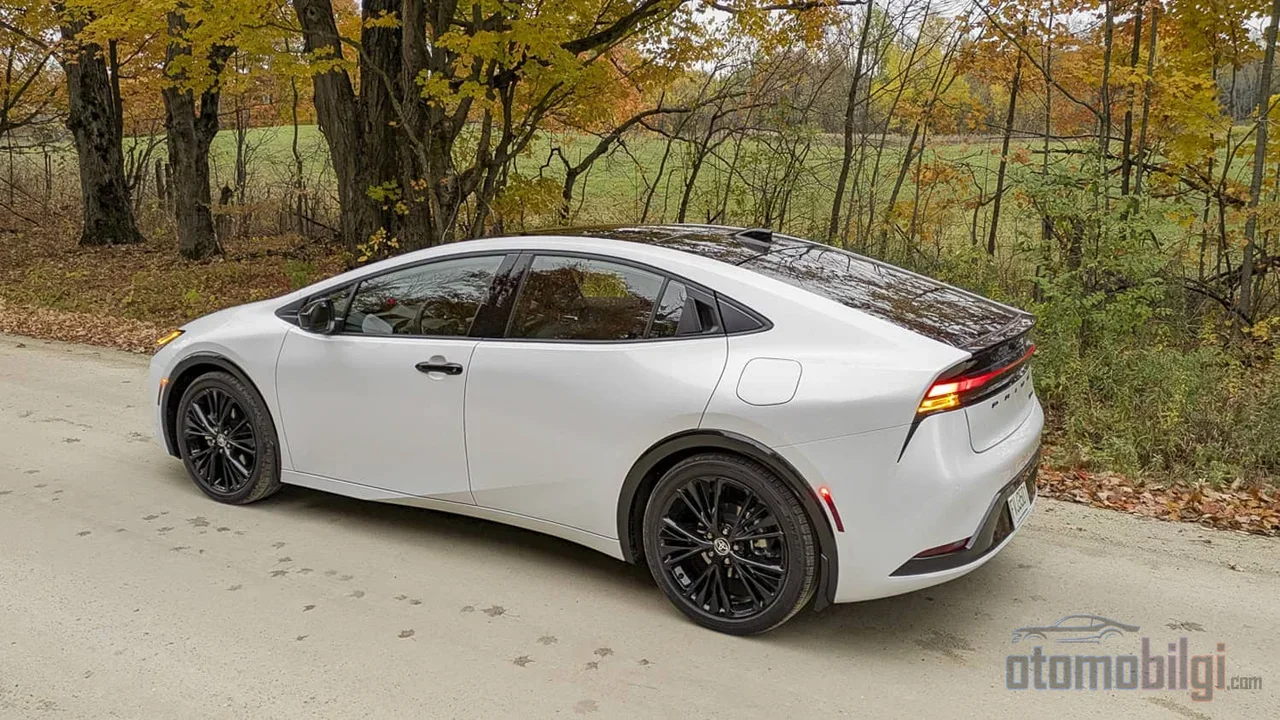
Toyota has not yet abandoned NiMH, the backbone of hybrid history. Prius mostly used NiMH modules; starting from the 2015 model year, some Prius versions began using lithium-ion while others used nickel-metal hydride. Lexus CT200h came with NiMH, Camry Hybrid carries NiMH in most markets. The 2023 Toyota Sienna Hybrid on the other hand uses a NiMH pack with 1.9 kWh capacity at 288 V - seeing this choice in a modern model is no coincidence. Toyota's approach is clear: in full hybrids (HEV), NiMH balances cost and fuel economy, while lithium-ion is reserved for electric and plug-in models.
Ford follows a similar line. Ford hybrids are historically known for using NiMH, and these packs are 100,000-150,000 miles designed to last. There is a similar example of this preference on Toyota's side as well: in new-generation hybrid trucks, NiMH was chosen over lithium; the reasons cited are lower cost, proven reliability, and more predictable behavior in cold weather.
The logic can be summarized as follows: if the distance you can travel on electricity is small - that is, if the battery plays a supporting role - NiMH's durability and price win. If electric range is the main selling point, lithium-ion is essential to maximize energy per unit of weight.
How do cold and hot weather affect the battery?
The difference here is the most tangible driving experience difference between the two chemistries. NiMH retains a large portion of its capacity in freezing conditions; typical performance loss 10-20% stays around. A lithium-ion hybrid, on the other hand, may show range drop, reduced performance, and slower charging when left out in the cold. A critical technical detail: cold weather does not cause permanent damage to the battery. The vehicle's computer limits the output and input power of the hybrid system until the battery warms up; this protection does not shorten the battery's life, it is only a temporary performance effect.
The situation reverses on the hot weather front. While NiMH's non-flammable electrolyte carries less risk at high temperatures, thermal management is a critical part of lithium-ion design. On the other hand, battery thermal system design and air conditioning improvements can measurably increase cold weather performance; in new-generation vehicles, the chemistry's cold weather disadvantage is partially offset by software and hardware.
How does charging logic work in full hybrid and plug-in hybrid?
To understand the difference between NiMH and lithium-ion, it is essential to know the hybrid type. A full hybrid cannot be plugged in; the battery charges itself through regenerative braking and the internal combustion engine. A plug-in hybrid, however, is plugged in, charged at home or at work, and offers long electric range thanks to its large lithium pack.
Regenerative braking is the common dynamo of both worlds. When braking, the electric motor turns into a generator, and the energy of deceleration is written back to the battery instead of being lost as heat; with friction braking, this energy is lost entirely. In stop-and-go traffic, regenerative braking makes a meaningful contribution to battery charging, especially in Ford hybrids. Lithium-ion's low internal resistance comes into play here: the same regeneration is stored faster and more efficiently in a lithium pack. In a full hybrid, keeping the small battery charged is sufficient; regeneration does not recover energy on a large scale as in EVs, it maintains balance.
Battery lifespan, warranty and replacement cost
The lifespan picture is reassuring for both chemistries. Hybrid batteries on average serve at least 10 years or 100,000-150,000 miles ; total battery failure is rare. High-voltage packs generally last well beyond 100,000 miles and operate for 8-15 years along with most of the vehicle's life. Degradation measurements support this too: large-scale vehicle data analysis shows an average 2.3% capacity loss per year, and a battery reaching the end of its life, if it has not failed, can retain at least 70% of its initial capacity. Extreme temperatures, frequent fast charging and deep discharge cycles are the main accelerating factors.
On the warranty side the standard is clear: most hybrid batteries are covered for at least 8 years / 100,000 miles ; at some manufacturers this extends to 10 years / 150,000 miles. The federal minimum warranty is set at 8 years/100,000 miles; some regions have more generous arrangements.
Replacement cost spans a wide range: the general framework $1,000-8,000 varies depending on the model, battery type and the choice between dealer and independent service. Examples by model: Ford F-150 at $3,450-3,750, Chevrolet Silverado 1500 at $1,680-1,800, Honda Accord at prices starting from $4,250 . At Toyota dealers, replacement is commonly in the $4,000-6,000 range and higher on larger models; independent services can offer cheaper solutions.
What battery is in my car and what does that mean for me?
To answer this question clearly, it is enough to check the model year and trim. Example: in a 2015 or later Prius, either chemistry may have been used; Sienna Hybrid definitely carries NiMH, and so does the Lexus CT200h . The owner's manual or the battery label inside the trunk is the fastest way to verify.
We can list the practical implications as follows:
- If you own a NiMH vehicle: You have more predictable performance in cold winter conditions, lower fire risk, and a long-term proven pack. In return, the electric range is short and there is a weight penalty.
- If you own a lithium-ion vehicle: You gain longer electric range, more efficient regeneration and a lighter pack. The price paid: temporary range loss in cold weather and dependence on thermal management.
A final warning: fitting a lithium pack into an NiMH hybrid, while a popular topic discussed on forums, carries technical risks due to differences in cell voltage profiles and charge management; it is not a ready-made swap, it is an engineering project.
Conclusion: which chemistry is right for whom?
In the chemistry race there is no winner, only the right match. A full hybrid user - that is, a profile with short electric range and charging handled entirely within the vehicle - benefits from NiMH's low cost, safety, and stability in cold weather. A plug-in user or the owner of a long-range hybrid with a lithium pack, on the other hand, needs energy per unit of weight, fast charge acceptance, and efficient regeneration; at that point lithium-ion is the only sensible option. Warranty coverage not dropping below 8 years/100,000 miles shows that the long-term risk in both chemistries is borne by the manufacturer. Whichever chemistry your battery uses, regular use, protection from extreme heat, and avoiding unnecessary deep discharges are the common recipe that extends life in both.
Sources
- NiMH vs. Li-ion Hybrid EV Batteries - A3 Global
- NiMH Battery vs Lithium-Ion: Differences, Lifespan, Safety & Best Choice - Evlithium
- How Do Hybrid Electric Cars Work? - AFDC / energy.gov
- Lithium-ion vs. nickel-metal hydride: Toyota still likes both - Green Car Reports
- Toyota Still Favors Nickel-Metal Hydride Batteries for HEVs - SAE Mobility Engineering
- Lithium-Ion vs NiMH Hybrid Batteries: Which Fits? - HybridEVEngineering
- Hybrid Battery Health: 7 Pro Tips - KBB
- How Long Do Hybrid Car Batteries Last - Mazda USA
- How Much Does It Cost To Replace a Hybrid Car Battery? - Synchrony
- Toyota Hybrid Battery Replacement: Real Costs, Options, 2026 Guide - GreenTec Auto
- EV Battery Health: Key Findings from 22,700 Vehicle Data - Geotab
- Impact of Cold Ambient Temperatures on BEV Performance - energy.gov