How Much Does Winter Cold Reduce the Electric Range of Plug-in Hybrids?
Share This Page
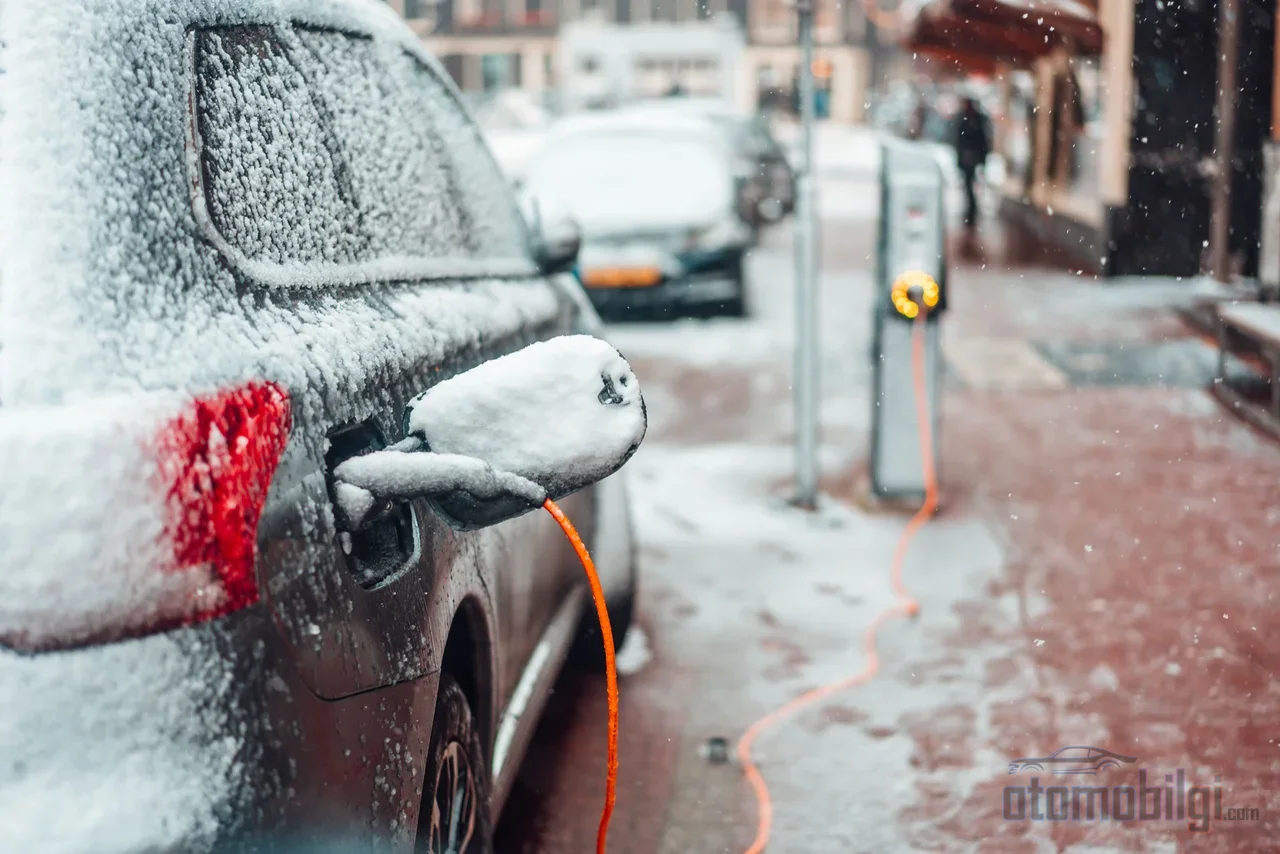
Cold weather typically cuts the electric range of a plug-in hybrid vehicle by 20 to 40 percent; meaning a PHEV that delivers 50 kilometers in mild weather can drop to around 30-40 kilometers in sub-freezing conditions. Most of the loss doesn't come from under the hood, but from the cabin: electric heating consumes the battery directly, and cold battery chemistry makes the job even harder. The range loss is temporary and can be largely recovered with the right measures.
Key Takeaways
- With cabin heating on at -6°C, range loss can reach as much as 41%
- Using heated seats and steering instead of cabin heating improves efficiency by 7-8%
- A heat pump can boost range in cold conditions by 8-10%
- Preconditioning delivered a 5-7% efficiency gain in three EV tests
- Cold weather does not cause permanent damage to the battery; range returns to normal in mild weather
How much electric range does a plug-in hybrid lose in winter?
To be honest about the figure, there is no single answer; there is a band. At temperatures near freezing, typical loss falls in the 20-30 percent band, while in the worst conditions it can climb above 40 percent. In standardized dynamometer tests, range dropped by an average of 41% at -6°C with cabin heating on; a vehicle delivering 100 units of range fell to 59 units. Large-scale real-world data is somewhat more optimistic: at freezing temperatures, vehicles retain an average of 70-78 percent of their range, with differences between models varying from 16 to 46 percent.
There are two important distinctions when transferring these figures to a PHEV. First, most of these studies were conducted on fully electric vehicles; since a PHEV's electric range is short, the same absolute loss corresponds to a smaller loss in kilometers in practice, even if the percentage is similar. Second, a PHEV has a backup in hand: a gasoline engine: when the electricity runs out, the vehicle keeps going and can shift the heating load to the engine. Real-world observations from owners also fit this framework - a PHEV offering around 80 kilometers of electric range in mild weather drops to the 48-72 kilometer band in winter.
Two separate sources of loss: cabin heating and battery chemistry
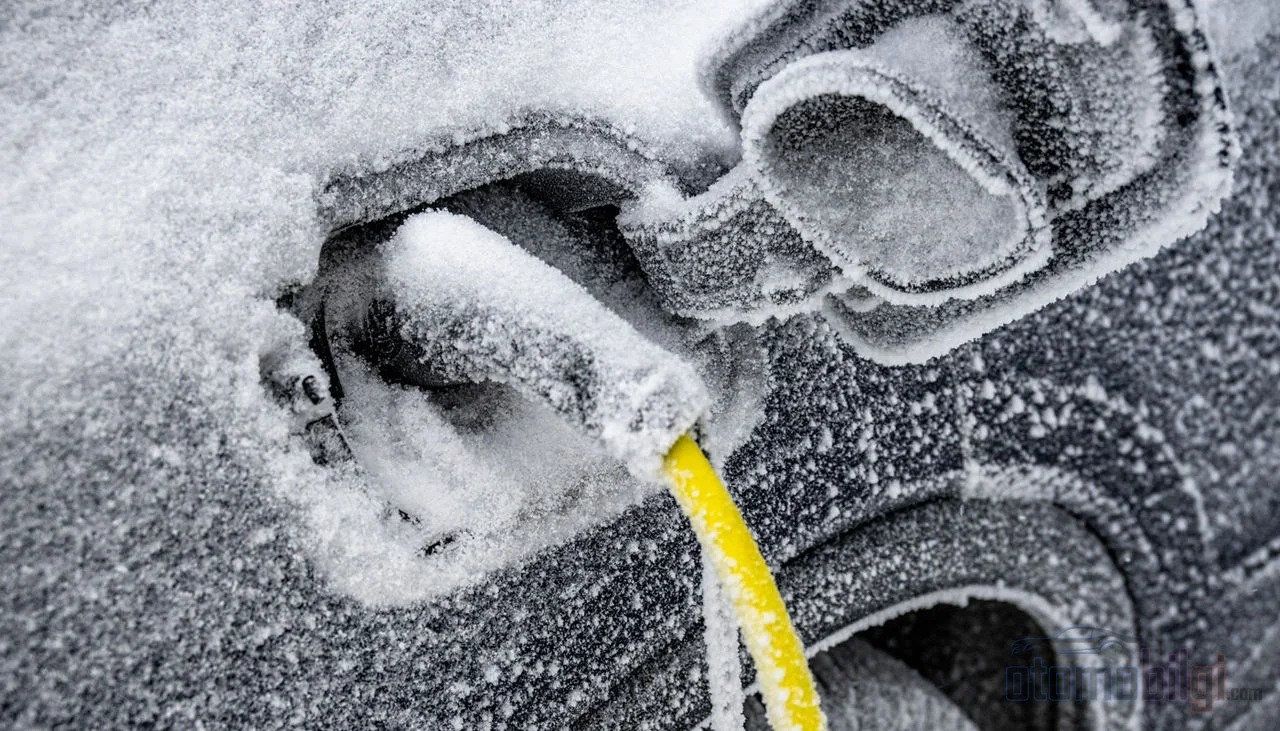
Attributing the range drop to a single cause would be a misdiagnosis. Two separate mechanisms are at play, and they work so differently that they cannot be compared with each other.
Cabin heating: the main culprit of the loss
In a gasoline vehicle, 12-30 percent of the energy produced by the engine is lost as heat, and this waste heat is used as free cabin heating. An electrically driven vehicle, on the other hand, converts about 80 percent of the energy carried by the battery into motion; there is no waste heat to be had. When you want to heat the cabin, you draw energy directly from the battery. This is also why the biggest drop occurs in test data: in cold weather tests, the main factor in the loss is the heating system, and cold conditions with the heating on consume noticeably more energy than mild reference conditions.
A concrete example for a sense of scale: cabin heating in cold weather creates a significant additional energy cost per distance, and even lowering the cabin temperature by a few degrees is directly reflected in the range. On the other hand, an extreme method has been measured - turning off the air conditioning and heating entirely and using only the heated seats and steering wheel increases efficiency by 7-8 percent. However, test drivers found the cabin too cold to be comfortable; this method is not recommended for daily use.
Battery chemistry: the unavoidable part
Energy production in a lithium-ion battery relies on chemical reactions, and these reactions slow down as the temperature drops. The electrolyte changes its viscosity in the cold, ion movement becomes harder, internal resistance increases, and discharge voltage drops. The result: even though the battery has the same capacity, it offers less usable power and energy. Below 5°C, this effect is known to be a factor explaining 25-40 percent of the range loss, and this portion does not completely disappear with driver decisions - but technologies such as heat pumps and preheating the battery compensate for it significantly.
The charging side is affected by the same wave: lithium-ion batteries reach their most efficient charging speed at an ambient temperature of around 20-25°C. Charging slows down in the cold, and preheating the battery before fast charging can save 20-30 minutes.
Summer and winter consumption difference: comparison with figures
The comparison table clarifies how conditions change PHEV behavior:
| Condition | Electric range effect | Note |
|---|---|---|
| Mild weather (reference) | 100% | The condition closest to the PHEV's catalog value |
| Around freezing point | 70-80% is retained | Average observation band |
| -6°C with heating on | Drops to as low as 59% | Worst-case scenario, test condition |
| Hot weather (approximately 27-38°C) | Between 69-97% | Air conditioning load is less than heating; in extreme heat, losses of up to 31% can be seen |
| Hybrid (non-PHEV) winter consumption | 22.8% drop in fuel economy | Measured compared to mild weather |
The situation is milder on the hot side: average range loss is around 3 percent at about 27°C, and around 5 percent at 32°C; it only increases noticeably in extreme heat above 38°C. So for a PHEV, cold is a noticeably harsher season than heat.
Practical ways to reduce range loss
Even though the chemical part of the loss is out of your hands, it is largely possible to keep heating-related consumption under control. In order of importance:
- Preconditioning while plugged in. Heating the car and preparing the battery while it is connected to the grid pays the heating cost before setting off from your home outlet rather than the battery. In vehicles using the scheduled departure feature, a 5-7 percent efficiency increase and more than ten miles of additional range have been measured in tests.
- Spot heating instead of heating. Keeping the cabin temperature low and prioritizing the heated seats and steering wheel provides the same comfort with far less energy.
- Heat pump. Compared to a resistive heater, it can increase range by 8-10 percent in cold conditions; a piece of equipment to look for when choosing a vehicle.
- Parking in a garage. Spending the night in a warmer environment ensures the battery is in better condition in the morning.
- Charging while warm. Charging in the cold both slows down and becomes inefficient; it makes sense to plan charging while the battery is warm.
- Leaving it at 50-60 percent charge for long-term parking. This is also the right strategy for battery health.
- Grouping errands. The cabin cools down with every door opening, and reheating consumes extra energy from the battery; turning short errands into one long trip preserves range.
Does cold weather cause permanent damage to a PHEV battery?
The short answer: no. Cold temporarily slows down the reactions in the battery; when temperatures become milder, range returns to normal. An even more interesting detail is that the chemical reactions slowed by the cold also slow down heat-related aging - meaning that in the long run, cold climates can be considered advantageous for battery life compared to high-temperature climates. The risk of permanent damage mainly arises in high temperatures and in cooling problems such as restricted airflow. There is also a more cautious view that only prolonged, extreme cold exposure may slightly affect performance over time; this does not change the main rule, but it once again highlights the garage advantage in very harsh winter regions.
Is a PHEV a sensible choice in a cold climate?
Compared to fully electric vehicles whose electric range shrinks even more in winter, the plug-in hybrid has a structural advantage in cold climates: electric driving for short distances, and for long trips and extreme temperatures, the range and heating backup offered by the gasoline engine. When electric heating rapidly drains the battery, the vehicle can also engage the gasoline engine to heat the cabin faster - this is not a malfunction, it is behavior designed into the system. On the consumption side, an efficiency drop in the range of 5-15 percent to 20-40 percent can be expected in hybrids and PHEVs in winter; in a PHEV, part of this drop occurs not in the electric range but in the gasoline engine, which kicks in more frequently.
The conclusion can be summarized like an engineering calculation: winter loss is real, measurable, and largely manageable. Preconditioning while plugged in, prioritizing heated seats, a garage, and smart charging timing can reduce a loss that can reach 40 percent down to the 15-20 percent range in practice - and even if no precautions are taken, when spring arrives the range brings back the lost kilometers on its own.
Sources
- Icy Temperatures Cut Electric Vehicle Range Nearly in Half
- AAA Study Reveals Temperature Impacts on EV and Hybrid Performance, Efficiency and Costs
- How much does EV range drop in winter?
- Best EV for Winter & Cold Weather Range
- Study: How Much Heat Pumps Boost EV Range
- Cold Temperatures Affect an Electric Vehicle's Driving Range
- How Do Hot & Cold Temperatures Affect EV Range?
- EV driving range drops in the winter. Can new materials help?
- How EV Winter Performance Has Improved in 2026
- Tips to Drive a Plug-in Hybrid Car in Winter
- How can I maximize my electric vehicle's range during winter?
- Range Rover PHEV Winter Range in Connecticut
- Winter consumption: electric car vs. hybrid vs. petrol
- Hybrid vs Plug-In Hybrid: Which Is Best For MN Drivers?
- Does Cold Weather Damage Toyota Hybrid Batteries?
- Does Cold Weather in Canada Harm Hybrid Car Batteries?
- How Long Do Hybrid Batteries Last
- Winter EV Range Loss: What's Really Happening
- A comprehensive review of lithium-ion batteries in EVs
- Lithium-Ion Batteries under Low-Temperature Environment