How Long Does a Hybrid Battery Last? Health, Warranty, and Replacement Cost
Share This Page
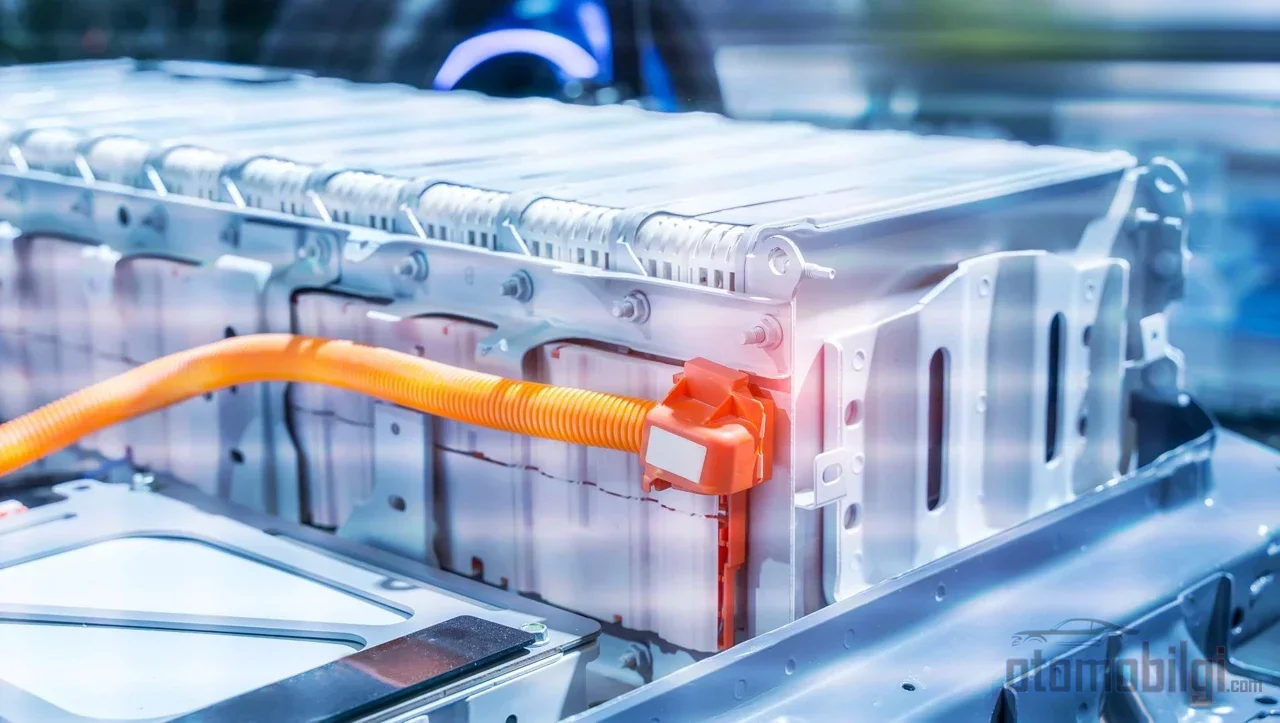
Hybrid batteries last on average at least 10 years or 100,000-150,000 miles (approximately 160,000-240,000 km); many estimates push this range up to 200,000 miles. The battery is designed to last the lifetime of the vehicle, and major manufacturers provide a separate battery warranty of at least 8 years / 160,000 km. This guide explains the factors that determine lifespan, warranty coverage, and out-of-warranty replacement costs with clear figures.
Key Highlights
- Typical battery lifespan: 10-15 years / 160,000-320,000 km estimates point to this range.
- Legal warranty baseline: for plug-in hybrids 8 years / 128,000 km; in some states 10 years / 240,000 km.
- Replacement cost roughly in the 2,000-8,000 US dollars range; the average including labor is around 5,000 dollars.
- NiMH cells can reach up to 200,000 miles with minimal degradation.
- The biggest enemy of lifespan: frequent deep discharge and extreme heat.
How long does a hybrid battery last?
It is difficult to give a single definitive answer to this question, because there is not yet a long-term study covering the entire hybrid fleet. Educated estimates point to the range of 160,000-320,000 km (100,000-200,000 miles) . It is accepted that today's hybrid batteries last on average at least 10 years or 100,000-150,000 miles. For a driver averaging 16,000 km per year, this means the original battery comfortably completes a decade of ownership; heavy users can wear out the battery in 5 years, while light users can exceed 10 years.
The single biggest factor affecting battery lifespan is how often the pack undergoes deep discharge. Material aging also plays a role, but it progresses more slowly. For this reason, manufacturers use the battery in only a portion of its capacity, preventing both very deep discharge and full charge; thus the cells never actually touch the lower and upper limits of their capacity.
How important are charge cycles?
Every battery is manufactured with a limited number of charge cycles. Developers are working to bring EV and hybrid batteries to 1,000 full charge cycles; when this target is reached, lifespan is expected to rise to approximately 15 years . In practice, since hybrid use splits cycles into small portions, real-world life can be longer than the raw cycle count implies.
Full hybrid or plug-in: does the charging difference affect lifespan?
The two types place different loads on the battery. A full hybrid charges its own battery while driving: the gasoline engine and regenerative braking continuously feed energy back, so there is no need to plug in. A plug-in hybrid, on the other hand, charges its larger battery from a home outlet or public station and takes most of its electric range from the plug. On the plug-in side, the legal warranty baseline is therefore drawn more clearly: for plug-in hybrid and electric vehicle batteries, a minimum of 8 years / 80,000 miles warranty is mandatory under emissions legislation; in states that follow California's air quality rules, this period is applied as 10 years / 150,000 miles .
How do hot and cold weather affect the battery?
Extreme heat is the most damaging condition for a hybrid battery. High temperature leads to thermal stress, increased self-discharge, and accelerated degradation; it can significantly shorten the lifespan of lithium-ion cells. When a cell overheats, permanent damage can even occur. That is why most vehicles have a thermal management system for the battery pack; still, parking the car in the sun for hours in summer slowly erodes the pack's lifespan.
Cold weather, on the other hand, affects momentary performance rather than lifespan. Battery capacity drops in the cold, meaning you may feel the hybrid system operating with less electricity that winter. In NiMH chemistry this drop is relatively mild, typically 10-20% range. Looking at general electric vehicle data, range can decrease by 10-40% in cold climates due to the extra energy spent on cabin and battery heating; in hybrids the effect is milder because the gasoline engine kicks in.
Is regenerative braking good or bad for the battery?
There are two different views under this heading, and although they seem contradictory, they complement each other. In industry practice, normal regenerative braking is not considered harmful to the battery; the recovered energy is sent back to the high-voltage pack and can extend the pack's overall lifespan by reducing deep discharges. As a bonus, it also largely eliminates brake pad wear. In contrast, an academic study found that the charging current resulting from long-term regenerative braking is one of the leading factors in battery degradation, regardless of current intensity. In practice the picture is this: in daily use, regenerative braking is a net gain, but when the system is set very aggressively, the continuous charging load placed on the cells creates fatigue that cannot be ignored in the long run.
NiMH or lithium-ion: does the chemistry difference affect lifespan and cost?
Older-generation and some current hybrids still use nickel-metal hydride (NiMH) batteries; newer ones mostly carry lithium-ion. The two chemistries have different lifespan profiles.
| Feature | NiMH | Lithium-ion |
|---|---|---|
| Cycle endurance | More tolerant of charge cycles | Longer cycle life |
| Example endurance | Up to 200,000 miles with minimal degradation | Long life in general use |
| Temperature tolerance | Better; cold-related drop of 10-20% | More sensitive to thermal stress |
| Energy density | Lower | Higher |
| Cost | Lower initial cost | Better value in the long run |
| Environmental impact | Greater impact over the life cycle | Relatively smaller impact |
Opposing views also exist: according to one government assessment, NiMH packs lose lifespan due to thermal effects while lithium packs can be longer-lasting. Therefore it is appropriate to read the table not as an absolute win-lose, but according to vehicle type and climate conditions. In environmental life cycle analyses, NiMH batteries show a significantly greater environmental impact compared to lithium-ion.
How long is the warranty and what does it cover?
Battery warranties on some brands go beyond the vehicle's general warranty. Notable examples:
- Toyota: a 10-year / 150,000-mile limited warranty for the hybrid battery; this exceeds the federal requirement and takes effect from the date of first use.
- Hyundai: covers hybrid components for the same 10 years / 100,000 miles as its powertrain systems.
- Honda: high-voltage lithium-ion batteries are under an 8-year / 100,000-mile limited warranty.
- The general picture: most major manufacturers 8 years / 160,000 km offer a separate battery warranty of around this level.
The good news applies to second-hand buyers too: these warranties are usually transferable to subsequent owners. If you're buying a high-mileage hybrid, the coverage may not be exhausted; still, the smartest move is to include battery diagnostics in the pre-purchase inspection.
If the warranty is over, how much does a replacement cost?
An out-of-warranty battery replacement is expected to fall roughly in the 2,000-8,000 US dollars band. The main variable determining the price is whether an OEM new battery or a refurbished pack is chosen. Most estimates from service centers fall between 1,000 and 6,000 dollars; some can go up to 6,000 dollars. An average estimate including labor comes to 4,856-5,053 dollars or so, with labor running 422-619 dollars per job. For plug-in hybrids, costs can exceed 10,000 dollars due to their larger packs; for conventional (non-plug-in) hybrids the band usually stays between 2,000 and 10,000 dollars.
A model-based example also clarifies the picture: Toyota Prius a do-it-yourself battery purchase costs 1,000-4,500 dollars; professional installation adds another 500-1,200 dollars on top. Since professional installation provides safety, expertise and warranty assurance, working on your own with a high-voltage system is a job that requires experience. In the UK market the same job runs in the 1,000-6,000 pound band; because hybrid batteries are smaller than fully electric vehicle batteries, replacement is usually cheaper. The most reassuring point is this: battery replacement is a rare occurrence, and if the battery is still in good condition, it is far more economical than replacing the vehicle.
What can a driver do to preserve battery health?
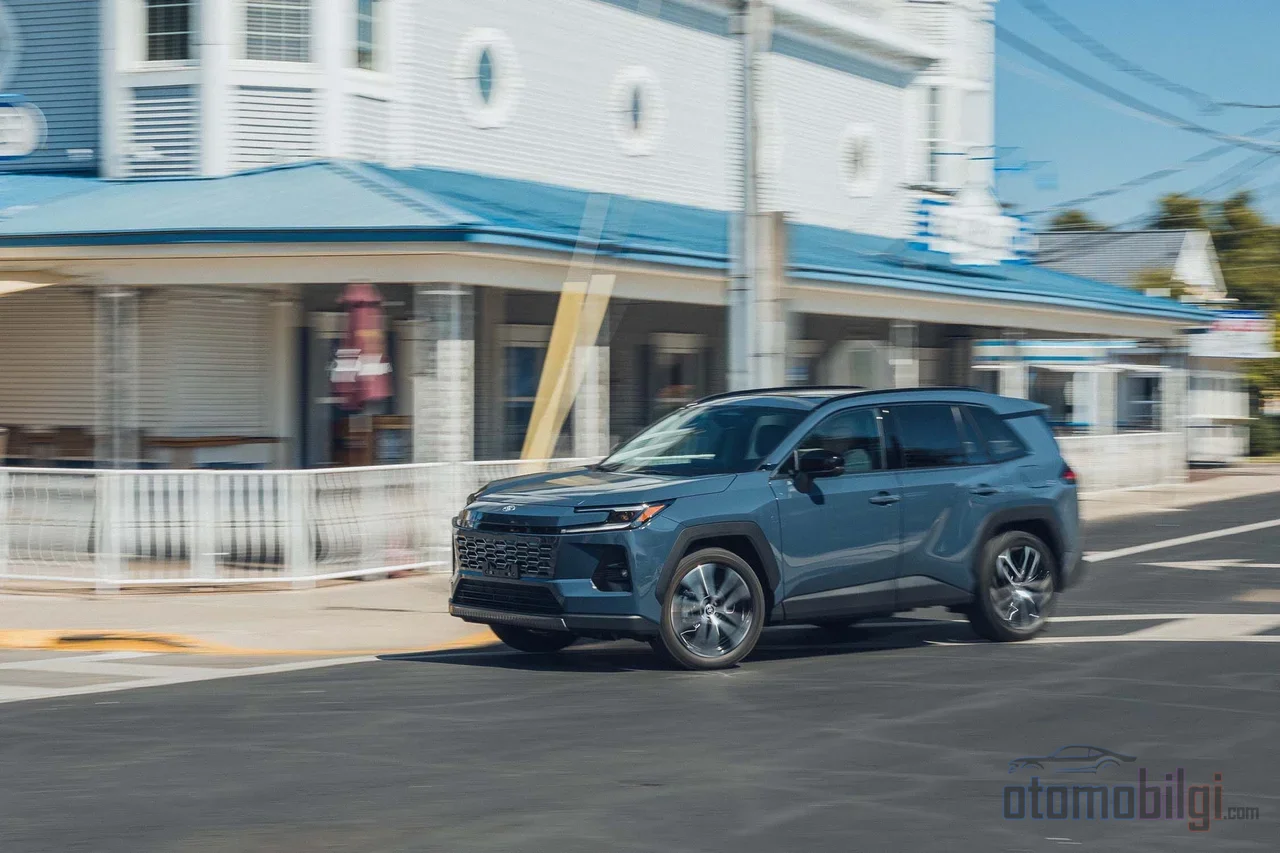
There is no single ingredient for extending its life; a few simple habits do most of the job:
- Keep the vehicle in a mild garage away from the sun; minimize exposure to extreme heat and cold.
- Avoid charging to a full 100%; experts generally 20-80% recommend keeping it in this band.
- Use the vehicle regularly. It is officially recommended to run the vehicle in "Ready Mode" for about 30 minutes roughly every 15-20 days to keep the battery charged.
- Drive smoothly: press the accelerator gently, stay at moderate speeds, and benefit from regenerative braking with gentle braking.
- Have the battery health checked regularly.
How does a malfunction show itself?
Battery degradation usually makes itself felt before the warning light comes on. Fuel economy drops, the electric side of the hybrid system engages less, the battery gauge never reaches full or reads incorrectly. The most obvious sign is the warning light and the corresponding fault code. Since in hybrids the electric motor starts the gasoline engine, the vehicle not starting at all can also be a harbinger of high-voltage pack failure.
In short: the hybrid battery is not an expense to be feared, but a possibility to be planned for. With warranties and lifespan figures that comfortably exceed ten years, in today's hybrids the battery completes the majority of the vehicle's life without issues; nevertheless, protecting it from heat, keeping it in the mid-charge band, and using it regularly are three simple habits that can push back the possible replacement day by years.
Sources
- What's the Average Life of a Hybrid Car's Battery?
- How Long Do Hybrid Batteries Last?
- How Long Does a Hybrid Battery Last?
- Toyota Battery Warranty
- Hybrid Battery Health: 7 Pro Tips
- Hybrid Battery Cost: What You Need to Know
- Hybrid High Voltage Battery Replacement Cost Estimate
- How long does a hybrid battery REALLY last?
- NiMH vs Lithium-Ion Batteries for Toyota Prius
- Effect of Regenerative Braking on Battery Life
- Comparative Life Cycle Environmental Impact Analysis of NiMH and Li-ion Batteries
- Toyota Tips to Maintaining Battery Life
- Plug-in Hybrid vs. Hybrid Cars