Is It Sensible to Use a Hybrid Car for Short Distances?

6 kilometres to work in the morning, 3 kilometres to the market in the evening, 5 kilometres to school on the weekend. A usage profile that does not exceed 6,000 kilometers per year in total raises the most common question in the mind of a driver thinking about buying a hybrid car: In a vehicle where the engine barely warms up, how much of the fuel savings promised by the hybrid system is actually realized? The question seems simple, but the answer is hidden in four separate technical headings: engine warm-up, battery charge level, regenerative braking, and an unexpected cost item on the maintenance side.
Why Does a Hybrid Motor Run Less Efficiently When Cold?
No matter how smart the brain of the hybrid system is, there is an internal combustion engine inside it, and this engine goes through a warm-up process just like in gasoline vehicles. When the coolant is below 40°C, the engine may run at a higher idle speed - around 1,200 RPM - and its efficiency is low during this period. The electric motor smooths the initial movement, but when the gasoline engine kicks in, physics is the same: the engine cannot run at its best efficiency until the metal parts expand and the oil reaches every corner.
The critical point here is that hybrid systems usually do not run the engine for no purpose. During a cold start, the engine comes into play to heat up the coolant, the catalytic converter, and the cabin heating; this short-term operation is normal. Most Ford hybrid models automatically warm up the gasoline engine during a cold start; this both protects the engine components and allows the cabin temperature to rise faster. Also, since hybrids can use electric heaters, they may be faster at cabin heating and defrosting than some gasoline vehicles.
The Right Routine for Warm-Up: Neither Long Idling Nor Harsh Starts
Swinging to either extreme when it comes to warm-up is wrong: neither flooring the gas on a cold engine nor idling in place for minutes. Prolonged idling leads to inefficient fuel burning and carbon buildup. In very cold weather - such as minus 20°C - engine oil thickens like honey and struggles to lubricate the parts; at the same time, the chemical activity of the lithium-ion battery drops, reducing power output and efficiency. Under these conditions, an aggressive start increases engine wear and puts unnecessary strain on the battery. To compensate for this, the system tries to return to optimum performance by heating the battery with engine heat.
The practical routine is as follows: Above 0°C, a short wait of 30 seconds; between minus 10 and minus 20°C, 60-90 seconds is enough. Then, keeping the RPM below 2,000 and warming up in motion over the first 3-5 kilometers is more efficient than stationary idling. Rather than turning the cabin heater on full, choosing the seat and steering wheel heaters first shortens the extra operating time of the gasoline engine for the cabin.
Highlights
- Waiting 30-90 seconds on a cold engine is enough; long idling burns fuel and builds up carbon.
- With gentle braking, recovery of up to 60% of the energy is possible; with harsh braking, this rate is only 8%.
- A hybrid battery typically offers electric range of under 1 mile; short trips don't drain it, they charge it.
- Most hybrid sedans achieve over 45 mpg, hybrid SUVs over 35 mpg - roughly a 40% improvement compared to their gasoline counterparts.
- Short-trip driving may require shortening oil change intervals.
What Happens to the Battery on Short Trips: Does It Drain, or Does It Charge?
The most common concern about short-distance driving is that the battery will drain on small trips and leave the system entirely dependent on the gasoline engine. The technical reality says exactly the opposite. Standard hybrids that don't plug in run on gasoline alone and cannot be charged with a plug; the battery recharges itself through braking and, under certain conditions, gliding at low speed. So short-trip driving doesn't drain the battery - on the contrary, it works the other way, because it constantly offers opportunities for braking. Even if you don't use the vehicle for days, this cycle isn't disrupted: how full the battery is depends on braking and driving conditions, not on frequency of use.
On the range side, expectations need to stay realistic. A standard hybrid's battery usually provides range of only under 1 mile, and even that is only possible if EV mode is selected or the car is driven very slowly. For drivers who want to increase the electric motor's share on short trips, the real tool is regenerative braking, not the stored energy in the battery.
How Much Energy Does Regenerative Braking Recover on Short Trips?
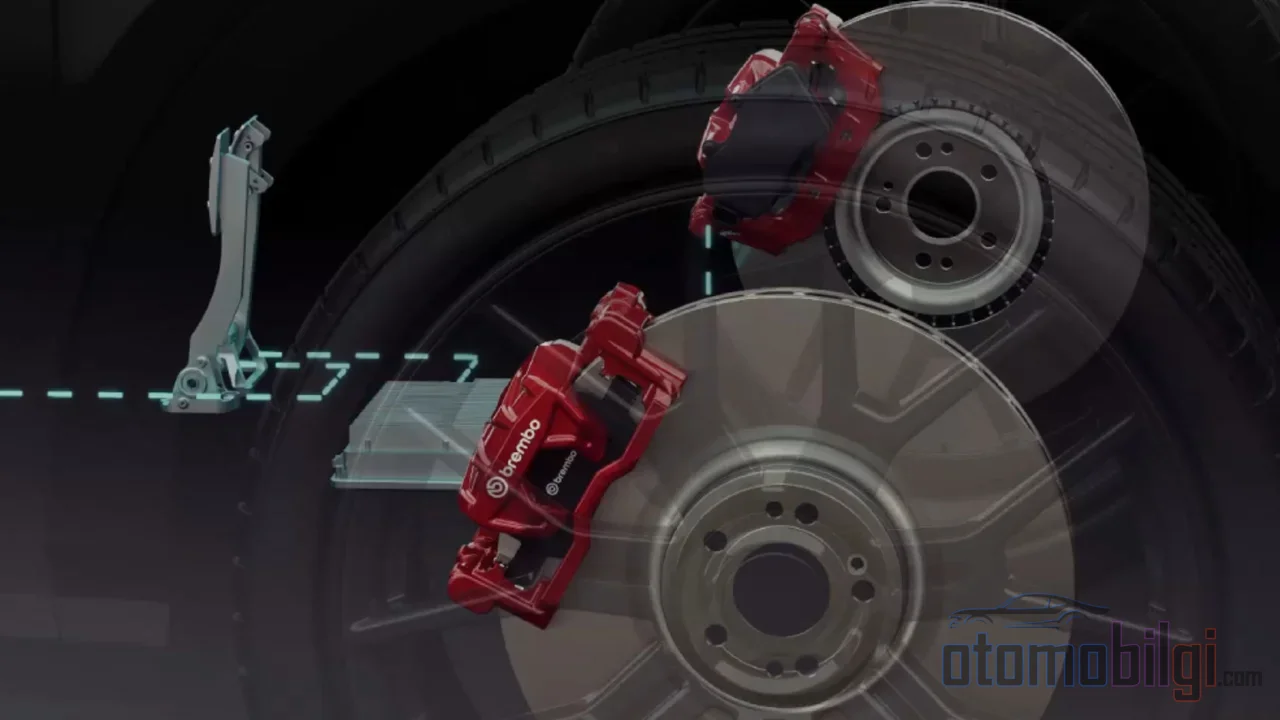
Regenerative braking is the system that sends the vehicle's kinetic energy back to the battery, and it works precisely where short trips - stop-and-go traffic - are strongest. In dense urban stop-and-go traffic, constant braking provides more energy recovery and keeps the battery charged; enough energy can be recovered for a few extra kilometers per trip. Even in cold weather conditions, regenerative braking continues to charge the battery.
There is a striking measurement showing how much the ratio depends on the driver: with gentle braking, up to 60% of the energy can be recovered in hybrid vehicles, while with hard braking that figure drops to only 8%. The right strategy is clear: anticipate traffic early, keep the car at a steady pace, and brake gently. Even on a 5-kilometer trip, your approach to the brake pedal is the biggest variable determining the electric motor's real share of that trip.
The Hidden Cost of Short Trips: Catalytic Converter and Oil Health
The fact that a hybrid's fuel side suffers almost nothing from short trips doesn't mean the mechanical side says the same. The most critical component is the catalytic converter: its proper operation depends on reaching a certain temperature, and short trips rarely reach that temperature; as a result, harmful emissions increase. Excessively dense low-speed short-trip driving can lead to catalytic converter failure over time; the most common failure type is loss of efficiency.
The oil side is subject to a similar calculation. When the engine doesn't stay warm enough, moisture and fuel residue can accumulate in the oil on short trips; frequent start-stop cycles can lead to early wear and sludging in hybrid engines - the oil's chemical structure breaking down and solidifying. Some drivers who mostly take short trips observe that their vehicles' oil life indicators drop far below the normal value; this is a sign that the system is monitoring the oil's actual condition.
How Should the Oil Change Interval Be Set?
In standard hybrids, the normal oil change interval is typically 10,000 miles or 12 months; the typical recommendation for Toyota hybrids is 0W-16 or 0W-20 full synthetic oil. However, if the engine never reaches its warm operating temperature, this schedule doesn't apply: short-trip-heavy use falls under what manufacturers define as "severe service" conditions, and oil changes must be performed much more frequently. There's also a time-based rather than distance-based math to consider: since the engine in a hybrid runs for roughly half the distance traveled, the debate over whether to tie oil changes to kilometers or hours matters precisely for this reason. If your mileage is low but your number of starts is high, you have to accept that the oil needs to be changed based not on kilometers but on engine running hours and temperature cycles.
How Much Real Fuel Savings on Short Distances?
Let's look at concrete figures. Most hybrid SUVs achieve 35 mpg, and most hybrid sedans score above 45 mpg; that's roughly a 40% improvement over their gasoline counterparts. Cold weather lowers these figures - the battery takes longer to warm up, the gasoline engine runs more to heat the cabin, cold air increases drag, and tire pressure drops, raising rolling resistance - but this decline applies to all vehicles, and hybrids still deliver better consumption than conventional gasoline vehicles even in the cold.
For short-trip savings to spread across the board, checking three silent consumers is essential: long idling, tire pressure, and cabin heating. These three are factors that can quietly upset the consumption balance of a 5-10 kilometer journey. Plug-in hybrids play in a different league: thanks to their batteries, they can reduce consumption to as low as 3 liters per 100 kilometers and typically offer an electric range of 15-50 miles; for example, the Lexus NX 450h+ promises 37 miles of EV range with a combined rating of 36 mpg.
| Driver Profile | Best Option for Short Trips | Basic Rationale |
|---|---|---|
| Daily 2-10 km, fixed and predictable route, charging access available | Fully electric | Since the route stays within EV range, the engine never experiences warm-up problems |
| Daily 5-15 km, no charging access | Standard hybrid | The most efficient system in stop-and-go traffic, without any charging infrastructure hassle |
| Daily short trips + occasional long trips, charging available | Plug-in hybrid | 15-50 miles of electric range moves short journeys entirely onto electricity |
| ~6,000 miles per year, 5-minute commute | Hybrids make sense with proper maintenance | Fuel savings persist; the only item needing adjustment is the oil change interval |
Should a Short-Distance Driver Buy a Hybrid or a Full EV?
Let's honestly address the opposing view: aren't hybrids unsuitable for short trips? Because the engine never reaches temperature, the catalytic converter loses efficiency, moisture and fuel residue build up in the oil, and frequent starts create wear - these facts describe the mechanical cost of short-trip use and were covered above as the maintenance effect. On the other hand, it is equally true that the battery is not harmed by short trips - in fact, thanks to regenerative braking, it charges the most on them. So the accurate version of the claim is this: short trips strain not the hybrid's battery, but its maintenance schedule.
The full electric alternative changes this picture completely. For those with easy charging access who mostly drive short, predictable routes, an electric vehicle is a sensible choice; since the internal combustion engine is eliminated, the debates about warm-up, catalytic converters and oil disappear along with it. Full EVs are offering 250-400 miles of range in 2026. For those who want better fuel economy without charging infrastructure headaches, the standard hybrid remains the most efficient system in stop-and-go driving.
Conclusion: A Clear Answer for 5-10 Kilometer Journeys
Using a hybrid car for short distances is a sensible choice when approached with the right expectations. The battery is not harmed by short trips; on the contrary, stop-and-go traffic charges it through regenerative braking; with gentle braking habits, the electric motor's share of the journey can be increased significantly. The fuel savings are real and measurable: approximately 40% improvement compared to its gasoline equivalent, remaining valid even in cold weather. The only real cost you will encounter is not mechanical but financial - it lies in the maintenance schedule: shortening the oil change interval in a short-trip profile where the engine cannot run warm, and ensuring the catalytic converter occasionally reaches its own temperature with a longer journey, is the small but essential engineering discipline of hybrid ownership. If your daily route is entirely short and predictable, and you have charging at home, also seriously consider a full EV - but without charging infrastructure, the standard hybrid remains a vehicle that defends itself exceptionally well on short trips.
Sources
- The 3-Minute Winter Warm-Up: A Hybrid Owner's Guide
- Are Hybrid Cars Good In Cold Weather?
- Are Hybrids a Smart Choice Right Now?
- Hybrid Electric Cars
- Friction and Regenerative Braking Shares Under Various Conditions
- What is Regenerative Braking in Hybrid Cars?
- Regenerative Braking In Ford Hybrids
- Why Short Trips Can Be Hard on Your Engine
- Catalytic Converter Problems
- 6 Common Hybrid Car Problems
- Do Hybrids Need Oil Changes?
- Best 2026 Toyota Hybrid for Commuters
- Pros and Cons of Hybrid Cars
- Hybrid vs. Plug-in Hybrid Cars
- Should I Get a Hybrid or an EV
- Hybrid vs Electric vs Gas
- 20 Hybrids with Best Gas Mileage for 2026 & 2027
- 6 Rules for How to Heat a Hybrid Car Properly