Nick Tandy and the Art of Switching Brands in GT3
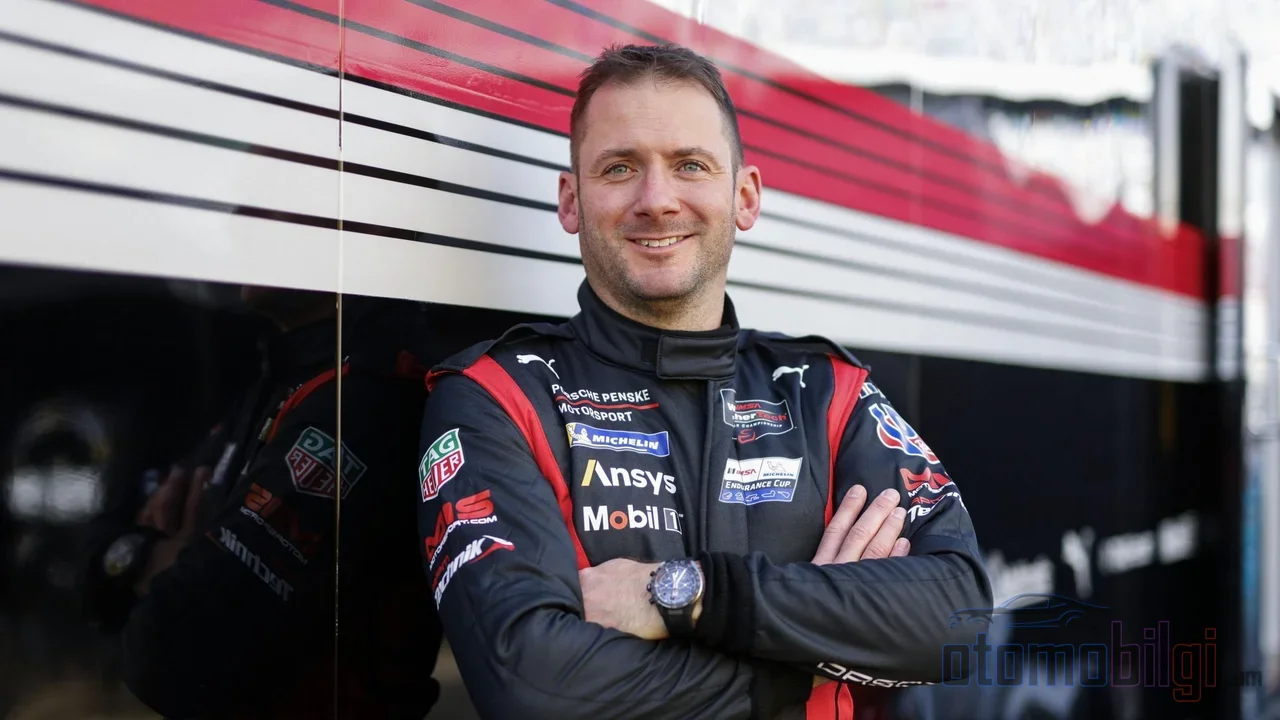
Suppose you've won the four most prestigious 24-hour races in the world: Le Mans, Nurburgring, Spa, Daytona. You hold a "Grand Slam" that no one in history has achieved, and even IMSA has given it your name. What do you do? For most drivers, the answer is simple: you keep squeezing the prototype seat where you left off. Nick Tandy, however, did exactly the opposite in the winter of 2026 - he left Porsche's top-tier prototype program and dropped down to race a full season with a dinosaur-liveried GT3 Porsche. Yes, dinosaur-liveried. On this page, we'll discuss both this decision and how a factory driver's seat changes in meaning when they switch brand and category.
Are you ready? Because Tandy's story is really one that takes the pulse of the GT3 world: BoP balancing, pro-am responsibilities, customer team logic, and a driver at the peak of his career facing the question of "what do I want to be?"
From Cup Cars to the Factory Seat: How Did Tandy Rise?
Although the racing career of the British driver, who grew up on a farm in Pavenham near Bedford in Bedfordshire, appears to have started with formula cars, his real breakthrough came in single-brand series. A second place in British Formula Ford in 2006, third in 2007, and a Formula Ford Festival victory the same year shine on his resume; but fate's turning point came in 2008: he won his first race as a guest driver in the Porsche Carrera Cup Great Britain.
From there, it was the classic Porsche ladder. Second places in the Mobil 1 Supercup and the German Carrera Cup in 2010, the Carrera Cup Deutschland championship in 2011, and in 2012, a factory driver contract as the recipient of the Porsche Cup, awarded to the most successful privateer Porsche driver. Tandy summarizes the philosophy of these rungs clearly: when all the cars are identical, the entire burden falls on the driver's shoulders - that is pure motor racing. In other words, Cup series are a kind of "same bike for everyone, let's see who's pedaling" race, and Tandy proved time and again in this exam that he was the best of his class.
Highlights
- Nick Tandy is the first driver in history to win the four great 24-hour races (Le Mans 2015, Nurburgring 2018, Spa 2020, Daytona 2025) overall.
- He took the 2015 Le Mans victory in the Porsche 919 Hybrid alongside Earl Bamber and Nico Hulkenberg.
- In 2026, he is racing a full season in IMSA GTD Pro with AO Racing's No. 77 "Rexy" Porsche 911 GT3 R.
- The Spa 2020 victory came in the final laps when oil leaking from a faulty gearbox made a rival slide.
The Four Great 24-Hours: How Was "Mr. 24 Hours" Born?
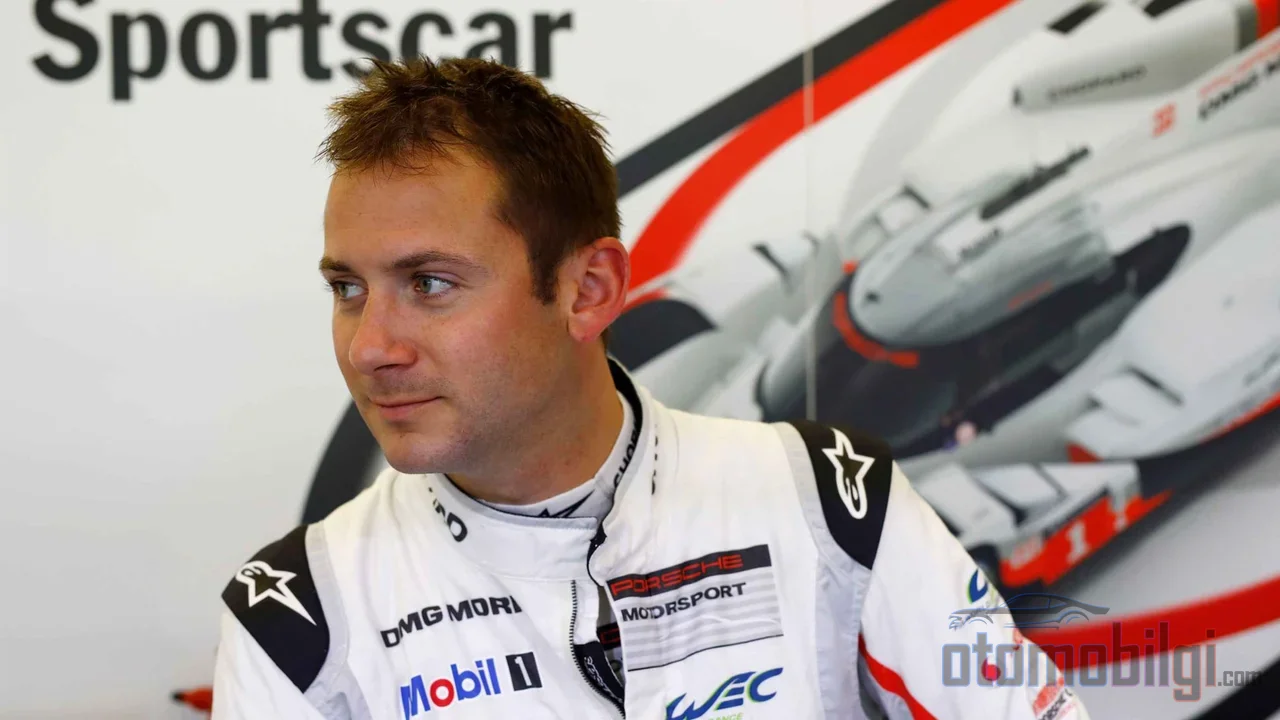
What wrote Tandy's name into the motorsport history books is being the first and only driver to win all four legendary 24-hour races overall. To achieve this, he first partnered with Earl Bamber and Nico Hulkenberg in the Porsche 919 Hybrid at Le Mans 2015; in the third car, the crew racing without the pressure of full-season entries managed to win with the No. 19 Porsche by a one-lap margin. According to Tandy, Le Mans is the Holy Grail of endurance racing, and that is where the indescribable nature of his first victory comes from.
Nurburgring 2018, on the other hand, is another textbook case. Racing Manthey Racing's Porsche 911 GT3 R alongside Richard Lietz, Patrick Pilet and Frédéric Makowiecki, the team overcame a punctured tire on the second lap that cost them 6.5 minutes and dropped them to the back of the field, and at the finish beat the number 4 Mercedes by just 26 seconds. Tandy's warning about the Nordschleife still rings in the ears: up to 180 cars can be on track, and even with the strongest package you have a 50 percent chance of picking up damage in traffic.
Spa 2020 came with Rowe Racing, with Earl Bamber and Laurens Vanthoor, and was perhaps the most brutal of his victories. According to Tandy, they raced under the most unfavorable BoP conditions of his career; there were 18 full-course yellows and 14 safety car periods. With one lap to go, the gearbox exploded on the exit of Bruxelles, and the trail of oil involuntarily leaking from the faulty gearbox sent the chasing Attempto Racing Audi spinning; the gap was under 5 seconds. Imagine a driver saying he cried as he crossed the finish line, and that it is the only moment he has ever cried in a car: that is the emotional intensity of GT3.
The final piece was Daytona. Victory in the Porsche 963 with Felipe Nasr and Laurens Vanthoor on January 26, 2025 completed Tandy's Grand Slam, and IMSA named the achievement the "Tandy Slam". The number 7 car, which led more than half the race's laps, held off the pressure of 60 Acura in the closing stages and won, also leaving their number 6 Porsche teammates behind. An interesting detail: his biggest rival on that journey was Earl Bamber, his teammate in 2015 and 2020; when Bamber won the 2023 Nurburgring, only Daytona was left for both of them, and it had turned into a friendly rivalry.
Why Switch Seats When Victories Are Coming?
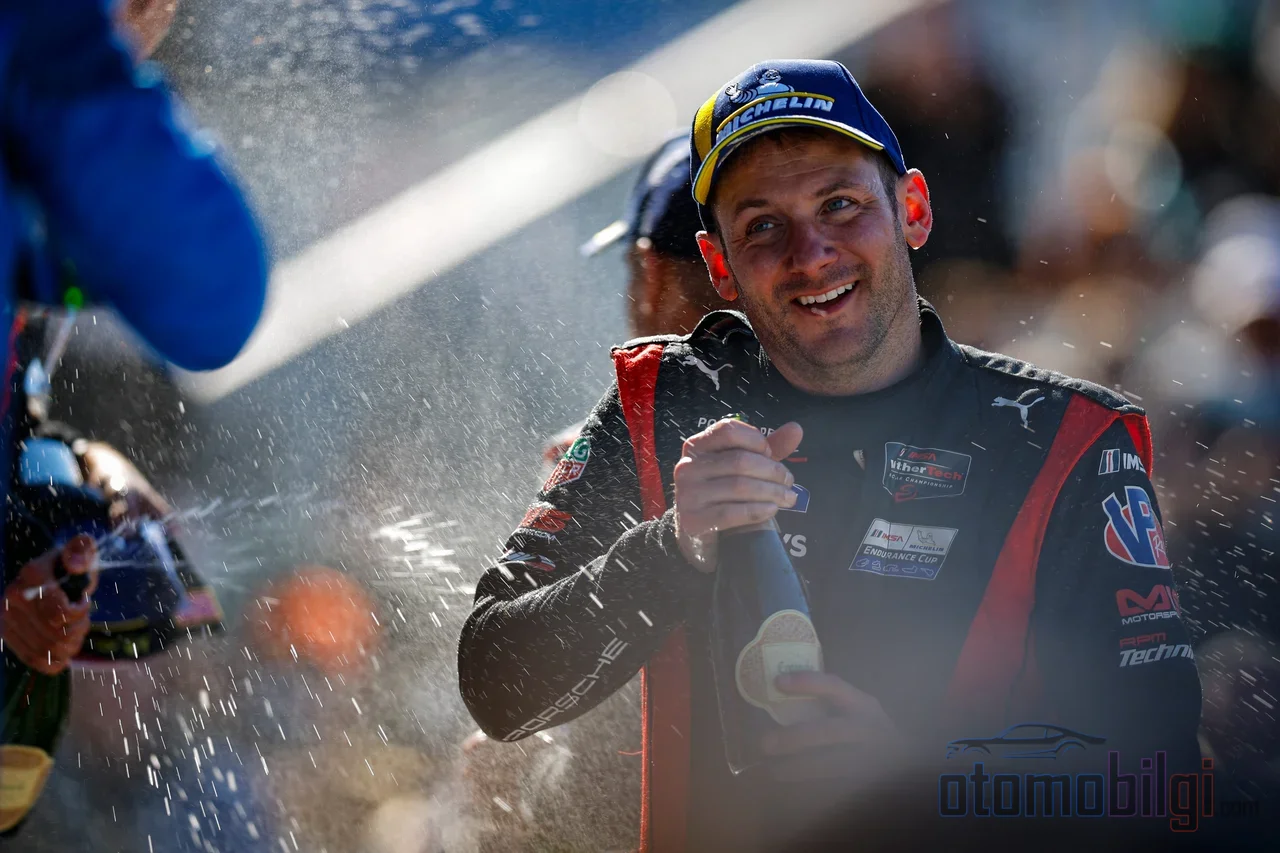
This is the real question of the page. Tandy's résumé, while at its peak, is full of brand and category changes: he spent two years with Corvette Racing in 2021-22, finishing second in the GTLM championship with four wins in 2021, and between 2023 and 25, in Porsche Penske Motorsport's 963 GTP program, he enjoyed the 2025 GTP Endurance Cup drivers' and manufacturers' championships along with victories at Daytona and Sebring. In other words, the man was not losing.
Yet his statement upon leaving the GTP program is striking: from the outside there were championships, Sebring and Daytona wins, but to him something was not quite right, and he needed change to improve the rest of his life. This is a rare example that shakes the assumption that "victory equals satisfaction". Porsche drivers also summarize the difference between the prototype world and the GT world quite well: for someone who drove the RSR and GT3 R, LMDh is quite different, and you have to adapt to the cars you are given. Every car is not shaped according to your setup list; sometimes you are the one who shapes yourself to the car.
BoP: Every Brand's Setup Does Not Play the Same
The most invisible but most critical dimension of switching brands in GT3 is BoP, that is, performance balancing. The logic of the system is simple: the natural differences between manufacturers are compensated through power, weight and engine settings so that no car becomes dominant and cars with different engines put in lap times so close on track that they are indistinguishable. Let's make an analogy from daily life: BoP is like a bike ride race where the race committee sets the tire pressure and gear ratios of everyone's bicycle. Even if you have the fastest bicycle, the committee slows you down; it also gives the slowest an allowance.
From a driver's perspective, this means: when you switch brands, you are not just holding a different steering wheel, you are learning to live with a different BoP character. Remember that Tandy took his Spa 2020 victory under the "most unfavorable BoP" conditions. And the other side of the coin: BoP is not a perfect science. Adding weight shifts the rear center of gravity, and there are technical ceilings that limit rear spoiler effectiveness; perfect balance cannot be achieved every race weekend. That is why the GT3 driver's greatest weapon is the driver who reads the character of the package in his hands fastest that week and sets his laps accordingly. It is precisely for this reason that Tandy is considered a master of this world.
2026: Full-Time GT Return with Rexy
So where is he now? According to the plan announced in November 2025, Tandy is racing a full season in the GTD Pro class in the 2026 IMSA WeatherTech SportsCar Championship with Harry King, in AO Racing's number 77, dinosaur-wrapped "Rexy" Porsche 911 GT3 R. This is the first full-time GT return since the 2021-22 Corvette era; the 41-year-old driver openly expresses that he is energized by the new environment. There is also an irony in this transition, which was the subject of Car and Driver interviews: as Tandy was leaving GTP, an effective seat swap took place on the road to AO Racing with GTP star Laurens Heinrich.
The season has not yet brought a championship, but it is writing a serious story of consistency. As of February 2026, Tandy has four second places in GTD Pro: the 12 Hours of Sebring, Mosport, Road America and the 10 Hours of Petit Le Mans; plus a third place at Laguna Seca. At the 24 Hours of Daytona, the number 77 drew attention in GTD Pro with a fastest lap of 1:46.242. In August, a heated championship battle was expected at VIR with his former Corvette teammate Tommy Milner; exactly five years had passed since the duo's victory at VIR. In May, in Detroit, there was talk of Tandy's chance to complete his victory set at all of IMSA's current tracks.
Can You Become Champion Without Winning a Race?
This is where the most interesting debate of the 2026 season arises: Tandy believes that he and Harry King could become GTD Pro champions without winning a single race. It sounds strange, doesn't it? But it is entirely reasonable in GT3 logic. Four second places and one third place mean far more points than a duo that hits the wall three times after winning a single race. In a class where BoP favors a different brand at every race, hunting for consistency instead of hunting for victories is sometimes the smarter strategy. This is also the essence of the pro-am concept: In the GT world, a professional driver's job is not always to jump on the podium; sometimes it is to guarantee finishing the weekend without damage and with points.
The Art of Switching Brands: What Really Changes?
So what has this whole journey taught us? This: Nick Tandy's career clarifies the answer to the art of switching brands in GT3. In a factory prototype seat, the driver is the name at the very end of the manufacturer's engineering army; the car is the factory's project more than it is yours. On the GT3 side, the roles shift: because of performance balancing, the cars converge, the burden returns to the driver, and in the pro-am structure the professional driver becomes the backbone of the customer racing logic - the one who sets lap times, manages the team's rhythm, protects points when necessary. Tandy's philosophy, coming from the Cup series, that "if the cars are the same, the driver makes the difference" is, ironically, the most valuable quality in the BoP world of GT3.
Tandy also combined this with his own life balance: at the peak, he stepped down from prototype pressure to GT3's more humane rhythm, and he still helps his family's farm business in Bedfordshire whenever he finds time. Perhaps that is the real art: not changing the brand, but changing the meaning of the seat.
Sources
- Nick Tandy enters motorsport history as "Mr. 24 Hours"
- From Porsche one-make series to Le Mans victory
- Nick Tandy - Porsche Motorsport Hub driver page
- Nick Tandy becomes the first ever driver to complete the 24-Hour racing Grand Slam
- Tandy Energised By New Surroundings At AO Racing
- Tandy Doesn't Feel AO Racing Needs Race Win to Take GTD Pro Title
- Nick Tandy on His Record-Setting Porsche Career and Racing 'Rexy'
- Why Nick Tandy Walked Away from Porsche's GTP Program