Why Do Manufacturers Invest So Heavily in GT3?
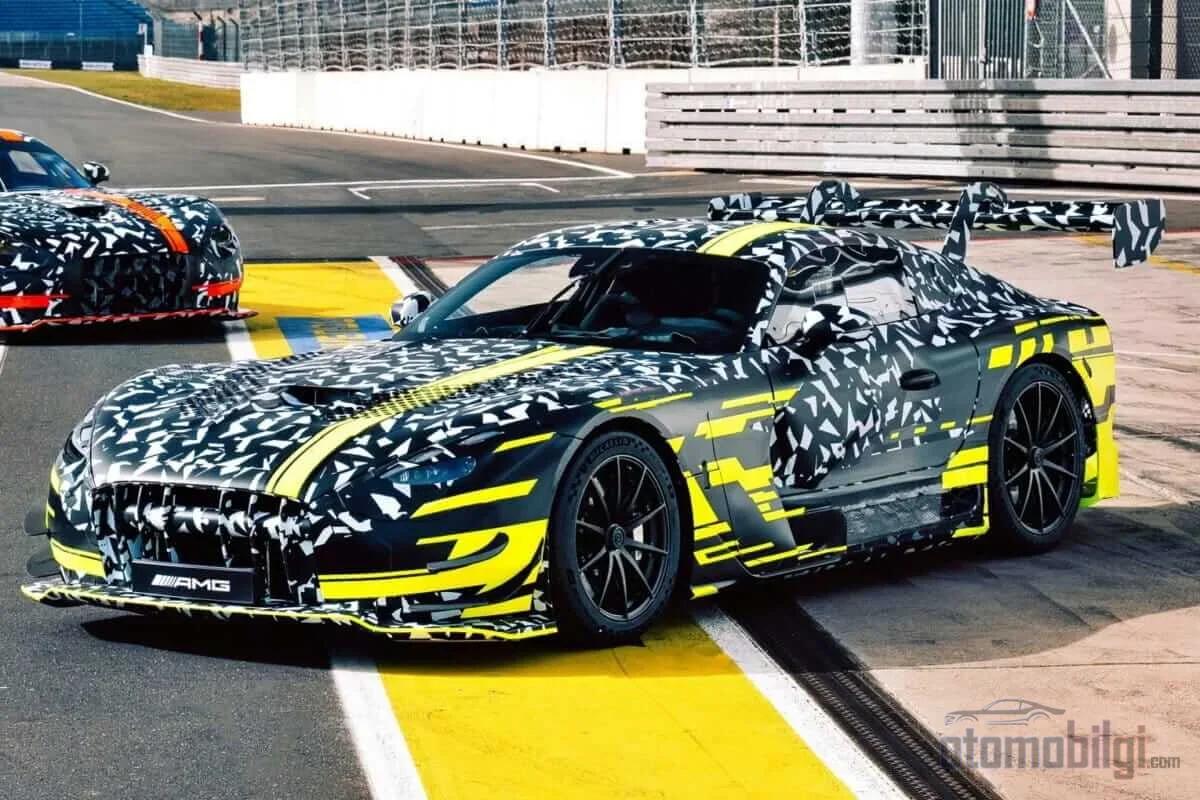
Share This Page
Manufacturers are investing in GT3 because it gives them three things at once: a showcase that creates a direct link with their road cars, a sustainable revenue model selling cars and parts to customer teams, and a talent pool that trains factory drivers. Born in 2005 as a cheaper alternative to GT1/GT2, the GT3 formula is today the meeting point for dozens of brands in the world's biggest races, from Le Mans to Spa. So this is not a sponsorship whim, but a serious commercial strategy.
Highlights
- 59 cars have passed FIA GT3 homologation; the number of cars with valid homologation as of early 2026 19.
- A new GT3 car used to cost €250,000-300,000 while today most start at the €500,000-700,000 level.
- On the grid of the 2026 Spa 24 Hours there are 70 GT3 cars and 10 manufacturers .
- Porsche is bringing 15 units of the 911 GT3 R to Spa together with customer teams.
- GT3 cars have been able to race in the 24 Hours of Le Mans since 2024.
How Does GT3's Business Model Work?
The beauty of the business is this: the manufacturer does not run the race cars itself. It develops the car, homologates it, and sells it to customer teams around the world. And the job does not end there - spare parts, technical support and trackside engineering also come from the manufacturer. So the teams operate independently but live within the manufacturer's ecosystem.
Let me make an analogy: you can compare the situation to a company that sells game consoles. You sell the console (the car), but the real earnings continue with the games (parts, updates, support services). The better the product and experience, the more teams want to buy that brand. It is no coincidence that Porsche has built the largest customer pool with 60 race cars at the Nürburgring 24 Hours - it is one of the brands that has best established this model.
Why Are Manufacturers Devoting So Many Resources to GT3?
The short answer to the question has multiple layers. Think about it: why would a brand choose GT3 instead of pouring millions of euros into F1? To summarize the answer in bullet points:
- Connection with the road car: A GT3 car must be based on a production model sold at the time of homologation. The Porsche 911 GT3 R, Ferrari 296 GT3, BMW M4 GT3 - each has a sibling in the showroom.
- Revenue: Car sales, parts sales and services provided to customer teams form a real business model.
- Data and development: Racing provides manufacturers with continuous data about their own machines; this data feeds both durability testing and performance engineering.
- Marketing power: Live streaming, TV, social media... GT3's global reach brings brands to highly commercial and engaged audiences.
- Prestige: Multi-brand racing is fueled by engineering pride and brand heritage.
There is also the cost side. GT3 was born in 2005 precisely for this reason: in GT1 and GT2, manufacturers were required by the rules to constantly develop their cars and increase performance, and costs had spiraled out of control. The GT3 formula cut this race, put the existing one-make series cars on the same grid, and simplified the business.
The Link Between the Street Car and the Track Monster
The cleverest thing about GT3 is this: the car that takes to the track carries the name of a road car that customers can buy. Think about it - you look at the aggressive cousin of the M4 you saw at the Dealers on the track, and you feel that part of that DNA lives in your own car too. This feeling is something marketing can't buy with money.
But there's an interesting detail: "being based on a road car" isn't a requirement for the engine. BMW Z4 GT3 used the M3 E92's 4.0-liter V8; Mercedes-AMG GT3 on the other hand, used the SLS AMG's 6.2-liter V8. So while the body story comes from the road car, the heart is sometimes sourced from elsewhere.
Technology transfer isn't one-way either. There is a development pipeline flowing from track to road - race tracks essentially act as development laboratories, and this technology reaches the road cars being sold. Experts emphasize that in the future this transfer will increasingly happen through software; in other words, the gold is now hidden not just in mechanics but in code.
BoP: The Magic Formula for Racing on Equal Terms
So why can cars from different brands, built with different engines, post lap times so close in the same race that they're indistinguishable? The answer: BoP, that is, Balance of Performance. The system adjusts power, weight, engine management, and aerodynamics to pull all cars into a similar performance band. GT3 cars are designed around 1,200-1,300 kg in weight and 500-600 horsepower; traction control, ABS, and air jacks are standard.
BoP is a critical part of the manufacturer's business model. Because what convinces the customer team is the promise that "you have a chance to win with the car you bought." BoP makes this promise technically possible. Of course, it's not indisputably perfect - racers have views that the balance isn't quite achieved throughout a stint, and some cars being adjusted differently also creates fairness debates. But despite these criticisms, it's certain that this is the fundamental mechanism that keeps the classes so popular.
The GT3 Scene in Numbers: How Big, How Expensive?
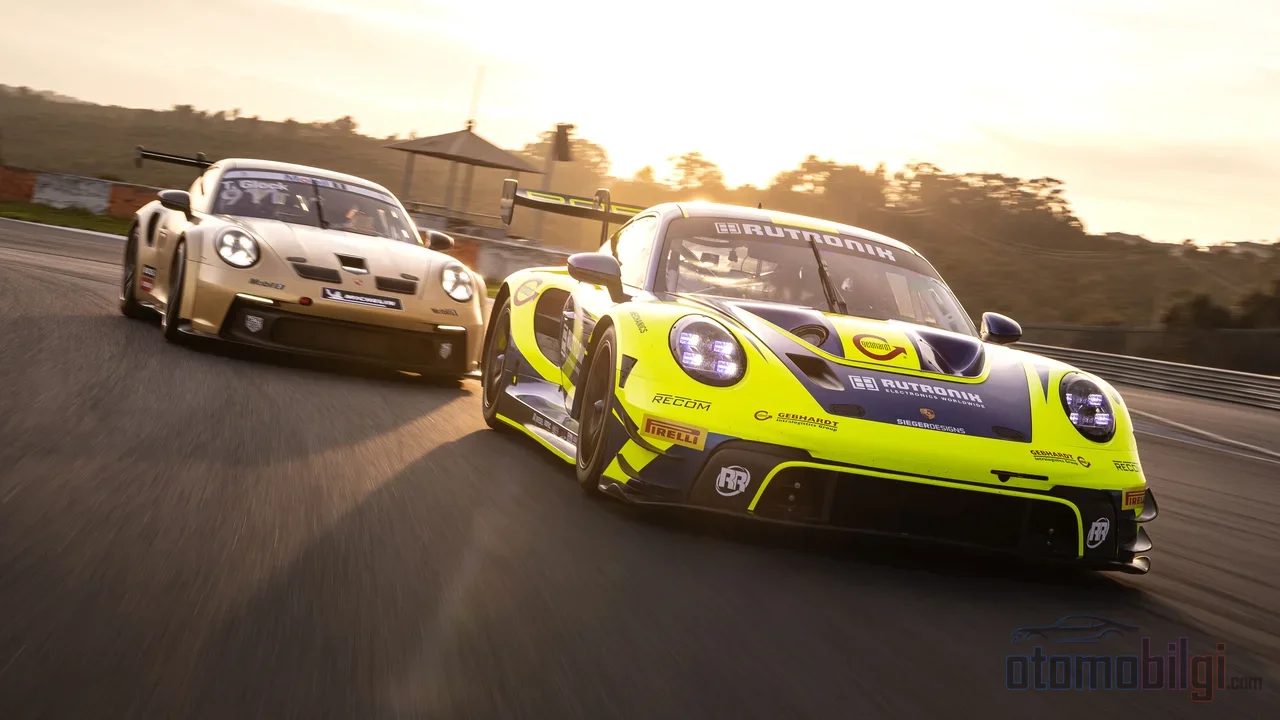
The 2026 season is a perfect showcase of just how healthy the class is. Here's a picture of the scene:
- In the 94th edition of the 24 Hours of Le Mans (June 10-14, 2026), in the LMGT3 class 25 cars from nine brands are racing.
- At the 24 Hours of Spa 70 cars, five classes, 10 manufacturers; eight BMW M4 GT3 EVOs on the grid. BMW is playing for its 26th overall victory at Spa.
- Porsche is bringing 15 units of the 911 GT3 R to Spa with customer teams.
- On the GT World Challenge America 2026 grid are Aston Martin, BMW, Ferrari, Ford, McLaren, Mercedes-AMG, and Porsche.
So what's the price of this business? While a new GT3 car used to cost around 250,000-300,000 EUR today most factory-built cars start at the 500,000-700,000 EUR level. One reason for the rising prices is generation cycles: each car races for a few seasons, gets updated, and is renewed - this constant evolution pushes up both the cost and the freshness of the cars.
| Event | Its Meaning in the GT3 Scene |
|---|---|
| 24 Hours of Le Mans | The LMGT3 class has been racing since 2024; 25 cars from nine brands in 2026 |
| 24 Hours of Spa | 70 cars, five classes and 10 manufacturers in 2026; Porsche is the biggest brand with 15 cars |
| 24 Hours of Nürburgring | Porsche customer teams form the largest customer pool with 60 cars |
| Bathurst 12 Hour | 6.213 km, 23 corners; the lap record is 2:01.567 (Shane van Gisbergen, 2016) |
Factory Driver Rosters: Where Will Tomorrow's Champions Come From?
Manufacturers' investment in GT3 is not just metal and engineering - people are an investment too. Factory driver programs work like a ladder that gradually carries young talent toward professionalism. The Porsche Motorsport Junior Program is one of the best-known examples of this; PMNA's ongoing Junior and Female Driver Development programs in 2026 are also part of the same line.
Other brands have built similar ladders: Ford runs a development program aimed at the path into the Mustang GT3 Factory Program. McLaren, meanwhile, streamlined its factory GT driver program in 2026, merging the former Junior Pro and Graduate categories to create the McLaren GT3 Junior Driver program. Here's a small question for you: why shouldn't someone lapping on a sim screen today dream tomorrow while reading the announcement of a factory program?
The role of these programs in marketing is a whole other matter. A factory driver is living proof of what that brand's GT3 car can do. Mercedes-AMG winning its first overall victory at Spa with Jules Gounon created a lasting prestige story for the driver, the car, and the brand alike.
Will GT3 Remain This Strong in the Future?
Let's be honest: there is a debate on the exhibition side. Some say GT3 is "unsustainable" and that the future lies in GT4 or GT2. The opposing side argues that the GT market is strong and becoming increasingly professional. The numbers seem to support the second view: GT3 replacing GTE at Le Mans, a 70-car grid at Spa, and ten manufacturers gathering under the same roof show that the class's appeal is far from its peak being over.
Moreover, every manufacturer now enters the scene from a different point. It is reported that a serious technology transfer from road car to race car is happening with the Toyota GR GT3 - the direction being the reverse of the classic "race to road" flow. And one final piece of evidence: a name like Max Verstappen founding his own GT3 team and starting to race with the AMG GT3 in 2026 is one of the clearest signs of how attractive the class is. (Official confirmation has not yet been finalized, so caution is warranted - but even a rumor carries marketing value.)
In the end, GT3 offers manufacturers an emotional connection with their road car, teams an accessible racing opportunity, and spectators genuinely equal battles. Even though prices are rising and BoP causes confusion, the formula works. At the next Spa or Le Mans weekend, when you look at the grid, you will now think this: each of those cars is the peak of a long commercial strategy stretching from a brand's sales department to its engineering laboratory. A beautiful strategy, isn't it?
Sources
- Chat GT3: Why Do Manufacturers Invest in Racing?
- Group GT3
- Chat GT3: Are GT3 Cars Actually Based on Road Vehicles?
- Balance of Performance
- 24 Hours of Le Mans – The 2026 LMGT3 Class Preview
- CrowdStrike 24 Hours of Spa presents exceptional 70-car grid for 2026 edition
- 15 Porsche 911 GT3 R set to compete in the 24 Hours of Spa
- 24h Spa-Francorchamps: Strong line-up in the fight for a 26th overall victory
- Porsche is aiming for overall victory in the 'Green Hell'
- Meguiar's Bathurst 12 Hour 2026
- CrowdStrike 24 Hours of Spa - Mercedes-AMG
- The Future Of Porsche's Racing Tech Transfer to Street Cars
- Samuel Lux's Post - GT3 Racing
- GT3 Prices: Why Do They Keep Rising?
- Youth Development: Porsche Motorsport Junior Program
- Porsche Motorsport North America driver development 2026
- Ford Racing Driver Development Team
- McLaren Motorsport confirms 2026 factory GT racing driver lineup