From Simulation to Real Cockpit: Are GT Racers Coming From Behind the Screen?
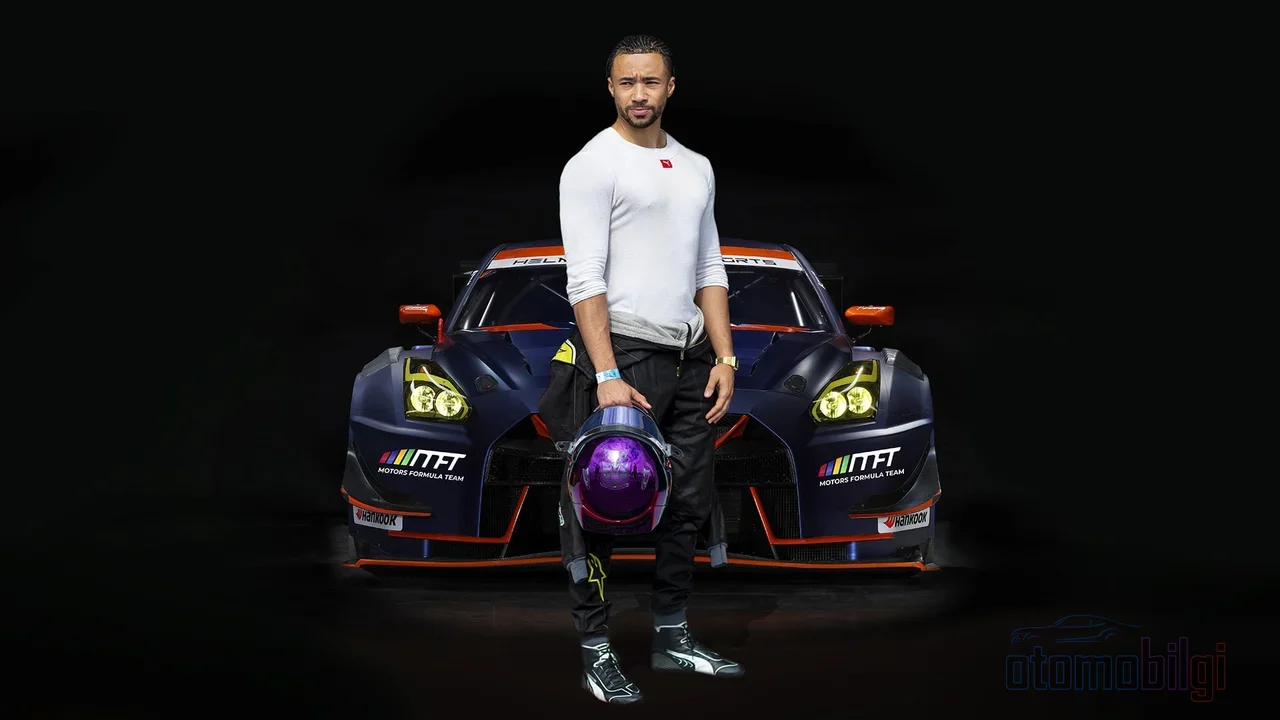
Share This Page
Yes, it really happened: some racers in front of screens set out on a journey that reached all the way to professional GT cockpits, and this path is now part of motorsport. Discovery programs that began with games like Gran Turismo have today transformed into a simulation-based driver development ecosystem. So how do you win a racing contract through a game, and how far does a simulator take you toward the real track? Let's go, I'll explain step by step.
Highlights
- GT Academy was the first major program to grant a real Nissan racing contract to Gran Turismo players.
- Jann Mardenborough is the most famous name, having gone from sim racing to professional driver without any prior motorsport experience.
- BoP is the fundamental mechanism that balances competition through weight and power adjustments of GT3 cars, and it has been in use since 2005.
- Chris Lulham will race in GT World Challenge Europe with Mercedes-AMG Team Verstappen in 2026.
- A study found that professional drivers who received simulator training had 22% fewer accidents. were found to have caused.
First, a Quick GT Lesson: What Exactly Are GT3, GT4 and BoP?
To understand stories of transitioning from virtual to real, we first need to know what the goal is. At the heart of GT racing are class structures like GT3 and GT4. These are categories in which race cars derived from road cars compete against each other; at the upper level are series like GT World Challenge, and at the pinnacle are giant endurance races like Spa, Nürburgring, Daytona and Bathurst.
So why can cars from different brands race against each other without holding one another back? Here's the answer: BoP, or Balance of Performance. To put it in perspective, BoP works like a class-balancing system in a school: some weight is added to faster cars or power is reduced, and the opposite is done for those left behind. This way, Ferrari, Mercedes-AMG, Porsche and BMW can enter through the same door. Born in 2005 with the GT3 category, this system is today also the cornerstone of regulations like LMGT3.
Another interesting face of GT is the pro-am model. In championships like GT World Challenge America, amateur drivers share the same car with professionals; at the Bathurst 12 Hour, Pro-Am, Silver, Bronze and GT4 classes race side by side. This means a window through which someone coming from the virtual world can crack the door open: teams always need fast and consistent drivers. Under BoP, teams already seek advantage through setup, driver consistency, tire management and strategy; young talents are also valuable in this equation.
GT Academy: The First Big Door Leading from Game to Contract
The pioneer of this story is undoubtedly GT Academy. This program, by Sony and Nissan, using PlayStation and Gran Turismo infrastructure, carried the fastest players from the screen to real tracks. By official definition, every player who proved their skill in the virtual world had the chance to drive a real race car on a real track; the grand prize was a professional racing contract. The program lasted over five years and is regarded as the boldest driver discovery idea in motorsport history.
Jann Mardenborough: The Story That Made It into the Books
The most successful name to come out of the program is, of course, Jann Mardenborough. This British driver had zero motorsport experience; his only asset was sim racing games. After transitioning from games to a real cockpit, he built a professional racing career, joined the Red Bull roster, and his story even became the subject of a feature film, in which he appeared on camera as his own stunt driver.
To be fair, gamer-to-grid programs in the style of GT Academy (there were also Mazda and McLaren attempts besides Nissan's) demonstrated the potential but struggled to offer a lasting, long-term career path. The program's architect created its own competition, and that too came to an end. Today, one of the new bridges in this field is platforms such as Racing Prodigy, which offer a transition path between sim and real-world motorsport.
Who Is Moving From the Screen to the Cockpit Today?
The virtual-to-real transition is no longer the story of a single program; it is part of an ecosystem. One of the most recent examples is Chris Lulham: he is regarded as one of the recent pieces of evidence that sim racing can transfer skill to real cars, and in 2026 he will race in GT World Challenge Europe with Max Verstappen and Ben Barnicoat under the Mercedes-AMG Team Verstappen Racing banner. Verstappen himself is one of the most serious advocates of sim racing; they will run together in the 2026 lineup at Portimao.
Manufacturers are also taking this door seriously. Seven automakers, including HPD/Honda and BMW, are known to have invested in online racing; HPD JAS Academy drivers used the Acura NSX GT3 Evo in Assetto Corsa Competizione-based GT World Challenge Esports championships. Meanwhile, the Malaysian Azlan brothers, Naquib and Nabil, are a striking example of going from sim racing newcomers to serious racers in four years. In short, sim is now a talent pool; teams looking for young drivers are looking there too.
Why Do Real GT Drivers Still Use Simulators?
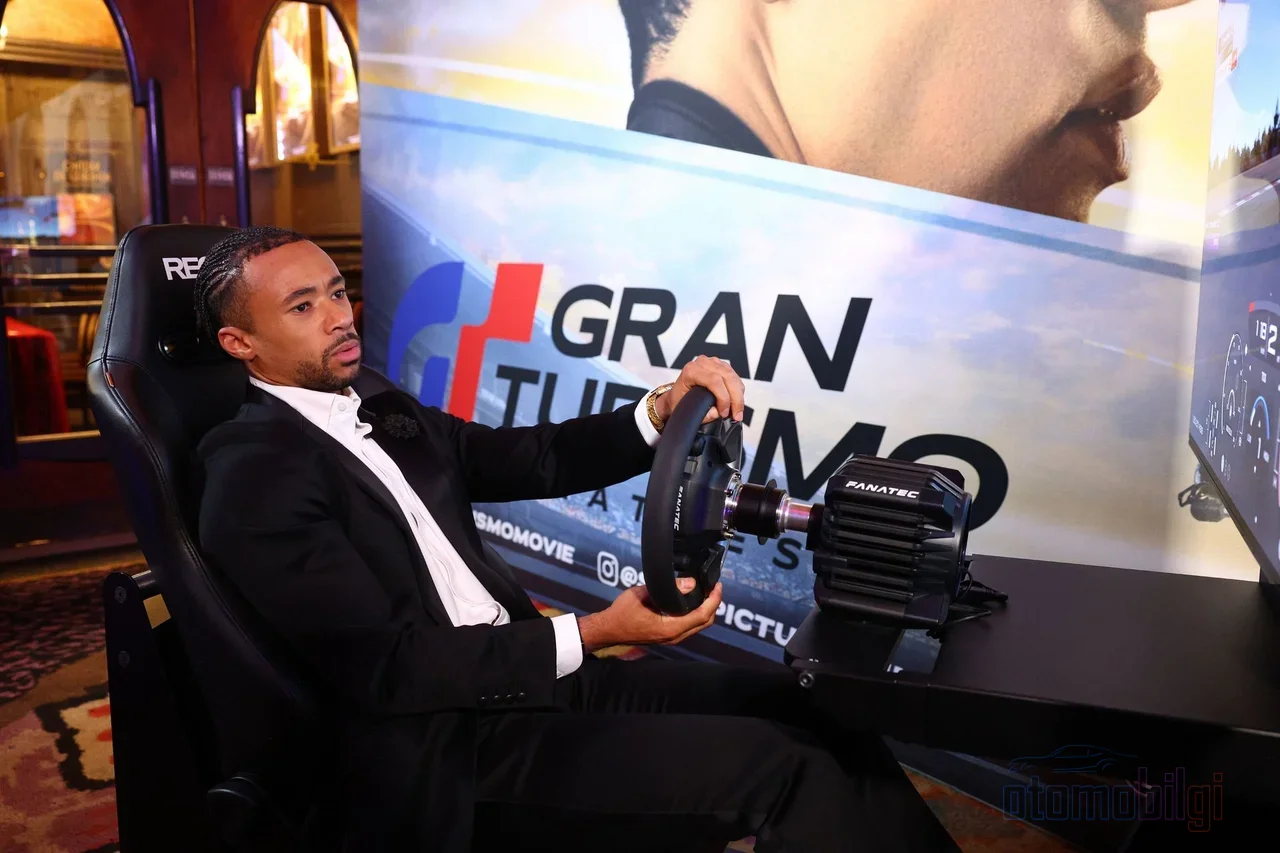
The other side of the matter is just as important as the virtual-to-real transition: the relationship of real GT drivers with the simulator. There is a simple reason: track time is expensive, limited, and at the mercy of weather conditions and logistics. The simulator eliminates the hassle of vehicle, fuel, and insurance; a driver who runs a few sessions over a weekend in reality gets unlimited practice in the sim. Instead of circling the corner of the map to learn a new track, you can complete hundreds of laps in advance.
The numbers back up the fact that this is no empty talk: professional drivers who trained on simulators were found to have 22% fewer accidents compared to those who practiced only with real cars. In massive events run once a year, such as the 24 Hours of Spa and the Nürburgring 24 Hours, this difference in preparation is an advantage to be taken seriously. Moreover, we know that drivers pulling double duty between Daytona and Bathurst get sim support when switching between tracks; in stories such as Luca Stolz's breakthrough at the 2018 Nürburgring, preparation is everything.
Does Sim Substitute for Reality? Honest Boundaries
Now let's get to the hard question we need to answer: I have a steering wheel setup at home, can I become a real racer? Sim racing truly teaches braking points, apex lines, and track knowledge; as NASA Speed News also highlighted, it develops skills in a safe and low-cost environment, but it cannot teach the real-world outcomes in an actual car. The difference is this: the sim tells you where to brake, the real car makes you feel what braking is.
The Missing Cues
Real drivers emphasize two missing elements: G-forces and the tire's limit. Even motion-based systems cannot fully convey the physical dimension of the road and vehicle vibrations; what the tire communicates at the limit speaks an entirely different language in reality. There are also reports of laps driven roughly 8 seconds faster than real life with similar cars in sims; the digital world pays the price of courage not from your wallet but with the restart key. Real GT3 drivers also test the same car in different sims and rank their realism; not all sims are equal.
Which Sim for Which Purpose?
For those curious, in brief: iRacing stands out with its online competition and disciplined community structure, while Assetto Corsa Competizione excels with its detailed simulation of GT3 cars and the BoP system. Those wanting to prepare for the GT world through sim racing commonly use both platforms. While the debate over which is more realistic continues, everyone agrees that both are genuine complements to real training.
There's Also a World Tour: The Great 24-Hour Races and Goals
Let's also learn about the races that capture the dreams of drivers coming from the virtual world. Nick Tandy won the four great 24-hour races - the 24 Hours of Le Mans, the Nürburgring 24 Hours, the 24 Hours of Daytona, and the 24 Hours of Spa - in the overall classification; this is something of motorsport's quadruple crown. One of the BMW M factory drivers added the 2025 24 Hours of Spa victory and the 2024 GT World Challenge Europe Sprint and Endurance Cup runner-up finishes to his collection. Teams that reached the podium in the Pro-Am Cup at Spa with the Mercedes-AMG GT3 also show that GT's doors are open to different driver profiles.
| Race | Duration | Place in the GT World |
|---|---|---|
| 24 Hours of Le Mans | 24 hours | One of the four great races Nick Tandy has won |
| 24 Hours of Spa | 24 hours | The flagship of GT World Challenge, includes the Pro-Am Cup |
| Nürburgring 24 Hours | 24 hours | New SP10 Pro-Am and SP10 Am classes are being added |
| 24 Hours of Daytona | 24 hours | A stop for drivers doing double duty with Bathurst |
| Bathurst 12 Hour | 12 hours | Hosts Pro-Am, Silver, Bronze, GT4, and Invitational classes |
From Screen to Cockpit: A Realistic Roadmap
Let me sum it up: sim racing is now both a gateway and a classroom for the GT world. Stories stretching from GT Academy to Jann Mardenborough, current examples like Chris Lulham, and manufacturers' esports investments prove that the screen is a true showcase. But it's only a beginning; the layers like G-forces, tire feel, and physical endurance are completed by the real track. Sim racing teaches you the language, the real car teaches you the poetry. Which side would you start from: with a steering wheel setup, or a karting track? I'm waiting for you in the comments!
Sources
- GT Academy
- GT Academy - Wikipedia
- Jann Mardenborough - Wikipedia
- How Jann Mardenborough went from Gran Turismo gamer to real-life racer - NBC News
- Balance of performance - Wikipedia
- Chat GT3: Who Created Balance of Performance? - GT World Challenge America
- Who are Max Verstappen's teammates at the GT World Challenge Europe 2026 - DAZN
- Seven Automakers that are Serious about Online Racing - IMSA
- About Us - Racing Prodigy
- How SIM Training Can Improve Your Real-Life Driving Skills - Allen Berg Racing Schools
- Evidence of Driving Simulator Training Benefits - Virage Simulation
- Sim Racing vs. Real Racing: Not The Same Thing - NASA Speed News
- How Realistic Is Sim Racing Compared to Real Racing? - Simcraft
- Bathurst 12 Hour Class Preview - DailySportscar
- Guide to the Nürburgring 24 Hours classes - Racecar Engineering
- Drivers - Mercedes-AMG