Personal Accident Insurance: An Overlooked Necessity
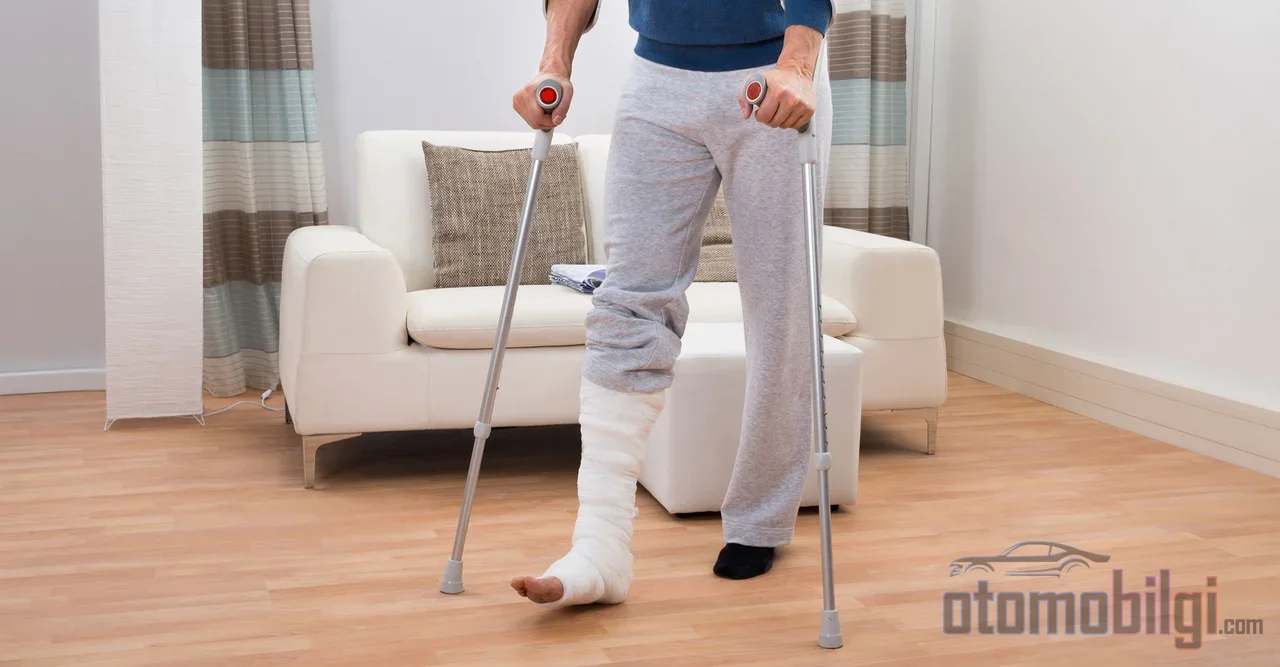
The accident report is signed, the vehicle is handed over to the tow truck, a damage file is opened; comprehensive insurance covers the bodywork, and third-party liability insurance covers the other party's losses. But what if the person behind the wheel that day spent three weeks in the hospital, or their family's income was suddenly cut off? No policy in the insurance folder answers this question. Personal accident insurance fills this gap - and unfortunately, most drivers learn of this policy's existence on the very day they need it.
Division of Duties Among Three Policies: Comprehensive, Traffic, and Personal Accident
Mandatory traffic insurance is a legal obligation; comprehensive insurance is optional but widespread; while personal accident insurance is entirely optional and a poorly understood product. The scope of duty of the three is clearly separated from one another. Traffic insurance covers only the other party's losses; damage to your own vehicle, personal belongings in the car, and losses exceeding the coverage limit are not this policy's concern. Comprehensive insurance, on the other hand, covers risks such as the vehicle burning, being stolen, or damage caused maliciously by third parties - but it does not pay for engine failures, mechanical wear, or losses arising from lack of maintenance.
The place untouched by both is the person themselves. Personal accident insurance pays directly to the person injured or killed in an accident. What is insured is not the vehicle, but the person. Therefore, the coverage applies not only behind the wheel, but also in the passenger seat - and even in accidents outside the vehicle. According to the general terms, coverage is not limited to national borders; it can be arranged to be valid abroad.
The Difference Between Personal Accident Coverage in Comprehensive Insurance and a Standalone Policy
There is a common confusion here. An optional personal accident coverage can be added to comprehensive policies for an additional premium; but this add-on applies only to accidents occurring inside the vehicle. A standalone personal accident policy, however, also covers accidents outside the vehicle, from falling down the stairs to burns and insect stings. The difference between the scope of two products bearing the same name is at least as decisive in policy selection as the premium amount.
Highlights
- Personal accident insurance secures not the vehicle, but the person injured or killed in an accident.
- The damage notification must be submitted in writing within 5 days from the date the incident is learned.
- Compensation claims are subject to a 2-year statute of limitations.
- Death benefit coverage due to an accident covers deaths occurring within 1 year of the accident.
- In commercial passenger transport, the mandatory seat personal accident limit is applied as 252,000 TL.
In Which Cases Does Personal Accident Insurance Pay?
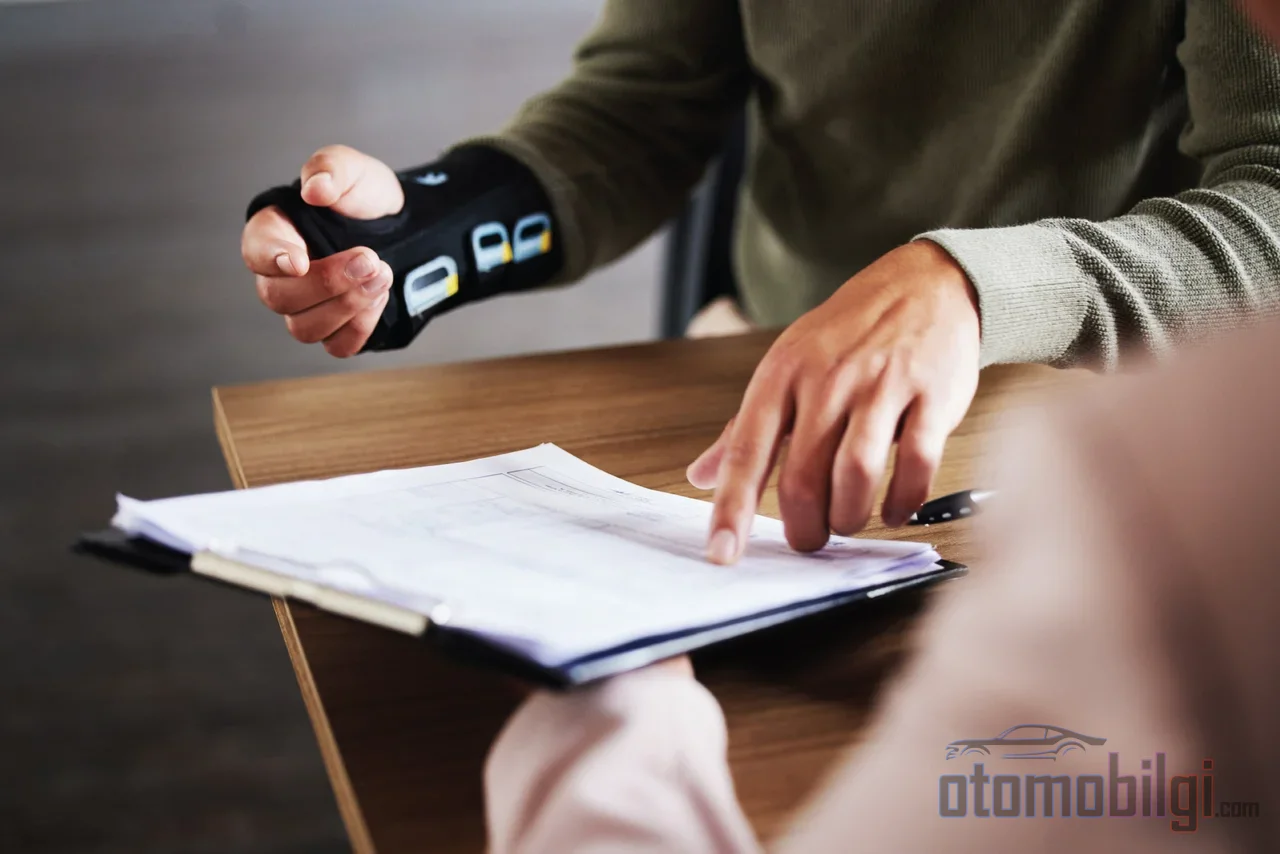
According to the current Personal Accident Insurance General Terms, an accident is; the death or physical injury of the insured person, against their will, as a result of the effect of a sudden and external event. Cases considered accidents include the inhalation of sudden and unexpected gases, burns, muscle-nerve strain, sprains and dislocations resulting from sudden movement, and poisonings caused by snake and insect bites. The list of what does not count as an accident is just as explicit: every kind of illness and its consequences, suicide or attempted suicide, evident drunkenness and drug use, and surgical interventions not necessitated by an accident do not give rise to a right to payment.
Exclusions outside the insurance are war, revolution, rebellion, participation in strikes and lockouts, committing crimes, knowingly entering serious danger, terrorist acts, and nuclear risks. Unless otherwise agreed in the policy, motorcycle riding, mountaineering, professional sports, races, and natural disasters such as earthquakes and floods also remain outside the coverage. Part of this last group can be added to the policy as optional coverage with an additional premium; earthquake and terrorism coverage are examples of this.
Coverage Types and Seat-Based Limits
Four Main Coverages and Time Limits
Four coverages form the skeleton of an individual accident policy. Death coverage pays the amount stated in the policy to the beneficiaries in cases of death resulting from an accident and occurring within 1 year of the accident. Permanent disability coverage makes payments according to the percentages in the table for permanent impairments arising within 2 years of the accident: loss of both eyes, both arms, or both legs, as well as general paralysis and incurable mental illness, are counted as one hundred percent; loss of one arm or hand is 60 percent for the right and 50 percent for the left; loss of one eye is 25 percent; deafness in both ears is assessed at 40 percent. The insured's occupation is not taken into account in the percentage; for left-handed people, the right-left percentages are applied in reverse.
Daily indemnity is paid per day in cases of temporary incapacity for work and is limited to a maximum of 200 days; in cases of partial work capacity, this amount is halved. Medical expenses coverage covers doctor, medication, radiography, and hospital expenses incurred within 1 year from the day of the accident; transport is excluded, and dental prosthesis expenses are paid at most up to 10 percent of this coverage amount. There is a point to be careful about: medical expenses coverage is not standard in every policy; it should be checked when purchasing the policy. Death and permanent disability indemnity are not paid together for the same accident; if an insured who has received a disability payment dies within one year as a result of the same accident, the difference is given to the beneficiaries.
Compulsory Seat Individual Accident: The Benchmark in Commercial Transportation
The clearest example that concretizes the seat concept is the compulsory seat individual accident insurance for commercial passenger transportation. In this insurance, the limit for disability, death, and health expenses was applied as 175,000 TL for a long time; the coverages were increased by 44 percent to the 252,000 TL level, and this amount is valid per seat for the period of July 1, 2025 - December 31, 2026. This serves as a benchmark: in individual accident policies, coverage is tied to the seat - and therefore to the person - not to the vehicle. Although this insurance is not mandatory for private vehicle drivers, the coverage limit is set according to the number of seats using the same logic.
The premium is calculated according to age, occupation, and the selected coverages and limits. The policy is usually issued for 1 year, though shorter terms are also possible. A notable detail for salaried employees: personal accident insurance premiums can be deducted from the taxable wage base, up to 15 percent of the salary.
Why Is the Difference from Life Insurance Important?
Personal accident insurance and life insurance are often confused; the two look similar but respond to different risks. Life insurance pays out on any kind of death, with exceptions aside; personal accident insurance pays only for deaths resulting from accidents. In cases of disappearance, payment under life insurance is made with a court's declaration of presumed death, while personal accident insurance has no such provision. On the other hand, personal accident insurance offers additional coverages not found in life insurance, such as accident-related permanent disability, daily compensation, and medical expenses. The narrow scope of coverage is the well-known criticism of this product: it does not cover illness-related deaths. For those seeking broad protection, life insurance is the right ground, while for those focusing on accident risk, a personal accident policy stands on the right footing; the two are more complementary than alternatives to each other.
How Is a File Opened After an Accident?
Notification from the Scene: The Five-Day Rule
What to do at the moment of an accident is the classic procedure: if there is injury or death, 112 is called and police or gendarmerie are awaited; if there is only property damage, the vehicle is pulled to a safe place. The accident report form is filled out, and photo and video records are taken. The critical point comes after that: the policyholder or entitled parties are required to give written notification to the insurer within 5 days from the date they learn of the occurrence of the risk. The notification includes the accident location, date, causes, and the report of the treating doctor. If this obligation is knowingly not fulfilled, the rights arising from the policy are forfeited. Five days is a period often mistaken for five weeks; most files stumble exactly here.
Which Documents Are Requested in Which Situation?
- In general: the claim letter, EFT instruction, accident report form - or the accident declaration if unavailable - the epicrisis report, and original invoices.
- In case of injury: doctor and hospital reports, a medical board report showing the disability, medication receipts, and prescriptions.
- In case of death: the certificate of inheritance, burial permit or death certificate, death report, postmortem and autopsy report, and an annotated family population registry extract.
There are also calendar limits: compensation claims become time-barred after 2 years. A short delay can be compensated; negligence exceeding one year cannot be overlooked.
Who Is This Insurance Sensible For?
The meaning of this policy, which is not mandatory in traffic, is directly proportional to the way it is used. For drivers who cover high mileage or spend long hours on the road for work, the likelihood of an accident is naturally considered higher than for everyday users. For those engaged in commercial passenger transport, seat personal accident insurance is already a legal requirement. Those who use the family car both as a means of transport and like a workplace buy broader protection with a standalone policy that also covers accidents outside the vehicle, rather than the extra coverage specific to the inside of the vehicle in comprehensive insurance. Assistance services - items such as ambulance and transportation of family members - can be added to most policies only with an extra premium; you should not sign without clarifying what the standard package offers.
The policy can be taken out between the ages of 16 and 65; this range may vary depending on the company and the policy type. Those whose lifestyle carries risks - riding motorcycles or engaging in mountain sports - should know that exclusions can be covered with additional coverage.
Short Answer: How Much Does Personal Accident Insurance Protect You Inside the Vehicle?
The clear answer to the question is this: personal accident insurance does not protect the vehicle at all; it protects the person inside the vehicle and outside it. While comprehensive insurance pays for the bodywork and traffic insurance pays the other party, a personal accident policy pays the accident victim or their family for death, disability, inability to work, and medical expenses. The amount of protection is the coverage limits you choose in the policy - the limit set per seat, as in the 252,000 TL example in commercial passenger transport, is the concrete measure of how much protection you get. For someone who has been following these files for thirty years, the summary is this: scan the policies that protect your vehicle, but always ask about the policy that protects the person sitting inside it as well. Because on the day of the accident, the bodywork is repaired; the loss of income and health can only be compensated with a policy with the right limits.
Sources
- General Conditions of Personal Accident Insurance (TSB)
- Mandatory Seat Personal Accident Insurance for Road Passenger Transport (TSB)
- Coverage increased by 44 percent to 252 thousand TL
- Personal Accident Insurance - Türkiye Sigorta
- Personal Accident Insurance - Insurance Glossary
- The Difference Between Personal Accident Insurance and Life Insurance
- Required Damage Documents for Personal Accident Insurance - Ray Insurance
- Procedures to Take During and After an Accident
- Situations Not Covered by Traffic Insurance
- Differences Between Vehicle Insurance and Personal Accident Insurance