When Does the Traffic Insurance Guarantee Fund Come Into Play?

Share This Page
You have been in a traffic accident, and the other party has no traffic insurance. Or the vehicle has left the accident scene, and its license plate could not be read. At this point, most drivers assume it is over and their damages cannot be covered. Yet for more than thirty years, there has been a separate fund created precisely for situations like this: The Traffic Insurance Guarantee Fund. However, what this fund covers and what it does not cover is not what everyone assumes - and unfortunately, this difference is usually learned at the application stage.
What Is the Guarantee Fund and When Does It Come into Play?
The Guarantee Fund is a fund established under Article 14 of the Insurance Law for situations that mandatory traffic insurance cannot cover. It can be thought of as the last safety net behind mandatory insurance: uninsured vehicles, unidentifiable vehicles, bankrupt insurance companies... In such gaps, it is tasked with covering bodily injuries.
The cases in which it comes into play fall roughly into four categories. First, cases where the insurer of the at-fault vehicle cannot be identified. Second, bodily injuries caused by stolen or extorted vehicles - the accident may have come not from vehicle theft itself, but from an uninsured vehicle circulating in traffic as a result of theft. Third, the bankruptcy of the insurance company. Fourth, files of insurers whose licenses have been revoked. Each has a different application process; knowing this distinction prevents wasted time.
Which Damages Are Covered, and Which Are Not?
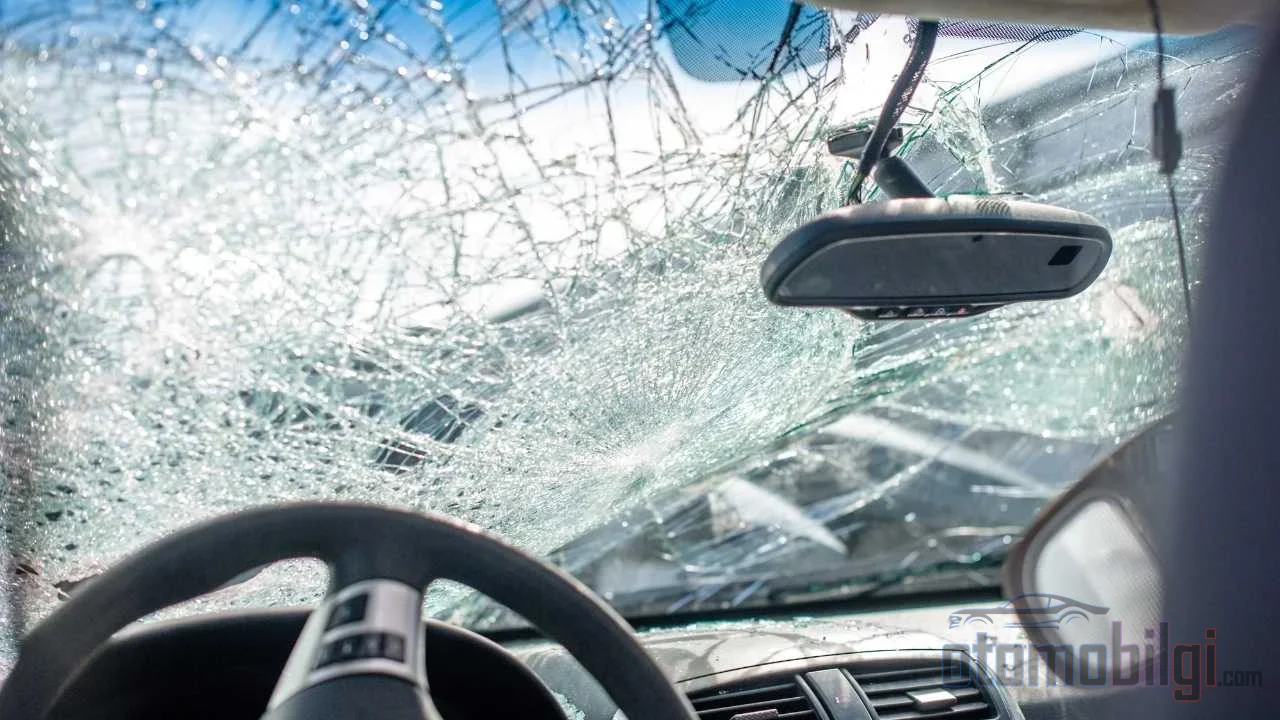
The most common mistake here is to assume the Guarantee Fund is an institution that pays for everything. It is not. The fund only covers bodily injuries: disability compensation in case of disability, and loss of support compensation in case of death. Everything outside of that is not covered, and this list is longer than you might expect.
- Property damage to the vehicle is not paid.
- Moral compensation claims are not covered.
- Damages caused by owned or stray animals are not paid.
- The damages of the driver and operator who caused the accident through their own fault are not covered.
In practice, this means the following: if a hit-and-run vehicle caused damage to you and the plate could not be identified, it is not possible to apply to the Guarantee Fund for the vehicle's damage and loss of value. For property damage, the only option is to file a lawsuit against the at-fault driver and the vehicle's operator. For years, most of the questions on this topic have started with exactly this wrong expectation.
Highlights
- The Guarantee Fund only pays bodily injuries; vehicle damage and moral compensation are not covered.
- Application deadline: 2 years from learning of the damage, and in any case 10 years.
- Payment is limited to the mandatory traffic insurance coverage limits in effect on the date of the accident.
- The fund recourse claims the compensation it paid against the party causing the damage, that is, the operator and the driver recourse.
How Much Are the Payment Limits?
The Guarantee Fund's liability is limited to the coverage limits of the mandatory traffic insurance policy in effect on the date the risk materialized. Compensation is calculated first by taking into account the fault ratios of the parties. The limits applicable for 2026 are as follows:
| Coverage type | 2026 limit |
|---|---|
| Property damage, per vehicle | 400,000 TL |
| Property damage, per accident | 800,000 TL |
| Health expenses and injury-death, per person | 3,600,000 TL |
| Bodily injury, per accident (passenger-carrying vehicles) | 18,000,000 TL |
| Bodily injury, per accident (goods-carrying vehicles and work machinery) | 36,000,000 TL |
| Bodily injury, per accident (motorcycle) | 10,800,000 TL |
There is one more detail: if the total losses in the same event exceed the coverage amounts, each claimant's demand is subject to a reduction in proportion to the ratio of the coverage amount to the total compensation claims. In other words, if the accident is large and there are many victims, not everyone may receive the full limit. For the portion exceeding the limit, the only recourse is to sue the owner of the uninsured vehicle directly.
How Does the Application Process Work Step by Step?
First, a critical distinction: if the insurance company has gone bankrupt, the application is made directly to the Guarantee Fund. On the other hand, if the company's license has been revoked, the application is first made to the company, and the company forwards the claim file to the Fund. Knowing which situation you are in is the first requirement for directing your application to the right address. Also, in these two cases, payment is limited to compulsory insurance within the scope only; you cannot receive payment from the Guarantee Fund for your comprehensive, home, business, or private health insurance. The owner of these insurances joins the bankruptcy estate as a creditor in third place.
Which Documents Are Requested?
The document list varies according to the type of compensation, but the core set is as follows:
- Officially certified copy of the accident report
- Original hospital report or officially approved version; report showing the disability rate
- Original or copy of the insurance policy
- Notarized copy of the expert report; if a lawsuit has been filed, the court or judge's report
- Identity documents and, when necessary, authorization documents
Once the documents are complete, the Guarantee Fund conducts an examination and evaluation; payment is sent to the entitled party via bank. If your file is progressing more slowly than you expected, an application to the Insurance Arbitration Commission may come up; in case of unnecessary delay in the response, a claim for interest may also be at stake. Never overlook the statute of limitations: you must apply within 2 years of learning about the damage and the party liable for compensation, and in any case within 10 years.
Recourse Risk: Doesn't Receiving Payment Mean the Debt Is Over?
The logic here is simple but often overlooked. The Guarantee Fund is not a donation fund; it is a advancing institution. It recoursees against the operator of the at-fault vehicle, its driver, its insurer if any, or the bankruptcy estate for the compensation it pays; or it requests back what it has paid. The at-fault party may, months after the accident, be confronted with a payment demand from the Guarantee Fund at their own door.
There is a similar picture when receiving compensation from your own comprehensive insurance, but the mechanism works differently. In comprehensive insurance, the insurer that makes the payment legally steps into the insured's shoes and recoursees against the at-fault party. The result is the same in both paths: a driver at fault faces the risk of remaining indebted through both the Guarantee Account and the comprehensive insurance channel. The general terms amendment that came into force on July 1, 2026 tightened this area one step further; the insurer's right of recourse against those who leave the accident scene is now explicitly regulated.
What Happens to My Rights If the Other Party Is Uninsured?
Now, a clear answer to the question at the center of this page. If the other party is uninsured, an unregistered vehicle whose plate cannot be identified, or a stolen vehicle: Your bodily injuries - in cases of disability and death - are covered by the Guarantee Account; however, vehicle damage, loss of value, and moral compensation are not covered, and for these you must file a lawsuit against the driver at fault and the operator. In other words, your rights do not end, but they are split between two separate doors. For bodily injury, the fund comes to the forefront; for material and moral damages, the legal route awaits.
The legislative change made in the previous year also affects this picture: In vehicle transfers, the notary now checks for a valid mandatory traffic insurance policy in the buyer's name. In other words, the likelihood of an uninsured vehicle being left stranded on the road is shrinking, at least for vehicles whose transfer process is properly completed. Nevertheless, as long as there are uninsured vehicles on the roads, the existence of this fund will continue to be a valid guarantee for every driver.
Practical Recommendations: What to Do First After an Accident
With forty years of experience, let me tell you this: in files of this kind, perhaps the most decisive element is the information gathered at the moment of the accident. In the case of a hit-and-run, even if the full plate number cannot be read, the make, color, partial plate, and witnesses form the backbone of the file. Make sure to obtain the accident report, and keep its officially certified copy. If medical treatment was administered, keep the originals of all reports in a folder. Guarantee Account applications are delayed due to missing documents; a complete file can shorten the process by months.
One final note: The scope of liability of the company that issues the mandatory insurance and the Guarantee Account is not the same; special application conditions are set for the Account. If your file contains mixed elements - such as both material damage and bodily injury, or both a hit-and-run vehicle and a known operator - obtaining legal counsel at the beginning of the process is a wiser investment than losing two years of time due to applying to the wrong door.
Sources
- Frequently Asked Questions - Guarantee Account
- Documents Required During Application - Guarantee Account
- Coverage Limits - Guarantee Account
- Mandatory Traffic Insurance Coverage Limits - SEDDK
- New Era in Traffic Insurance: July 1, 2026
- Has the Insurance Company Gone Bankrupt?
- What to Do If the Other Party in a Traffic Accident Turns Out to Be Uninsured?
- Recourse Lawsuits Arising from Traffic Accidents