Lighting and Visibility Technologies
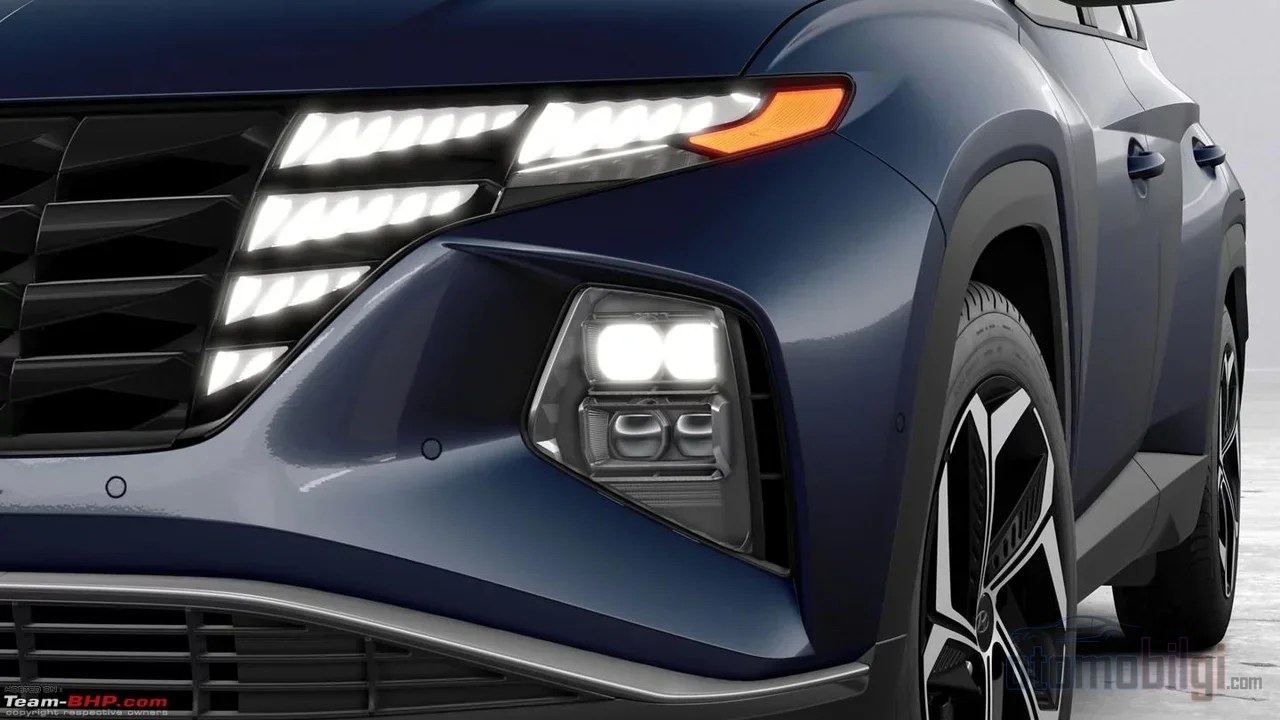
Daytime Running Light: A Safety Feature or a Design Element?
A daytime running light, or DRL, is a safety feature that burns during daylight hours not to illuminate the road for the vehicle, but to ensure the vehicle is seen by other road users, deliberately operating at low brightness. So the answer is clear:…
Read More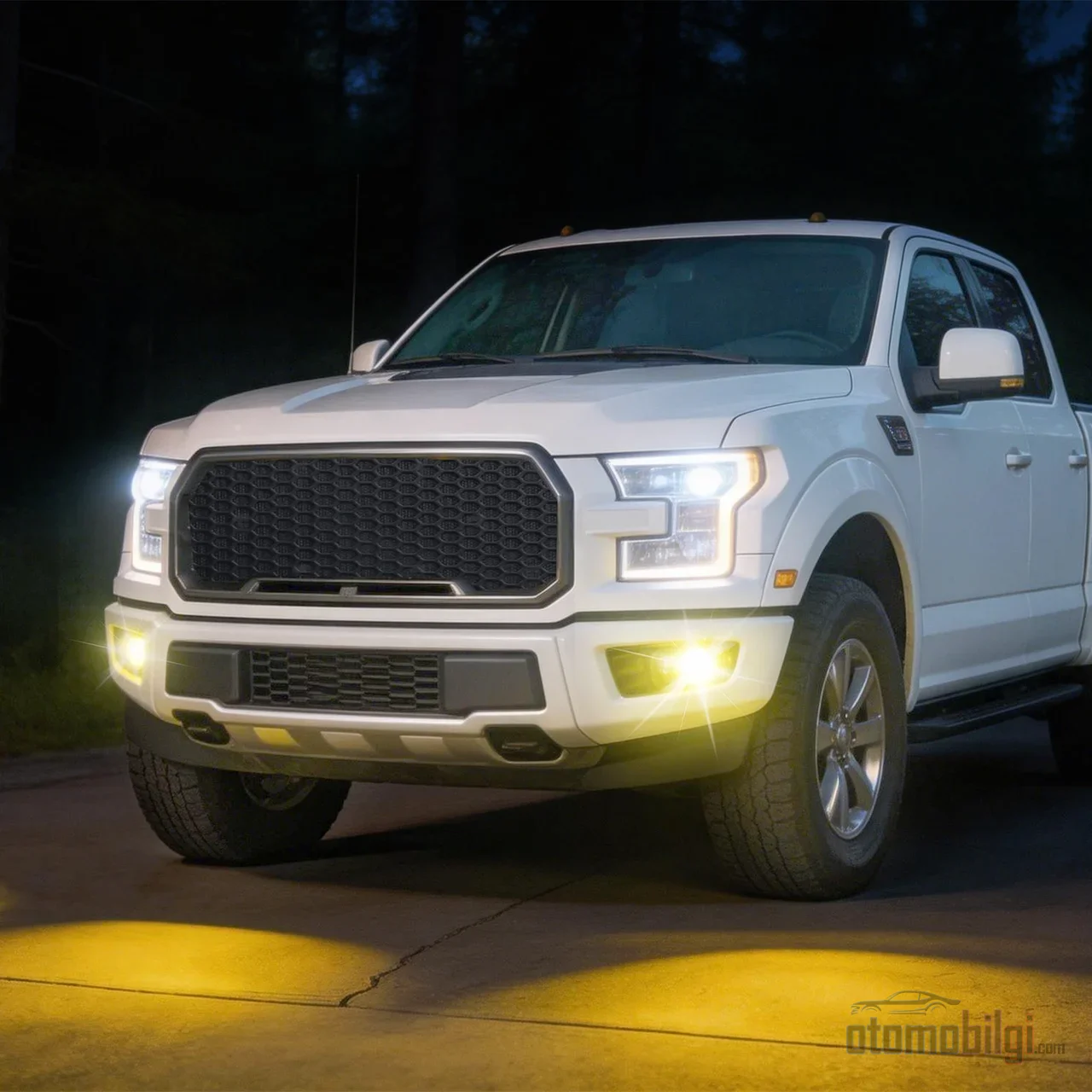
Why Do Fog Lights Glow Yellow? The Wavelength of Light and the Engineering of Visibility
The yellow glow of fog lights is an engineering choice related to how light interacts with fog: the yellow filter filters out the short-wavelength blue-violet light, trimming the wall of glare scattered back into the driver's eyes. The real aim is no…
Read More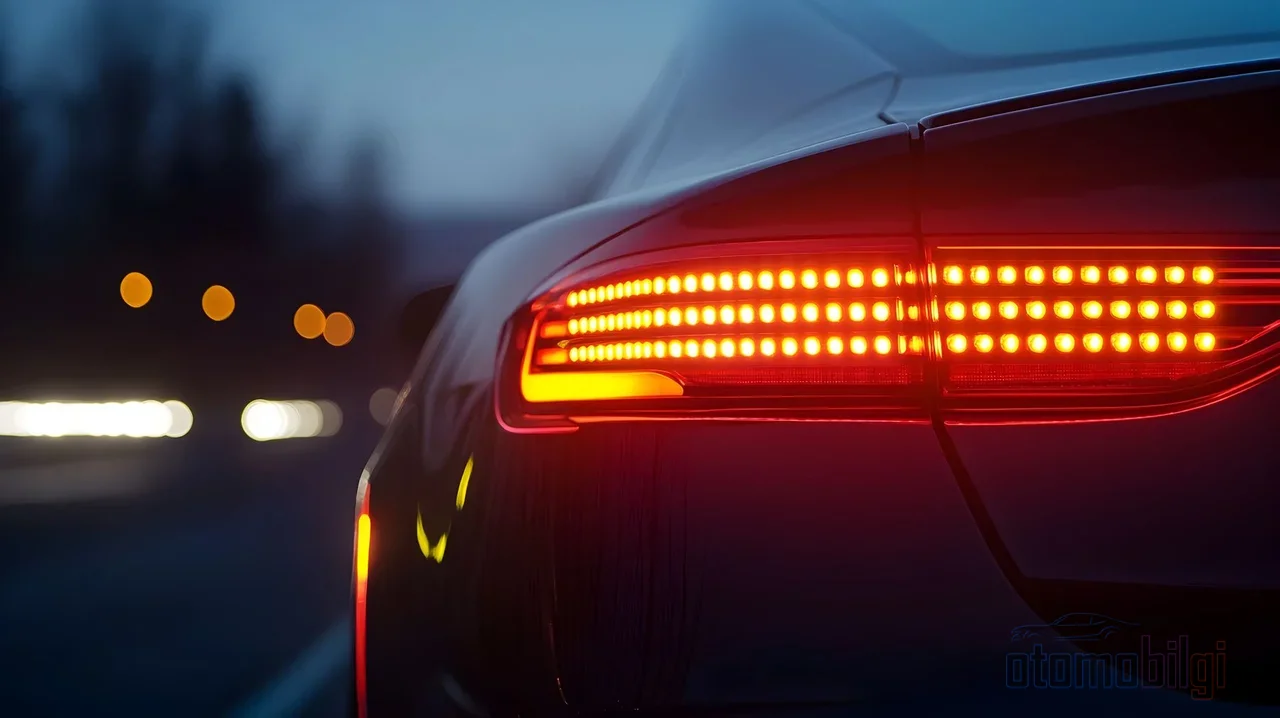
How Does the Dynamic Turn Signal Light Flow in a Sweeping Motion?
A dynamic turn signal, instead of a single bulb flashing at a constant rhythm, is a row of individually controllable LEDs that light up in sequence with slight delays under a microcontroller's command; this sequential illumination makes the light app…
Read More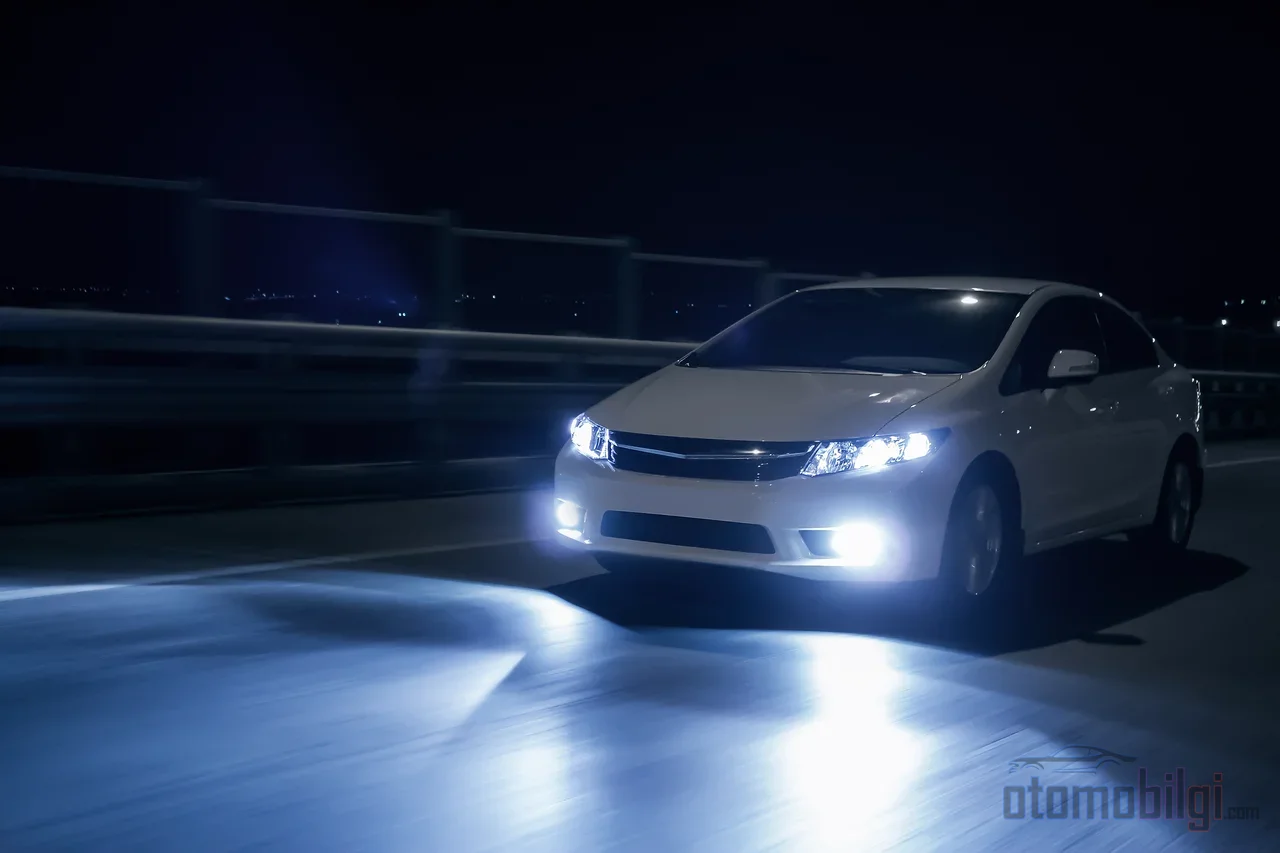
How Does the Automatic High Beam Assistant Make the Decision by Looking at the Camera?
The automatic high beam assistant works with a camera mounted on the upper part of the windshield and a control unit that processes data from light sensors: the moment it detects the headlights of an oncoming vehicle or the taillights of the vehicle …
Read More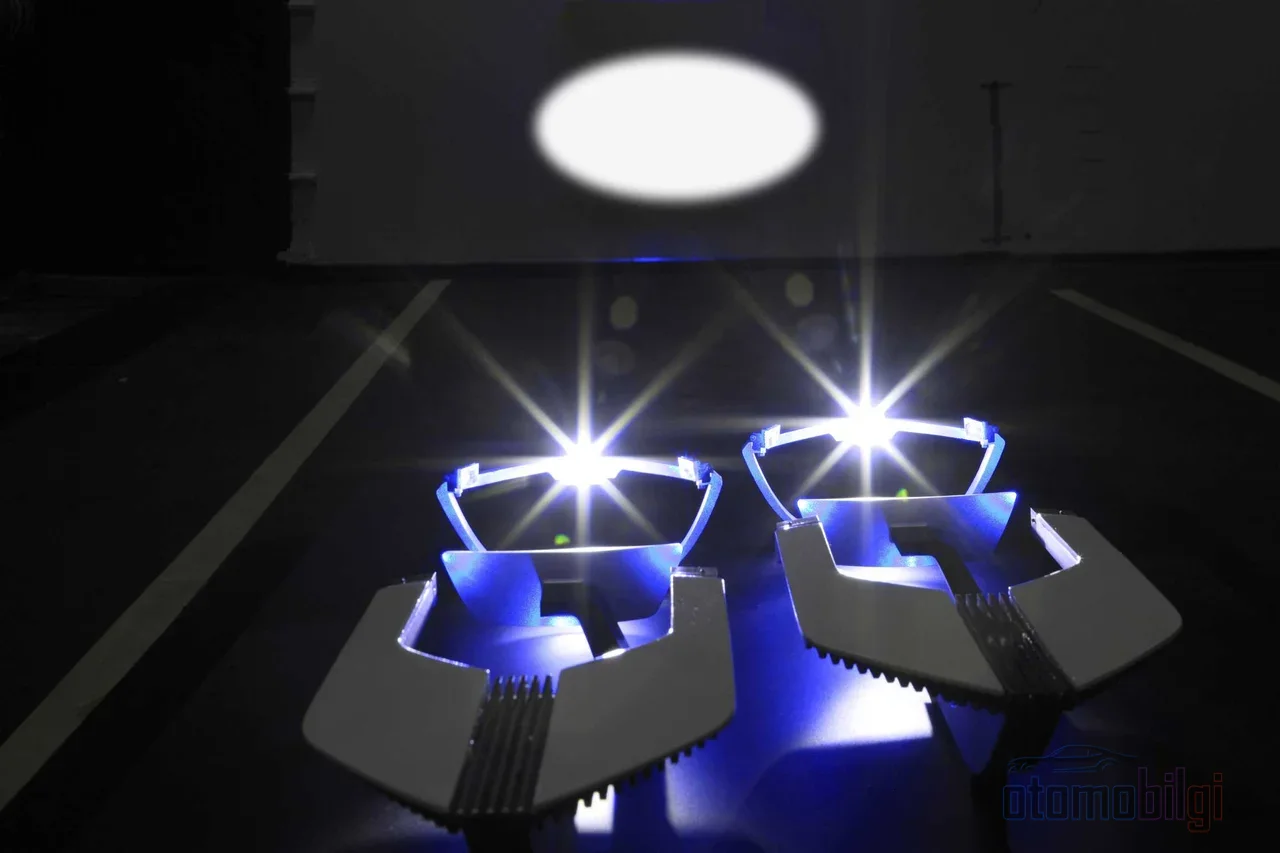
Are Laser Headlights Really Lasers? The Ground and Key Fob Secret
Let's answer briefly: No, laser headlights don't send laser directly onto the road. The small blue laser diodes inside the headlight strike the light onto a phosphorescent surface; this surface converts the light to yellow, and only then is the resul…
Read More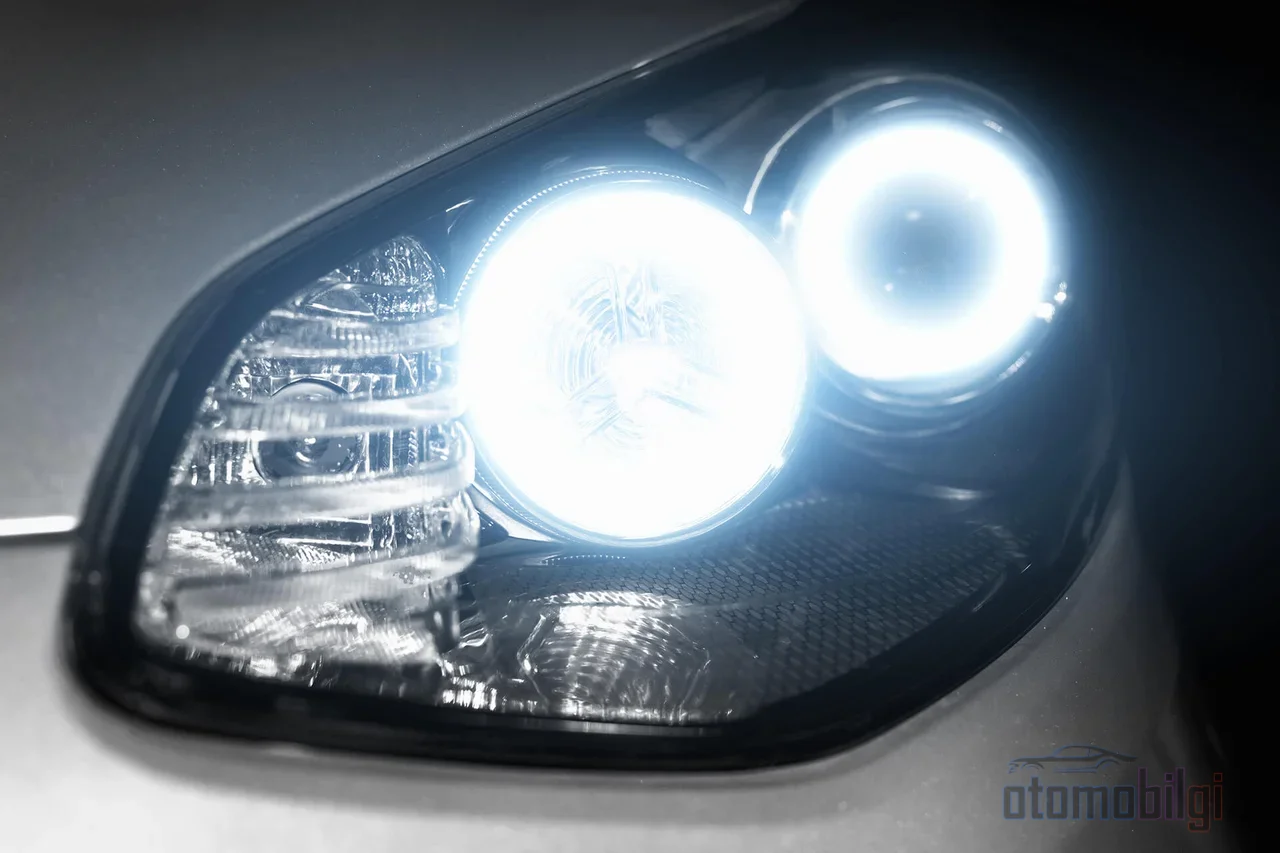
What's Inside a Xenon Headlight? The Engineering of the Arc Bulb and Ballast
A xenon (HID) headlight has no tungsten filament inside; the light comes from an electric arc between two electrodes. To ignite this arc, the igniter sends an instant voltage of up to about 23,000 volts, then the ballast feeds the arc with a continuo…
Read More
Hat Design as a Brand Language: The Communicative Power of Light
In the darkness of night, as you come out of a corner, can you recognize the oncoming car without looking at its badge? Most of the time you can; because today's vehicle headlights don't just illuminate the road, they tell the car's identity. The day…
Read More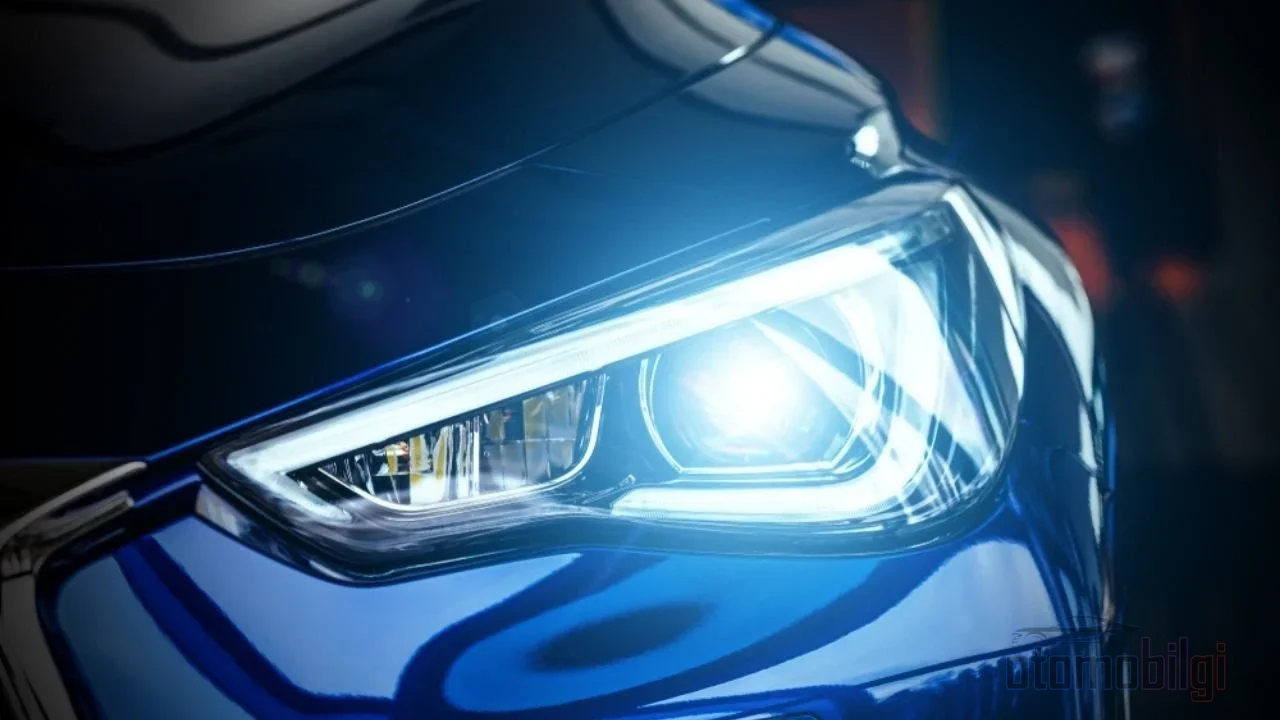
Thermal Engineering in LED Headlights: How Heat Kills an LED
The heat in LED headlights is wasted energy trapped inside the chip that must absolutely be carried out; if left unmanaged, brightness drops first, then the LED permanently ages and dies. While a halogen bulb comfortably expels its heat within the li…
Read More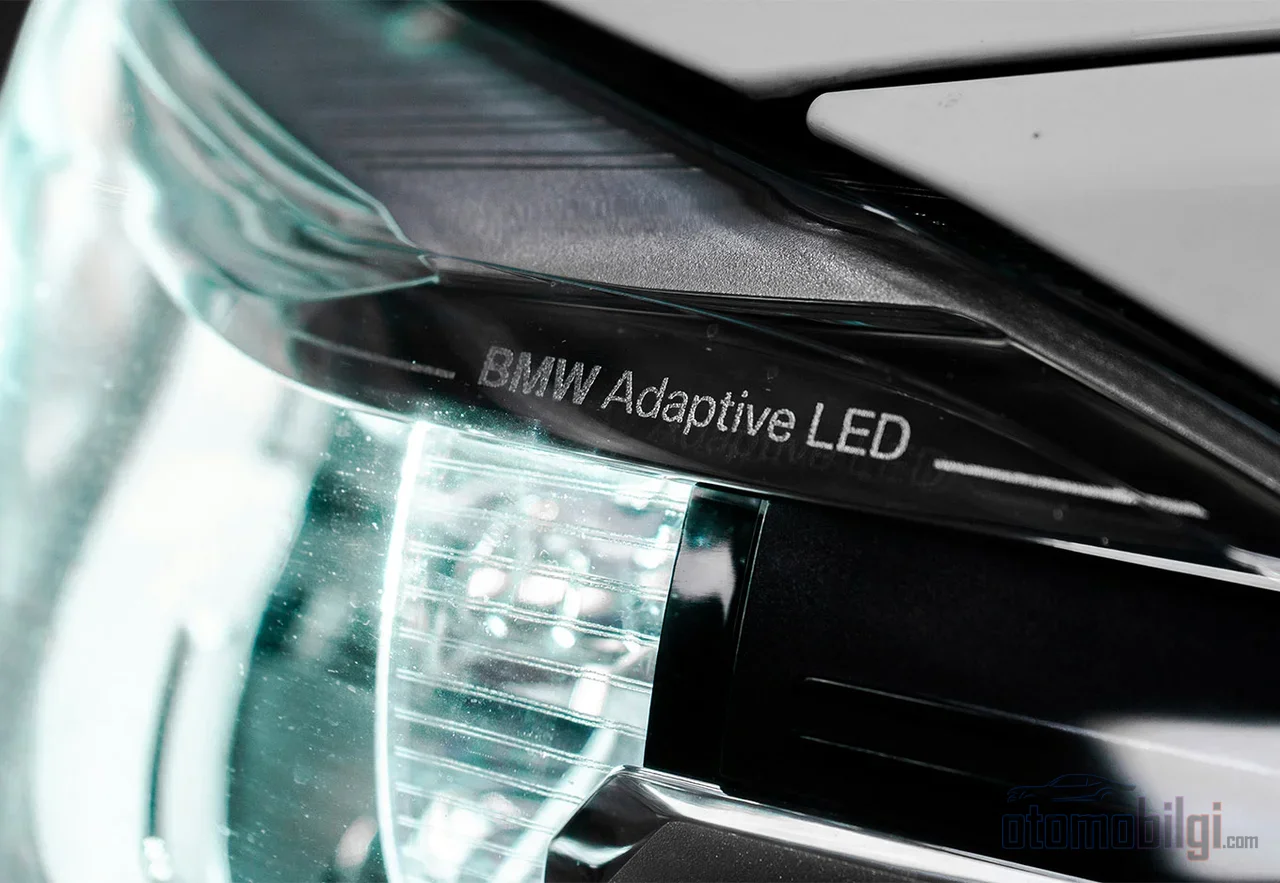
How Does the Adaptive Headlight System Illuminate the Road in Corners?
The adaptive front-lighting system (AFS) is a lighting system that reads steering angle and vehicle speed data to physically rotate the headlight modules on the horizontal axis. The goal is simple: to make the light beam point in the direction of the…
Read More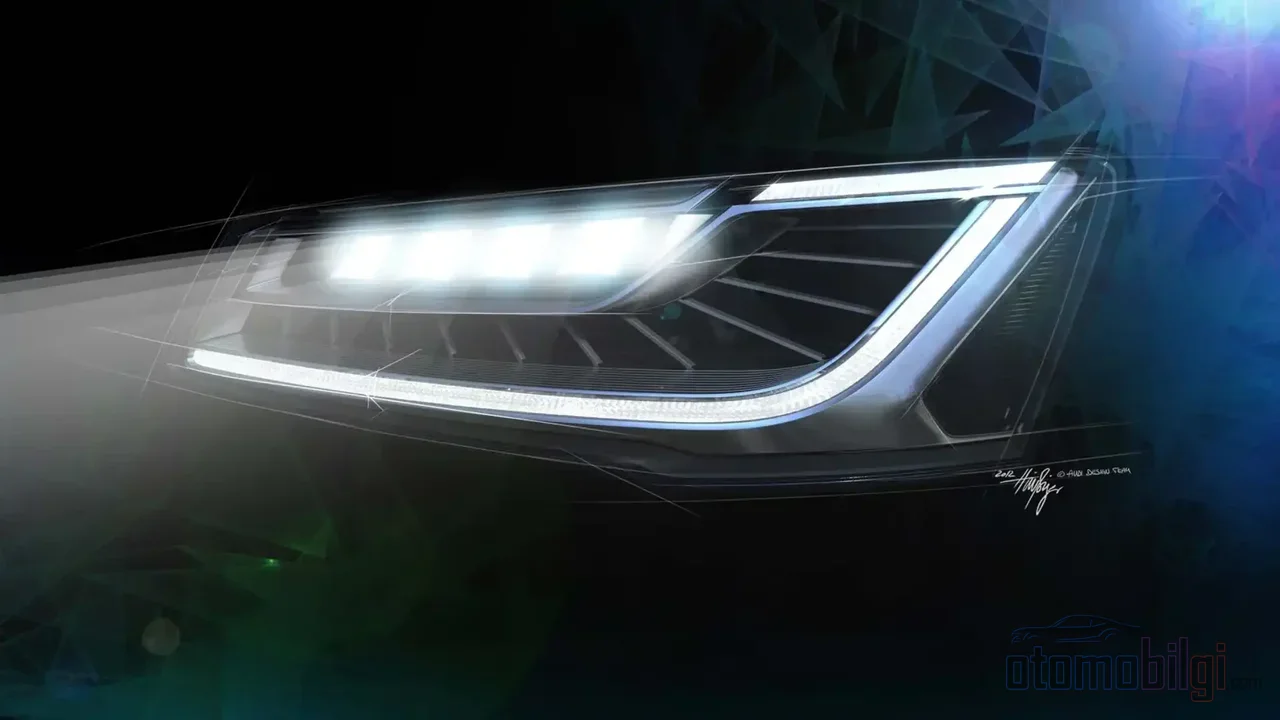
How Does Matrix Night Protect Other Drivers' Eyes?
Matrix headlights are an adaptive driving beam (ADB) system that divides the high beam into dozens or even thousands of independently controllable LED segments. It dims or completely shuts off the LEDs that fall on oncoming or preceding vehicles dete…
Read More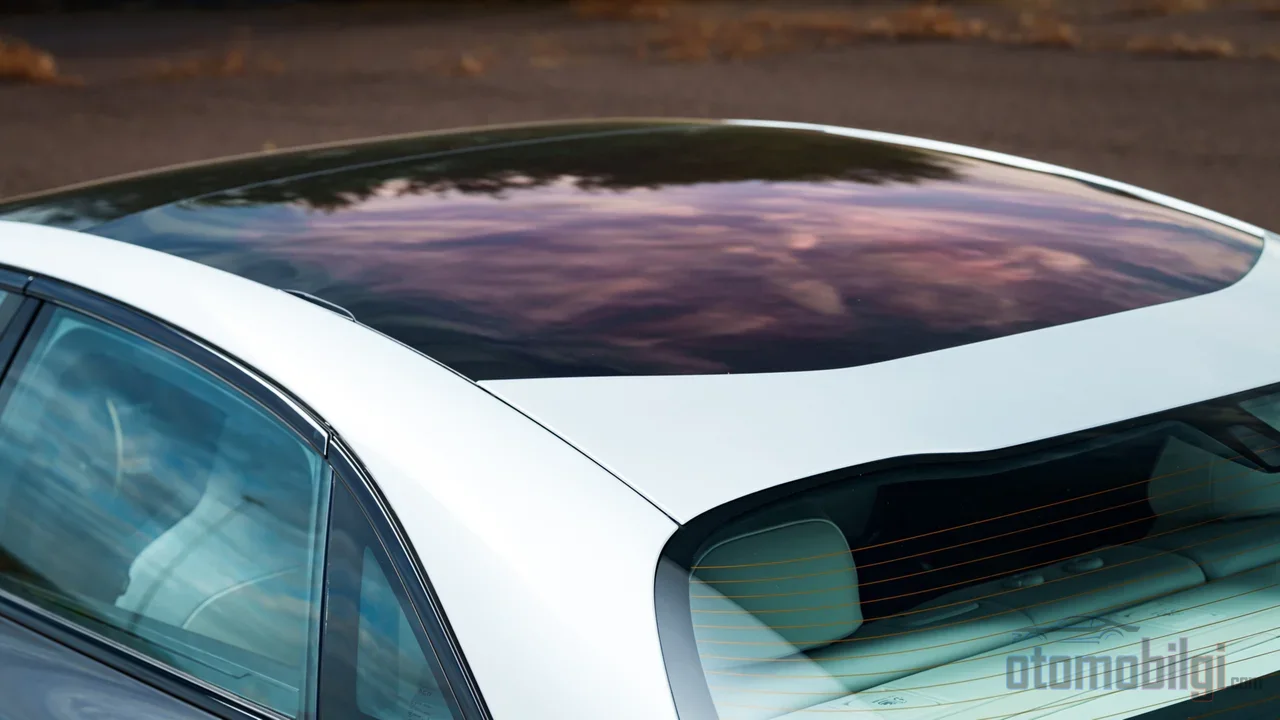
Engineering Electrochromic Glass: Cars with Dimming Windows
Electrochromic glass is a smart glass technology that permanently darkens in color when a small voltage is applied, and becomes clear again when the voltage is reversed. It contains no moving parts whatsoever; the job is done by lithium ions travelin…
Read More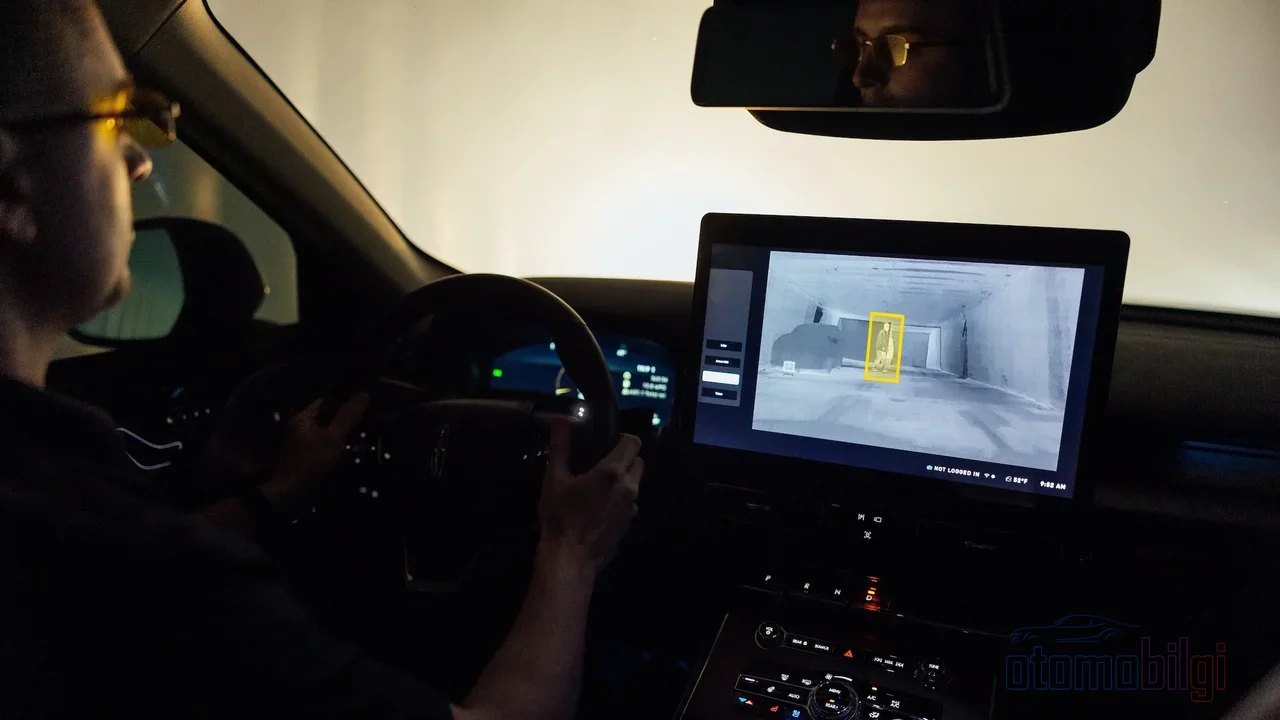
Night Vision and Thermal Camera Systems in Cars
A night vision system is a thermal camera setup that, in the darkness beyond what the vehicle's headlights can see, detects the heat emitted by pedestrians, animals, and vehicles and displays it as an image on a screen. Working with long-wave infrare…
Read More