Tesla FSD Subscription Costs $5,940 Over 60 Months
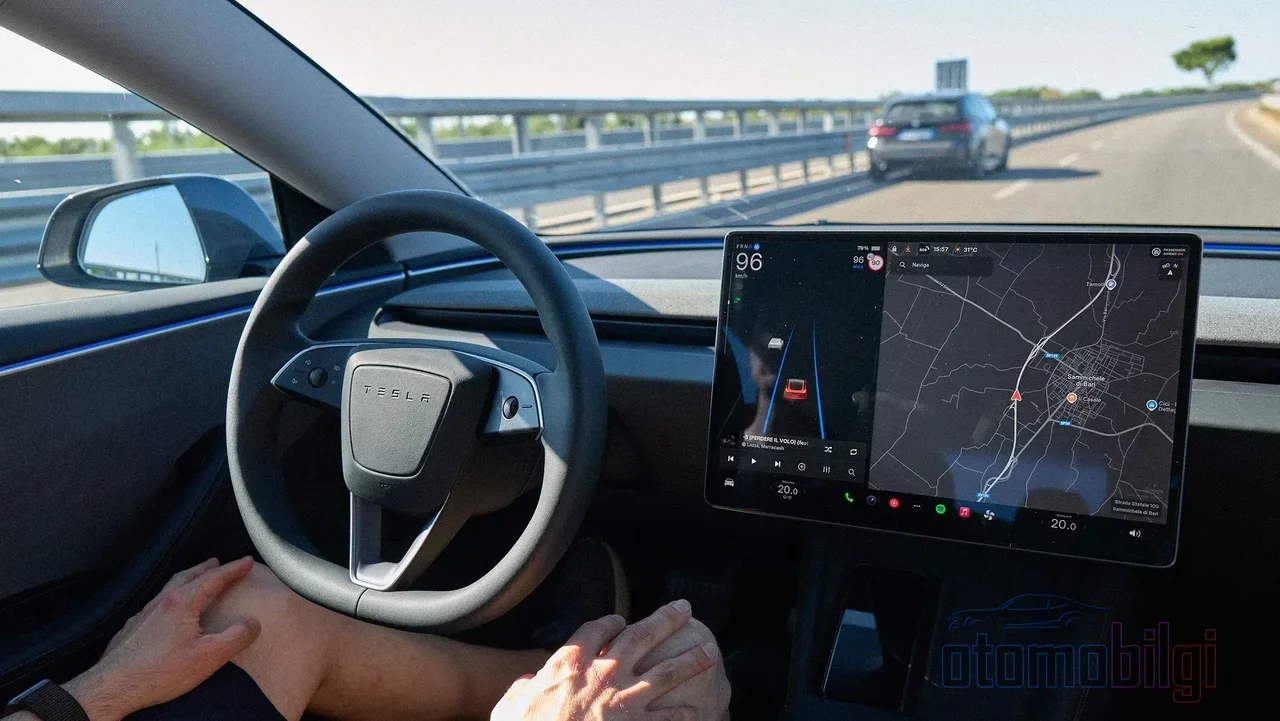
When calculating the total cost of ownership of an electric car, most readers stop at fuel, maintenance and insurance items. Yet as of 2026, there is another item that is steadily growing: monthly subscription fees for features that physically exist in the vehicle but are locked behind software. Pre-heating, power unlock packages or advanced driver assistance systems are now part of many of our monthly bills. So do these items truly and measurably increase the 5-year total cost of ownership? The answer requires looking not at the price of a single subscription, but at the compound effect of subscriptions.
How Did the Software Subscription Model Grow This Big?
In electric vehicles, most features are defined not in the hardware but in the software. The heating element required for heated seats, the motor power needed for extra torque, or the sensor set needed for advanced driver assistance are factory-installed in most vehicles; the manufacturer switches them on and off via software. This structure gave birth to the Features on Demand model: the hardware stays in the vehicle, but it does not work unless you pay a monthly fee. This is a fundamentally different economic relationship from buying a classic hardware package.
The clearest indicator of how quickly the industry is shifting in this direction is Tesla's decision: As of 14 February 2026, new Tesla buyers can use the FSD (Supervised) package not with the 8,000-dollar upfront purchase option, but only with a 99-dollar-per-month subscription. And the result is not speculative: FSD subscriptions grew by 56% in the second quarter of 2026, reaching 1.48 million. For Enhanced Autopilot owners, the subscription is at the 49-dollar-per-month level. In the bigger picture, the electric vehicle subscription market is projected to grow from 2.93 billion dollars in 2026 to 11.37 billion dollars in 2034, with an 18.5% compound annual growth rate.
Highlights
- Tesla removed the 8,000-dollar upfront purchase for FSD; new buyers are left with only the 99-dollar-per-month subscription.
- A 60-month FSD subscription comes to approximately 5,940 dollars; below the upfront price, but it grants no ownership rights.
- Over 5 years and 75,000 km, an electric city car offers an advantage of roughly 7,700 euro compared to its petrol counterpart.
- BMW withdrew its heated seat subscription in 2023 following consumer backlash.
- Electric vehicles lose an average of 57.2% of their value over 5 years; the effect of subscriptions on second-hand value has not yet become clear.
The 5-Year Compound Effect of Monthly Items: Calculating with Numbers
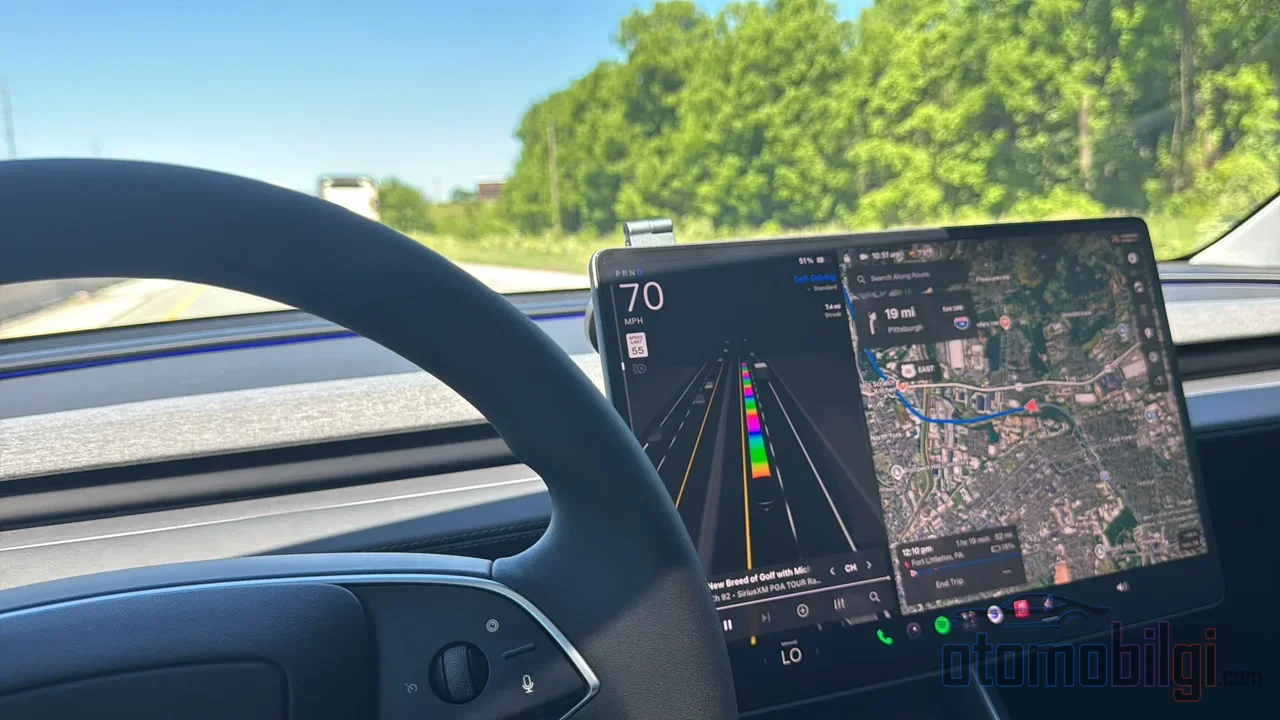
The right way to weigh subscription cost is to add up each item over a 60-month ownership period. It is possible to build this calculation with the concrete examples we have.
How much does each item come to over 60 months?
Tesla FSD's 99 dollars per month reaches 5,940 dollars over 60 months. BMW's heated seat subscription, launched in the UK, was 15 pounds per month; the same amount paid over 60 months adds up to 900 pounds. The interesting thing about this calculation is this: the money paid over five years for the heating wires already present in the vehicle's equipment is, in many countries, more than the cost of a winter tire set. Performance unlocks like Acceleration Boost are, for now, sold for a one-time fee of $2,000; whether they will turn into a subscription is a question debated in owner communities.
| Item | Pricing model | 5-year (60-month) total |
|---|---|---|
| Tesla FSD (Supervised) | $99/month | ~$5,940 |
| Tesla FSD (EAP owners) | $49/month | ~$2,940 |
| BMW heated seat (UK example) | £15/month | £900 |
| Tesla Acceleration Boost | $2,000 one-time | $2,000 |
Subscription or upfront hardware package?
The critical point of the comparison is the break-even calculation. A 60-month FSD subscription, at roughly $5,940, remains below the old $8,000 upfront price. In other words, for a driver who will use the car for five full years and stay subscribed without interruption, the subscription is cheaper on paper. However, this comparison contains two hidden assumptions: first, that the manufacturer will not change the price over 5 years; second, that the subscription will have no residual value when selling the car. While a package purchased upfront is traditionally a value that transfers with the car, a monthly subscription goes with you. In a low-usage scenario, the balance quickly reverses: for a feature that is only subscribed to for a few months a year, the total cost tilts in favor of the subscription. In short, the right answer depends not on the length of use, but on the intensity of use.
Can Subscription Items Eat Into Fuel Savings?
The core economic promise of electric vehicles is the difference in energy costs. Over 5 years and 75,000 km, the total cost of ownership of an electric city car is around 20,050 euros; its gasoline equivalent is 27,750 euros. Most of the roughly 7,700-euro advantage comes from the energy line: while the electric car consumes about 3,250 euros of energy over 5 years, the gasoline one pays around 9,750 euros. The electric car is also clearly ahead on maintenance: about 1,600 euros versus 3,000 euros. Electric vehicle maintenance being 30-50% cheaper than gasoline, brake pad life lasting 2-3 times longer thanks to regenerative braking, and service intervals extending to 30,000 km all feed this difference.
When we place the subscription items into this picture, the ratio becomes clear. A $5,940 FSD subscription is large enough to consume, on its own, nearly the entire roughly 7,700-euro advantage. Even a more modest heating-before-subscription equals, over five years, a significant portion of the electric car's maintenance advantage. The engineering truth that emerges here is simple: each subscription item alone is small, but when considered together, they are large enough to erode the structural advantage of electric ownership.
Consumer Reaction: The Lesson of the BMW Example
Manufacturers charging a monthly fee for hardware already present in the vehicle drew a harsh reaction from some buyers. The most instructive example is BMW: When the launch of a 15-pound-per-month heated seat subscription in the UK sparked growing controversy, the brand was forced to withdraw the subscription in 2023 due to low demand. In Australia, it faced a similar backlash when heated seat and steering wheel subscriptions were offered at prices higher than popular streaming services.
However, the withdrawal does not mean the model has been abandoned. BMW continues its commitment to software-based subscriptions; Mercedes, meanwhile, makes comfort features like massage seats available either for purchase at the configuration stage or for later payment, while shifting subscriptions more toward content and connectivity services. The market message is this: paying for hardware itself is met with resistance, while service-type items are more readily accepted. This distinction is also a useful guide when evaluating which subscription makes sense at the moment of decision.
The Impact on Second-Hand Value: Knowns and Unknowns
On the used-car side, the picture is mixed. It has been observed that electric vehicles with regularly followed software updates can see up to a 15% increase in their second-hand value; current data shows an 8% annual increase in used electric vehicle listing prices, with an average price level of 37,832 dollars. By contrast, long-term depreciation is serious: 5-year-old electric vehicles lose an average of 57.2% of their value, and after five years roughly 60% of the factory price is gone. At this point, battery health is decisive; vehicles with an SoH value above 80% are considered to be in good condition.
To be honest, there is a critical data gap: the effect of subscription-dependent features on a vehicle's value at the time of sale has not yet been reliably measured. It is known that packages purchased upfront are transferred with the car in the used market; how monthly subscriptions are transferred, how they are priced between buyer and seller, and how much value the used-car buyer places on a vehicle's subscription history are only just beginning to take shape in the market. This uncertainty should additionally be written into the cost-of-ownership calculation as a risk premium.
The Moment of Decision: Which Features Deserve a Subscription?
The practical framework consists of three questions. First, how often will you actually use the feature? A monthly payment for pre-heating spread across four months of the year or an acceleration boost package used once a week requires different accounting than a frequently used driver assistance system. Second, can the price change, and what are the cancellation terms? Clarifying before purchase which features require a subscription, the current cost, the likelihood of a price change, and the cancellation provisions is the most effective antidote to post-purchase surprises. Third, can the same feature be purchased as a hardware package upfront? A package paid for once at the configuration stage is generally a more predictable cost over long-term ownership.
When this filter is applied, the picture becomes clear: For features used daily and year-round, if the ownership period is long, a hardware package from the start; for seasonal, low-frequency, or rapidly evolving software, a cancellable subscription is usually the more rational choice.
Conclusion: Do Subscriptions Increase TCO?
Yes, they do; but the magnitude depends entirely on your choice. A $99-per-month driver assistance subscription adds roughly $5,940 over five years, which on its own can completely erode the structural advantage of electric ownership that comes from fuel and maintenance. In contrast, measured subscriptions canceled according to need remain small enough not to significantly distort the total cost of ownership. The rule is this: when buying an electric vehicle, put not only the hardware list but also the software lock table on the negotiating table. What truly determines the 5-year cost is not the turnkey price, but the way you pay for the feature.
Sources
- Electric Cars vs. Gasoline Cars: How Much Will You Really Save in 2026?
- Electric Car Subscription Market Size, Share | Industry Report
- Global EV Outlook 2026: Trends in Electric Cars
- What Automakers Offer App Subscriptions and How Much Do They Cost?
- What Is Car Subscription? Complete Guide 2026
- Tesla Car Subscription: 5 Things to Know
- Electric Car Lease or Buy? A Practical Guide for 2026
- Electric Cars vs Petrol Cars 2026: Which Is Cheaper to Run?