Causes and Solutions of DPF Clogging
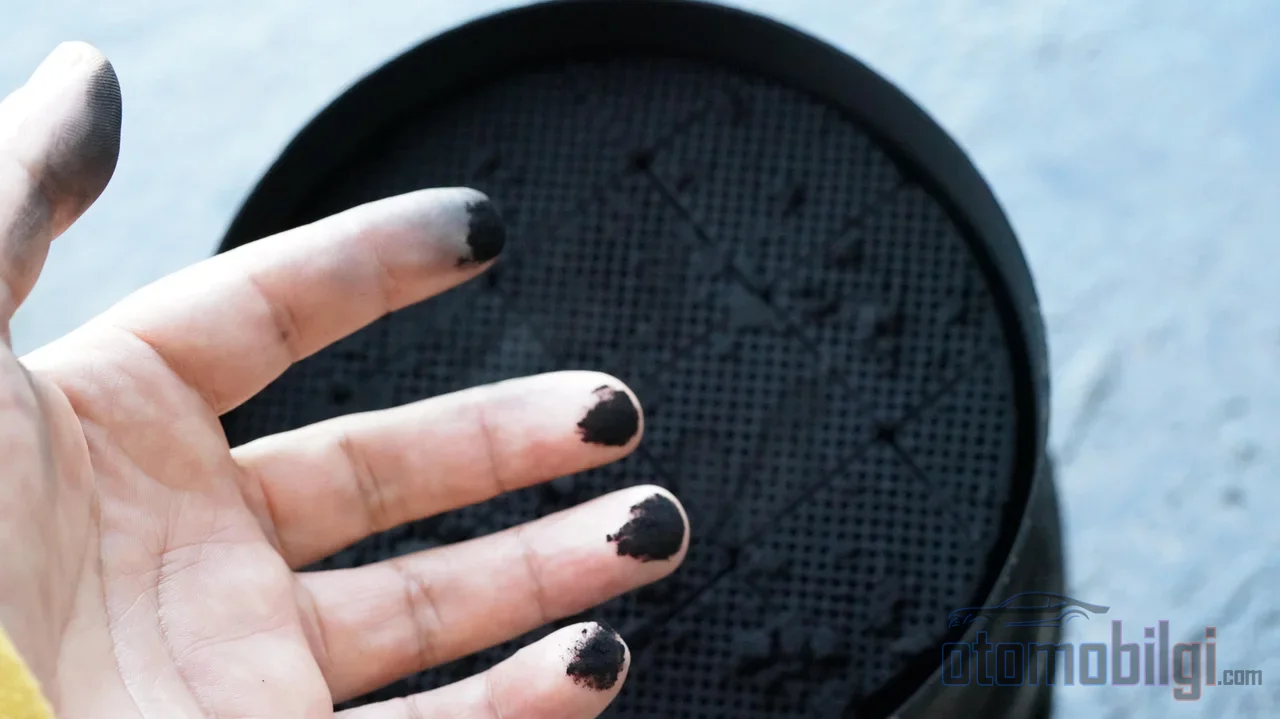
Not every car with the DPF light on carries the same fault. In some cars the filter is genuinely full, while in others the filter is fine but there is a sensor fault that makes it look full. Accepting that the problem has no single cause is the first step toward the right solution: short-trip driving, oil vapor from the EGR, poor-quality fuel, or faulty sensors - each requires a different diagnosis and a different repair. This page separates the real causes of DPF clogging one by one and explains which solution works for each cause.
What Does DPF Clogging Mean: Soot and Ash Come First
The diesel particulate filter is a ceramic structure that traps soot particles in the exhaust gas before they leave the exhaust; it is not an empty catalytic converter box. Over time these particles fill the filter, and the system runs a cycle called regeneration to burn them off and turn them into ash. There are three types of regeneration: passive regeneration, which occurs spontaneously when exhaust temperature rises high enough during normal driving; active regeneration, where the system raises exhaust temperature by injecting extra fuel; and forced regeneration, manually initiated in the service environment with diagnostic software.
To make the diagnosis correctly, two concepts must be separated from the start. Soot is the particulate that can be burned off through regeneration; ash cannot be burned. The main source of ash is the additives in engine oil, and oil additives are responsible for the majority of the ash load inside the DPF. Why does this distinction matter? Because the soot load can be cleaned with correct driving and regeneration; ash, however, can only be reduced by removing and cleaning the filter or replacing the filter. They are not the same repair decision, and a wrong diagnosis leads to unnecessary spending on parts.
Highlights
- Soot can be burned, ash cannot; the two require different repair decisions.
- Driving at least once a week for 20-30 minutes at 80-100 km/h is the most practical insurance for DPF health.
- DPF-equipped vehicles should only use manufacturer-approved oil with a low-ash (low-SAPS) specification.
- Forced regeneration raises the exhaust temperature to above 600°C and takes about 5-10 minutes.
- Deleting the DPF leads to turbo overspeed, engine damage, and the risk of failing the periodic inspection.
Cause 1: Short Trips and Low-RPM Driving
This is the scenario identified in the industry as the number one cause of DPF clogging. Short trips prevent the engine from reaching the exhaust temperature required for passive regeneration; stop-and-go city traffic keeps the temperature constantly low, and regeneration cycles that have started get cut short. Soot load that cannot be reset accumulates each time, and the interval between regenerations keeps getting shorter.
The most misleading factor here is the odometer. A vehicle that idles all week and drives only a few kilometers per trip can be in a far worse DPF condition than a high-mileage highway vehicle. Manufacturers' guide materials paint the same picture: idle running, low-speed 10-15 minute drive cycles, and shutting off the engine before it fully warms up are listed as risky conditions where regeneration cannot be completed. Some manufacturer materials note that in some cases a 30-minute drive above approximately 30 mph may be required. Filter saturation warnings on the dashboard are typical signs that this cycle has been disrupted.
Why is excessive idling a separate risk?
Idling cools the exhaust system and undermines the temperature on which regeneration relies; at the same time, the engine produces more soot. Garbage collection, delivery, and construction vehicles are therefore the most at-risk group: they both idle for long periods and constantly stop and go. The solution in both cases follows the same logic: at least once a week, a 20-30 minute drive at a steady speed of 80-100 km/h provides the conditions needed for the filter to clean itself.
Reason 2: EGR Failure and the Effect of Oil Vapor on Ash Load
A faulty EGR valve disrupts combustion efficiency, producing excessive soot. This extra soot is carried into the DPF and shortens the time between regenerations; while the system attempts cleaning more frequently, temperature management also becomes more difficult. An EGR failure is a problem that stands on the same plane as the filter here: the EGR must be fixed before replacing the DPF, otherwise the new filter will also clog along the same path.
The oil side works more insidiously. Oil vapor that mixes into the exhaust system is the main source of non-combustible ash. Ash combines with soot to clog the filter core and cannot be cleaned by regeneration. This is why only manufacturer-approved oil with a low-SAPS (low ash) specification should be used in a vehicle with a DPF. The wrong oil can measurably shorten the filter's life even in a single service; the right oil, on the other hand, is the cheapest measure that slows ash accumulation in the long run.
Reason 3: Fuel Quality and Injector Problems
High-sulfur fuel and high-percentage biodiesel blends accelerate the DPF's soot loading and increase regeneration frequency. On the injector side, the picture is similar: worn injectors, faulty fuel correction values, and low rail pressure disrupt combustion and increase soot production. The extra fuel used in repeated regenerations can dilute the engine oil over time, which in turn accelerates engine wear - meaning a neglected DPF problem also sends the bill to other components.
A lesser-known chain also starts at the fuel filter: a dirty fuel filter can let dirt pass into the injectors, which can disrupt the fuel dosage going to the filter during regeneration and lead to clogging. A repair focused on the DPF without touching the fuel system brings the problem back because it does not address the root cause. In vehicles where fuel quality is suspected, reading the injector correction values is the diagnosis that should be done before dealing with the filter itself.
Reason 4: Faulty Sensors and False Clogging Reports
Not every DPF warning means a real clog. The differential pressure sensor on the filter measures the pressure difference between the two ends of the filter and sends fill-level information to the ECU. If one link in this chain fails, the system may report a non-full filter as full. Melted hoses, loose connectors, corrosion, damaged wiring, and clogged pressure tubes cause false readings at the sensor; a cracked tube leaks pressure, while a clogged tube prevents the signal from reaching the sensor. Clogged tubes can even convince the ECU to perform an unnecessary regeneration - this time a false report in the opposite direction.
A faulty differential pressure sensor continuously sends incorrect DPF status to the ECU; the result is incorrect regenerations, real soot accumulation, and new failures. The exhaust temperature sensor is also critical: if the temperature data is corrupted, the regeneration strategy will not work at all, because the system cannot know when the exhaust is hot enough. The diagnostic method is clear: checking the connections for tension, testing the hoses for leaks, and applying manual pressure to the sensor to compare the reading against live data. The sensor chain must be verified before making a decision about the filter - otherwise a perfectly good filter is removed unnecessarily.
How to Perform a Correct Diagnosis: Soot or Ash?
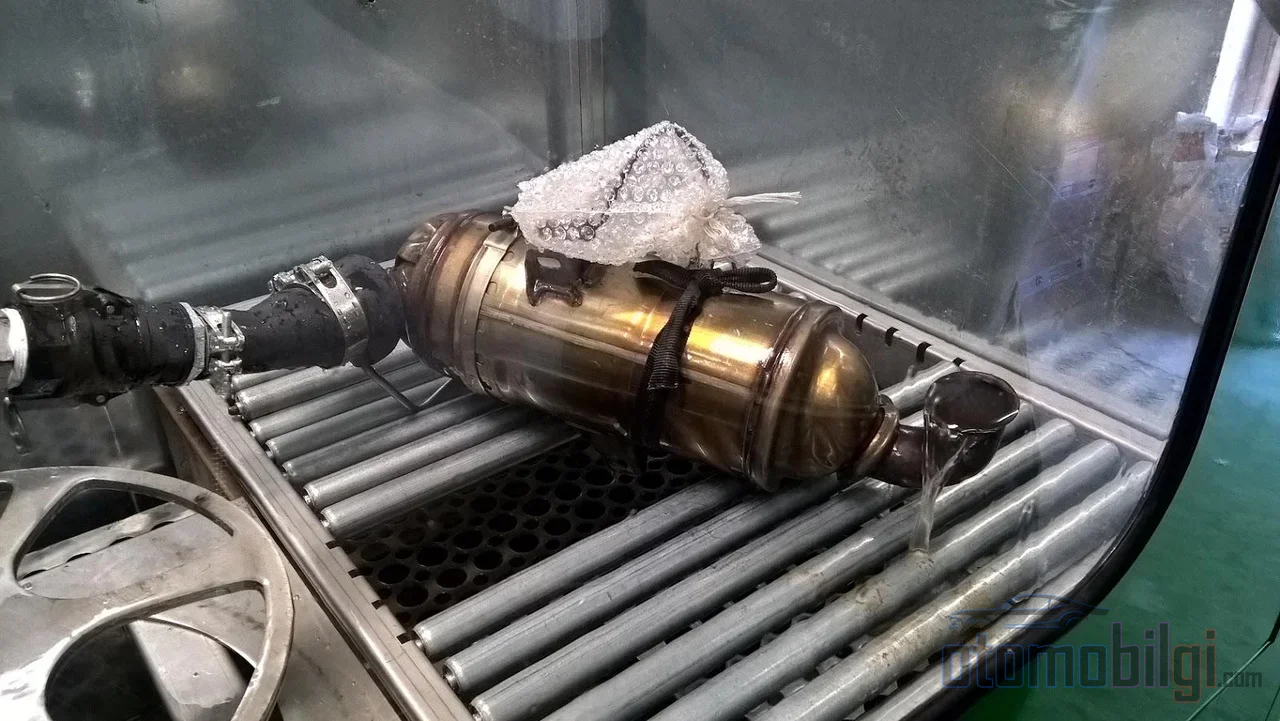
Moreover, live data should be scanned before getting into the vehicle: soot load, ash load, DPF differential pressure, exhaust gas temperature (EGT) data, idle time ratio, completed regeneration history, and current fault codes. This scan is the practical form of the principle "fix the cycle of the problem before buying parts." Typical fault codes also point the way: P2463 indicates soot accumulation, P242F ash capacity and blockage, P2002 indicates that filter efficiency has dropped, while P2452 and P2453 point to the pressure sensor circuit.
The answer to the soot or ash question directly determines the repair decision. If the soot load is high but the system is healthy, a forced regeneration may be sufficient; if the ash load is high, the filter should be removed and cleaned, and if the substrate is physically damaged (melted), it must be replaced without attempting to clean it. If the filter can be serviced, cleaning comes before part replacement. This is also where forced regeneration belongs: when passive and active regeneration fail or the filter is heavily soot-loaded, it is applied as a service routine via diagnostic software. The procedure involves the ECU raising the exhaust temperature above 600°C and takes approximately 5-10 minutes. But it should not be forgotten that: forced regeneration temporarily relieves the symptom but does not solve the root cause. If the software has not marked the process as safe, the regeneration may fail.
Does Highway Driving Fix Everything? Common Misconceptions
If the warning light is only slightly lit and the vehicle drives normally, a 20-30 minute drive cycle at highway speed at full operating temperature can be attempted; this is a pragmatic rule that works for most soot-loaded filters. However, it is wrong to assume that highway driving is a cure-all. High-revving long-distance driving only works on a system that is not heavily loaded with soot and is healthy; if soot load has accumulated, the pressure or temperature sensor is faulty, the EGR is malfunctioning, or the filter substrate is damaged, hours of highway driving will change nothing. If the light does not go off after the drive, the next step is not driving but a sensor check.
Questions about interrupting regeneration halfway also come up frequently: a single interruption is usually not a disaster, but regenerations that are cut off every time pile up soot and shorten the interval to the next regeneration. If constant stop-and-go use is unavoidable, a weekly high-speed drive is the only way to regularly discharge this buildup.
Is Removing the DPF a Solution?
Although popular on user forums, all professional sources point in the same direction: removing the DPF means a permanent risk. When the filter is removed, exhaust restriction disappears and the turbo can over-rev; sudden rises in exhaust temperature can cause components to melt. With incorrectly configured software, the engine can be damaged. On the legal side, the picture is even clearer: removal is illegal for on-road use, and a vehicle without a filter cannot pass the emissions inspection - DPF is mandatory on Euro 5 and Euro 6 diesel vehicles, and a vehicle emitting visible smoke fails the inspection.
It should also be remembered that regulations are tightening: Euro 7 was adopted in 2024 and came into force in 2026; it lowered the particulate limit from the 23 nm threshold in Euro 5-6 to a 10 nm threshold and also brought non-exhaust emissions such as tire and brake particles within its scope. In this respect, removing the filter is not a short-term waste management measure but a long-term compliance problem.
Which Cause, Which Solution? Summary at a Glance
| Cause | Diagnostic Method | Correct Solution |
|---|---|---|
| Short trips and low-rev use | Soot load, regeneration history scan | A weekly 20-30 minute drive at 80-100 km/h; forced regeneration if necessary |
| Excessive idling | Idle hour ratio check | Reducing idle time, regular high-speed driving |
| EGR failure | Error codes, combustion data analysis | Repair or replacement of the EGR valve |
| Oil-related ash load | Ash load data (P242F) | Switching to low-SAPS oil; removing and cleaning the filter |
| Fuel quality and injectors | Injector correction values, rail pressure | Fuel filter and injector maintenance |
| Faulty sensor | Manual pressure test, live data comparison | Replacement of the sensor, hose, or wiring |
As a rough rule of thumb: if the light is on faintly and the vehicle drives normally, first try a full-temperature highway cycle; if the light does not go off, there is power loss, or an active error code has appeared, move straight to a diagnostic scan. A clogged DPF is not a fault in itself but a result with different origins - and the correct solution starts with correctly naming the root cause.
Sources
- Top 5 Reasons Diesel Particulate Filters (DPF) Get Clogged
- Diesel DPF Short Trips & Short Journeys: Regen Problems
- Top 7 Causes of DPF Blockage (And How to Prevent It)
- Ash Accumulation in Diesel Particulate Filters
- DPF Effect on Diesel Injectors: Fleet Guide
- Injector and Fuelling Faults Behind Excess Soot
- DPF Pressure Sensor Problems: Symptoms, Testing
- Passive, Active, and Forced DPF Regeneration
- EU: Cars and Light Trucks - Emission Standards
- Why You Shouldn't Delete Your DPF