What to Do When the DPF and AdBlue Warning Lights Come On?
Share This Page
Don't panic when the DPF and AdBlue warning lights come on, but don't ignore them either: the DPF light usually indicates that the filter has filled with soot and cannot clean itself, while the AdBlue light signals that the fluid is low or that there is a fault in the SCR system. The right response is often as simple as a regeneration drive or a tank of fluid; delaying it leads to costly consequences ranging from restricted power mode to a no-start condition. This guide explains step by step what to do for both warnings.
Key Highlights
- When the DPF light comes on, about 10 minutes of driving at a steady speed of 64 km/h can trigger regeneration
- When the filter reaches about 90% of its soot capacity, it can no longer save itself
- If AdBlue runs completely empty, many vehicles will not restart
- A well-maintained DPF is a component expected to last at least 160,000 km is a component expected to last
- A steady AdBlue light usually means the tank is nearly empty, while a flashing light indicates a more serious fault
Let's Clarify the Picture First: What Do DPF, AdBlue and SCR Actually Do?
There are two separate problems in a diesel engine's exhaust: soot and nitrogen oxides (NOx). A different solution has been developed for each, and each has its own warning light. The diesel particulate filter (DPF) physically traps soot particles in the exhaust gas; it cleans itself by burning the particles it has collected at high temperature. This self-cleaning process is called regeneration. With emissions legislation that came into force in 2009, DPFs became mandatory in all diesel vehicles.
The system working on the NOx side is SCR, or Selective Catalytic Reduction. This system sprays a urea-based additive fluid called AdBlue into the exhaust gas; when heated, the fluid breaks down into ammonia and, in the catalyst, converts NOx into harmless nitrogen and water vapor. AdBlue itself is a cheap and widely available fluid, but in Euro 6 diesels it is critical enough that the vehicle will be software-locked if the system fails. The common ground between the two systems is this: both are designed to work flawlessly under the right conditions, and most warnings are resolved through driving habits or a simple refill.
Why Does the DPF Warning Light Come On?
When the light comes on, it means the filter has reached a significant portion of its soot capacity and has been unable to complete its normal regeneration cycle. The most common cause is frequent short-distance, low-speed driving: regeneration requires the exhaust to reach a certain temperature, and a vehicle used for commuting, taking kids to school, or making no trip longer than 20 minutes during the week can never reach that temperature. The light doesn't come on when the filter is at fault; it comes on when driving habits are at fault.
Habits aren't the only cause, though. A faulty DPF pressure sensor can trigger the light, and neglected maintenance produces the same result. So when you see the light, your first assumption should be a regeneration drive, but if the drive doesn't turn the light off, consider a fault as well.
What to Do When the DPF Light Comes On? Step-by-Step Response
- Take a long drive at a steady speed: A 10-minute journey at a steady speed of about 64 km/h can bring the exhaust temperature to the level where regeneration will be triggered. A highway with an incline is ideal for this.
- Complete the drive in stages: Do not turn off the engine when regeneration starts. Stopping and shutting off the vehicle before the process is finished means soot continues to accumulate and the filter will soon have to regenerate again.
- Watch the light: If the light has gone out, the problem has most likely been solved. If it has not gone out or keeps flashing, service is required.
- Review your habits: Taking a long, dynamic drive at least a few times a month is the cheapest form of protection for vehicles that live in short-distance traffic.
If the light flashes while driving -especially along with the check engine light- the vehicle may want a parked regeneration. In this case, you should stop the vehicle in a safe area and follow the manufacturer's procedure; some vehicles also announce that regeneration has started with a beep. Parked regeneration is a particularly common procedure in heavy vehicles and work machines.
When Should You Go to the Service?
If the regeneration drive does not turn off the light, if the light keeps flashing, or if the vehicle is accompanied by a loss of power, do not waste time. At the service, a mechanic can perform a manual or forced regeneration with a diagnostic device; if necessary, the filter is removed and cleaned or replaced. Let us note a critical engineering point here: forced regeneration should never be performed under any circumstances when there is no warning light. Forcing a burn when there is not enough soot in the filter carries a risk of overheating. This procedure only makes sense with diagnostic data and a valid justification.
The Cost of Ignoring the DPF Warning
The vehicle does not stop immediately when the DPF light comes on; you can keep driving. But as you drive, soot accumulates, and when it reaches about 90% of the filter's capacity, it can no longer save itself. Once this threshold is exceeded, the vehicle, in order to protect the engine, limp home that is, it may switch to restricted power mode; the worst-case scenario is the engine shutting down completely.
A filter loaded with soot creates high back pressure in the exhaust line. This pressure not only disrupts performance and fuel consumption; if it persists continuously, it can damage the piston rings and turbocharger. The classic symptoms of a clogged DPF are as follows:
- Power loss and reluctant acceleration
- Deterioration of fuel economy
- Black smoke
- Hard starting and frequent regeneration attempts
- Multiple warning lights on the dashboard
The math is simple: with proper care, the DPF is a component expected to last at least 160,000 km. Replacing it with a new filter, however, costs many times that distance. Solving the problem today by setting aside 20 minutes of your time is always cheaper than paying a filter bill tomorrow.
When the AdBlue Light Comes On: Steady Light or Flashing?
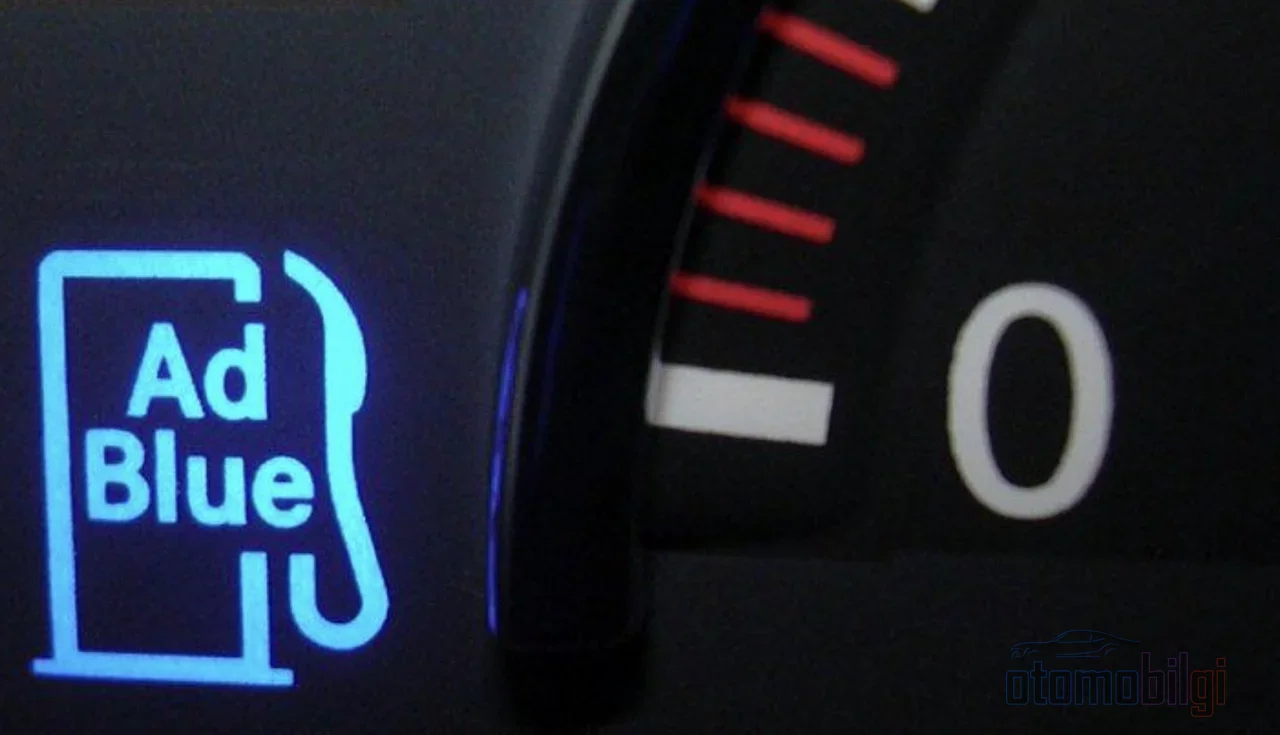
The AdBlue warning lamp tells two different things: low fluid level or a fault in the SCR system. Distinguishing between the two is the first step of the correct intervention.
| Light Status | Possible Meaning | First Thing to Do |
|---|---|---|
| Steady light | Tank is almost empty | Fill AdBlue and close the filler cap properly |
| Flashing light | A more serious SCR problem | Have the error codes read and consult a service center |
| Light + countdown message | Restart prevention warning | Immediate refill and/or diagnosis |
| Light that stays on after refilling | Sensor/pump failure or an unreset system | Diagnostic scan |
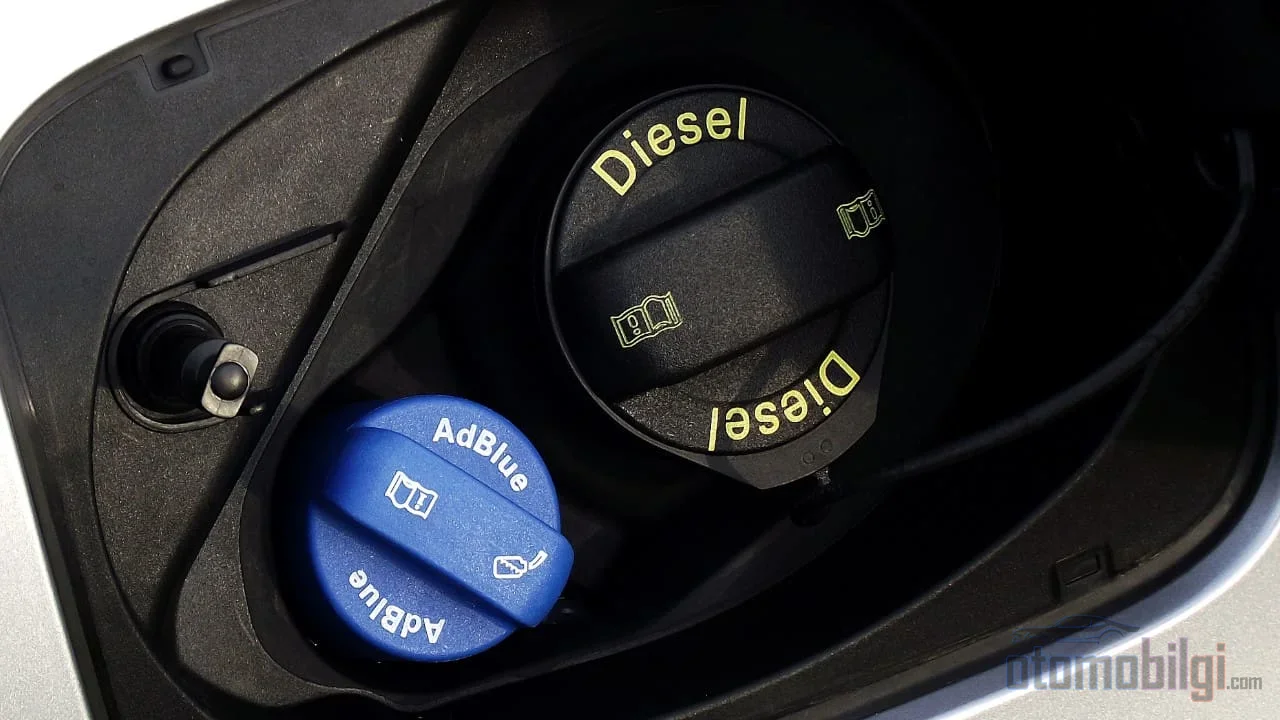
When you see a low level warning, act quickly but don't panic: the vehicle gives you a limited driving range and expects you to refill before the tank runs empty. When refilling, make sure the filler cap is fully closed. In some vehicles, a simple reset is enough for the light to go off after refilling - for example, turning the ignition on without starting the engine. The procedure varies by manufacturer; some vehicles recommend model-specific steps such as turning on the ignition and holding down the accelerator pedal. The method in your vehicle's owner's manual is always the decisive one.
I Filled AdBlue But the Light Didn't Go Off: Why?
This is the situation that most often confuses drivers, and there are multiple explanations. First, the system itself may not have been reset; some vehicles turn off the light only after a specific driving cycle following a refill. Second, the problem may have nothing to do with the fluid level at all: a faulty NOx sensor, a broken DEF (diesel exhaust fluid) quality sensor, a pump failure, or injector nozzles clogged by crystallization can keep the light on even when the fluid is full. In other words, adding AdBlue is not always the solution - especially if the light is flashing, there may be an underlying SCR failure.
The healthiest way is to read the error code with a good diagnostic device. The code clarifies whether the problem is in the sensor, the pump, or the fluid quality. On the repair side, typical steps include checking the fluid quality, inspecting crystallization buildup, cleaning the affected components, and verifying sensor function.
Is the Restart Block Real? Toward the Final Stage of SCR Failure
Yes, it's real. When AdBlue is completely empty, many vehicles will not restart. This is not a punishment but a direct consequence of emissions legislation: if the SCR system is not working, the vehicle emits NOx above the legal emission limit, and manufacturers have coded a restart prevention into the engine control software to prevent this. Many vehicles give you a limited range, warning you before the tank runs empty; once that range is used up, the vehicle refuses to restart even while running.
As the SCR failure progresses, the picture becomes even more concrete: when the ECM detects a problem with the diesel exhaust fluid quality, the NOx sensor reading, or the catalyst efficiency, it records a fault code. In some vehicles, the dashboard may even display warnings with a minute countdown indicating that engine power will be gradually reduced. If you see such a countdown message, don't waste time; your range may be shorter than you calculated.
Preventive Maintenance Checklist for Diesel Vehicle Owners
At the root of both warning lamps is the same thing: systems not being operated under their design conditions. Prevention is always more predictable than repair, and it is simple enough to be summed up in the list below.
- Take at least a few long drives of 30-40 minutes per month at varying speeds
- When you see the AdBlue warning, refill without delay; do not let the range indicator approach zero
- When refilling, use quality AdBlue that complies with the manufacturer's specifications
- Stay away from DPF and AdBlue system removal (delete) attempts; a removed DPF is an instant cause of failure in the vehicle inspection and carries legal risk
- When you notice signs of power loss, black smoke, or frequent regeneration, get a diagnosis without waiting for the light
Also remember an indirect benefit of AdBlue: the SCR system allows the engine to be tuned for more efficient combustion and, when working correctly, contributes to fuel efficiency. In other words, these systems are not just a burden you carry to meet regulations; they are part of your engine's design.
Summary Decision Table: Which Warning, Which Urgency?
When multiple lights come on the dashboard, drivers usually cannot tell which one is urgent. The summary below shows the severity of each warning and the reasonable first response at a glance.
| Warning | Urgency | First Response |
|---|---|---|
| DPF light stays on steadily | Medium - resolve within the day | 10 minutes of driving at a steady ~64 km/h |
| DPF light is flashing | High | Park regeneration or service |
| AdBlue low level warning | Medium - before the range runs out | Tank refill |
| SCR system fault | High | Diagnosis, fault code reading |
| Restart countdown | Critical | Immediate refill and diagnosis |
The bottom line is this: every warning light on a diesel vehicle is not a joke, but a line of telemetry. The DPF light reports your driving profile, and the AdBlue light reports the fluid and sensor status of the system. The driver who reads the data protects both the filter and the wallet.
Sources
- Driving with the DPF light on: How long is safe? | Caura
- Diesel particulate filters: guide to DPFs - RAC
- What is AdBlue? Why does your car need it? - RAC
- AdBlue warning light on - What it means - Repsol Lubricants
- How to Reset a Mercedes-Benz AdBlue Warning Light - Stratstone
- AdBlue warning light on: what does it mean? - klavkarr
- AdBlue Malfunction No Engine Start: What to Check First - Leicester Remaps
- DPF Lights | What to Look for When They Come On - Tracey Road
- What Is DPF Clogging? Causes, Symptoms, and Fixes - Fuelox
- Diesel particulate filter (DPF) warning light - webuyanycar
- Top SCR System Fault Fix Guide for Fleets - Enviromotive
- SCR System Fault: What It Means, Causes, and How to Fix It - Keller-Heartt
- Diesel SCR System Fault Code: 2026 Troubleshooting Steps - DieselEngineKing
- AdBlue requirement of new Euro 6 diesels may cause issues for unprepared fleets - Fleet World