What Is the EGR Valve For and What Happens If It Gets Clogged?
Share This Page
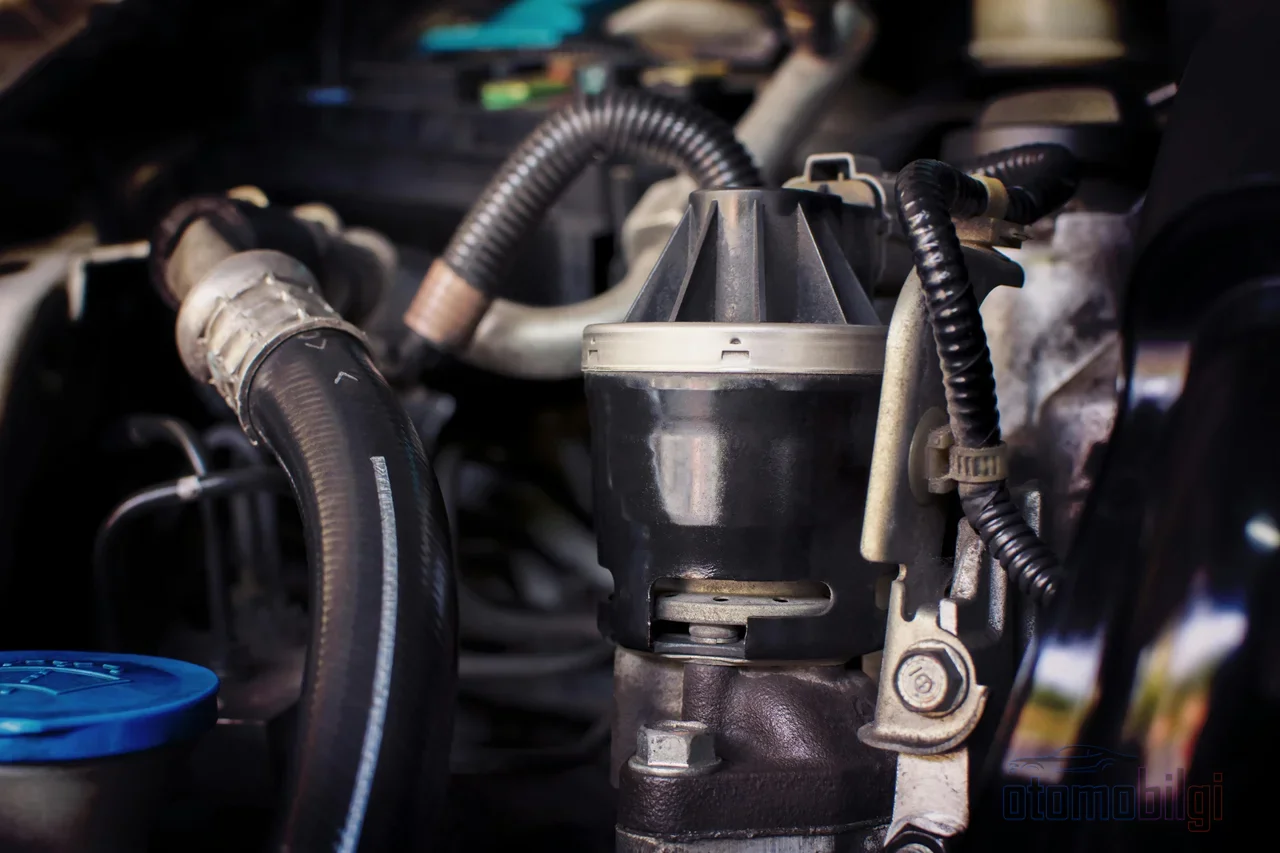
The EGR valve is an emissions control component that lowers combustion temperature by recirculating a small portion of exhaust gas back into the cylinders, thereby preventing the formation of nitrogen oxides (NOx). In spark-ignition engines, approximately 5-15% of the exhaust is recirculated; in diesels, this ratio at idle can rise to as much as 50%. When the system works, it protects the engine; but when it clogs, it manifests itself with symptoms ranging from fluctuating idle and loss of traction to the warning light and increased fuel consumption.
Highlights
- By lowering the combustion chamber temperature by up to 150°C, EGR reduces NOx formation.
- Approximately 80% of air is nitrogen; when the temperature exceeds approximately 1370°C, nitrogen becomes reactive and forms NOx.
- The biggest cause of failure is carbon buildup; the valve can stick in either the open or closed position.
- In most cases, a clogged valve can be cleaned; if the valve itself is faulty, replacement is necessary.
- EGR, together with DPF and SCR, forms the emissions chain of the modern diesel; when one has a problem, the others carry the load.
Why Was the EGR System Created? The Source of the NOx Problem
The answer lies in a simple physics problem: the temperature inside the cylinder. Approximately 80% of air's composition is nitrogen, and this nitrogen is inert under normal conditions. However, at peak cylinder pressure, when the temperature exceeds approximately 1370°C, atmospheric nitrogen begins to combine with oxygen, forming nitrogen oxides, or NOx. NOx is among the pollutants associated with acid rain, smog, and respiratory diseases, which is why it ranks among the most tightly regulated items in emissions legislation.
This is exactly where the logic of EGR (Exhaust Gas Recirculation) comes into play: exhaust gas does not support combustion because its oxygen content is greatly reduced. When sent back into the cylinder, it replaces atmospheric air, dilutes the mixture, slows combustion, and peak temperatures drop. A lower temperature means less NOx. According to manufacturer data, this cooling can reduce the combustion chamber temperature by up to 150°C; a measurable and verifiable effect.
Emissions are not the system's only function. In downsized turbocharged gasoline engines, EGR reduces pumping losses and increases knock tolerance. In diesels, it softens the harsh idle rattle. So although its purpose is environmental, from an engineering standpoint it is also part of combustion control.
How Does the EGR Valve Work and Under What Conditions Does It Engage?
The valve is a two-position passage that opens and closes depending on the engine's operating state. It is closed during startup; at idle it can open up to 90%; at full throttle and high torque demand, it closes because the cylinder needs oxygen. EGR is not used under load, because it reduces peak power. An interesting detail: at idle, very high ratios inevitably produce unstable combustion and fluctuating idle, so control precision is critical.
In modern diesels, the recirculated gas usually passes through a heat exchanger, i.e. an EGR cooler; uncooled designs are called "hot gas recirculation." On the valve side there are two main implementations: mechanical valves operated by manifold vacuum and digital valves (solenoid or stepper motor type) that receive a PWM signal from the ECU. On the diesel side, the architectural choice also matters:
- High-pressure diesel EGR: It recirculates gas rich in soot from before the DPF; soot and oil vapor combining can form sludge-like deposits.
- Low-pressure diesel EGR: It returns gas from after the DPF that is nearly soot-free; it is a cleaner solution in terms of deposits.
- Gasoline EGR: It works like its high-pressure diesel counterpart; cylinder intake vacuum draws the gas.
Why Does the EGR Valve Clog? The Mechanics of Carbon Buildup
The biggest cause of failure is not the valve itself but the gas passing through it: carbon particles in the exhaust gradually accumulate in the valve's passages, connecting tubes, and the valve's pin mechanism. At some point this buildup jams the valve in either the open or closed position; a torn diaphragm and vacuum leaks are also among the causes of failure. The problem is even more pronounced in high-pressure diesel EGR, because unfiltered gas carries soot and oil vapor, forming a sludge-like layer. Sticky deposits can form where the EGR merges with the crankcase ventilation (PCV), in the intake manifold, and in parts such as swirl flaps.
In diesels the picture goes one step further: since the exhaust is returned to the cylinder without being filtered, abrasive carbon particles wear down the piston rings and cylinder surface, and because they mix into the crankcase oil and can pass through typical oil filters, they contribute to wear throughout the engine. EGR also reduces thermal efficiency by lowering the specific heat ratio of the gases, and by disrupting combustion completeness it increases soot emissions. In other words, the system tries to recycle the very dirt that is its own byproduct - that is one of the hardest realities of emissions technology.
What Are the Symptoms of a Clogged EGR Valve?
The set of symptoms varies depending on the position in which the valve is stuck, and knowing this distinction makes diagnosis considerably easier:
- If the valve is stuck open: Unburned exhaust gas disrupts the air-fuel ratio; power loss, poor acceleration, fluctuating idle, and turbo boost leakage occur. At idle, the tachometer needle jumps.
- If the valve is stuck closed: Since EGR is cut off, combustion temperatures rise, NOx emissions increase, and fuel efficiency drops. In gasoline engines, high temperatures pave the way for knocking (detonation).
- In both cases: The check engine light may come on, fuel consumption increases, and black exhaust smoke may be visible in diesels.
In practice, the most commonly encountered picture is the combination of idle fluctuation and loss of traction accompanied by the check engine light. In most cases, a clogged valve can be cleaned; where the valve has mechanically failed, replacement is the only option.
How Does EGR Work Together with DPF and SCR?
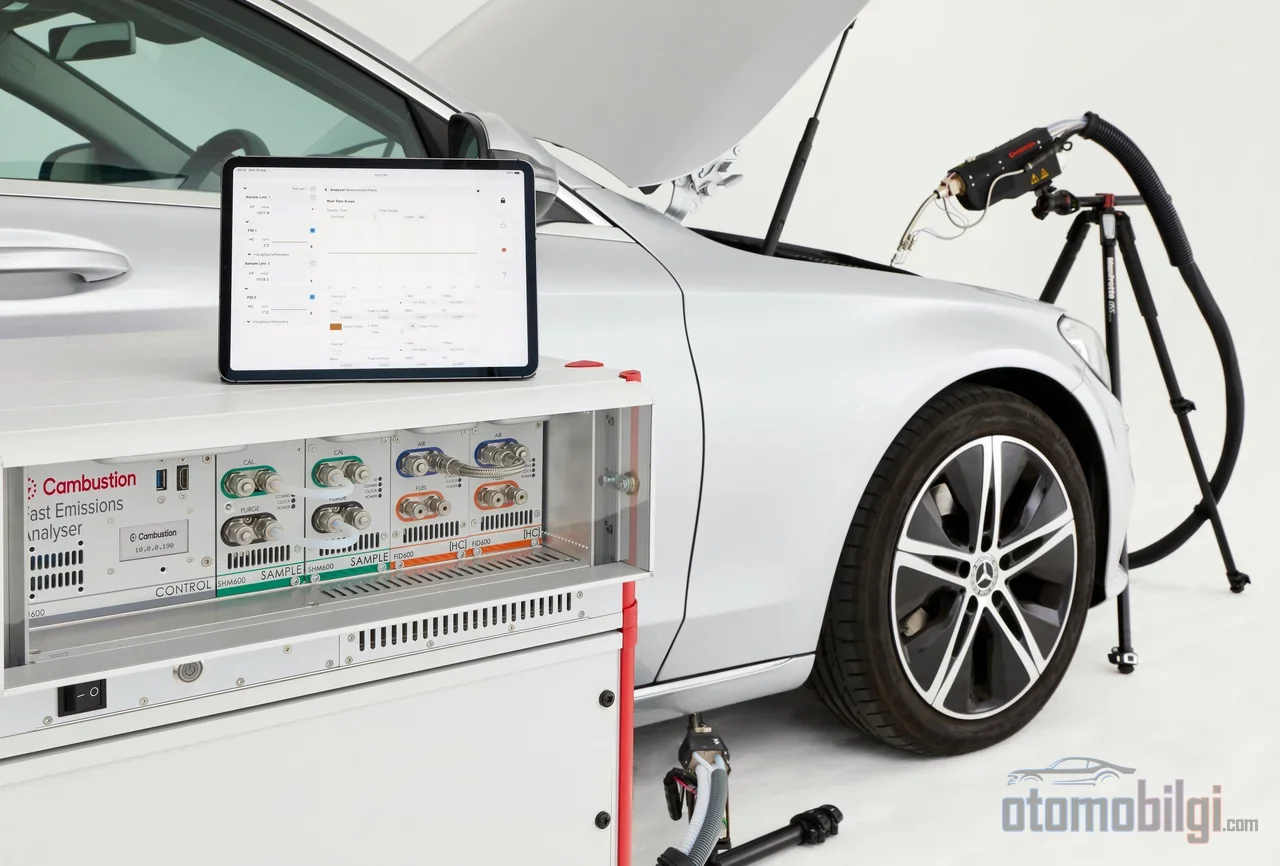
A modern diesel's emissions chain consists of three layers, and EGR is the first link. EGR reduces NOx formation at its source inside the cylinder; the DPF (diesel particulate filter) traps soot in the exhaust; SCR converts the remaining NOx at the exhaust outlet into harmless nitrogen and water using a urea solution (DEF/AdBlue). These three are not independent of one another but parts of a complementary chain: when one has a problem, the others carry the load.
The interactions involve subtle details. EGR's soot-increasing effect is one of the main reasons the DPF became mandatory to meet stricter particulate regulations; in return, the backpressure the DPF adds to the exhaust takes a share from fuel efficiency. More importantly, high EGR rates weaken the DPF's passive regeneration, the process in which NO2 acts as the soot burner; this forces active regeneration, done by injecting diesel directly into the oxidation catalyst. In other words, every deviation in EGR ripples like a wave through the systems at the end of the exhaust. Academic literature also confirms this synergy: it has been shown that EGR and SCR can be used together for NOx reduction.
| System | Location | Function |
|---|---|---|
| EGR | Inside the cylinder | To reduce NOx formation at its source by lowering combustion temperature |
| DPF | Exhaust line | To capture and trap soot (particulate matter) |
| SCR | Exhaust outlet | To convert remaining NOx into nitrogen and water using AdBlue |
EGR Delete: Is It a Solution?
One of the suggestions faced by owners of high-mileage diesel vehicles is to remove the system entirely. Its advocates promise more power, better fuel economy, and a simpler engine. The opposing arguments rest on measurable risks: when EGR's temperature-lowering function disappears, exhaust valves become more prone to burning; emissions compliance is lost, and system removal is illegal in most jurisdictions. The effect of removal on fuel economy is also not as clear-cut as thought; community reports indicate that vehicles with the system removed achieved no measurable improvement, with consumption changing in amounts too small to notice. To be frank: a typical "EGR-only" delete, where the DPF and SCR remain intact and only the EGR is disabled, does not require an exhaust modification; however, this does not make the outcome legal or wise. In terms of longevity, the balance is strange: when the system stays in place, wear reduces engine life; when the system is removed, it puts the valves at risk of burning and can leave the vehicle undrivable. The most reasonable path in practice is the first category of the classification: repair, meaning cleaning or replacement.
How to Clean a Clogged Valve and When Is Maintenance Needed?
Since carbon buildup is by itself the biggest cause of failure, cleaning is the first step in most cases. The method followed in practice is as follows: cleaner spray is applied to the valve and its passages, thick deposits are softened mechanically, then scraped off with a soft-bristled brush or a toothbrush and rinsed with brake cleaner. If the deposits have become excessively dense, it is recommended that the intake manifold also be removed and cleaned; because even if the passages are clean, the deposits remaining inside the manifold are carried back to the valve.
As a lighter approach, it is suggested that driving at medium RPM after the engine reaches operating temperature may help clean the valve; however, the effectiveness of this method is debatable and it is not sufficient on its own for heavy blockages. The decision rule is clear: if the buildup is at a cleanable level, cleaning is sufficient; if the valve pin is stuck, the diaphragm is torn, or the digital valve's actuator is faulty, the part is replaced. After cleaning, do not forget to clear the fault codes and relearn the idle.
The Future of EGR in the Age of Euro Standards
EGR has become increasingly central in every period when emissions regulations tightened. The earliest systems in the 1970s consisted of a simple orifice jet and produced problems such as hard starting, fluctuating idle, and losses in performance and fuel economy; in 1973 came valves controlled by manifold vacuum, followed by coolant-controlled designs that did not send vacuum until the engine reached operating temperature. US regulations that took effect in 2002 popularized cooled EGR; this transition was associated with a 3% drop in engine efficiency, breaking the trend of roughly 0.5% annual efficiency gains. In other words, the NOx target has historically advanced at the expense of fuel economy.
Today the picture in Europe is similar: most modern engines depend on EGR to meet NOx standards; exceptions are few, and a engine achieving Euro compliance without EGR is the exception rather than the rule. Euro 7 was adopted in 2024 and entered into force in 2026; the applicability date for new launch vehicles was set as November 29, 2026. Countries adopting the Euro 6/VI standards aim for pollutant emission reductions of up to 99%. A few evaluative notes are in order here: on the one hand, a significant portion of Euro 5 and Euro 6 diesels has been measured to produce emissions far above permitted levels in real-world conditions; on the other hand, as emissions pressure increases, the EGR valve's importance in the system will grow. At low load, EGR can reduce consumption by allowing less injected fuel without disturbing the air-fuel ratio; cooled EGR also reduces cold-start consumption by heating the coolant faster with recycled heat. In other words, properly controlled EGR is not an enemy of consumption, but a balanced combustion control tool.
Conclusion: The System Should Stay in Place, and Stay Clean
The EGR valve is a measurable technology that draws combustion temperature below the threshold of 1370°C, a mathematical limit. Its failure also manifests itself with the same measurability: fluctuating idle, loss of traction, increased consumption and the check engine light. Clogging is resolved with cleaning in most cases; a failed part requires replacement. Removing the system, however, trades long-term risk, legal liability and the rest of the emissions chain - the DPF's regeneration balance, the SCR's NOx load - for short-term comfort. The right approach is to keep the first link of the chain in place and keep it clean with regular maintenance.
Sources
- Exhaust gas recirculation
- The basics of EGRs - what they do, how they work, how to troubleshoot
- Impact of Combination of EGR, SCR, and DPF Technologies
- How an Aftertreatment System Works
- EGR, DPF & SCR 101
- European emission standards
- Meeting Euro 7 Regulations
- A technical summary of Euro 6/VI vehicle emission standards
- Regulating environmental impact of in-use emissions
- How to clean an EGR valve