GPF in Gasoline Vehicles: The Quiet Sibling of the Diesel DPF
Share This Page
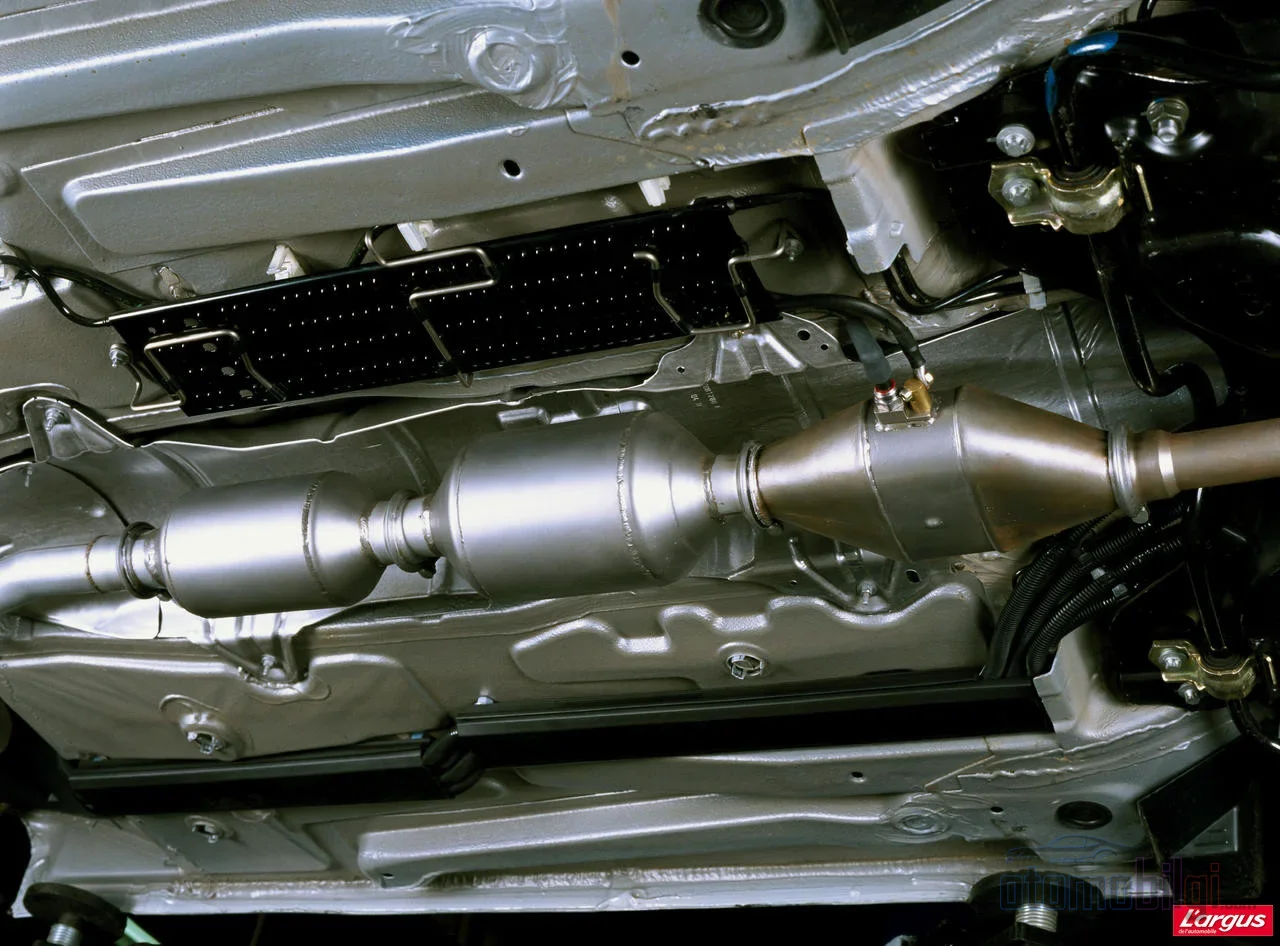
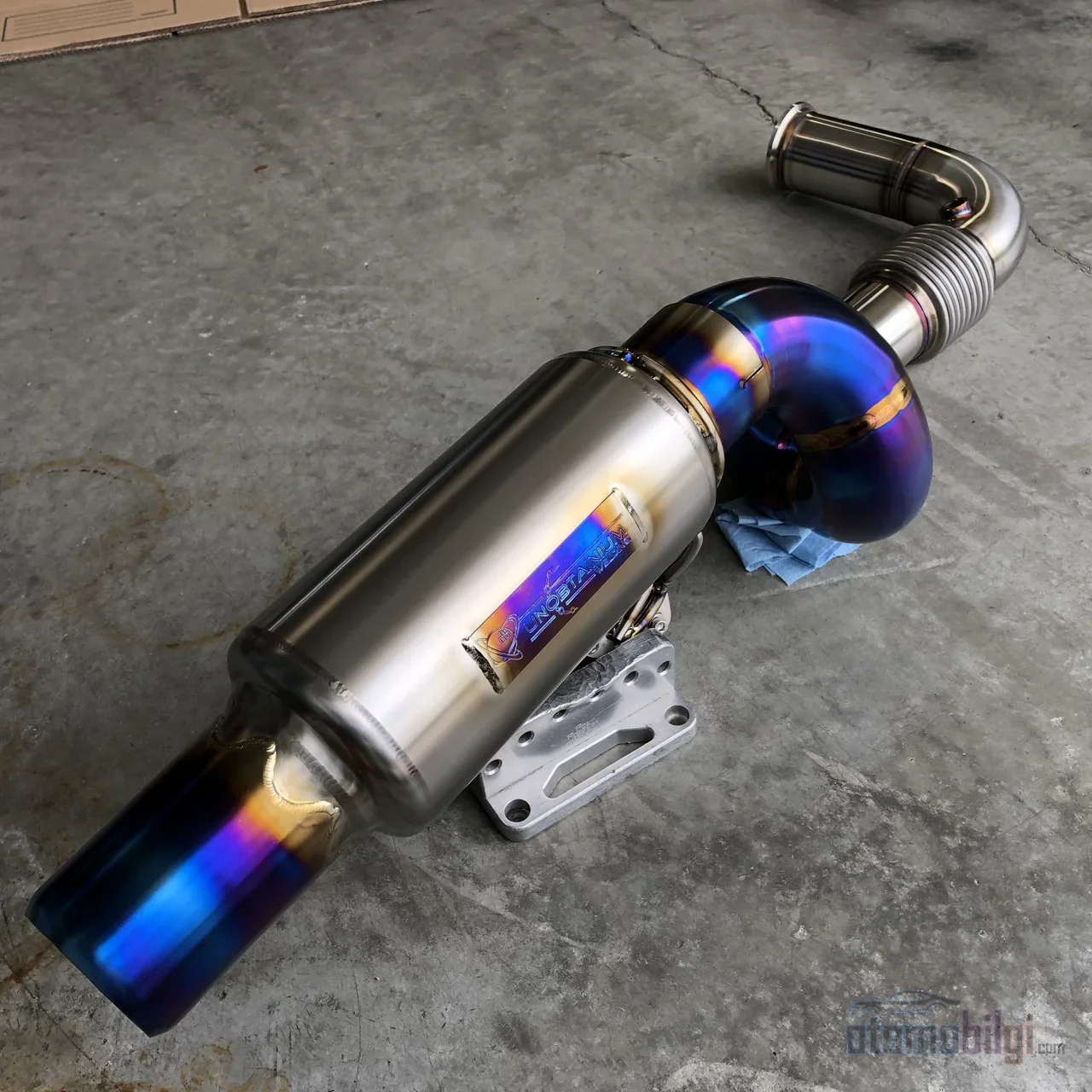
A GPF (gasoline particulate filter) is a filter system that captures the fine soot and particles from gasoline engine exhausts without letting them escape; it is the gasoline-engine adaptation of the diesel particulate filter (DPF) and, together with the Euro 6d standard, has effectively become standard equipment on direct-injection gasoline vehicles. Although not as well known as the DPF on the diesel side, it is quietly working in most turbocharged gasoline vehicles sold today.
Highlights
- First series-production application 2014 in Mercedes-Benz S500 .
- Euro 6c particle number limit: 6x10¹¹ particles/km; mass limit 0.0045 g/km.
- A GPF typically traps 60-80% of particles ; for new-generation filters, this rate is reported to be over 95% .
- Passive regeneration occurs spontaneously when exhaust temperature exceeds approximately 600 °C.
- Unlike the DPF, the GPF is more porous, so the risk of clogging in daily use is significantly lower.
Why the GPF became necessary: the particulate problem of direct injection
Gasoline engines have moved from older injection architectures that sprayed into the intake ports to direct injection (GDI), which forces fuel directly into the cylinder under pressure. The reason is simple: fuel economy and CO₂ advantages. But every engineering choice has a price. The fuel has less time to mix for combustion inside the cylinder, locally rich zones form, and this produces a high number of fine particles, i.e. PM2.5-class soot. An ironic but measurable result: new direct-injection gasoline engines had become competitive with modern diesels in terms of particulate emissions.
Regulators did not let this go unmeasured. In Europe, the Euro 6 family, and in China, China 6, introduced a particle number limit for gasoline exhaust for the first time. The limit defined with Euro 6c is, under certification conditions, per kilometer 6x10¹¹ particles; the mass limit is 0.0045 g/km. This numerical limit could not be met with a catalytic converter, because the converter processes gases, not solid particles. The solution was to bring wall-flow filtration technology, already proven on the diesel side, to the gasoline exhaust. Thus the GPF was born.
How the GPF works: wall-flow technology inherited from the DPF
Inside the GPF there is a ceramic honeycomb structure with channels alternately plugged at the ends. As the gas passes through the walls, the particles remain inside; this is called wall-flow filtration. Particles adhere to the walls through three mechanisms: larger particles hit the wall in the flow direction (impaction), medium-sized ones rub against the wall surface (interception), and the smallest are captured by diffusing to the wall through molecular motion. All three work together and are exactly the same as the mechanism in the DPF.
The difference starts with the material and microstructure. The GPF is made entirely of ceramic cordierite, and its wall structure is noticeably more porous than that of the DPF. This has two results: gas passes through more easily, meaning lower back pressure, and the filter is lighter. Since a gasoline exhaust already carries far less carbon particulate than a diesel exhaust, this porosity is possible without sacrificing filtration efficiency. The filters are also above 1100 °C designed to withstand temperatures and with thermal shock resistance that allows rapid warm-up in cold weather. The targeted particle range is PM2.5 and below; that is, exactly the respirable fine fraction that dominates gasoline exhaust.
Differences between GPF and DPF: Comparative table
This is the question drivers ask most: "Is it a headache like the DPF?" The answer should be given not with random assurances but with the measurable differences between the two systems. A diesel engine, by its operating principle, produces far more soot than a gasoline engine; therefore the DPF must manage a more frequent and more aggressive regeneration cycle. In the GPF, the load is low, so the need for intervention is also low.
| Feature | DPF (diesel) | GPF (gasoline) |
|---|---|---|
| Wall porosity | Tighter | More porous, lighter |
| Filtration efficiency | 85-95% | Typically 60-80%; over 95% in the new generation |
| Regeneration type | Frequent active + passive | Mostly passive, rare |
| Regeneration temperature | Approximately 600 °C and above | Passive ~600 °C; ~650 °C for soot burning |
| Clogging risk | High, a known problem | Lower; the main risk profile is short urban use |
| Driver intervention | May often be required | Usually unnecessary, the system operates autonomously |
The wide range in the efficiency row is no coincidence. The GPF becomes more efficient as a light layer of ash gradually builds up on its walls with increasing mileage; the over-95% figure stated for a new filter and the 60-80% band defined as the lifetime average are the results of different measurement points and are not contradictory.
Regeneration: How does the GPF clean itself?
Burning off the soot accumulated in the filter, that is, regeneration, occurs mainly through passive means in the GPF. During fuel cut-off (deceleration fuel cut-off), for example when you release the accelerator, oxygen enters the exhaust; when the temperature exceeds approximately 600 °C the soot oxidizes and burns spontaneously. Regular active regeneration cycles like those in diesel are rare in gasoline engines, because deliberately enriching the mixture to force the temperature carries the risk of raising NOx emissions.
Even so, the ECU does not remain passive. Pressure sensors monitor the pressure difference across the filter; under low-speed conditions, a slight ignition delay (spark retard) is applied to raise the exhaust temperature by an amount the driver will not notice, approximately 50 °C can be increased. In other words, it is not a warning button that triggers regeneration, but the engine management itself. The problem begins with usage that never gives this mechanism a chance to work: a profile consisting of short ten-to-fifteen-minute trips where the engine never reaches operating temperature allows soot to accumulate faster than regeneration can remove it. A regular medium-distance route where the engine is warm even at low speeds and driving at around 80 km/h is possible provides sufficient conditions for the filter to protect itself.
Clogging, fault symptoms, and diagnosis
The GPF clogging less often than a DPF does not mean it will never clog. Passenger cars cover fewer kilometers and gasoline engines produce less soot; these two factors make the GPF practically a trouble-free piece of hardware. But there are scenarios where accumulation outpaces regeneration: vehicles used only for short distances, the stop-and-go urban profile that does not allow the engine to warm up properly, and incorrect sensor data such as a faulty exhaust pressure sensor.
The symptoms resemble the pattern seen with DPFs:
- A particulate filter or emission system warning light on the instrument panel.
- A noticeable loss of performance due to high back pressure.
- In advanced cases, the ECU putting the engine into protection mode, i.e. limp mode.
- Codes related to the differential pressure circuit in the diagnostic device, for example P2452.
In a genuine clog, the most effective solution is to remove the filter and clean it professionally; removing the GPF is a path that conflicts with both emission regulations and inspection validity, and while it is considered debatable in the tuning world, it is not a legal option.
Oil, fuel, and inspection in a GPF-equipped vehicle: What drivers need to know
Why the oil choice should be low ash (low SAPS)
Part of the engine oil seeps into the combustion chamber and, as a combustion byproduct, ash accumulates on the walls of the filter. This ash cannot be burned off through regeneration; it permanently occupies space in the filter. That is why oils with low sulfate ash content, i.e. low SAPS formulas, are essential in GPF-equipped vehicles. Low SAPS oils have long been associated with DPF-equipped diesels; the GPF carried this requirement over to the gasoline side. The current ILSAC GF-7 oil specification lowered the maximum sulfate ash limit by mass to 0.9% thereby improving GPF compatibility. The practical result is simple: not straying from the manufacturer's approved, low-ash oil is the cheapest insurance for the filter's long life.
The impact on fuel economy and performance
Like any additional exhaust component, the GPF creates some back pressure; this can slightly reduce engine efficiency and increase consumption. Over time, soot and ash buildup raises back pressure; each regeneration cycle also temporarily increases consumption. More frequent regeneration triggers in city driving mean this effect will be somewhat more noticeable in heavy traffic. It is not a fatal penalty, but it is a cost item worth knowing about.
Is the GPF tested in the exhaust inspection?
There is no separate inspection item for the GPF itself; during inspection, exhaust emissions are measured against general limits. However, a vehicle with a faulty, removed, or heavily clogged filter may fail the inspection, since it will affect emission values and the smoke test. Therefore, keeping the filter in the system and keeping it healthy is not only an environmental matter but also an administrative obligation.
After Euro 6d: Where is the GPF heading in the world?
Euro 6d and its associated RDE (real driving emissions) test made it possible to measure particle number limits outside the laboratory, on the road. Manufacturers' answer to this certification exam was the GPF; by 2018, most gasoline engines and all direct-injection engines were equipped with this filter to comply with Euro 6 standards. The picture on the North American side is progressing differently: there is no federal limit for particle number, but the mass-based PM standard makes the GPF inevitable, and filters are already becoming widespread in the North American market; executive regulations are also considered to be on the way.
As a result, the GPF is not hardware that has remained in the shadow of the DPF while doing the same job; it is a version relaxed for the specific conditions of the gasoline exhaust, and therefore far less contentious in daily use. The right oil, a regularly warmed-up engine, and an occasional long drive - those are the three things the system asks for, as far as engineering goes.
Sources
- What is a Gasoline Particulate Filter (GPF)?
- Gasoline Particulate Filters - DieselNet
- GPF Regeneration – Diagnose, Test, and Repair with Confidence
- Impact of Gasoline Particulate Filters on Fuel Economy
- Gasoline particulate filter (GPF) - AECC Technical Summary
- Gasoline Particulate Filter - an overview
- Diesel Particulate Filter vs Gasoline Particulate Filter
- The Right Engine Oil for GPF equipped Vehicles
- Gasoline particulate filters
- Particle Number Emissions of a Euro 6d-Temp Gasoline Vehicle
- Gasoline Particulate Filters
- Answering Three Questions About Gasoline Particulate Filters
- GPF filter - how it works, common problems, maintenance
- GPF filter: what it is and how to maintain it
- All you need to know about the GPF