Fiat CEO's Confession: Discontinuing the Punto Was a Mistake
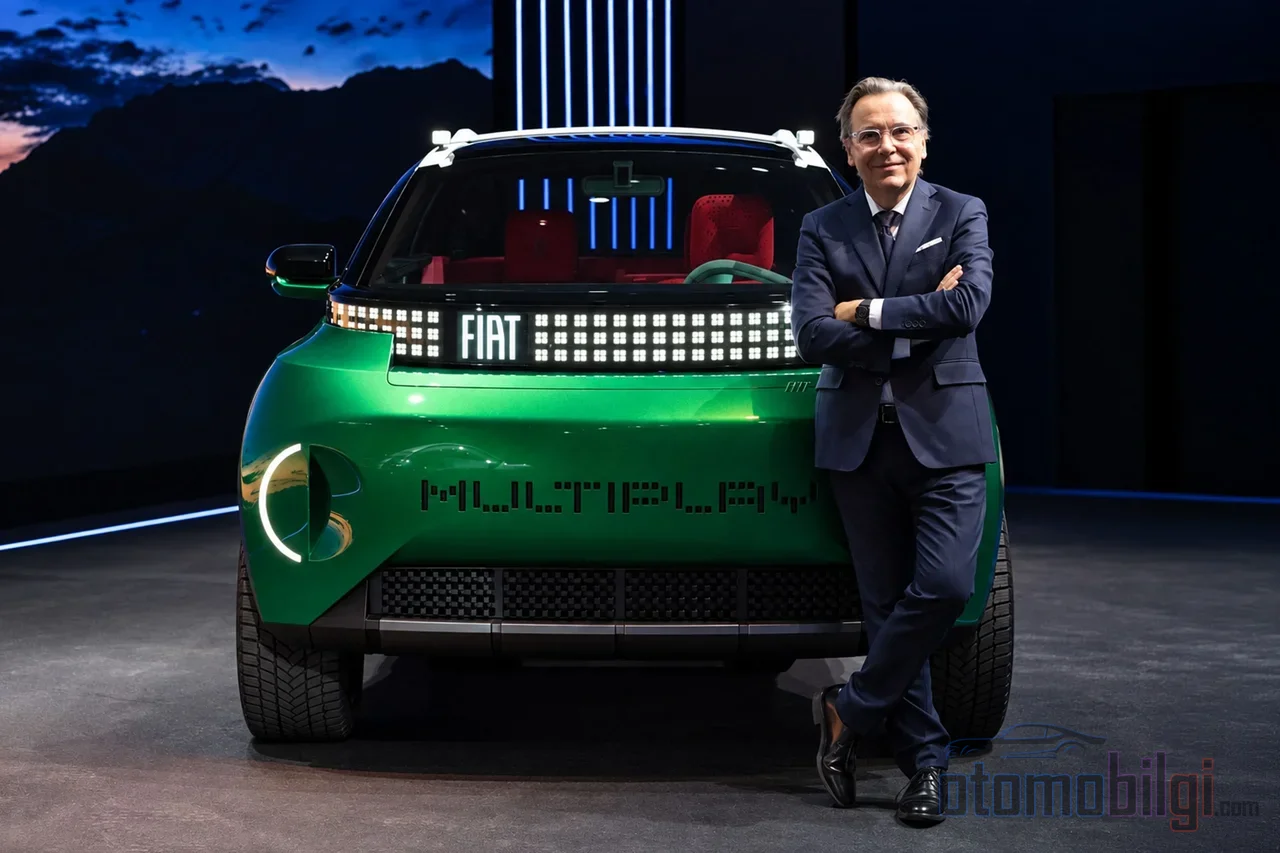
A scene rarely seen in automotive history: a brand's top executive openly declaring a decision his company made years ago to be a mistake. Arnaud Belloni, whom Stellantis appointed as Fiat CEO in September 2026, said during the 2026 Paris Motor Show that discontinuing the Punto was an obvious mistake and that this model must have a place in the brand's future again. On top of that, he conveyed the message that now is the perfect time to reclaim this gap in a market where the Renault Clio has been roaming Europe's B segment almost single-handedly.
What is striking is not just the confession itself, but who made it. Belloni served at Renault Group since November 2020, holding the role of global marketing director and executive responsible for the brand management of all Renault brand names; in other words, one of the people who witnessed the Clio's success most closely. An executive who moved from Renault to Fiat setting one of his first goals as targeting his former employer's strongest model is a clear sign of the kind of breakthrough Fiat's compact strategy is entering.
Highlights
- New Fiat CEO Arnaud Belloni, after taking office in September 2026, described the discontinuation of the Punto as an obvious mistake.
- The Punto left production in 2018 without a direct successor; from 1993 onward, it was a defining model in Europe's B segment.
- Belloni is open to the new Punto coming with internal combustion and hybrid options; this is a departure from the previous management's electric-only scenario.
- The new Punto has not yet been officially announced; the likely base is the CMP/eCMP platform used by Stellantis's B-segment models.
Who Is Belloni, and Why Is This Statement Important
Arnaud Belloni's career has spanned two major groups. Belloni, who worked in senior marketing roles for 16 years within FCA, Stellantis's predecessor, moved to Renault Group in 2020; he served at the French group for six years, first as global marketing director and, from May 2023, as executive responsible for the brand management of all Renault brand names. Stellantis appointed him as Fiat CEO on September 2, 2026; Belloni also took on the role of marketing director for European operations, reporting to Emanuele Cappellano with responsibility for Fiat, Abarth and Lancia. Previous CEO Olivier Francois provided support until mid-October and remained at the group as a strategic advisor.
This background adds weight to the statement. An executive who ran the marketing side of the Clio moving to Fiat and defining the Punto's absence as a mistake should be read as the diagnosis of someone who knew the competitor's strength from the inside. According to Belloni, the discontinuation of the Punto left Renault a clear path to position the Clio; with the Ford Fiesta also leaving and a new Volkswagen Polo not arriving, the Clio was left alone in the segment and achieved significant commercial success. Belloni holds the view that a brand like Fiat must absolutely have a Punto in its product lineup.
What Was the Punto in the European B Segment
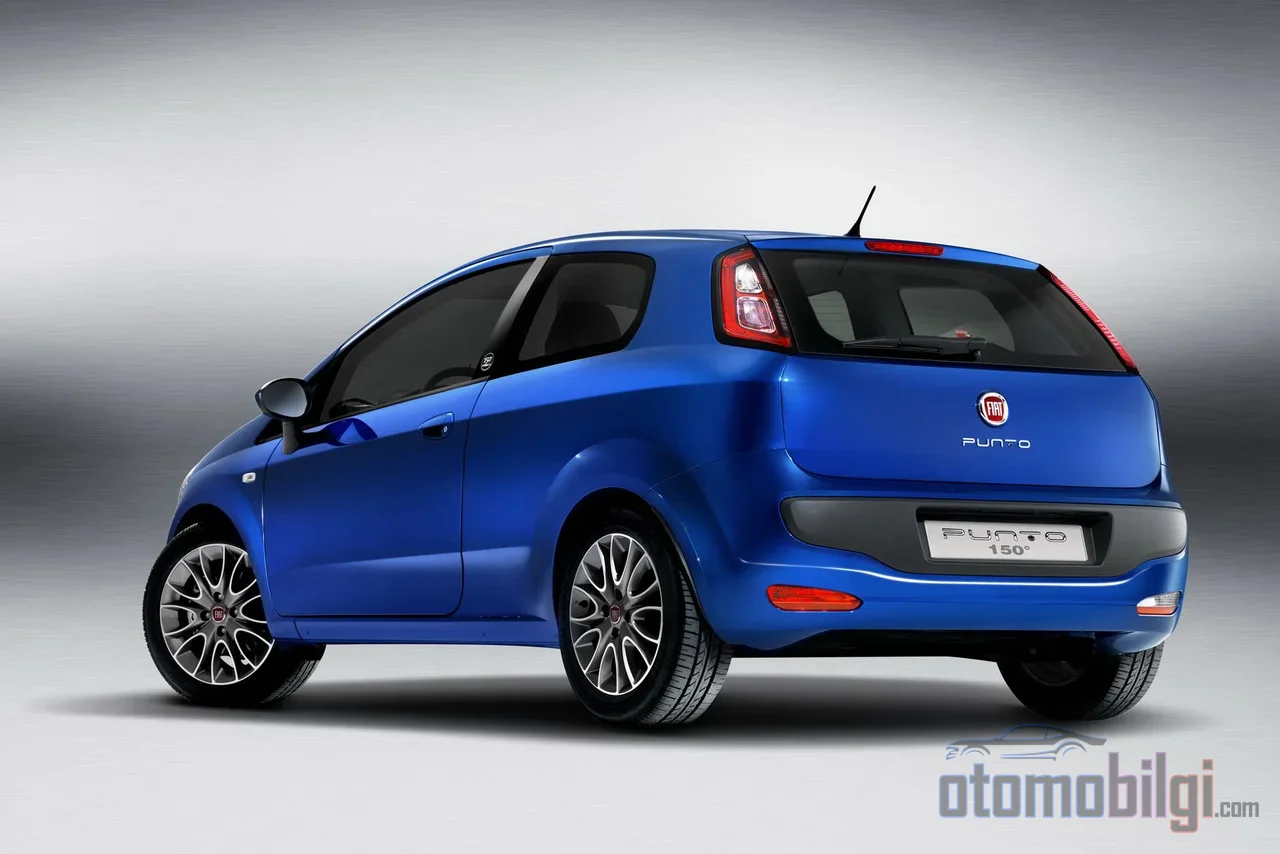
With the Punto replacing the Uno in 1993, Fiat remained a defining player for years in Europe's most competitive segment. The model was named Car of the Year in 1995, and that same year it overtook the Golf in Europe with 607,790 units; in 1996, with more than 560,000 registrations, it was the second best-selling car on the continent. The second generation arrived in 1999, and the Grande Punto came in 2005; with the facelifts of 2009 and 2012, the model extended its lifespan.
The numbers are enough to understand today's scale: across Europe, 581,070 units were sold in 1997, 550,639 in 2000, and 541,274 in 2001; in 2006, the opening year of the Grande Punto era, sales exceeded 400,000. In Italy in 1995 alone, it represented 18.8% of the market with 326,789 units, and in 1997 it reached 375,159 units. For today's Fiat, that is almost an archaeological layer.
| Year | Market | Sales |
|---|---|---|
| 1995 | Italy | 326,789 (18.8% of the market) |
| 1996 | Europe | 560,000+ (2nd on the continent) |
| 1997 | Italy | 375,159 |
| 1997 | Europe | 581,070 |
| 2006 | Europe | 400,000+ |
Why and How It Was Discontinued
The Punto's story ended in 2018, without a direct successor. The decision reflected the priorities of Sergio Marchionne's FCA at the time: the B segment was not considered profitable enough, independent R&D costs were high, and profit margins were low. Halting production at the plant in southern Italy was part of FCA's plan to shift production in Italy. The model's final years were also accompanied by the inglorious record of being the first vehicle to receive zero stars in a Euro NCAP test.
A decision that seemed sensible at the time has now been turned on its head by the direction of the market. The Fiesta is gone, the new Polo never came, and the Clio, left practically alone in the segment, surpassed 100,000 registrations in France alone in 2025; it sold 29,069 in Italy and more than 10,000 in Germany. Italy's 2025 top ten list includes the Dacia Sandero, Citroën C3, Toyota Yaris, and Clio; there is no Fiat. Fiat's market share in Europe has fallen to 3% as of September 2026.
Does Fiat's Current Lineup Fill This Gap
Today Fiat offers a lineup built around the Panda in the A segment and the SUV-looking Grande Panda in the B segment; at the top, a return to the C segment is being attempted with the Grizzly and Grizzly Fastback. The Grande Panda is a Car of the Year 2026 finalist and an Auto Europa 2026 award winner; a genuine success for the brand. However, the Grande Panda is not a vehicle that can meet the versatility the classic hatchback buyer looks for in a Clio or Polo. Belloni's statement sits precisely at this point: Fiat's lineup needs a direct B-segment hatchback, not limited to the Pandas.
No Retro in the Design
Belloni's message on design is also clear: neo-retro styling is not this model's job. The retro design language that carries the brand's identity in the 500 and Grande Panda appears set to give way entirely to a contemporary line in the new Punto. On this point, Belloni cites as an example the radical redesign of the sixth-generation Renault Clio. The Clio was able to make such a start because it carries no strong design ties to the past.
When and How Will the New Punto Arrive
First, the honest part: a new Punto has not been officially announced. Belloni did not give a target date; what we have is a statement of intent and priority. Assessments suggest the return process could take several years, but it could be achieved before the decade ends, since the Clio target has already been set.
The technical side points to a highly plausible scenario. The base of the new Punto, which will most likely offer internal combustion and hybrid options, could be the CMP/eCMP platform used by Stellantis's existing B-segment models; that is a different path from the STLA base of the all-electric new Peugeot 208 and Opel Corsa. Thanks to Stellantis's parts pool, the model can be developed without requiring major investment; the main reasons the old Grande Punto remained without a successor were already the high independent R&D cost and low profit margins. On the market side, the new Punto will focus, like its predecessors, on European markets where demand for small cars remains strong.
This development also has an element of continuity with the previous management: Olivier Francois said in early 2025 that a new Punto was not being developed, but that a sleek and sporty electric hatchback could make sense if preferences for traditional hatchbacks strengthen. What is new is that this hint has turned into an active project language in the Belloni era, and the electric option is no longer the only path.
Does This Admission Change Fiat's Compact Strategy
The short answer: without a hatchback capable of fighting in the same ring as the Clio, Fiat's claim in the B segment seems unsustainable, and Belloni is the first Fiat CEO to say exactly that. No matter how pleasing the market share figures, the 25 percent growth in the first quarter of the year and the 3.4 percent share announcement are, the absence of a B-segment representative for Fiat in the Italy lineup makes the picture clear. The gap opened by the death of sporty versions like the Fiesta ST and Polo GTI in the segment could also pave the way for an Abarth hot hatch in the future.
For someone who has swallowed the dust of this business, the picture is familiar: Fiat used to be a brand that gave no ground to its rivals in the B segment; today, Renault writes the rules of that segment. Belloni's statement is the first serious step toward reopening that book. The rest is left to the platform decision, the engineering budget and Stellantis's internal priority ranking.
Sources
- New Fiat CEO Says Killing The Punto Was A Mistake, Wants Its Back
- After 6 years at Renault, Fiat's new CEO wants to compete with the Clio
- Stellantis appoints new Fiat CEO, shuffles execs for Europe
- Fiat Punto Finally Ditched After 13 Years On Sale
- Fiat Punto - Wikipedia
- Fiat Boss Says Punto Could Return As A Sleek And Sporty EV Hatchback
- Fiat CEO Is Ready to Abandon Making Mass-Market Cars in Italy