Franco Colapinto: The Name Who Rose to F1 Without Becoming a Champion
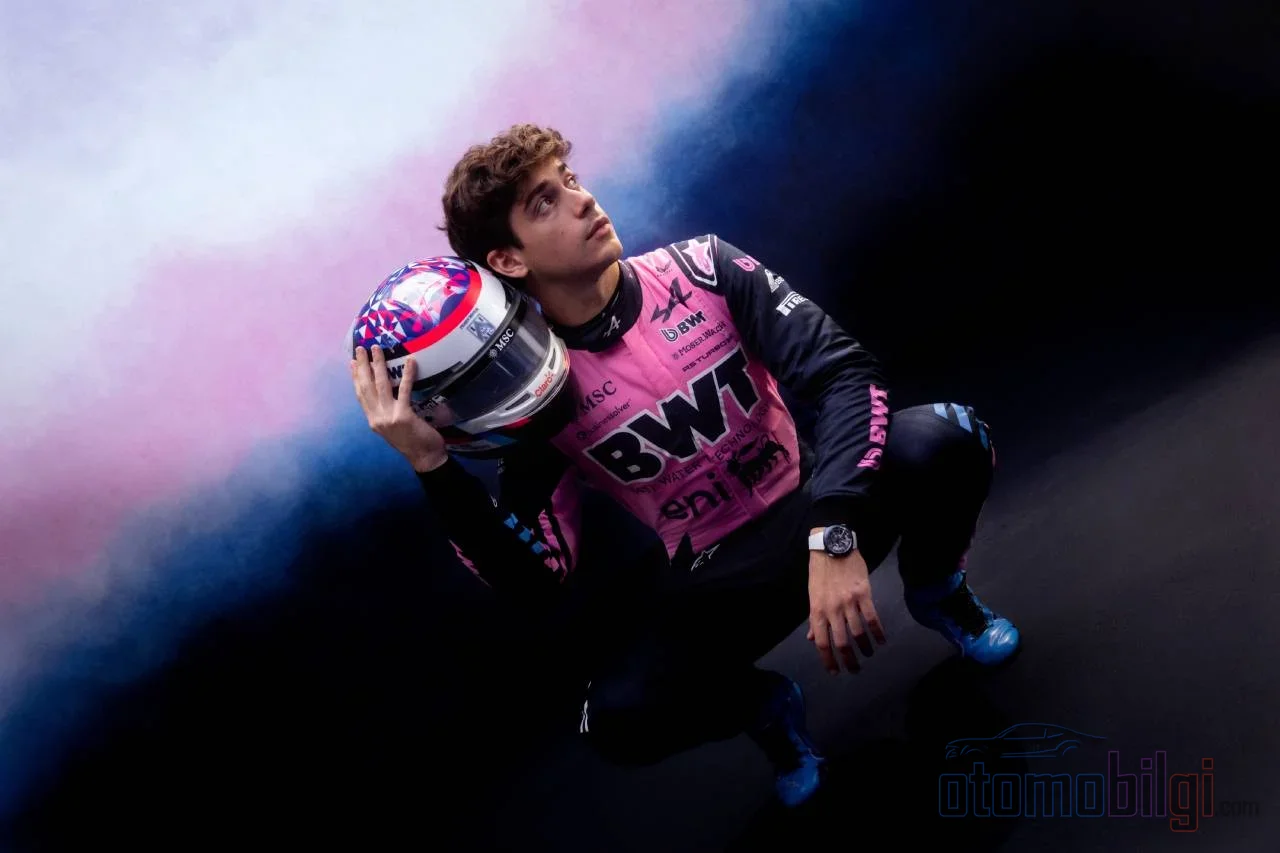
Imagine you're at school one day, your phone rings and the person on the other end says: "Pack up the house, you'll be driving a Formula 1 car at Monza." Sounds like a line straight out of a thriller movie, doesn't it? But for Franco Colapinto, this was the absolute truth in August 2024. He hadn't even completed a single season in Formula 2, was sitting sixth in the championship, when he answered the call from Williams and a few days later was on the starting grid of the fastest series in motorsport. So how long did this rise take, and how did the rules of the ladder make it possible? The full story is far more instructive than you might think.
First, Let's Understand the Ladder: What's the Normal Path from F2 to F1?
The classic path to Formula 1 is well known: karting, Formula 4, Formula 3, Formula 2 and finally that golden seat. But on this ladder, each step is measured in a year, sometimes two. Drivers usually spend two or three seasons in F2; they battle until they see the checkered flag for the championship. Because everyone has the same template in their head: if you become the F2 champion, the door to F1 opens. Colapinto's story is interesting precisely because of this; because he doesn't even know that template.
At this point, let's allow a small dose of honesty: It would be wrong to say Colapinto was completely "unknown" despite his short history. He had joined the Williams Racing Driver Academy in January 2023, experienced his first taste of Formula 1 in the FW45 during the end-of-season tests in Abu Dhabi, and drove the car in a real race weekend during the first practice session of the 2024 British Grand Prix. So Williams was watching him. Still, there's a chasm between being a watched academy driver and taking a race seat at 20 years old.
Highlights
- Colapinto reached Formula 1 in roughly 7 months from the 2024 F2 season opener to his F1 debut at Monza
- At the moment of his promotion, he was 6th in the F2 championship; he wasn't a champion, not even a podium contender
- He scored his first F1 points by finishing 8th at the Azerbaijan GP, his third race
- Only two of the F2 champions of the last 11 years failed to make it to F1: Theo Pourchaire and Felipe Drugovich
Who Is Colapinto? The Backstory of the Argentine Speedrunner
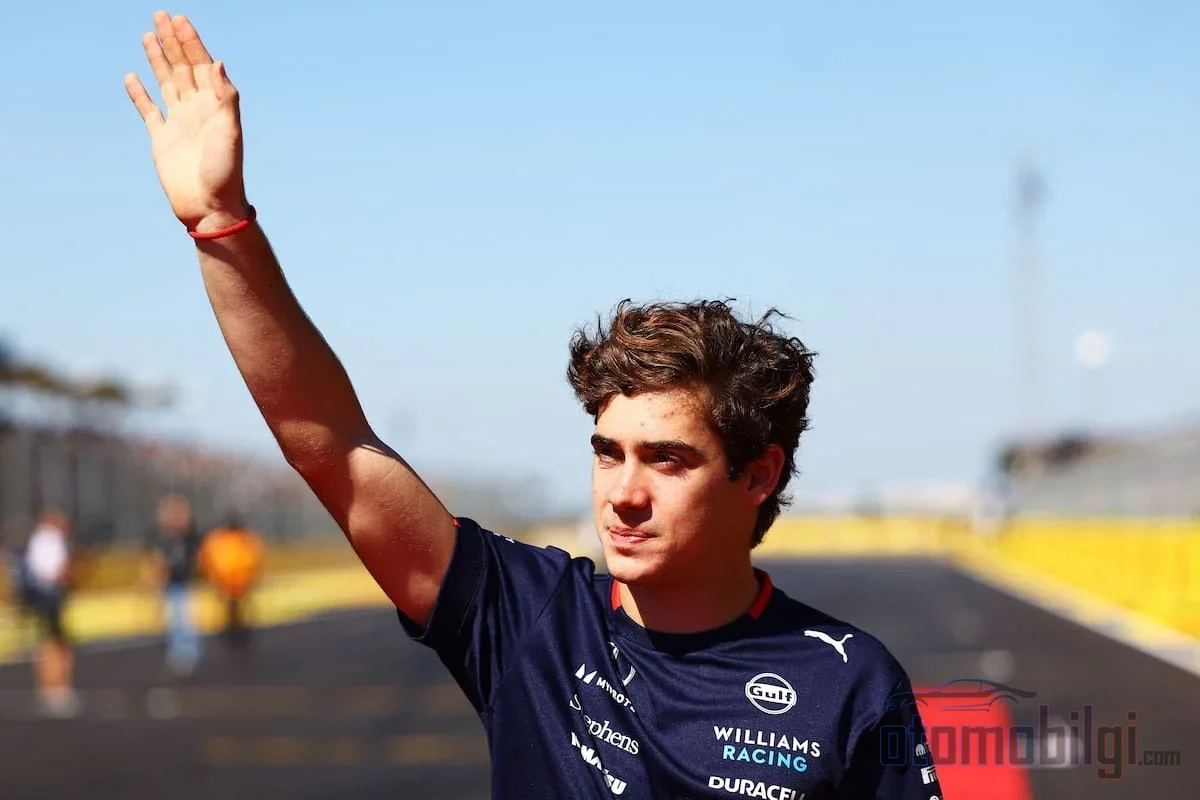
Franco Alejandro Colapinto was born on May 27, 2003, in Pilar, near Buenos Aires. He started karting at age nine, and at 14 he moved to Italy alone to continue his career. Yes, while you panicked at 14 when you missed the school bus, this kid moved out of the country. In 2019, he claimed the Spanish Formula 4 championship: 10 pole positions, 11 wins, roughly a 100-point gap over his rival. The story behind this championship is just as striking; his father sold their home to fund the season. You know how we hear the "family sacrifice" cliche in motorsport? Well, this is the example in every sense of the word.
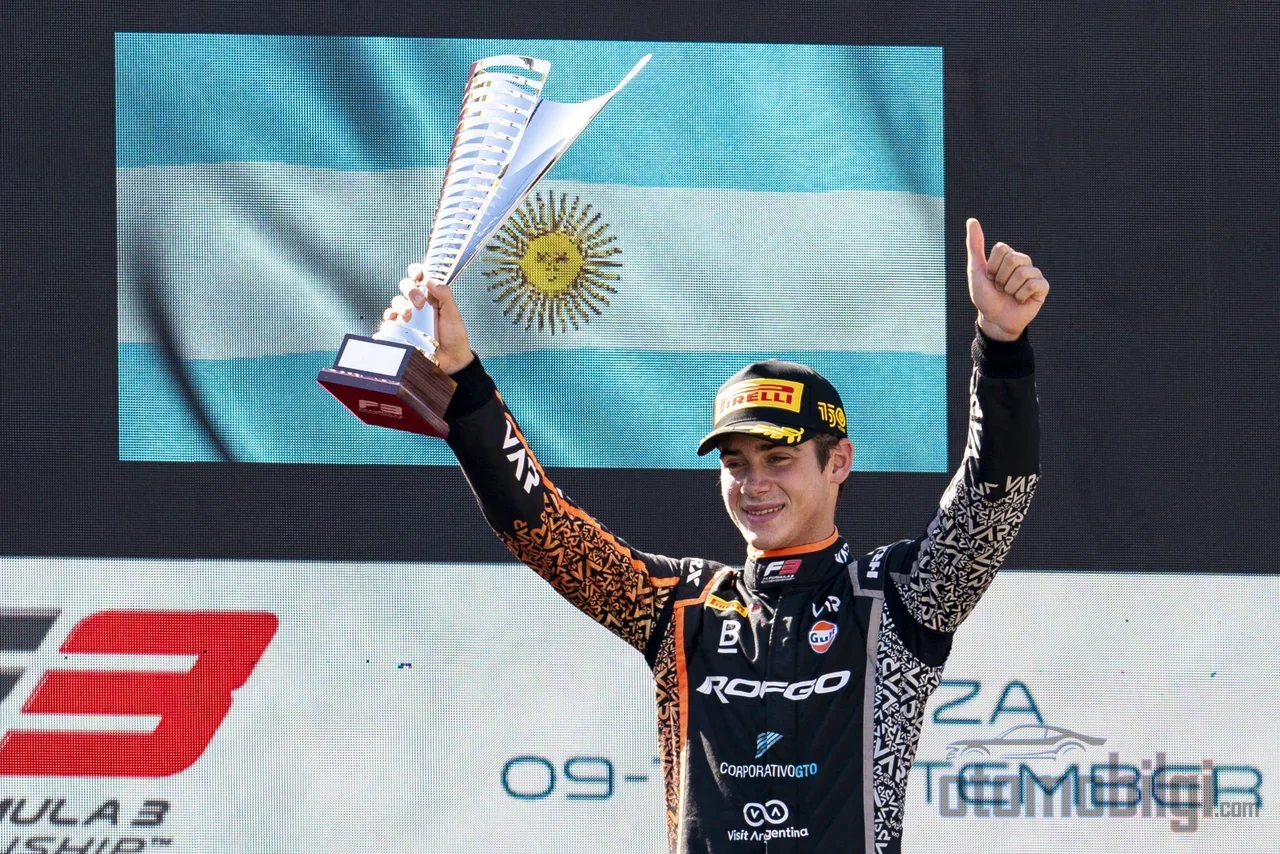
In 2020 he finished third in the Formula Renault Eurocup, in 2021 he remained sixth in Formula Regional European, and the same year he also raced in endurance racing in the LMP2 category with G-Drive. In 2022, he moved to Formula 3 with Van Amersfoort Racing; finished ninth in his rookie season with two wins. In 2023, he finished fourth in F3 with MP Motorsport, taking two wins and 110 points. He dedicated his win at Silverstone to Dilano van 't Hoff, who lost his life in Formula Regional. In October 2023, MP Motorsport announced it was promoting him to Formula 2 for 2024.
So here is the picture: Two seasons in F3, and zero full seasons in F2. Then the phone rang.
How Many Months Did It Take to Go From F2 to Williams? Here Is the Clear Answer
Since the question is at the heart of the title, let's answer it with two separate criteria, because the "how many months" question has two honest answers, and both tell the story.
The first criterion is the pure racing calendar: Colapinto started Formula 2's 2024 season in February in Bahrain and made his Formula 1 debut at Monza in September 2024. The time in between was roughly 7 months. If we count from Formula 3, his rise to F1 took even less than 12 months from the start of his F3 journey. In The Athletic's words, this was a climb as steep as a mountainside.
The second criterion is institutional integration: Colapinto joined the Williams academy in January 2023. The path from academy membership to an F1 seat took roughly 20 months. What these two numbers tell us together is this: Colapinto's rise was not an overnight miracle, but at the same time it was an extremely accelerated process, pushed to the very limits. A driver promoted to F1 before even completing his only full-time season in F2 is a rare example in the modern era.
Why Did Logan Sargeant Leave, and Why Colapinto?
On August 27, 2024, Williams announced that Colapinto would replace Logan Sargeant for the remaining nine races of the season. The decision had too many layers to be reduced to a single crash, namely the heavy impact at Zandvoort. Team principal James Vowles openly explained that keeping Sargeant in the car would have been almost unfair to him, and that the American driver had reached the limit of his potential in Formula 1. The team headed into the rest of the season with a major car update, and in a fiercely tight midfield battle every point-scoring opportunity had to be seized.
Vowles later admitted that there was also a multi-million-dollar reason behind the change; the damage Sargeant caused and the cost balance had silently but heavily entered the decision's calculations. On Colapinto's side, there was a preparation to build on: Since January 2023 he had been working integrated within the academy, learning the team's systems through simulator and testing processes. The young driver himself was not expecting such a call mid-season either; he too learned the news of his promotion at the last moment.
First Steps in F1: From Monza to Points in Azerbaijan
Starting 18th at Monza and finishing 12th, Vowles found the performance extraordinary. The team was loading Colapinto with more information than a human could digest; while the Formula 2 championship was still ongoing, he had to learn the Formula 1 car, the tires, the strategy, and the procedures on the other. In terms of workload, imagine this: You take the university entrance exam while still in school.
The reward came in the third race: He scored his first points by finishing 8th at the Azerbaijan GP. He put points on the board again at the US GP. In Brazil, he took the tough exam of using rain tires in a Formula 1 car for the first time in his career, and despite the difficult experience, he said that this adventure was a dream come true. The 5 points he collected over a nine-race stint are a respectable haul for a rookie who arrived mid-season. Moreover, he was the first Argentine to race in Formula 1 since Gastón Mazzacane in 2001 with Monza, and the second Argentine driver to race for Williams after the legendary Carlos Reutemann. We can say that sleep schedules in Argentina were seriously disrupted.
Those Who Never Became Champions: Pourchaire, Drugovich and the Bitter Face of the Ladder
There is a flip side to this story, and we think it is the most crucial part. In the last 11 years, only two names remain who became Formula 2 champions without being promoted to Formula 1: Théo Pourchaire and Felipe Drugovich. Pourchaire, who repeatedly turned away from the championship title three times in a row as a driver, has stated many times that it was devastating that the F1 door never opened for him, and that he believes an F2 champion normally deserves a place in F1; he explained that he came very close to a seat many times, but each time the door was closed in his face. Drugovich, meanwhile, unable to find a race seat after his 2022 championship, chose the reserve driver route and still has yet to make a Formula 1 race start.
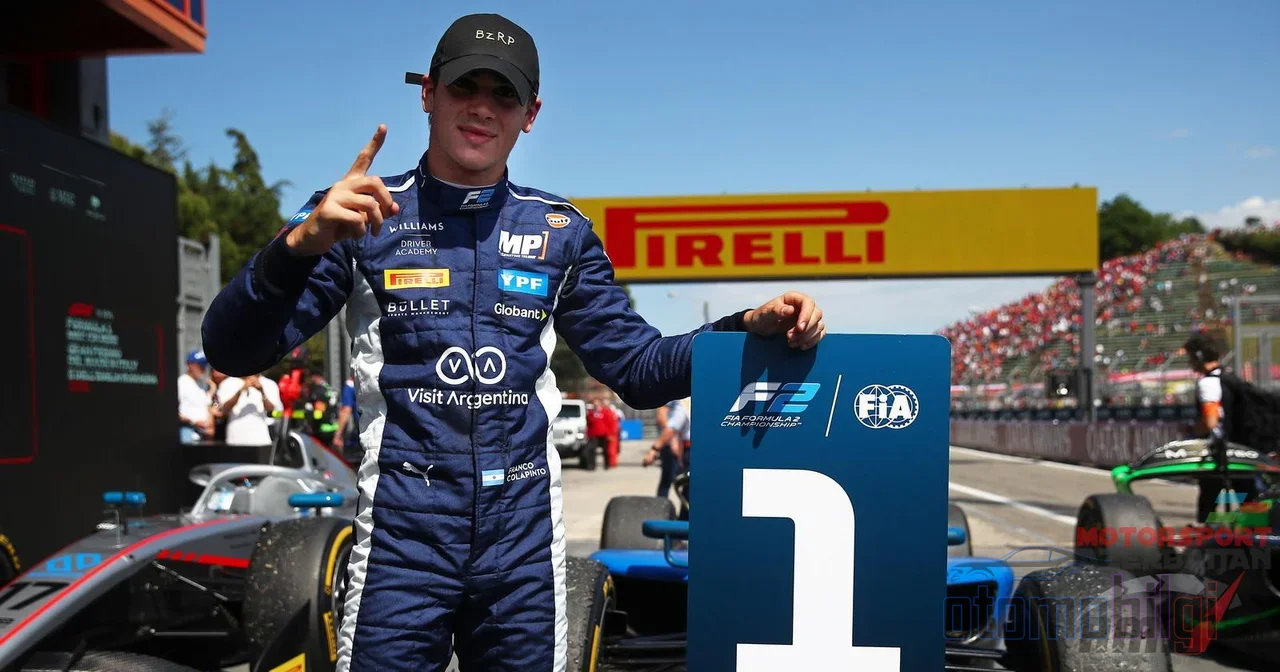
Now let us make the comparison: Colapinto was never an F2 champion. When he was promoted, he was sixth in the championship; counting the final four rounds he missed, the season ended with him ninth on 96 points, with his only win at Imola and three podiums. In other words, the ladder does not work only through championships. When does it work? The moment the right team needs the right driver, when a talent integrated into an academy system is available, and when the cost-performance equation adds up. Colapinto's story is concrete proof of this equation; the intersection of luck, timing and readiness.
What Happened Next? Where Is Colapinto in 2025 and 2026?
The Williams adventure did not turn into a full-time seat; Carlos Sainz's transfer to the team left Colapinto without a grid spot for 2025. Instead, he moved to Alpine as a reserve driver, was promoted from the seventh race of the season in place of Jack Doohan, and managed to keep that seat. He ended the 2025 season with no points and 20th in the championship. He closed the season in that position, with an 11th place at the Dutch GP as his best result. It was a tough exam.
But 2026 is a different story: With the number 43 Alpine-Mercedes, he has collected 27 points in 20 races as of November, finished in the top 10 eight times, and sits 12th in the championship. in that position. His career total has reached 46 starts and 32 points; he is under contract until at least the end of 2027. The momentum from that seven-month accelerated rise has turned into a career that carries him forward, even with its ups and downs.
Conclusion: What Does a Rapid Rise Mean?
Let us clarify the answer: From his first full-time Formula 2 race to his Formula 1 debut at Monza, Colapinto reached the top tier in roughly 7 months; if you count from his joining the Williams academy, that period is about 20 months. Without being champion, sitting sixth in the season while being called up mid-season, this pace is one of the clearest examples showing how flexible, how ruthless and how time-dependent the rules of the Formula 1 ladder are. Pourchaire and Drugovich kept their championships in the showcase yet could not find a seat; Colapinto was ready at the right place at the right time. What carries you up the ladder is sometimes not statistics but timing itself. Nobody can know whose receiver the next mid-season promotion call will ring on; but this story gives every young driver the same lesson: be ready, because opportunity does not make appointments.
Sources
- Franco Colapinto to step up to Formula 1 with Williams for the rest of the 2024 season
- Franco Colapinto - F1 Driver for Alpine
- Franco Colapinto
- Williams replace Logan Sargeant with Franco Colapinto for remainder of 2024 F1 season
- Inside Franco Colapinto's rapid Williams F1 rise
- Franco Colapinto graduates to F2 with MP Motorsport
- The luckless F2 champions unable to land an F1 seat