Why Do F2 Teams Change Drivers Mid-Season?
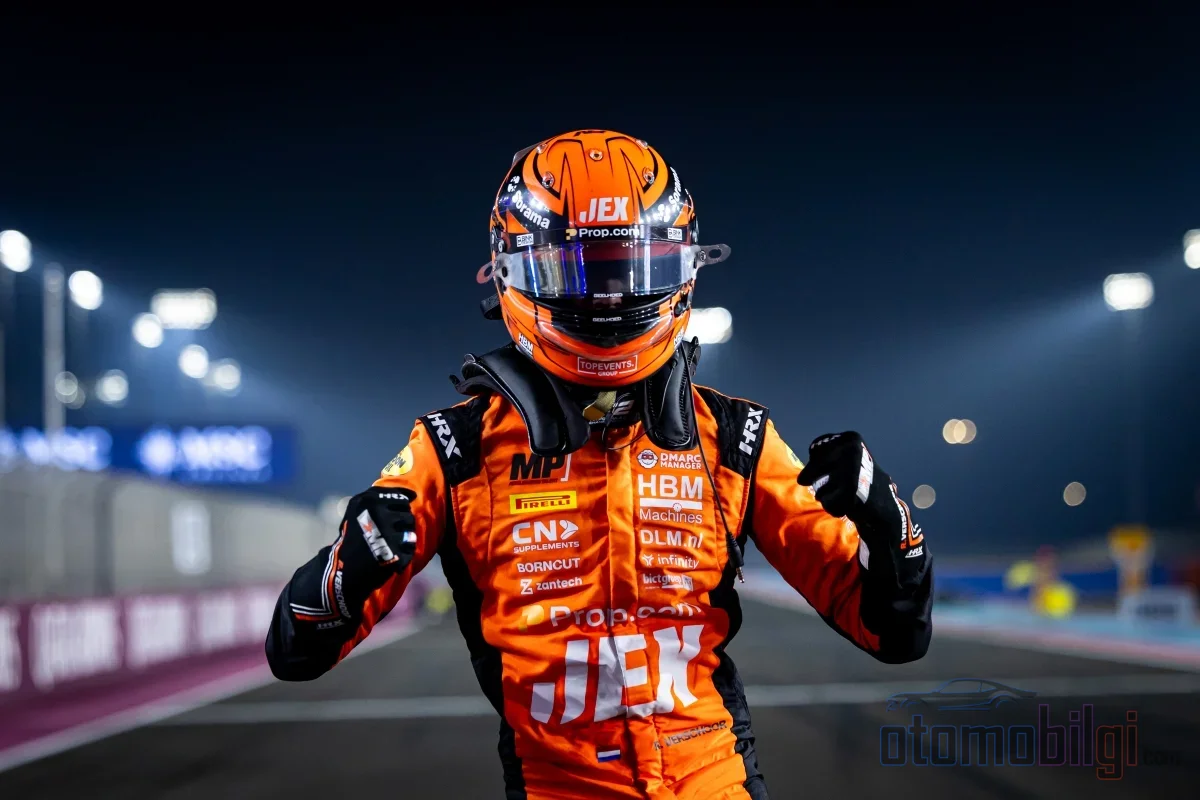
One weekend you're fighting for the championship in F2, the next you're gone. The driver who takes your seat is left with a mountain-sized question mark: so why? The question of why F2 teams change drivers mid-season is one that most motorsport fans have wondered about but no one has ever fully answered. The answer depends not on one thing, but on several: budgets running out, unmet expectations, academy decisions that open the F1 door early, and sometimes unexpected situations like injury or a penalty.
On this page we'll go through them all one by one. Because a mid-season cockpit change is F2 at its most human and most brutal. If you're ready, let's get started; I promise you, it's not a boring list of rules, but a lap full of real stories.
What Is a Mid-Season Driver Change and What Rules Govern It?
Let's clarify one thing first: In F2, a driver's seat rarely comes with a full-season guarantee, no matter what the contract says. Behind the seat there is a funding and sponsorship relationship. If a sponsor pulls out or payments stall, the seat can vanish overnight. You can think of it a bit like a rental agreement: it's called a contract, but if the payments stop, things change.
On the rules side, things are clearer. According to the FIA's F3 sporting regulations, a driver change made after an event has started is subject to the stewards' approval; if the team wishes, it can promote its reserve driver. Changes after 30 September additionally require the organizer's approval. In other words, changes are free but part of a fully supervised process.
So how expensive is this business? Estimates for the cost of entering F2 hover around the 1-2 million euro range. Some drivers can only take part in certain races of the season because their budget isn't enough. Imagine: despite having full talent, when the money in the vault runs out, so does the vision. It is precisely this reality that opens the door to most mid-season changes.
Highlights
Highlights
- The cost of entering F2 is around 1-2 million euro; when the sponsor money runs out, the seat can go too.
- Changes after an event has started are subject to stewards' approval, and changes after 30 September require the organizer's approval.
- Rafael Camara's early promotion to F1 in 2026 directly changed the F2 championship race in the last two weekends of the season.
- Zak O'Sullivan gave up his ART Grand Prix seat mid-season in 2024 due to insufficient funding.
When the Money Runs Out, So Does the Seat: The Funding Reality
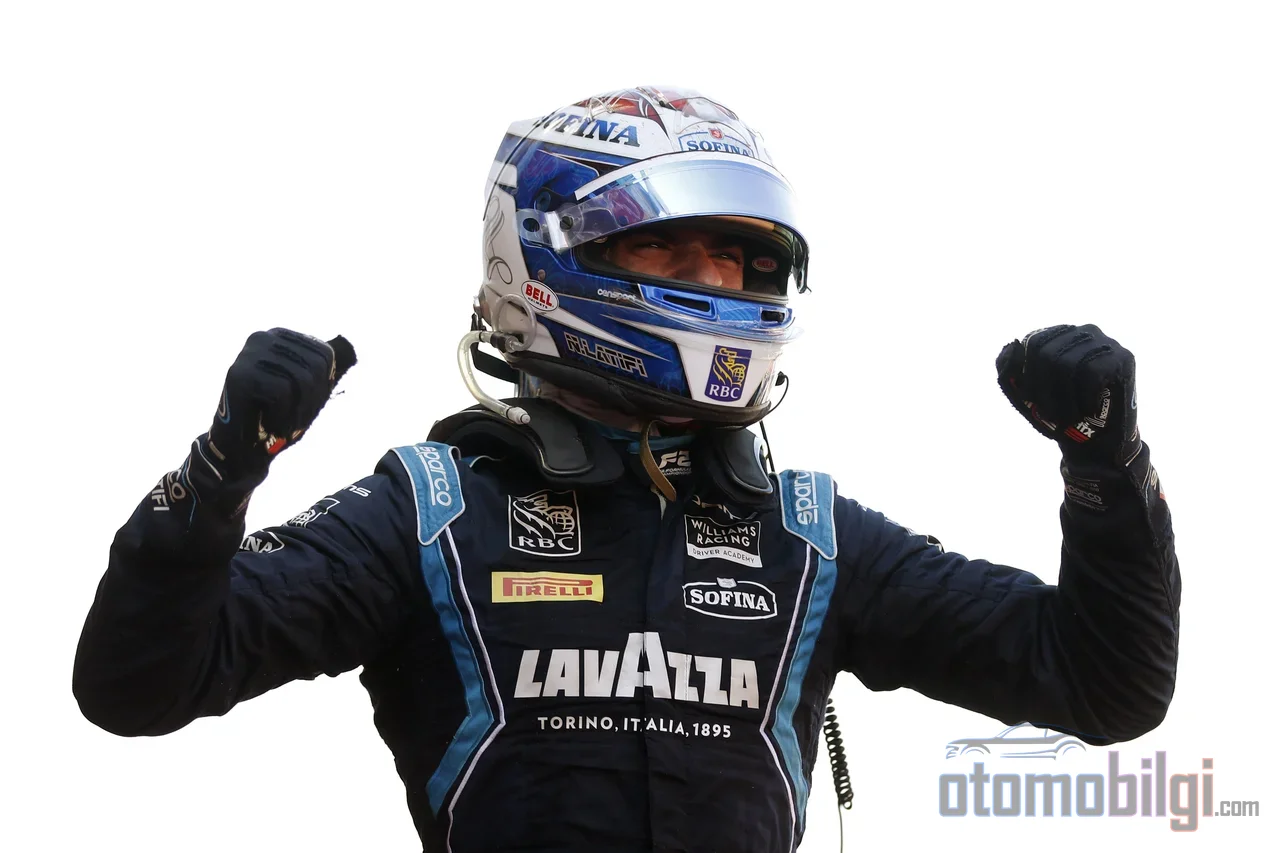
From the outside, F2 looks like a pure talent comparison. Everyone uses the same car; in the 2026 season, all teams and drivers race with the standard Dallara F2 2024 car. So there's no such excuse as car differences. But there's another side to the coin: participation itself depends on financial conditions. Seats largely go to whoever pays.
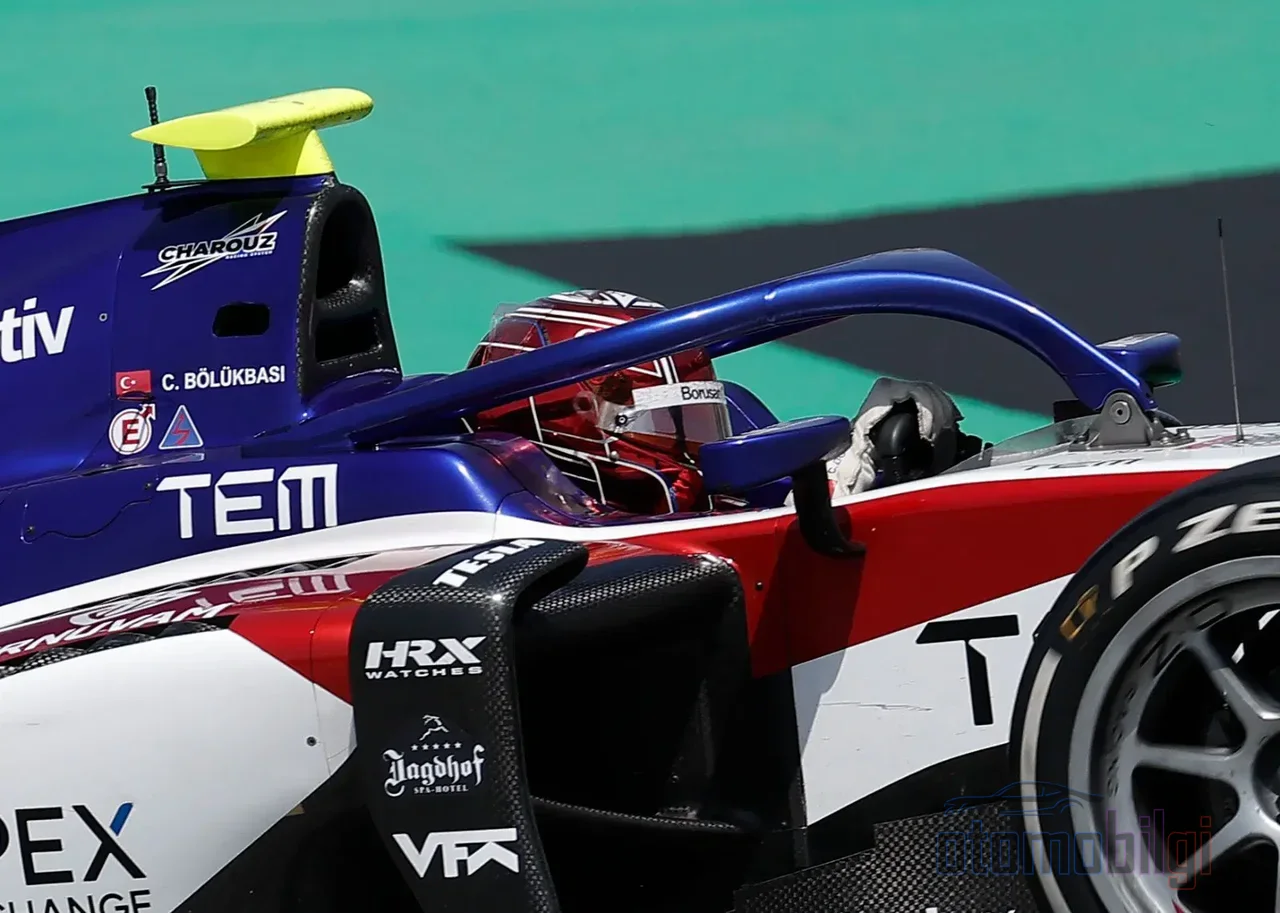
One of the most striking examples of this happened in 2024. Williams academy's young driver Zak O'Sullivan could no longer fund his ART Grand Prix seat mid-season and left. He openly stated the reason for the split as funding; he announced with his own words that he could not complete the season. Niels Koolen took over his seat. So the performance here was not bad - the wallet was empty.
There are also those who defend this situation: the series' modus operandi is seen as part of the cost reality of motorsport. Critics, however, say that the relationship between talent and money is woefully imbalanced. Whichever side you take, the outcome is the same: when the money runs out, the vision runs out too.
What Happens If Performance Expectations Are Not Met?
Sometimes the problem is not money, but the stopwatch. Teams and the F1 academies behind them expect a certain level of performance from their drivers. If that level does not come, a change becomes inevitable. The best-known practitioner of this mechanism is without doubt the Red Bull system: it is known for its ruthless performance-based changes. The 2019 swap between Alex Albon and Pierre Gasly is a classic example of this; Red Bull was chasing Ferrari 44 points behind in that year's championship battle, and Gasly's lack of performance was cited as the main justification.
On the F1 side, there was a similar story in 2024 as well: Williams dropped Logan Sargeant mid-season and brought in Franco Colapinto, who at that moment stood 6th in the F2 standings with 1 win and 2 podiums. Team principal James Vowles was one of the figures who explained the decision. Williams' choice meant direct intervention in the F2 standings: one driver was pulled up to F1, leaving an empty seat behind.
F1 Academies and Chain-Reaction Seat Mobility
This is where the most domino-heavy part of the story begins. F1 academies prepare their drivers in F2 and pull them up to the top tier when the right time comes. But sometimes that time comes far too early. The most current example of the 2026 season: Rafael Camara.
The Camara Example: Early Promotion and Championship Impact
Rafael Camara, the 21-year-old driver of the Ferrari Driver Academy, was promoted early to Haas for the São Paulo Grand Prix while leading the 2026 F2 championship. In fact, his contract for 2027 had already been signed; Esteban Ocon's departure from Haas during the Mexican Grand Prix weekend moved the timeline forward. Camara starting his F1 career this way shook up the F2 championship battle directly: the leader withdrew from the series with only 2 race weekends left in the season.
So what numbers are we talking about? Camara was just 7 points ahead of Red Bull-backed Nikola Tsolov. The leader's exit from the remaining races opened the door to a historic opportunity for Tsolov and the chasing pack behind him. According to reports, Freddie Slater is expected to step in at Invicta Racing in place of Camara in Qatar and Abu Dhabi. So a single F1 decision set at least one, probably more, seats on the F2 grid in motion. That's the domino effect for you.
How Does the Academy Chain Work?
The process usually works like this: problems arise with a driver at an F1 team, the academy driver is pulled up, and another youngster or a name that brings money takes the vacant seat in F2. Tsolov's confirmation as the joint reserve driver for Red Bull and Racing Bulls for 2027 is also part of this chain: while academy seats are being redistributed, the balance in F2 is being reshaped as well.
Reserve Drivers, Injuries and Penalty Situations
Not every change is planned or financial. In cases of injury or penalty, the reserve driver steps in. According to the rules, a team can promote its reserve driver after the event has started, but this change requires stewards' approval. On the penalty side, things are serious too: The FIA F3 regulations grant stewards the authority to exclude a driver from the event and impose sanctions of up to 8 penalty points in case of rule violations.
We have also seen how real the reserve driver mechanism is on the F1 side: In Mexico, Haas's reserve driver Ryo Hirakawa replaced Ocon and finished the race in 10th place. The same logic works at F2 and F3 teams as well: when a seat becomes vacant, a name waiting in the wings steps in.
How Do Mid-Season Changes Affect the Championship Calculation?
Now let's get to the math, because a cockpit change is not just that driver's problem. According to analyses, unclassified finishes during the adaptation period hit the team as a double blow: the points the current driver would have earned are lost, and the championship projections are rewritten from scratch. No matter how talented the new driver is, getting used to the car, the team and tire management takes time. The points lost during that time frame often cannot be made up.
The situation is dire from the teams' championship standpoint as well: every seat is a machine expected to produce points. When the machine runs empty or inefficiently, the team's season plan collapses. In the Camara scenario, Invicta Racing loses its lead driver at the two most critical weekends of the championship fight. In such a case, the team's remaining goals are instantly redefined.
So, In Short: Why Do F2 Teams Change Drivers?
The clear answer we promised: F2 teams change drivers mid-season because seats are often built not on performance but on funding; if the sponsor money runs out, the driver has to go. Added to this are unmet performance expectations, F1 academies pulling drivers up early, and reserves stepping in in cases of injury or penalty. Every change directly rewrites the championship points calculation for both the driver and the team.
There are also examples from history: drivers who switched teams mid-season include David Beckmann (2021 and 2022), Giuliano Alesi (2020) and Roberto Merhi (2018); in 2017, Nyck de Vries and Louis Delétraz swapped seats. So this is a phenomenon embedded in the structure of the series; not an exception, but the system.
Conclusion: A Seat Is Never Guaranteed
F2's magic is everyone competing with pure talent in the same Dallara F2 2024 car. But beneath this magic lies a bitter truth: a seat is not a fixed asset, but a bill paid anew every week. Money runs out, F1 calls, performance falls short, or a penalty knocks on the door. At that moment the grid is rebuilt overnight and the championship calculations are rewritten. Keep watching; at the next mid-season driver change, you'll know what happens behind the curtain too.
Sources
- F2 racer Rafael Camara to make F1 debut at Sao Paulo Grand Prix as Haas confirm Esteban Ocon will not return
- Esteban Ocon Out at Haas, Rafael Câmara Gets F1 Debut
- Zak O'Sullivan cannot continue his adventure in Formula 2 with ART - Motorsinside English
- Williams boss: Keeping Logan Sargeant would be 'almost unfair' - ESPN
- 2023 F3 World Cup Sporting Regulations (FIA)