How Many Years Does a Car Battery Last?
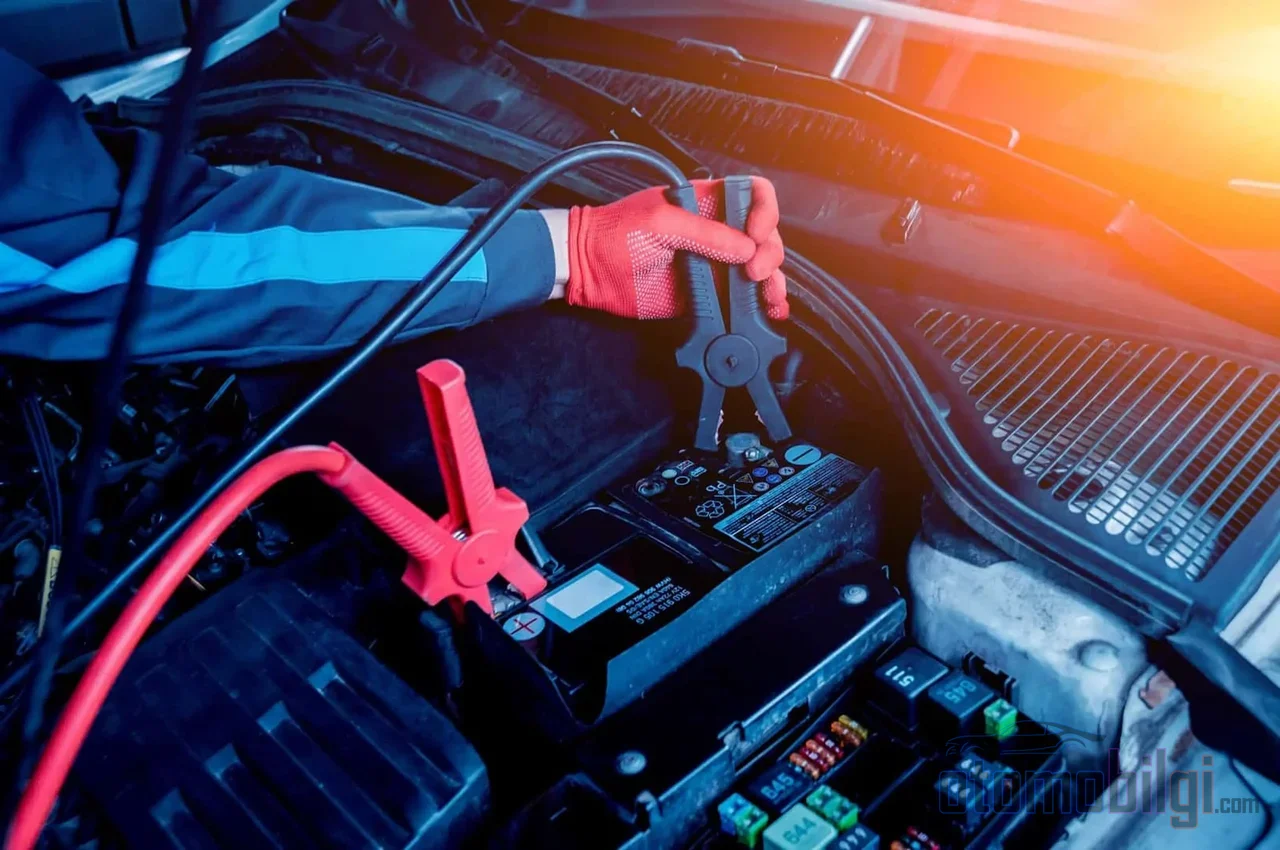
The battery is the quietest maintenance item on a car; it doesn't even remind most drivers of its name until its job is done. Then one winter morning the starter motor turns reluctantly, a warning light comes on in the instrument panel, and the day gets planned around a service appointment. Yet this part has a lifespan, a wear schedule, and most importantly, a fate that lies in the hands of your usage habits. When calculating the total cost of car ownership, most people count fuel, insurance, and taxes but overlook the battery; whereas with the right habits it is quite possible to significantly extend the life of this item.
How Many Years Does a Car Battery Last?
The lifespan of a standard car battery averages 3-5 years. This figure is not a warranty period but a statistical average; user habits, climate conditions, the vehicle's electrical load, and its maintenance status determine where within this range you will fall. According to experts, under optimal conditions the lifespan can extend up to 8-10 years; in practice, the usual lifespan of modern batteries runs in the 4-8 year band. The difference in between is no accident; it is the result of how you use it.
There are three main variables that narrow or widen this range: the battery's technology, the climate in which the vehicle operates, and the driver's daily usage pattern. The same brand of battery may last for years in the car of a driver who takes the highway once a week, while it can be depleted in two seasons in the car of another driver who commutes two kilometers every day. The purpose of this article is to explain the mechanism that makes the difference and to turn the battery into a predictable item of ownership cost.
Lifespan Differences by Battery Type
Not every battery is made with the same chemistry. Today, four main technologies promise different lifespans depending on the vehicle segment and electrical equipment:
| Battery type | Average lifespan | Approximate number of starts | Segment |
|---|---|---|---|
| Standard (flooded) | 3-5 years | 30,000-50,000 | Economy |
| EFB | 4-6 years | 270,000 | Mid-range |
| AGM | 4-8 years | 360,000 | Premium |
| Lithium-ion (electric vehicle) | 8-10 years | Very high cycle count | Electric vehicles |
EFB (Enhanced Flooded Battery) batteries accept charge roughly three times faster than a standard battery; AGM (Absorbent Glass Mat) batteries last 2-3 times longer than standard ones. The critical point is this: a vehicle with a start-stop system must always use an AGM or EFB battery. In these systems, a standard battery ages quickly; you lose both money and comfort.
Key Takeaways
- The average lifespan of a standard battery is 3-5 years; under ideal conditions it can extend to 8-10 years.
- The ideal temperature for a battery is 25°C; in hot regions the average lifespan drops to about 3 years.
- A fully charged battery should read 12.6-12.8 volts.
- In vehicles with start-stop systems, an AGM or EFB battery is essential.
- A battery older than 3 years should undergo professional testing at least once a year.
Factors That Shorten Battery Life
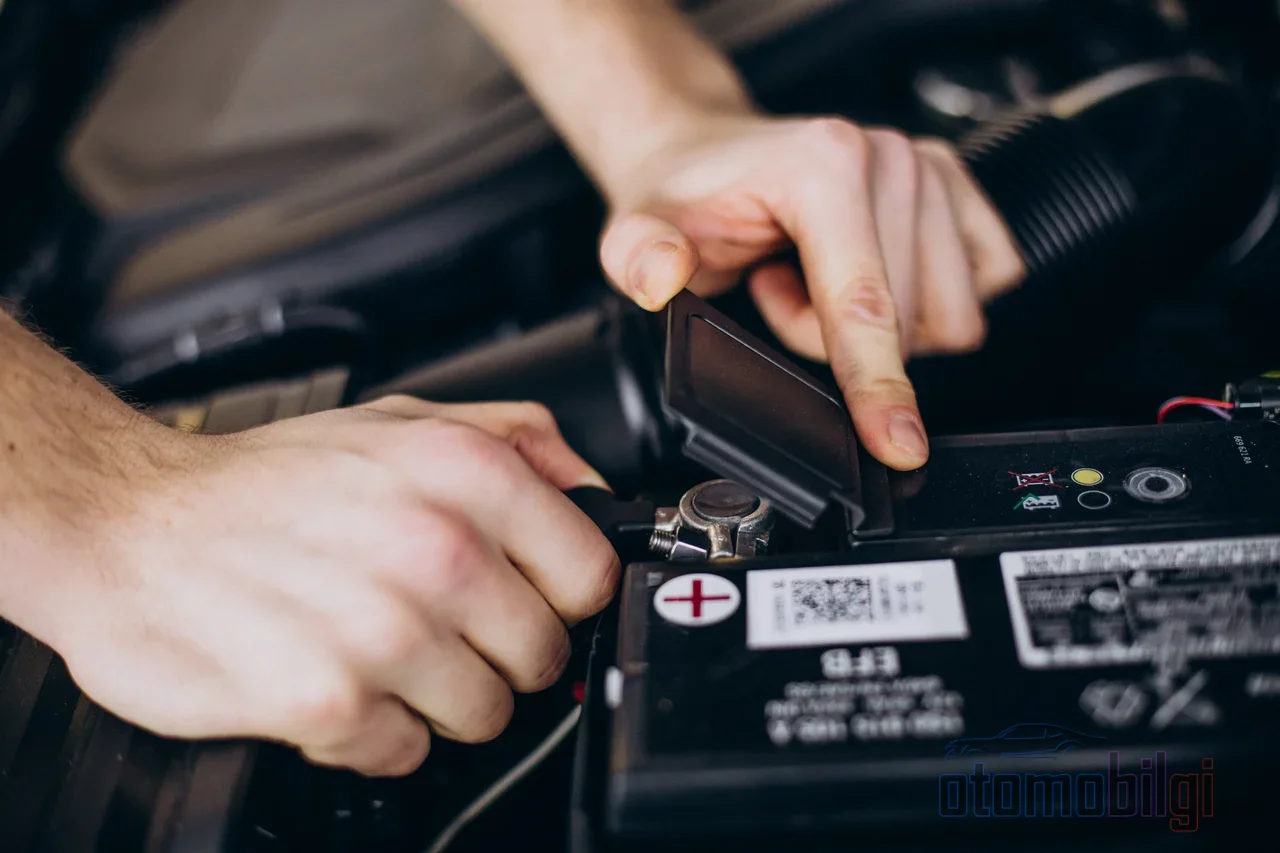
Behind the early death of a battery, the same three culprits are usually at work: short-distance use, long periods of inactivity, and high electrical load. Understanding how they work is also the key to extending their lifespan.
Short-Distance Driving
Starting the engine is the largest amount of energy the battery consumes at one time. On a five- or ten-kilometer trip, the journey ends before the alternator can fully recover the energy the battery spent. In a vehicle that is constantly driven short distances, the battery always lives in a state of undercharge, which over time leads to capacity loss and sulfation between the plates. In particular, the habit of running the engine for just 20 seconds and shutting it off is among the actions that harm the battery: the system shuts down before the energy spent on the first start has a chance to be recovered.
Long-Term Parking
It is a common misconception to think that a parked vehicle consumes no electricity. The alarm system, central locking, remote control receiver, and vehicle computers are fed from the battery even when the ignition is off. Modern vehicles can contain up to 200 computerized systems; a vehicle with an already weak battery that sits idle for three or four weeks will most likely not start. It is not correct to give an exact number of days; the amount of consumption varies depending on the vehicle, the condition of the battery, and the air temperature.
High-Draw Consumers and Temperature
Air conditioning, headlights, the sound system, seat heaters, and parking cameras place an extra load on the battery; while the engine is running, the alternator meets this load, but using these devices with the ignition off quickly drains the battery. Terminal corrosion also blocks the flow of electricity, shortening its life, and stands out as the most easily overlooked item in maintenance.
Climate, meanwhile, speaks in numbers: the ideal temperature for a battery is 25°C. As temperature rises, instantaneous capacity looks good, but lifespan shortens; as the temperature drops, lifespan lengthens, but cranking power decreases. At temperatures above 35°C, lifespan shortens noticeably; while the average battery life in hot regions is around 3 years, in temperate climates it can exceed 5 years. With the same battery and the same usage habits, the battery of a driver living on a warm coast completes its duty a few months earlier than that of a driver living in a cool inland region. Below -20°C, the battery can temporarily lose 35 percent of its power; this is one reason why starting is delayed in winter. You can read the cranking power from the values on the battery case: a marking like "12 V 72 Ah 640 A EN" tells you the voltage, capacity, and cold cranking current together.
Usage Habits That Extend Battery Life
The good news is this: most of the control over battery life is in your hands. A few practical habits can carry the same battery for years, above average.
- At least once a week, take a 30-40 minute drive, at highway speed if possible; this gives the battery the chance to reach a full charge.
- Clean the corrosion on the terminals with a mixture of water and baking soda, and tighten the clamps firmly.
- On a wet-cell battery, check the electrolyte level and add distilled water if necessary.
- If you will not be using the vehicle for a long time, disconnect the negative terminal or use a battery charger and maintainer.
- In hot weather, park the car in the shade or in a garage if possible.
- Do not run the air conditioner, audio system, or other high-consumption devices while the engine is off.
Also, having a battery older than three years professionally tested at least once a year is cheap insurance that protects you from being stranded on the road one morning. A fully charged, healthy battery should read 12.6-12.8 volts; noticeably low voltages mean a problem waiting to be tested.
When buying a battery, you need to know one detail: batteries do not carry an expiration date, but the manufacturing date is always indicated; it can be found on the negative terminal, the casing, or the warranty certificate. A wet-cell battery should have been manufactured no more than 6 months ago; for dry or gel types, up to one year is acceptable. A battery that has sat on the shelf for a long time may have already started discharging and sulfating.
How Do You Tell That the Battery Is Dead?
Batteries usually say goodbye quietly, but they leave clues before departing. Slow cranking or difficult starting, dim headlights or flickering at idle, the battery warning light on the dashboard, a weakened horn sound, and frequent discharges are the main signs that replacement time has come. If a noticeable capacity loss is seen in tests, replacement is inevitable. Taking these signs seriously allows you to replace the battery on your own schedule, not at a service point; which is also a distinctive cost advantage.
The Battery's Place in Ownership Costs: Original or Equivalent?
In the total cost of ownership calculation, the battery is one of the periodically renewed items such as tires and brake pads. It appears relatively small next to expenses paid for certain each year, such as fuel, insurance, and taxes; but as an expense repeated every three to five years, it must be anticipated in the budget. As the vehicle ages, the weight of this item increases; regular maintenance keeping costs under control through early fault detection also applies to the battery.
The most frequently asked question in battery selection concerns the balance between original and equivalent products. Here, technical suitability is more decisive than the brand name: there is no single best battery for every vehicle; the ampere-hour (Ah) value, cold cranking amps (CCA), and technology suitable for the vehicle's technical specifications should be chosen. A low-quality battery needs replacement within a year or two, and a purchase that looks cheap becomes expensive. In contrast, a segment product from a well-known manufacturer that matches the vehicle's values is usually a balanced point between price and performance. Although the initial cost of a premium AGM battery seems high, considering that it promises a lifespan 2-3 times longer than a standard battery, its cost per kilometer is often more reasonable; especially in use dominated by short trips, the AGM's low internal resistance provides a clear advantage.
Jump-Starting and Charging: The Right Method
Getting help with jumper cables when the battery dies is a common solution, but the order matters: the cables are connected in four steps, in a specific sequence; first the vehicle with the charged battery is started, then the vehicle with the weak battery is run for about 5 minutes to give it time to charge. If a charger is being used, with the engine off, the red cable is first connected to the positive terminal; when disconnecting, the negative terminal is removed first. Jump-starting new-generation electric and hybrid vehicles is not recommended; the procedure is different for these vehicles and the user manual should be followed. Battery replacement itself is a task that can be done at home with a bit of knowledge and care; but since the electrical systems of modern vehicles deserve respect, expert support is always the safer route.
Short Answer: How Many Years Will Your Battery Last?
In summary: a standard car battery lasts on average 3-5 years; AGM technology offers 4-8 years, while the lithium-ion batteries of electric vehicles offer 10-20 years depending on use. These figures are averages, not guarantees; short-distance driving, long-term parking, high electrical load and hot climates shorten the lifespan, while weekly long drives, clean terminal posts and regular testing extend it. The battery is the most overlooked item in ownership costs; when you give it a little attention, this silent part wears out your budget less than you think.
Sources
- How Many Years Does a Battery Last | How to Tell When the Battery Is Dead
- How Many Years Does a Battery Last
- What Is the Lifespan of a Car Battery and How Can It Be Extended?
- What Is the Lifespan of a Battery?
- The Right Battery for Short Distances
- How to Jump-Start a Battery?
- How to Extend Battery Life? Maintenance Tips
- After How Many Days of Not Being Driven Does a Car Battery Die?