How Much Does a WEC Season Cost?
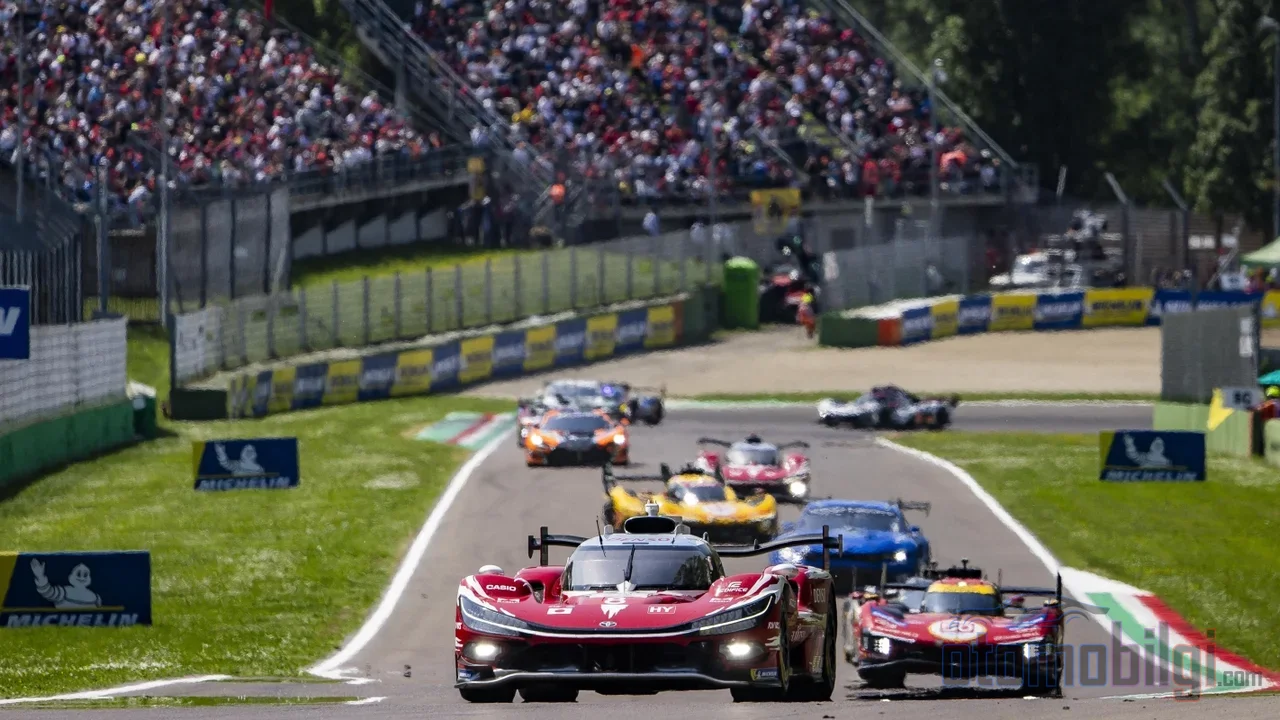
Watching those Hypercars circling for 24 hours at Le Mans like sculpted masterpieces, did the question "how much does this cost?" ever cross your mind? It crossed mine many times. Because every car spinning on the grid is actually a giant budget in motion: from engine development to overseas shipping, everything from tires to the pit team keeps the money flowing. And the interesting part is, the series' organizers are already deliberately trying to shrink that bill. So how much does a WEC Hypercar season really cost, who pays that money, and what do they get in return? Let's lay it all on the table.
Official Target: Two Cars, 20 Million Euros
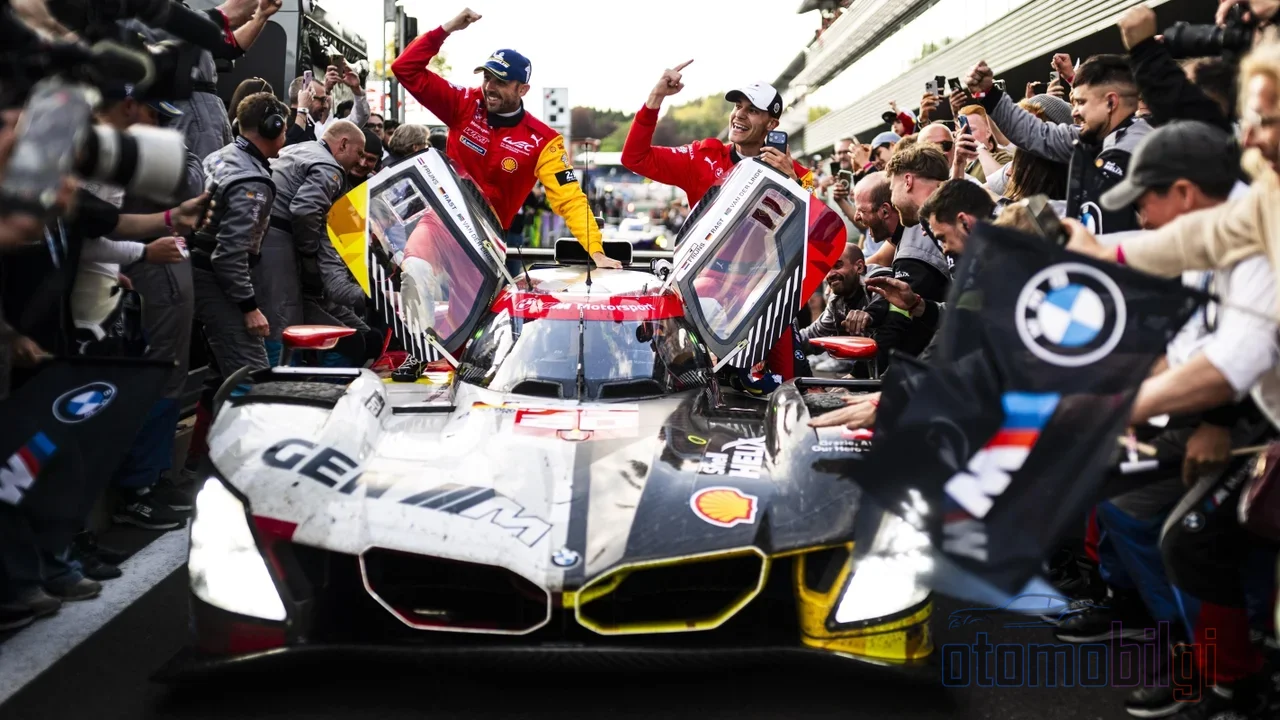
Let's start with a concrete figure. When the Hypercar class was defined, the FIA and the series' promoter set a clear goal: 20 million euros for a full two-car season, which is roughly 23 million dollars. That's well below the scary estimates of 28.7 to 34.4 million dollars being discussed when the class was announced. The aim was clear: to get manufacturers rushing to the door without scaring them off.
But there's another side to the coin. Rumors circulating through the paddock corridors run above that target. For 2025, it's said that team costs start at over 10 million dollars per car, and it was even mentioned that one manufacturer boss complained that a full two-car season's costs reach 50 million euros. So there can be quite a gap between the official target and the reality in the garage. Why? Because when the development war starts, everyone thinks the rival is catching up and opens their wallet. Just like everyone saying "I didn't study at all" and then getting 100 on the exam.
Meanwhile, what does the historical comparison tell us? In the old LMP1 era, big teams' season budgets could exceed 200 million euros. Placed next to today's 20-40 million euro world, you see that Hypercar is actually a cost-saving move. Relatively cheap, but still a price that would make you take out a loan to buy a car.
Highlights
- In Hypercar, the official budget target is 20 million euros for a two-car season, while actual spending can exceed that.
- In LMGT3, the budget per car is around 5 million dollars; that's the most accessible door.
- For every overseas race, a load of ~500 tons is shipped.
- WEC team sponsorships range from 200,000 - 2 million dollars per year.
Where Does the Budget Go? The Anatomy of the Line Items
Personnel: The Army Behind the Pit Wall
One of the biggest slices of the budget is manpower. The 20 million euro two-car operational budget also covers technical staff; that means engineers, mechanics, data analysts... All of them are in that money. What's more, the rules even count the pit team: each team is limited to just 11 pit crew members and two tire/wheel gun technicians. So building that human army that changes tires in 20 seconds at Le Mans, and limiting it, is all a matter of money. The rule makers don't want rich teams to win by growing their crews.
Tires: A Small Fortune at the Limit
In the Hypercar class, tires come from a single supplier; Michelin has been the exclusive tire partner of this class since 2021. The 2020 regulations called for a single manufacturer and three tire specifications - choices are reduced, and costs are kept under control. But a single tire does not mean cheap: the cost per wheel is around 900 euros per specification. When you consider that sets upon sets are bought in 24-hour races, the tire bill becomes a serious line item over the season. Meanwhile, those following the scene know: Goodyear has been in the picture as a challenging candidate for this deal; the entry of a competitor could affect both quality and price.
Logistics: A Factory Moved Across Continents
The WEC is truly a world championship; meaning the teams travel across continents every season. The official logistics partner ships ~500 tons of cargo for every overseas race. Spare parts, toolboxes, engines, even the team's garage furniture are included - at every race, a small factory relocates. To balance costs, the organization offers teams consolidated freight, a shared shipping solution based on combining loads; this decision is made at the start of the season to try to keep shipping invoices down. An interesting note for comparison: In Formula 1, air freight can cost up to 14 million dollars per team per season. The WEC's sea-based, shared logistics is almost an economics lesson compared to that picture.
Spare Parts and Development
In endurance racing, a car can take damage, the engine can be replaced, the chassis can be repaired. After every race, part life management is a science; and every spare part is a line written on the invoice. Moreover, development never stops throughout the season: even if you are squeezed by the BoP balancing hand when your rivals get faster, aerodynamic and reliability work continues uninterrupted. These also mean engineer hours, wind tunnel hours and test kilometers - in other words, money again.
Factory Team or Customer Team? Scissors in the Budget
Two teams racing on the same grid, with the same car, can have completely different budgets. The manufacturer's own factory team is the side that develops the car, builds the engine in-house, and keeps the widest roster. A customer team, on the other hand, buys the ready-made car and takes on running it; it does not pay for development costs. In the paddock, it is said that factory budgets can be several times larger than those of customer teams - some estimates say this gap can reach 8-10 times, but this is not a strict rule and varies from team to team.
Why do manufacturers take customer cars seriously? Because they are insurance. Even if the factory team withdraws from a race, customer cars ensure the brand is represented on the grid; moreover, the manufacturer supplying customer teams with the same updates as the factory team is part of this system. But even insurance has its limits: In 2026, Porsche shifted its focus to IMSA and Formula E and withdrew from Hypercar, and the car of customer team Proton Competition fell victim to this exit. Of course the two-car rule plays its part too - running two entries doubles the budget; which is why the cost of running two cars is blamed when several manufacturers leave the class. In other words, even if the customer team setup looks appealing, a factory departure can take it away as well.
LMGT3: The Same Sport, at Half the Price
Now let's look at the "budget-friendly" side of the class. Introduced in 2024 to replace the long-standing LMGTE regulations, LMGT3 is the series' permanent GT class and a completely different league on the budget side. For 2025, it is said that many teams are expecting budgets of over $5 million per car. Compare that with Hypercar's official two-car target of 20 million euros and you understand what I mean: racing in GT3 with a single car is far more accessible, at least on paper.
| Item | Hypercar | LMGT3 |
|---|---|---|
| Season budget | ~20 million euros / two cars (official target) | over $5 million / car |
| Sponsorship entry | Starting from around $2 million | Range of 10,000 pounds to 5 million pounds+ |
| Entry fees and testing | A significant budget item | Around 0.5 million euros |
| Logistics | ~500 tons of cargo per overseas race, shared freight | The same organization is shared |
Of course, "cheap" is relative. In a hypothetical season budget for GT3, entry fees and testing alone come to roughly half a million euros; LMGT3 events charge significant entry fees. So the budget shrinks, but it doesn't disappear. It's a figure you can't treat as a hobby - but compared to the Hypercar door, it's practically a student budget.
Why Do Manufacturers Accept This Price Tag?
Now comes the most interesting question: why do brands like Toyota, Ferrari and Porsche spend this money? The answer isn't direct sales, it's brand value. The return from motorsport is indirect but powerful: the brand that wins on the track gains pricing power, desirability and a premium perception in the showroom. When someone says "this car won the 24 Hours of Le Mans," they open their wallet a little more easily. That's why manufacturers invest in racing; they generate value through multiple channels and build credibility.
Ferrari is a living example of this. The Hypercar program is not subject to the fluctuations of the automotive world; it is sustained by a self-financing model, with revenue coming from various ventures. The brand has signaled that, in the context of the 2030 regulations, cost is not a problem on the LMH side. The figures are ambitious too: In 2025, Ferrari reported 820 million euros in sponsorship, commercial and brand revenue. In this picture, the racing program looks less like an expense and more like an investment.
But counterexamples also serve as lessons: Between 2002 and 2009, Toyota spent an estimated $2.7-3 billion in Formula 1 without winning a single race. The right series, the right format, the right target... These aren't slogans, they're balance sheet items. The WEC's effort to pull the budget ceiling downward exists precisely for this reason; the series aims to keep manufacturers at the right cost level.
So Does Sponsorship Close This Gap?
Partially. In the WEC, team sponsorships are estimated to range from $200,000 - 2 million per year; in GT and endurance racing this range widens even further, with title sponsorships at Hypercar level starting at around $2 million. Put that next to program costs of 20-40 million euros: sponsorship only covers a slice of it. The rest is the manufacturer's brand investment - less about the comfortable world of sponsorship, more about the marketing budget side of the business. For customer teams, on the other hand, sponsorship is a survival tool; finding sponsors to stay on the grid is as important as setting fast laps.
Bottom line: The Real Bill and the Answer
Let's give a clear answer to the question then. The cost of a WEC Hypercar season is, according to the official target, 20 million euros (~$23 million) for two cars; but due to the development race and the requirements imposed by the rules, actual spending can climb to the 30-50 million euro band. On this bill, personnel, tires costing 900 euros per hour from a single supplier, 500 tons of overseas shipping and an endless demand for spare parts are the main items. LMGT3, meanwhile, at $5 million per car, is the accessible gateway to the same sport. Manufacturers pay the balance in return for brand value, credibility and a premium image; sponsorship, however, covers only a small portion of the gap. So every Hypercar you see on the grid is not just a fast machine - it is a carefully calculated marketing investment. I think that's exactly why it's all the more impressive - what do you think?
Sources
- FIA WEC - 2020 Regulations, how much will it cost to race?
- Cost of WEC's new hypercar class could be lower than previously thought
- WEC LMGT3 set for significant makeover in 2025
- Goodyear making strong push for WEC Hypercar tire deal
- Michelin, exclusive tire supplier for the WEC's Hypercar class
- The LMGT3 Category - FIA WEC
- DHL and the WEC - logistics in motion
- Interview with Pascal Dimitri: The overseas WEC logistics
- Genesis Magma Racing's 2026 WEC Season Guide
- Customer cars key if manufacturers end up deserting Hypercar
- How Ferrari's Self-Funding Model is Keeping it at Sports Car's Top Table
- WEC Sponsorship Cost
- The True Cost of Racing: A Hypothetical GT3 Seasonal Budget
- They Spent $3 Billion and Never Won
- 2026 FIA World Endurance Championship