What Is LMGT3 and How Does It Differ from Hypercar?
Share This Page
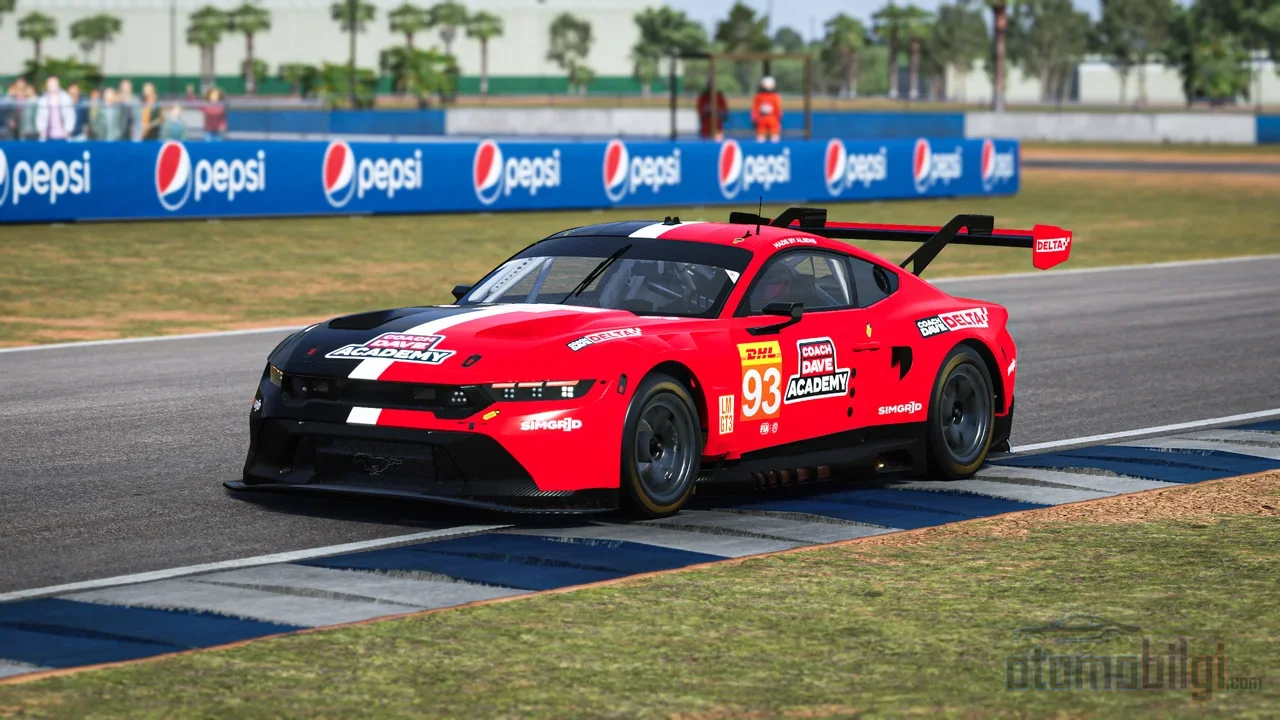
LMGT3 stands for Le Mans Grand Touring 3 and is the class in which GT racing cars derived from road-going vehicles compete in the FIA World Endurance Championship (WEC). It replaced the former LMGTE in 2024; unlike the one-off prototypes in the Hypercar class, these are racing versions of road-going sports cars, and it runs its own championship with separate points scoring.
Highlights
- LMGT3 in 2024 was introduced in the WEC and at the 24 Hours of Le Mans; the successor to LMGTE.
- Cars FIA GT3 are built according to the technical platform, open to manufacturers producing more than 2,500 road cars per year.
- Each manufacturer can be represented by at most two cars; priority is given to manufacturers also competing in Hypercar.
- All lineups must include at least one Bronze driver mandatory - the class is Pro-Am in spirit.
- Race number plates green use a background.
What Exactly Is LMGT3 and Where Did It Come From?
Think of it this way: take a road car you love, remove the trunk, the seats and the comfort, and put in a racing cage, safety equipment and parts suited to endurance racing. That is roughly what LMGT3 is. The class name, Le Mans Grand Touring 3, also directly states that the cars come from the FIA GT3 technical platform. In other words, these cars you see on track are not distant relatives of the models sold in showrooms, but their direct descendants.
The class came to life in the 2024 season both in the WEC and at the 24 Hours of Le Mans, taking the place of the former LMGTE category. There is one important distinct detail: this class focuses on private teams. That is, manufacturers enter the car as constructors, but the wheel is mostly taken over by independent teams. Also, not everyone gets into the class; the car must be produced by a recognized partner manufacturer, and that manufacturer must produce at least 2,500 road cars per year. The aim is also clear: both to draw brands that sell road cars into racing and to fill the grid with realistic competition.
Brands on the Grid
According to the 2026 Le Mans class preview, the grid includes Aston Martin, BMW, Corvette, Ferrari, Ford, Lexus, Mercedes-AMG, McLaren and Porsche - all under private teams. By rule, each manufacturer can run at most two cars; this keeps the class crowded but manageable. In the manufacturer quota, priority is given to brands also represented in the Hypercar class, meaning those investing in the WEC on two fronts at once move ahead.
How Does It Differ from Hypercar? Technical Differences
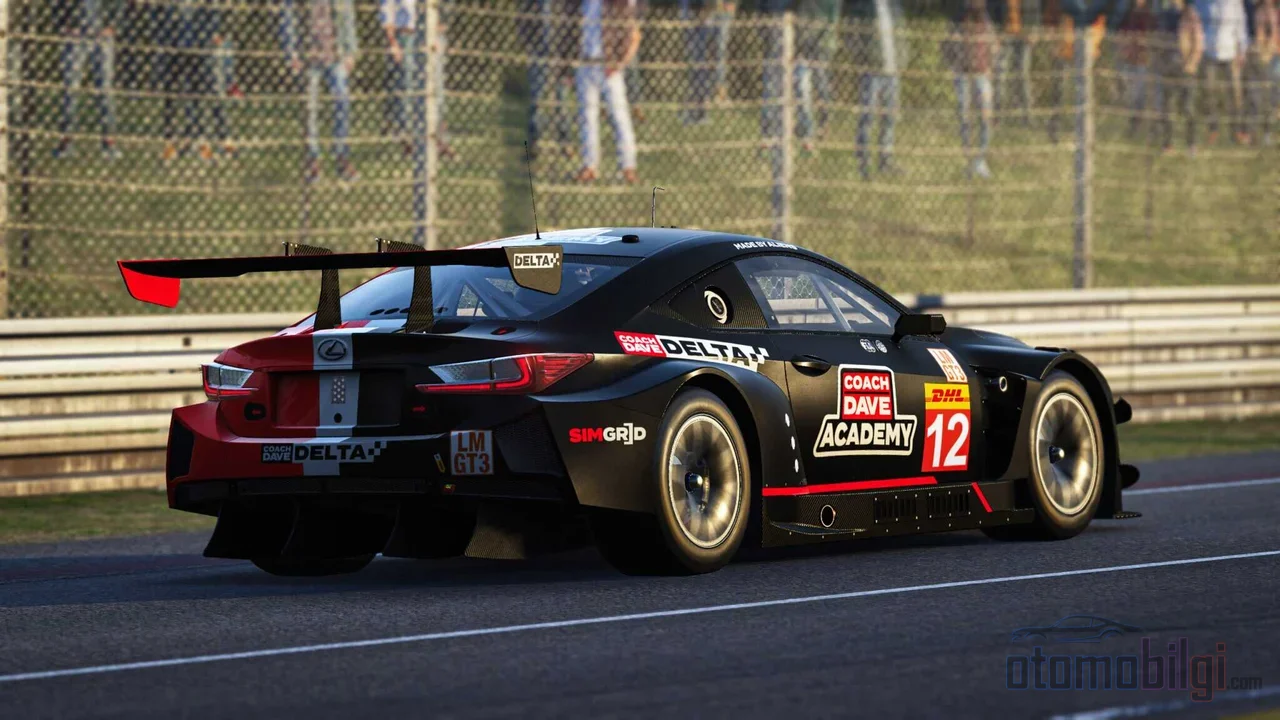
Here is the heart of the question. Hypercars are prototypes built purely for racing, coming from two different philosophies: LMH and LMDh. Their maximum power is around 670 hp , their minimum weight is 1,030 kg and hybrid power is allowed. LMGT3 cars, on the other hand, are based on road cars; they have less power, less torque and noticeably lower aerodynamic downforce. The speed difference in corners is clearly visible - while a Hypercar can exceed 354 km/h on the straights with its superior aerodynamics and power-to-weight ratio, GT3 cars typically reach more moderate top speeds.
But in my view the most interesting difference is in the electronics. Hypercars have no ABS; the pilot manages braking with their own heel. LMGT3, on the other hand, has adjustable electronic driver aids like ABS and traction control. This keeps GT3 cars closer to the road car philosophy and is lifesaving, especially for amateur-origin drivers. On the aerodynamics side things are different too: GT3 cars rely more on mechanical grip, while prototypes turn the air they peel off the ground into downforce like a meal.
| Feature | Hypercar | LMGT3 |
|---|---|---|
| Origin | One-off prototype (LMH / LMDh) | Road car-based GT3 |
| Maximum power | 670 hp | Lower, adjusted via BoP |
| Minimum weight | 1,030 kg | Around 1,200 kg and above |
| Hybrid power | Permitted | None |
| ABS / traction control | No ABS | Adjustable aids available |
| Cornering speed | Very fast with high downforce | Dependent on mechanical grip, slower |
Balance of Performance: The Book of Equality
How is it possible to keep cars from different brands, with different engines and different designs, within the same lap time band? The answer is two letters: BoP, or Balance of Performance. This mechanism regulates weight and engine power - power being adjusted by changing the air restrictor size - separately for each car. In LMGT3 the scope of adjustment is broad: weight, engine power, ride height and even fuel capacity can change from track to track.
One point to note is this: in the WEC, BoP applies not only to LMGT3 but also to Hypercar, keeping both classes in similar performance windows. In other words, cars in LMGT3 run slightly slower than their GT3 counterparts because WEC BoP can impose heavier weight values. For example, in the BoP data published for the 1812 km race in Qatar, all LMGT3 cars were seen to be above 1,340 kg, with some exceeding 1,380 kg. You could consider this the price of the class being a pure competition arena rather than a technology showcase. BoP decisions are updated on an event-by-event basis by committee decision, and this transparency debate is still discussed within the fan base.
Mandatory Amateur Driver Rule and the Pro-Am Spirit
The class's most characteristic rule is hidden in the line-ups: Every LMGT3 car must have at least one Bronze category driver and one driver in either the Bronze or Silver category. The Bronze category covers "gentleman drivers" whose profession is not racing - enthusiasts who manage millions in their day job and hit the track on weekends. Then come the Silver, Gold and Platinum levels.
This rule entirely shapes the class's identity. While world-class factory drivers lap Hypercar line-ups within fractions of a second of each other, in LMGT3 an amateur's development can also affect the race outcome. Moreover, simply being in the line-up is not enough: WEC rules also set minimum driving times by category; as the race gets longer, the time Bronze and Silver drivers must spend at the wheel increases. In short, the class offers a rare racing format that places real responsibility on the amateur driver.
Two Classes in the Same Race, Two Different Strategies
In WEC races, Hypercar and LMGT3 run at the same time on the same track, but their strategies are completely different. LMGT3 is the slowest yet most crowded class on the track; Hypercars keep passing in front of them throughout the race. For this reason, traffic management is a critical skill for GT3 drivers: where will you release the prototype in your mirrors, and where will you resist? During the night stages of Le Mans, this choreography plays out like a game of chess.
The fuel and tire side is different too. In LMGT3, energy management is simpler compared to Hypercar; the real game is about fuel level, and "lifting and coasting" - the technique of lifting off the throttle before entering a corner and losing speed by coasting - is the fundamental weapon. On the Hypercar side, there are more complex mechanisms where managers can control pit stop fuel. On tires, LMGT3 runs on Goodyear slicks and has a more predictable degradation profile than the prototypes; this makes tire strategy decisive during night stints.
The Class's Own Championship and the 2026 Outlook
LMGT3 scores as a separate championship within the WEC; teams are racing for their own titles. The 2026 season is the WEC's 14th season, and the picture in the LMGT3 Teams standings after Spa is very colorful: The Bend Manthey #92 with 30 points leads, Garage 59 #10 with 26 points, Team WRT #69 with 25 points and TF Sport #33 right behind. In other words, even the middle of the class is so tight that a single bad race could turn the leadership around. The biggest stop of the season, the 24 Hours of Le Mans, opens its doors on June 10-14, 2026.
Why Are Manufacturers Investing So Heavily in This Class?
The answer to the question is partly commercial wisdom and partly passion. The beauty of GT3 racing is that the car on the track is genuinely based on the car sold to customers. This offers manufacturers a unique opportunity: data gathered in racing directly benefits the production side. Additionally, being able to use the same car in very different environments - different championships, different continents - multiplies the return on investment; this is exactly where the value brands like Porsche, Ferrari and BMW place on this class comes from.
There is also an interesting debate about the future: replacing the "Premium" kit concept from the class's beginnings with more accessible "Conversion" kits is on the agenda. This change is sparking discussion in the community about whether the class is drifting away from the authentic GT philosophy it had at launch. On one side, organizers who want to lower costs and expand the grid; on the other, those who want to preserve the class's luxury image - it seems the future of LMGT3 will be shaped on this tension. Which do you think will win, accessibility or image? In my view, the balance of the two will be the heart of the class.
Final Word: Why Should You Follow LMGT3?
Because this class is the most human side of endurance racing. The Hypercar's feast of technology is impressive, of course, but in LMGT3 you watch an amateur driver's struggle to save their night, two brands battling behind the scenes with the fine adjustments of the BoP, and the fight of customer-sold cars to endure for 24 hours. Next time you tune in to a WEC race, follow the green number plates; in my view, their story is not far behind the prototypes' at all.
Sources
- Le Mans Car Classes | Hypercar, LMP2 & LMGT3
- The LMGT3 Category - FIA WEC
- FIA Driver Categorisation
- Regulations - FIA WEC
- What is "Balance of Performance"?
- What are EoT and BoP? - FIA WEC
- The different classes - European Le Mans Series
- Balance of performance - Wikipedia
- 2026 FIA World Endurance Championship - Wikipedia
- WEC 2025 LMGT3 BoP Decision (Official PDF)
- WEC Confirms Two Cars Per LMGT3 Manufacturer
- From Premium to Conversion: The Changing Face of LMGT3
- What is the difference between GT3 and LMGT3 cars?
- 2026 LMGT3 class preview
- 24 Hours of Le Mans 2026 - FIA WEC
- 2026 standings - FIA WEC
- WEC 2026 Championship standings after Spa
- Chat GT3: Why Do Manufacturers Invest in Racing?