How to File a Diminished Value Claim?
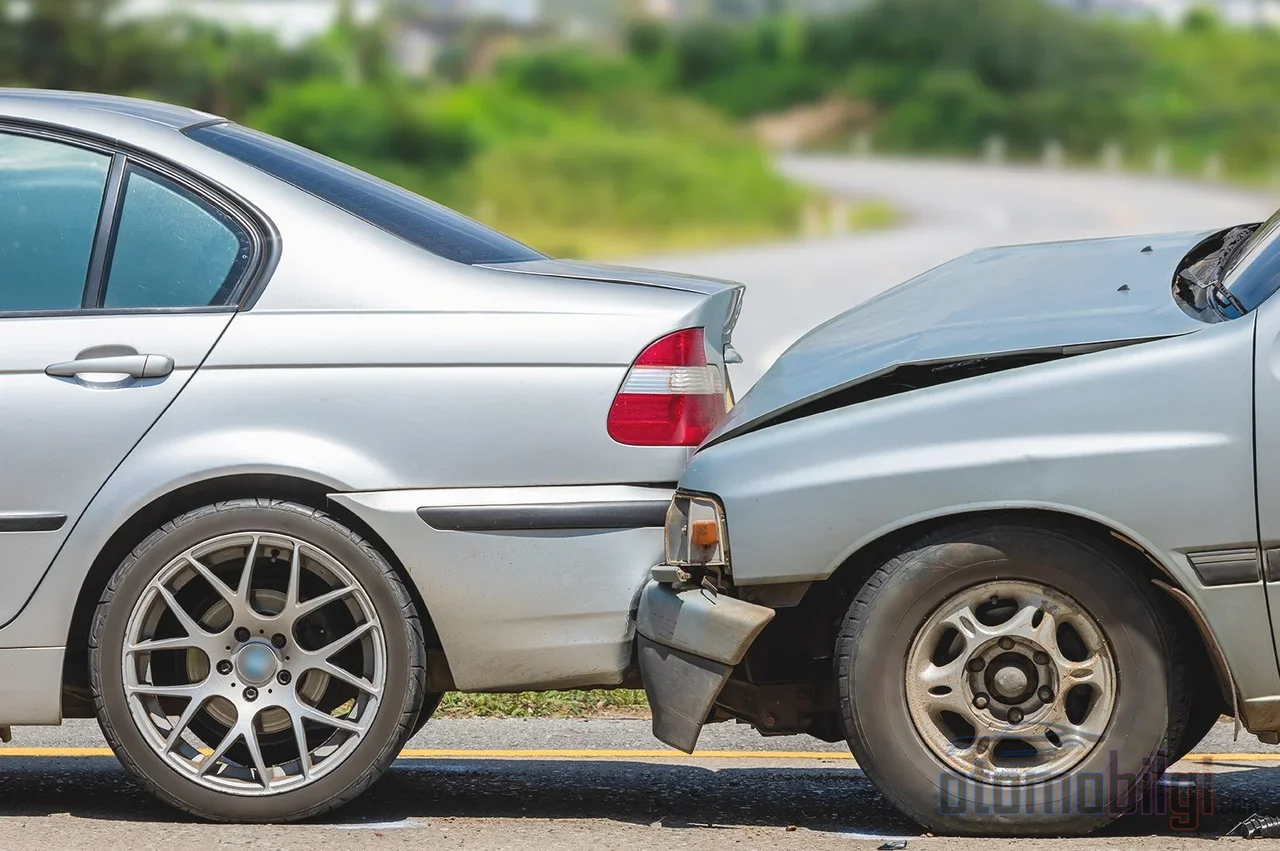
Your car was in an accident, it was repaired, the paint is shining and you are back on the road. While everything seems fine, things change when a buyer in the second-hand market opens the hood and asks about the accident record: selling it for the same money as an accident-free equivalent becomes impossible. This difference is a loss that most drivers are unaware of but anyone who knows how to assert their rights can claim: diminished value compensation. I have been in this business for more than thirty years, and still more than half of the drivers I talk to think the matter is closed once the repair cost has been paid. It is not.
On this page, I will explain what diminished value is, under which conditions it can be claimed, how the calculation is structured, and how the application process proceeds step by step, as a guide that teaches the method without giving current amounts. Because the amounts change every year; the method, once learned, is lasting.
What Exactly Is Diminished Value?
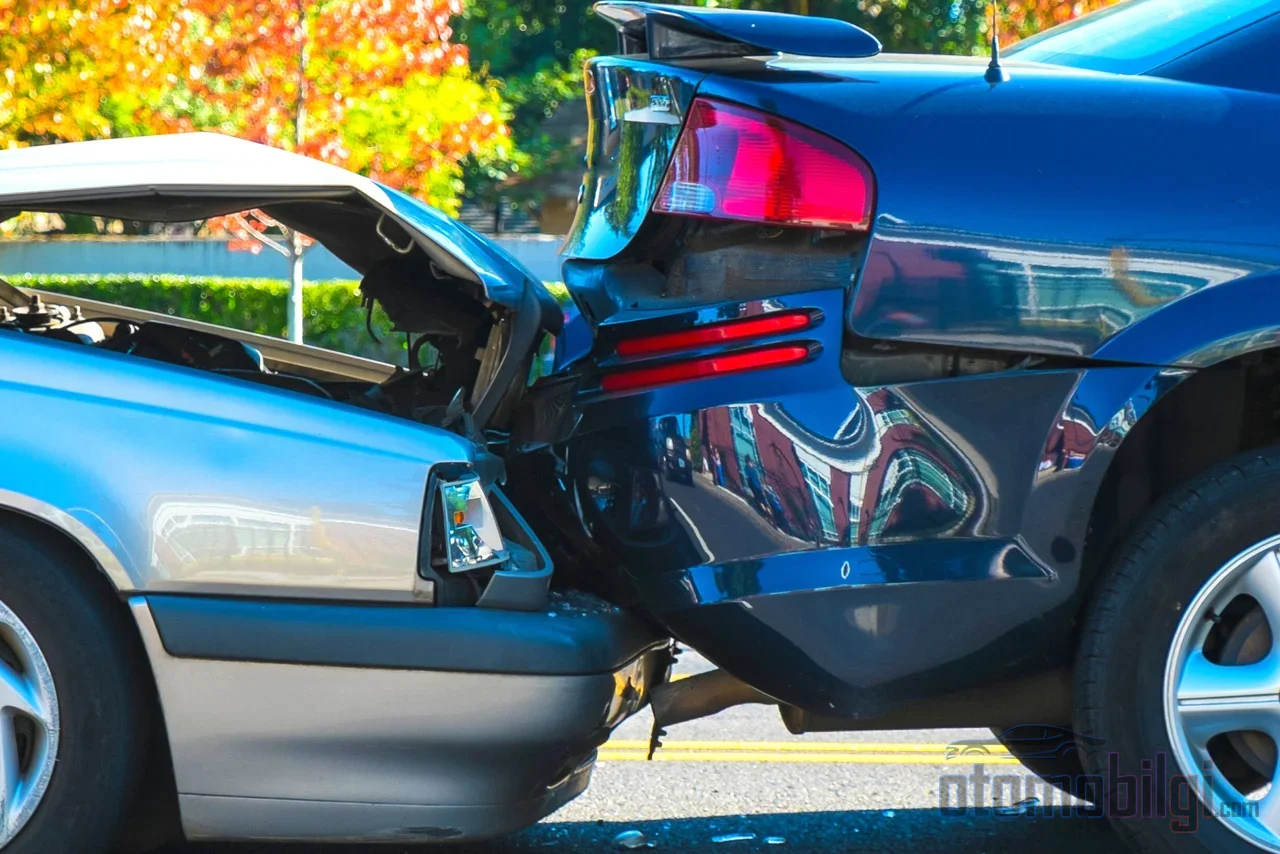
The definition is simple: the difference between the vehicle's pre-accident market value and its second-hand sale value after the repair is completed. The fault is not in the vehicle, but in the vehicle's history. Accident and damage record checks are the first thing every buyer does today; a buyer who sees a record either walks away from the deal or drives the price down. The quality of the repair can only soften this picture. Diminished value occurs because a vehicle repaired with original parts by an authorized service still has an accident history; quality repair only affects the amount of the loss, it does not prevent it from occurring.
Let us also say this from the start: diminished value does not arise only from a classic traffic accident. Natural disasters, damages caused by third parties or animals, and especially repairs made with aftermarket parts outside authorized services can produce the same result. If your vehicle has been written off, that is, if the difference between its market value and the scrap price has been paid in a total-loss settlement, you cannot additionally claim diminished value; these two concepts do not substitute for one another.
Two Concepts That Should Accompany It
Diminished value is often not alone. Damage difference is an additional loss arising from the price difference with the original part because the insurer had aftermarket or equivalent parts fitted in the repair, and it is legally claimable. Replacement vehicle loss is the price of losing the use of your vehicle while it is in repair: rental car or alternative transportation costs. Unless there is a special provision in the policy, this loss is claimed not from the at-fault party's insurer but directly from the at-fault person. Knowing these distinctions allows you to understand what you are signing when the matter falls into an expert's hands.
Highlights
- Diminished value is the second-hand price difference between an accident-damaged vehicle and its accident-free equivalent, even if repaired, and it is claimed separately.
- The prerequisite for the claim: not being 100% at fault in the accident.
- The mileage limit was lifted on April 1, 2020; it can now be claimed regardless of mileage.
- Statute of limitations: from the date the damage became known 2 years, and in any case 10 years from the accident.
- The insurer must respond in writing within 15 business days.
What Conditions Are Required for a Diminished Value Claim?
The general terms of traffic insurance look at five conditions collectively for accepting a claim. You can think of them like the boxes you tick when filling out a form; if even one is missing, your application is turned away at the door.
- The claim must not be time-barred,
- The damage subject to diminished value must have occurred in an area of the vehicle not previously damaged,
- The vehicle must not have a heavy damage record,
- The damage must be of a nature that cannot be remedied with simple repair work,
- The claimant must not be 100% at fault in the accident.
The last item always opens a debate: a driver who is at fault cannot claim their own diminished value from the other party's traffic insurance; at this point, a door remains open only if there is a special provision in the comprehensive insurance policy. A myth related to time also needs to be dispelled. The 165,000 kilometer limit you will encounter in older writings was removed by the general terms amendment published in the Official Gazette on March 20, 2020 and entering into force on April 1, 2020. Today, diminished value can be claimed regardless of mileage; mileage only affects the calculated amount. So your vehicle with 200,000 km does not lose its right, it simply corresponds to a lower amount.
Statute of Limitations: Why Does the Clock Keep Ticking?
You must raise your claim within 2 years from the date you learned of the damage and the party liable for compensation, and in any case within 10 years from the date of the accident. If the accident arose from an act requiring criminal punishment and the criminal law provides for a longer period, that period applies. The most common mistake in practice is assuming the matter can be put off until after the repair is finished. The clock starts when the repair is completed; every month of delay makes it harder to substantiate the figure you are claiming.
Traffic Insurance or Comprehensive Insurance: Who Pays the Money?
The question of which insurance covers diminished value is where most drivers get confused. The logic is this: the loss is a loss caused by the party at fault; therefore, the claim is covered through the Compulsory Financial Liability, that is, the traffic insurance, of the vehicle that caused the accident, in proportion to your degree of fault. If the at-fault party's vehicle was written off and the MTPL limit is exceeded, the bodily injury insurer steps in for the remaining portion.
As a rule, comprehensive insurance does not pay diminished value; the general terms of comprehensive insurance cover direct material losses. However, in recent years, diminished value can appear in some policies as an exclusion or additional coverage. So a few minutes of reading before signing your policy can save you weeks of struggle after an accident. One more note: the vehicle owner's responsibility under traffic legislation is strict liability based on the hazard principle; but they are relieved of liability if force majeure, the fault of the injured party, or the gross fault of third parties breaks the causal link. Court of Cassation 17th A 2016 ruling by the Legal Department emphasized that even after repair, the decline in the market fair sales value is considered actual damage, and both the party at fault and the ZMSS company are held liable for this damage - meaning the established case law leans in favor of the claimant.
| Coverage | Does it pay diminished value? | Who is the claim made against? |
|---|---|---|
| Traffic insurance (ZMSS) | Yes, in proportion to the other party's fault | The at-fault party's traffic insurer |
| Comprehensive insurance | As a rule, no; possible if there is a special clause in the policy | Your own comprehensive insurance insurer |
| Compulsory Personal Accident Insurance (IMM) | For the remaining portion when the ZMSS limit is exceeded | The at-fault party's IMM insurer |
How Is Diminished Value Calculated?
The math of the calculation is not fixed like school problems, but the logic is clear. The common formula structure is as follows: first, a base diminished value is found by multiplying the vehicle's fair market value by a certain rate; then this base amount is adjusted according to the extent of the damage and the vehicle's level of use. In other words, the actual diminished value is a result reached by jointly evaluating the vehicle's age, mileage, damage history, repair method, replaced and painted parts, make and model, first registration date, and market value. In practice, there can be practical differences between the formula calculation and the insurer's or expert witness's own assessment; the final calculation is made at the court stage by expert witnesses using the same criteria.
Let me tell you, as someone who has been steeped in this business: distinguishing whether the figure is being discussed on paper or in the market is everything. An appraisal report that concretely shows the vehicle's value before and after the accident is the most important piece of evidence in the file; the same report is used to determine the value of the lawsuit. A practical observation: the average diminished value in luxury segment vehicles is higher than in other segments; because the buyer base is more sensitive to damage history.
Application Process: What Should You Do Step by Step?
When properly ordered, the process moves faster than expected. The steps are as follows:
- Document the accident. The accident report, damage photos, and damage record are the foundation of the file.
- Clarify the at-fault party. The fault distribution determines from which insurer and at what rate you will make your claim.
- Obtain an appraisal or diminished value report. This report is both the basis of the figure and a means of proof.
- Apply in writing to the insurance company. A petition is submitted to the other party's ZMSS insurer; the accident report, registration certificate, policy, repair invoices, service report, damage photos, and appraisal report are attached to the documents.
- Follow up on the response period. The insurer is required to respond in writing within 15 business days. If no response arrives on time, if the claim is denied, or if the payment is insufficient, your rights of objection arise.
If you do not agree with the expert's assessment, there is a deadline to remember: An objection to the expert's findings may be filed within three business days. In the rush of repairs, these three days can easily slip away; the lost time weakens your position at the bargaining table later on.
If it is rejected: Arbitration or Lawsuit?
Upon rejection or insufficient payment, there are two paths. The faster one is the Insurance Arbitration Commission; however, the condition is that a written application must have been made to the insurance company before applying. If this step is skipped, the arbitration application is rejected on procedural grounds. In arbitration decisions, decisions under 5,000 TL are final; decisions between 5,000 and 40,000 TL become final upon objection, and for those above, the court and appeal route is open. The path changes depending on the amount, which means establishing a solid figure is important not only for winning but also for knowing which door you will go through.
The second path is a lawsuit. Against the insurer, you go to the Court of First Instance for Commercial Matters; against only the driver, owner, or operator, you go to the Court of First Instance for Civil Matters. The competent court is the defendant's place of residence, the place of the accident, the injured party's place of residence, or the insurer's headquarters; meaning that sometimes it is possible to file a lawsuit in your own city.
Most Frequently Asked Questions: Short Questions, Clear Answers
- Can depreciation be claimed for a repaired vehicle? Yes. Repair does not erase the mark that the accident history has left in the second-hand market.
- Can the party 100% at fault in the accident make a claim? No, from traffic insurance; a claim from comprehensive insurance may be possible if there is a special provision in the comprehensive policy.
- Is depreciation added on top of the repair cost? Yes, it is added separately on top of the repair cost.
- Rent and transportation expenses during the repair period? They can be requested from the party at fault with concrete documentation.
In conclusion: your rights did not vanish just because your vehicle was repaired. If you are 100% faultless in the accident, you have no severe damage record, and your damage is not the kind that can be fixed with a simple repair, apply in writing to the other party's traffic insurer with a solid expert report within 2 years of the accident - and in any case within 10 years; if no written response arrives within 15 business days or the response is insufficient, arbitration or a lawsuit is there to back you up. In the old days, we would wait at the insurer's door and receive the response letter weeks later; now the time limits are in writing and the paths are mapped out. The only remaining task is to put your right on the table on time and with documentation.
Sources
- Vehicle Depreciation and Its Conditions - 2026
- What Is Vehicle Depreciation Compensation?
- Vehicle Depreciation
- Vehicle Depreciation Compensation
- How to Claim Vehicle Depreciation with Comprehensive Insurance?
- What Is Vehicle Depreciation? How Is It Claimed?
- vehicle depreciation lawsuit conditions 2026
- Vehicle Depreciation