Hybrid Oil Change: The 12-Month Rule and Its Exceptions
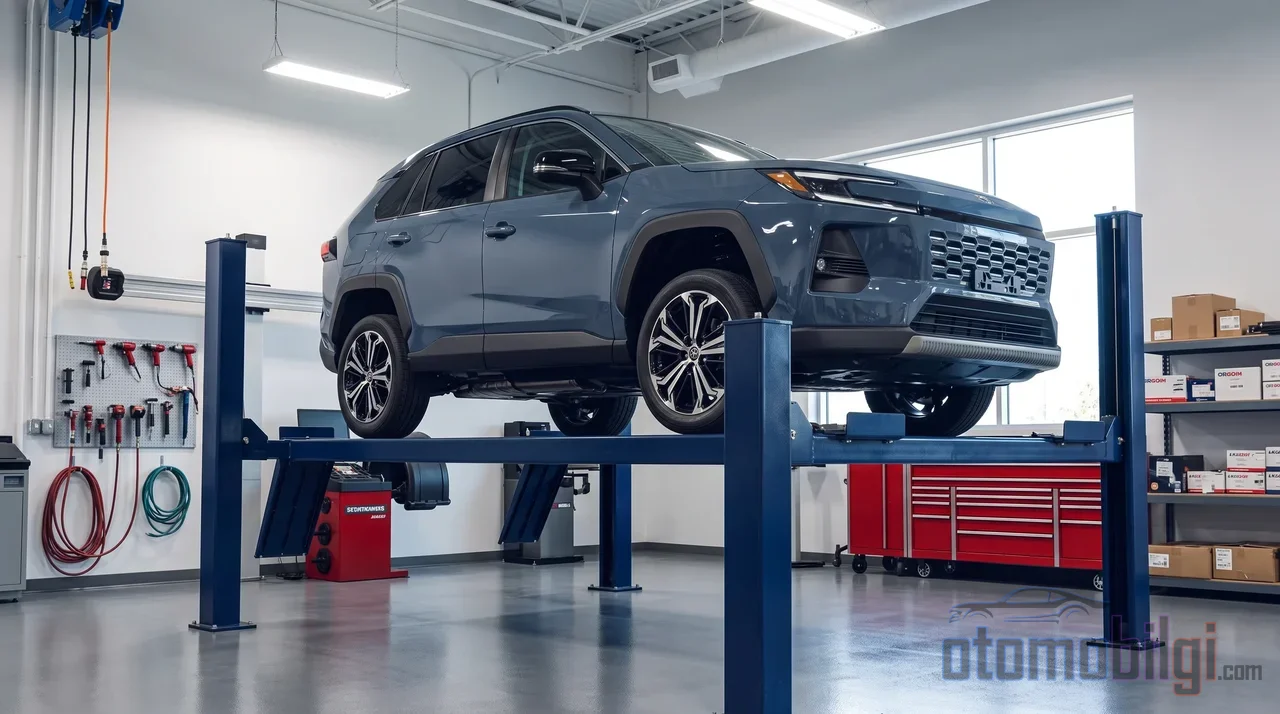
In a hybrid car, you see an internal combustion engine whose mileage on the dashboard increases slowly; since the electric motor carries most of the day's work, fuel consumption can be half that of a gasoline sedan. The logic seems simple: if the engine runs less, the oil wears less too, and the change interval extends. Yet the reality is quite the opposite. The lubrication conditions of hybrid engines are far more complex than the km figure suggests, and it is the pattern of use, more than mileage, that determines the oil change decision. In this guide, we explain with engineering logic how long an oil change should last in hybrids, which conditions shorten the interval, and how to choose the right oil.
Why Are the Lubrication Conditions of a Hybrid Engine Different?
In a hybrid system, the internal combustion engine does not run continuously as in a gasoline vehicle, but intermittently according to power demand. When the electric motor kicks in, the gasoline engine shuts down completely; it restarts when power demand increases. This cycle can repeat dozens of times in a day and produces two specific consequences for the oil.
First, a significant portion of engine wear occurs at the moment of starting, that is, while the oil has not yet fully reached all bearing surfaces. Frequent stop-and-go driving multiplies this critical moment. Second, since the hybrid engine usually operates at low rpm and low load, its operating temperature stays lower than in a gasoline vehicle. In an engine that shuts off before warming up, fuel and condensed moisture accumulate in the oil; the result is oil degradation, sludge formation, and a shortened engine life due to acidic buildup.
There is also a counterargument, and it should not be ignored: hybrids do not have a routine stop-start system like gasoline vehicles; the power-split software manages transitions in a way that protects the engine, and multiple software steps are used to reduce wear on a cold engine. Also, since total running time is shorter, in a scenario where the engine fully warms up on most trips, the oil can last longer, on a kilometer basis, than in a gasoline vehicle. In short, the picture varies according to use; therefore a single figure cannot be applied the same way to everyone.
Factory Intervals: Are Hybrid and Gasoline on the Same Schedule?

Yes, largely the same. Toyota also recommends the factory interval of 10,000 miles (approximately 16,000 km) or 12 months, whichever comes first, for its hybrid models such as the Prius, RAV4 Hybrid, and Highlander Hybrid, with full synthetic oil and under normal use conditions. Kia gives the same interval for the 2026 Sportage Hybrid. In other words, manufacturers do not treat the hybrid engine's running less as a justification for extending the interval; engine oil and filter service in hybrids must also follow the model-specific maintenance program.
Key Takeaways
- In hybrids, the factory interval is the same as gasoline vehicles: 10,000 miles / 16,000 km or 12 months
- Under severe use, the interval drops to 5,000-7,500 miles (8,000-12,000 km)
- Short trips, stop-and-go driving, and cold weather are the oil's biggest enemies
- Fuel contamination can thin 0W-20 oil down to a 0W-8 level
- Most modern hybrids require 0W-16 or 0W-20 fully synthetic oil
What Is Severe Use, and Why Does It Shorten the Interval?
Manufacturers' definition of severe use includes the following: frequent short trips, heavy stop-and-go traffic, towing duties, extreme heat, and dusty terrain. If these conditions apply, the interval is reduced to 5,000-7,500 miles (approximately 8,000-12,000 km). For example, for the Ford Maverick Hybrid, dealers recommend a change from 5,000 miles, while 10,000 miles is defined as the maximum interval; under severe use, the upper limit is 5,000 miles. Toyota also mandates that, in vehicles where 0W-20 is used as an alternative, the change be done at 5,000 miles / 6 months even if 0W-20 is preferred.
Cold climates are a separate heading: Lexus recommends the 5,000-mile / 6-month interval if trips shorter than 5 miles (8 km) are made in temperatures below 0 °C. A hybrid left outside in winter engages the gasoline engine more frequently for startup; this is normal, but in terms of oil it means extra cold starts.
How Does Short-Distance Use Affect the Oil?
The situation is even more striking in plug-in hybrids. If the vehicle is used on short distances entirely on electricity during the week, the gasoline engine runs rarely and usually without fully warming up. In this scenario, two problems accumulate.
The first is moisture: a cold engine, during a short run, prevents fuel and condensation from being expelled with the oil; water in the oil accelerates oxidation and triggers the sludge chain. The second is fuel dilution: in industry tests, oil operated under hybrid conditions showed a high accumulation of fuel that significantly lowered the viscosity; oil that started as SAE 0W-20 could drop to SAE 0W-8 level during the test. A fuel percentage exceeding 2% in the oil, combined with viscosity loss, can lead to serious engine damage. Among PHEV owners, there are reports of oil becoming contaminated with gasoline even when oil changes were done on time; some manufacturers have addressed this problem with software updates.
The practical conclusion: no matter what your odometer says, if you use your vehicle mostly on short, cold, and electricity-heavy trips, pulling the oil interval back to half the factory value is the right engineering decision. Also remember the time factor; even in a barely used vehicle, oil ages within 12 months due to oxidation and moisture absorption.
The Right Oil: Why Is Low Viscosity Important?
Most modern hybrids require 0W-16 or 0W-20 fully synthetic oil; which one is required is written on the label under the hood and in the owner's manual. 0W-16 is an ultra-low-viscosity grade defined in the ILSAC GF-6B standard and should only be used in specific engines for which the manufacturer has approved this grade. Conventional gasoline vehicle oils such as 5W-20 or 5W-30 may not be suitable for hybrids.
The logic chain behind low viscosity is clear: because a hybrid engine starts and stops frequently, the oil must get into action quickly at every restart. Thin oil reaches the bearing surfaces faster in the first cold seconds and, by reducing pumping losses, contributes to fuel efficiency. Synthetic base oil also maintains stable viscosity across a wide temperature range; which is a clear advantage for a hybrid engine that heats up less.
But there is a price to pay. In low-viscosity oils, film thickness decreases, making wear protection and oil consumption critical. For this reason, using high-quality full synthetic in engines requiring 0W-16 and below is not a detail to compromise on. There are also products on the market labeled specifically for hybrids; the main selection criterion is still the viscosity class the vehicle requires and the approved standard.
Things to Watch For When Checking Oil Level
A frequently asked question about hybrids is whether the oil circulates while the engine is off in electric mode. As long as the engine is not running, the oil pump does not work either; the oil drains into the sump and circulation stops. For this reason, the level check is done according to the standard rule: the measurement should be taken with the dipstick on level ground after the engine has been run briefly and left to sit for a few minutes.
Since oil consumption can be relatively higher in hybrids using thin-viscosity oil, checking the level every few months is a good habit. Especially in short-distance use prone to fuel contamination, the oil both thins out and the level can appear misleading; regular changes provide more reliable protection than level monitoring.
The Straight Answer: How Often Should Oil Be Changed in Hybrids?
The short, quotable answer is this: The oil change interval in hybrids is the same as in gasoline cars; with full synthetic oil it should be 10,000 miles x 1.6, i.e. about 16,000 km or 12 months, and under severe conditions (short trips, stop-and-go, cold climate) it should be reduced to 8,000-12,000 km. It is usage style, not mileage, that is decisive: long, warmed-up, highway-heavy journeys age the oil slowly; short, cold and electric-heavy use degrades the oil faster despite the lower mileage.
In oil selection, the viscosity grade in the owner's manual (0W-16 or 0W-20 full synthetic for most modern hybrids) is essential, and if oil contamination is suspected in a plug-in hybrid, shortening the interval is the cheapest insurance for engine life. Hybrid ownership can be genuinely economical in terms of brakes and general wear maintenance; but oil is still a maintenance item that must be taken seriously in the hybrid world too.
Sources
- What are the oil change intervals using synthetic oil?
- Ultimate 2025-2026 Toyota Oil Change and Maintenance Guide
- The Complete Toyota Hybrid Maintenance Schedule
- Toyota Hybrid Maintenance Schedule at a Glance
- Oil Change Frequency 2026 Hybrid Maverick
- Do hybrid cars need oil changes?
- Hybrid Vehicle Engine Oil Change Facts