Is Hybrid Maintenance Different from Gasoline? Service and Cost Guide

Share This Page
Hybrid vehicle maintenance follows largely the same logic as gasoline cars; the difference emerges in a few specific items. Brake pads last far longer thanks to regenerative braking, oil changes generally become less frequent, while items absent from gasoline cars come into play, such as e-CVT transmission fluid, inverter coolant, and battery cooling air filter. Annual routine cost is roughly the same as a gasoline car, and in some uses even cheaper.
Highlights
- Hybrid brake pads 70,000-100,000 miles and above of life; original brakes exceeding 200,000 miles are routinely seen.
- Hybrid-specific items: e-CVT fluid, inverter coolant, battery air filter.
- Hybrid battery warranty is typically 8-10 years / 100,000-150,000 miles; battery replacement $1,000-3,000 approximately.
- Inverter coolant service averages $359-424; battery system check in routine service $100-200.
- With 2026 data, average annual vehicle maintenance cost $900; hybrid routine maintenance is similar to gasoline.
Is hybrid maintenance different from gasoline? Short answer
A hybrid's engine bay still houses a fully functional internal combustion engine. For this reason, oil, spark plug, and air filter intervals don't just resemble gasoline cars - they follow exactly the same principle. What changes is the amount of time the electric motor takes over the work: since the engine runs less, oil changes generally become less frequent, and since regenerative braking handles deceleration, the friction brakes remain nearly idle.
In return, three maintenance items are added that don't exist in gasoline cars: the hybrid transmission's (e-CVT) fluid, the inverter coolant - the heart of the high-voltage system - and the air filter that cools the battery compartment. When this trio is overlooked, the door opens to expensive failures; when tracked regularly, the cost effects are mere symmetry. The summary from experienced technicians is clear: hybrid maintenance is roughly the same as gasoline, and generally a notch cheaper in the long run thanks to brake and oil savings.
Brake pads: the hybrid's most tangible savings item
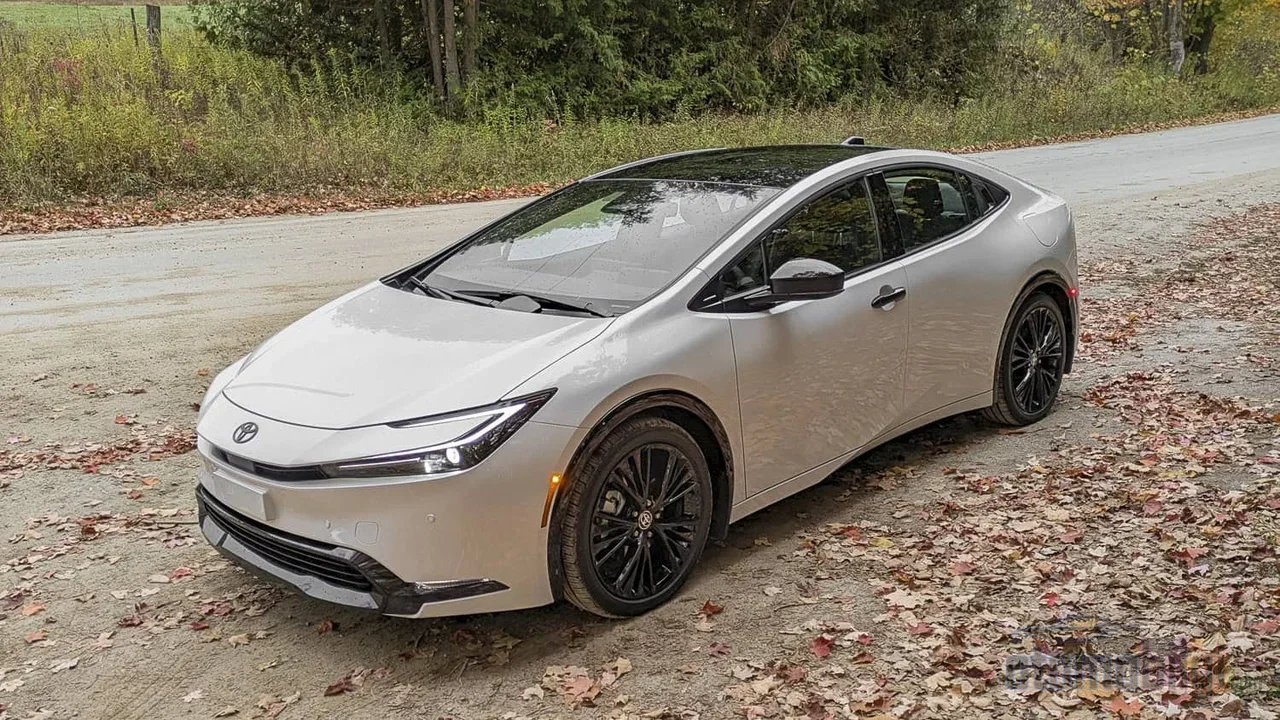
Regenerative braking converts the energy produced while slowing down into electricity and charges the battery; the friction brakes only come into play during full stops and sudden maneuvers. The result is measurable: for a Toyota RAV4 Hybrid the original pad life 70,000-100,000 miles is given as, while some hybrids and electric vehicles are noted to go up to approximately 100,000 miles on their pads. Hybrids are routinely seen with original brakes exceeding 200,000 miles.
The reason for the contrast is simple mechanics: an underused brake disc and pad can get dirty, rust, and in some cases uneven wear on the rear axle can come into question. For this reason, the hybrid owner would do well to base brake checks not on mileage but on periodic visual inspection. Since pads wear little, check intervals lengthen but are not eliminated.
e-CVT fluid: where the manufacturer and technicians part ways
Most hybrids use an e-CVT based on a planetary gear set instead of a classic geared transmission. Toyota recommends having this fluid inspected at regular service intervals; many owners change it between 60,000-100,000 miles for extra peace of mind. A widely used rule of thumb among technicians is a change around 60-90k miles / 6-9 years . Ford, on the other hand, schedules the first transmission fluid change on some plug-in hybrid models at 150,000 miles .
Here is where the debate gets tangled: Toyota declares the e-CVT fluid "lifetime" for the 2023-2026 Corolla Hybrid and explicitly states it is against changing it. Industry practice, however, suggests a more cautious schedule that measures fluid degradation by mileage and years. A practical middle path: follow the manufacturer's maintenance program, but when the fluid is inspected, watch for signals like metal dust and a burnt smell; those who want to keep the car long-term can consider the 60-90k mile band as a precaution.
Inverter coolant and battery air filter: two overlooked items
The inverter of the high-voltage system is cooled by a circuit separate from the engine coolant. While Toyota's maintenance schedule lists the engine coolant with an interval of 100,000 miles / 120 months , a separate interval is defined for the inverter coolant; some hands-on service shops recommend changing it every 60,000 miles , while others specify 10 years / 200,000 miles or label it "lifetime". The market cost of the procedure, including drain-flush-fill, averages $359-424. A common mistake is assuming there is a single coolant circuit and skipping the inverter circuit.
The second item is humbler but more critical: the battery cooling air filter. Most hybrid batteries are located inside the cabin and are air-cooled; if the filter clogs, heat builds up and battery life shortens. For the hybrid battery air filter, Toyota recommends inspection every 5,000 miles and a full cleaning every 20,000 miles . It is known that clogged filters in older-generation vehicles led to early battery failure; it is even said that manufacturers revised the battery location for this reason. Also, some service shops consider cleaning alone sufficient instead of replacing the filter at 20k miles - the job is small, so remembering it is up to you.
The unchanged items: oil, spark plug, and filter intervals
No matter how much work the electric motor takes over, an oil change is mandatory as long as the gasoline engine runs. Thanks to partial electric use, this interval is generally extended; an additional detail a hybrid owner should know is that some models require a special ultra-thin viscosity oil such as 0W-8 . Spark plugs and air/fuel filters also follow the classic schedule: in one example maintenance program, the 60,000-mile spark plug change is listed in the same period as the inverter coolant - meaning that for hybrids, intervals are not added together but merged.
| Maintenance item | Gasoline | Hybrid | Notable data |
|---|---|---|---|
| Engine oil | Mandatory | Mandatory, generally less frequent | Some models use special 0W-8 oil |
| Brake pads | Standard wear | Lasts much longer | A lifespan of 70,000–100,000+ miles can be seen |
| e-CVT fluid | None | Inspection mandatory, replacement debatable | 60,000–90,000 miles in practice; "lifetime" option by the manufacturer |
| Inverter coolant | None | Unique to hybrids | Service cost of $359–424 |
| Battery air filter | None | Unique to hybrids | Inspection at 5,000 miles, cleaning at 20,000 miles |
| Spark plugs and filters | Mandatory | Same schedule | 60,000 miles as a sample interval |
Dealer service or independent service?
The practical distinction is this: the hybrid's drivetrain - the engine, battery, and high-voltage components connected to the wheels - remains largely the domain of the dealer service. The view is widespread in the industry that most independent mechanics lack the equipment and high-voltage certification needed for the hybrid system. Warranty work and recalls already go to the dealer anyway.
For routine maintenance, however, the picture is flexible: oil, brakes, tires, and general diagnostics can be done at an independent shop, and independent shops offer somewhat lower prices depending on location and brand. Dealers, with their staffing and capacity advantages, are generally faster. If you are set on an independent shop, look for one that invests in next-generation technology and has hybrid experience; otherwise, what you save per line item you pay back through misdiagnosis.
Battery warranty and cost: is there anything to fear?
Most manufacturers warranty hybrid batteries in the range of 8–10 years / 100,000–150,000 miles ; in some states this period can be extended. For example, Toyota's hybrid battery warranty is 10 years / 150,000 miles (whichever comes first). Replacement cost is generally in the $1,000–3,000 band, and may rise slightly with labor. In reality, most drivers go years without needing a replacement; in the case of a 4-year-old Prius, the bumper-to-bumper warranty expires while coverage under the hybrid system remains for years - meaning the "feared battery" may in practice be the least worrying line item. Let us also note that cold climates can temporarily reduce battery performance; this is not a permanent capacity loss but an operating condition.
Annual maintenance cost: is the hybrid or the gasoline car cheaper?
There is a general consensus that routine hybrid maintenance is roughly the same as gasoline, and in some cases cheaper. Baseline for comparison: with 2026 data, the average annual maintenance cost of vehicles on the road is $900. Additional hybrid-specific items can also be counted: at routine service, a battery system check costs $100–200 . In return, savings on brakes and oil more than offset this extra item in the long run.
Two more items enter the total ownership calculation: the purchase price difference (an average of ~$1,300 extra for a hybrid car, $3,000 for a hybrid SUV) and the slight rise in insurance premiums due to hybrids' values and specialized parts - some insurers also offer a hybrid discount. To measure when fuel savings recoup this purchase difference, you need to do a break-even calculation; break-even fuel savings calculators do exactly this.
Conclusion: which items should you keep an eye on?
Hybrid maintenance is built on the same skeleton as gasoline; the difference lies in tracking the three hybrid-specific items at the correct intervals. A responsible ownership list consists of these four items:
- Have the battery air filter checked at every oil change, and cleaned at 20,000 miles.
- Verify the inverter coolant interval from the maintenance booklet; do not confuse it with engine coolant.
- Have the e-CVT oil checked at every service; if you aim for longevity, consider the 60,000-90,000 mile replacement band.
- Know your battery warranty period and coverage; in a failure scenario, head straight to an authorized service for drivetrain work anyway.
A hybrid owner who manages these four items drives with a maintenance bill comparable to, if not lower than, its gasoline equivalent, along with much lower fuel costs and a much longer-lasting braking system. The engineering balance works this clearly.
Sources
- Pros And Cons of Hybrid vs. Gas Cars
- Toyota Transmission Fluid Change Intervals
- Toyota Prius Maintenance Schedules
- Hybrid Battery Air Filter Inspection Guide
- Regenerative Braking and Hybrid Brake Service
- Regenerative Brakes: How Do They Work?
- Hybrid Inverter Coolant Drain, Flush & Refill Cost
- Hybrid & BEV Cooling System Maintenance
- Vehicle Maintenance Costs in 2026
- Are Hybrids More Expensive to Maintain Than Gas Cars?
- Are Hybrid Cars Cheaper to Maintain?
- Car Warranty Coverage on a Hybrid Battery
- Do Hybrids Come With Battery Warranty?
- The "4mm Myth": Why Your Hybrid Brakes Are Different
- Dealership Mechanics vs. Independent Shops