Is an Automatic Transmission Really More Expensive?
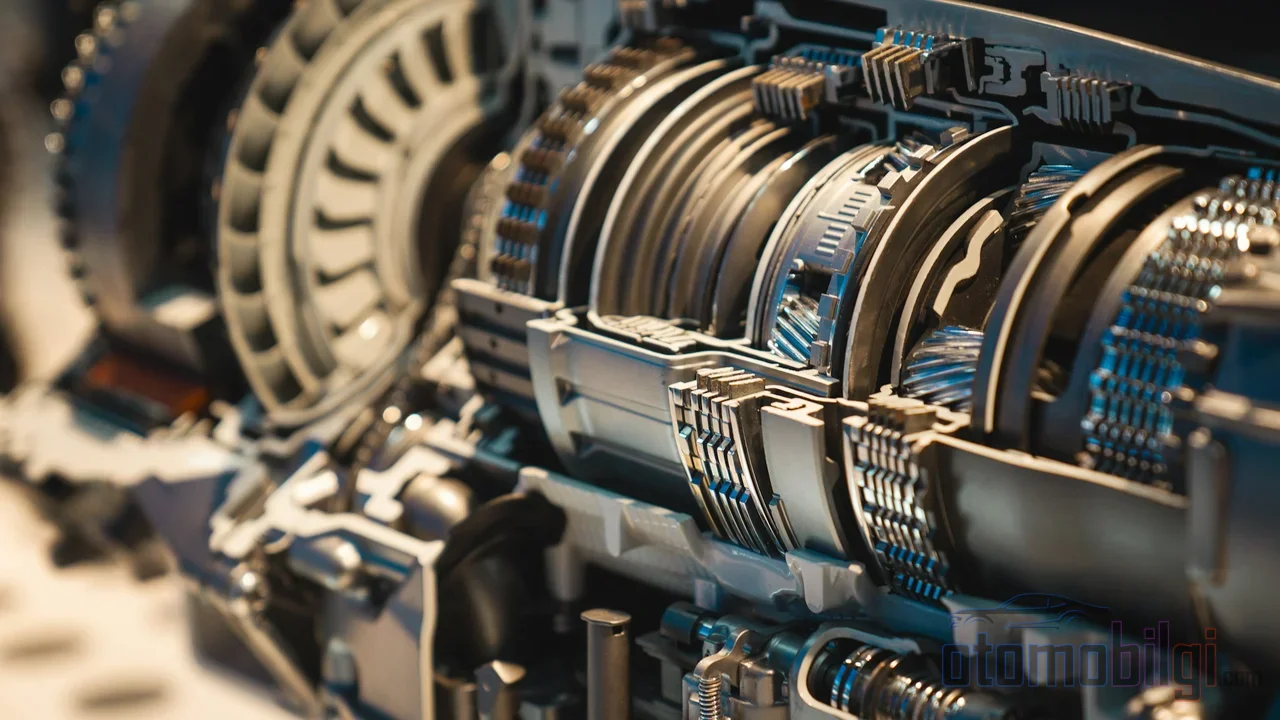
Share This Page
In the showroom, a display plaque shows two identically equipped cars; the only difference on one is three letters: automatic. While the salesperson describes the comfort of the automatic, they also mention whether the price gap amounts to several hundred thousand lira. But when that gap is spread across the vehicle's lifetime in fuel, maintenance, and resale value, does it really pay for itself? I have been chasing these calculations for more than thirty years, and here is what I have learned: the difference you see at first glance is not the same as the difference you pay over the course of ownership.
The Purchase Gap: The Easiest Part of the Calculation
Let's start with the clearest part of the matter. Automatic vehicles are more expensive than the manual version of the same model; this factory-level gap is also reflected in the sale price on the used market. The reason is simple: an automatic transmission means more parts, more electronics, and more precise manufacturing tolerances than a manual gearbox. Complexity has a cost, and that cost shows up on the price tag.
However, this gap carries no meaning on its own. Its meaning emerges when it is added up with the other items. How much annual saving or extra cost will the extra money paid at purchase create in fuel? How much cost will each transmission incur over ten years of use? How much of that gap will come back when you sell? Without answers to these three questions, it is impossible to say whether the gap paid at purchase is ever earned back.
Fuel Consumption: Putting an Old Belief to the Test Again
In the past, the answer to this was ready-made: automatics burn fuel, manuals don't. With old torque converter gearboxes, that belief was true; the efficiency loss in transferring the engine's power was paid for as extra fuel compared to a manual. Today, however, the picture has changed. In 2020 and later models, the fuel difference between automatic and manual has narrowed to the 0-3% range; CVTs and dual-clutch transmissions can even beat manuals in some use cases.
The reason for this change is technology. Eight- and nine-speed gearboxes keep the engine in its efficient zone across a wider gear range; a CVT, with its structure of holding the revs constant without letting them rise, delivers the best result in fuel economy. It is also worth remembering: a manual's efficiency depends on the driver. A driver who climbs in the wrong gear or strains in a high gear too early may burn more fuel with their manual than a well-functioning automatic would.
So the fuel item, contrary to the old prejudice, no longer carries a decisive difference against the automatic. A small percentage, or zero. The items that tip the calculation lie elsewhere.
Key Takeaways
- In 2020 and later models, the automatic-manual fuel gap is in the 0-3% range.
- There is no clutch replacement in an automatic transmission; that classic repair item disappears entirely.
- DSG clutch renewal is at the 55,000-72,000 TL level, and CVT overhaul at 58,000-78,000 TL.
- Oil change intervals: torque converter 60,000-80,000 km, CVT 40,000-60,000 km, dual-clutch 50,000-60,000 km.
- On the used market, vehicles with dry-clutch DSGs lose value faster; torque converter gearboxes hold their price.
The Visible Face of Maintenance: Transmission Oil and Intervals
Maintenance of a manual transmission is modest: gear oil, at long intervals, at low cost. With an automatic, however, the oil change is a discipline in itself. The oil quantity, the filter, the adaptation procedure and the labor time change the price of the job significantly depending on the transmission type. As of April 2026, replacement costs including oil and filter typically look like this: dry-clutch DSG DQ200 3,500-6,000 TL, CVT 6,000-10,000 TL, wet-clutch DSG DQ250 8,000-12,000 TL.
| Transmission Type | Oil Change Interval | Character |
|---|---|---|
| Torque converter | 60,000-80,000 km | The most durable, least maintenance-demanding type |
| CVT | 40,000-60,000 km | Dual-clutch (DSG/DCT) |
| 50,000-60,000 km | 50,000-60,000 km | Fast and efficient, but risks clutch wear in stop-and-go traffic |
It is also worth adding a note about the manufacturers' claim of lifetime fluid. Some brands position transmission fluid as never needing to be changed over the vehicle's lifetime; but Türkiye's service tradition and technical service networks find this advice risky in our country's stop-and-go traffic conditions and recommend periodic changes. Choosing the wrong oil or delaying the change can turn a small saving into a major breakdown; Deviating from the brand-specific original specification in a CVT can lead to permanent damage. In short, it can be said that automatic transmission maintenance costs are not high, but neglect is unforgivable.
Clutch or Mechatronic: The Anatomy of the Repair Difference
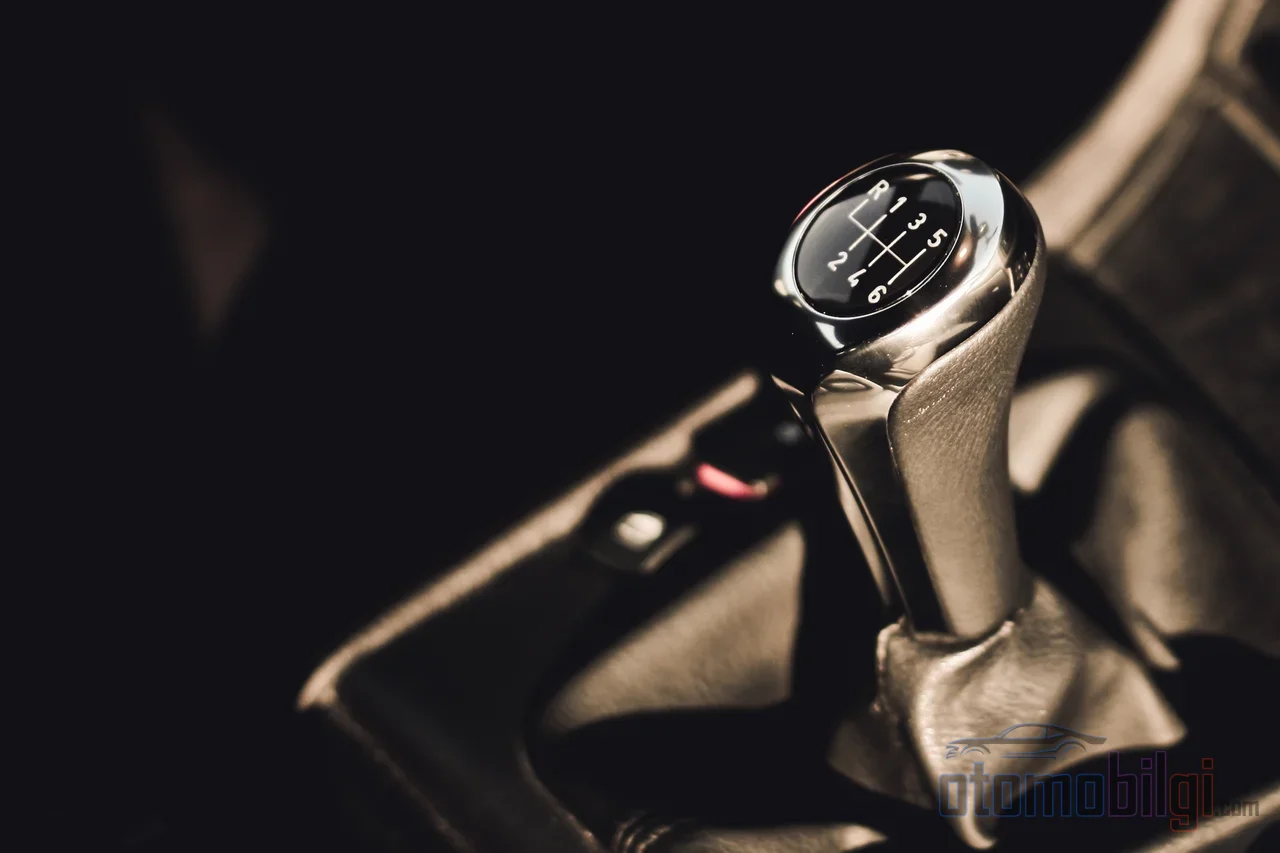
Replacing the clutch disc is a job any mechanic can do, with a predictable cost. With an automatic, there is no clutch item at all; clutch-related repairs disappear entirely. clutch-related repairs disappear completely. In contrast, automatic transmission failure items are both more numerous and individually far more expensive.
| 2026 Price Range | 2026 Price Range |
|---|---|
| 4,500-9,000 TL | 4,500-9,000 TL |
| 6,500-14,000 TL | 6,500-14,000 TL |
| 14,000-25,000 TL | 14,000-25,000 TL |
| 28,000-45,000 TL | 28,000-45,000 TL |
| 55,000-72,000 TL | 55,000-72,000 TL |
| 58,000-78,000 TL | 58,000-78,000 TL |
in a manual, the worst case is the clutch kit, and its limits are known; with an automatic, even a minor electronic fault runs into five figures, and an overhaul requirement stretches into six figures. in the automatic, even a minor electronic fault runs into five figures, and an overhaul requirement stretches into six figures. For this reason, the most critical habit of those who buy a vehicle with an automatic transmission should be to keep a complete maintenance history during and after the warranty period. the price difference between an authorized service and an independent transmission specialist can be roughly cut in half across items ranging from oil changes to mechatronics repair; for vehicles out of warranty, taking this option seriously changes the math. for vehicles whose warranty has expired, taking this option seriously changes the math.
The Effect of the Transmission on Price in the Used Car Market
The moment of sale is the most overlooked item in the calculation. Automatic-transmission vehicles, thanks to demand from city drivers, hold their value as well as manuals, and often better; today, there are almost no buyers looking for a new car without an automatic. However, there is also a distinction within the automatic transmission type: vehicles with dry-clutch DSG and Powershift gearboxes lose value faster on the used market due to well-known wear concerns, while vehicles with torque converters and reliable CVTs find buyers at higher prices.
The practical result of this is: the purchase price difference should be considered not only on the automatic-manual axis, but also among automatic subtypes. When shopping for a used car with a dry-clutch DSG, maintenance records and a mechatronic failure history are your strongest cards at the negotiating table. A vehicle with incomplete records amounts to buying a leaky automatic gearbox.
LPG and Türkiye's Own Realities
In Türkiye, making an ownership decision without factoring in LPG is incomplete. For LPG conversion on automatic transmission vehicles, the legal requirements of the system are clear: the parts in the conversion kit must comply with ECR-67R and TSE standards, and the LPG tank must be manufactured to ECR-67R and TSE 12095 standards and have a service life of ten years. The transmission type has no direct cost connection with this; however, the weight of the LPG system and a full tank is included in the vehicle's total load, whether automatic or not, and is taken into account in performance calculations.
The advantage LPG provides in fuel costs practically erases the small fuel difference between automatic and manual. So for a driver who uses LPG as fuel, the deciding factor in transmission choice is not fuel, but maintenance culture: are you willing to pay for periodic oil changes on the automatic gearbox, or would you rather keep the clutch as a known expense?
Doing the Math According to Your Own Usage
To some, automatic is a luxury; to others, a necessity; both are wrong. The truth is that the transmission-dependent portion of ownership cost consists of four items, and these add up differently for every driver:
- Purchase difference: Write down the extra amount you pay for the same equipment in a new or used automatic against its manual equivalent.
- Fuel difference: In a post-2020 vehicle, this difference is 0-3%; multiply your annual fuel expense by these percentages - for most people, the figure is negligible.
- Maintenance-repair difference: For a manual, a periodic clutch set; for an automatic, periodic oil changes and the risk of a possible failure. The independent-service option for automatics significantly reduces this item.
- Depreciation difference: Estimate realistically, based on the transmission subtype, the amount the automatic will return to you on the day you sell.
The same calculation should also be done according to driver profile. For someone who works the clutch constantly in heavy city traffic, an automatic means not only comfort but also clutch life; in places with light traffic and on long, hill-heavy roads, a manual remains both cheap and adequate.
So Is Automatic Transmission Really More Expensive?
The clear answer: yes when buying and in the event of a possible major failure, no during use. An automatic costs more to buy, its maintenance is more expensive, and it carries a revision risk; on the other hand, the fuel difference is practically closed in modern gearboxes, there is no clutch expense, and second-hand value is preserved at least as well as manual, better in the right sub-type. For a driver who drives intensively in the city and performs regular maintenance, the automatic's initial difference is largely earned back over the ownership period. For a user who drives few kilometers, stays away from traffic, and does their own maintenance, manual is still the most economical answer. Make the transmission decision not with the price tag, but with your own mileage and traffic.
Sources
- Manual or Automatic Transmission?
- Comparison of Automatic Transmission Types: DSG, EAT8, CVT
- Transmission Oil Change Price 2026
- How Much Does Automatic Transmission Repair Cost? 2026 Prices
- Does an Automatic Car Burn a Lot of Fuel?
- Manual or Automatic Gearbox? Which Consumes Less Fuel?
- Manual and Automatic Transmission Maintenance: Pros and Cons
- Authorized vs Independent Service Comparison
- Transmission Oil Change
- Safety in the LPG System
- Information About LPG Vehicles
- Differences Between Automatic and Manual Gearboxes