Rafael Camara Receives His First F1 Reprimand
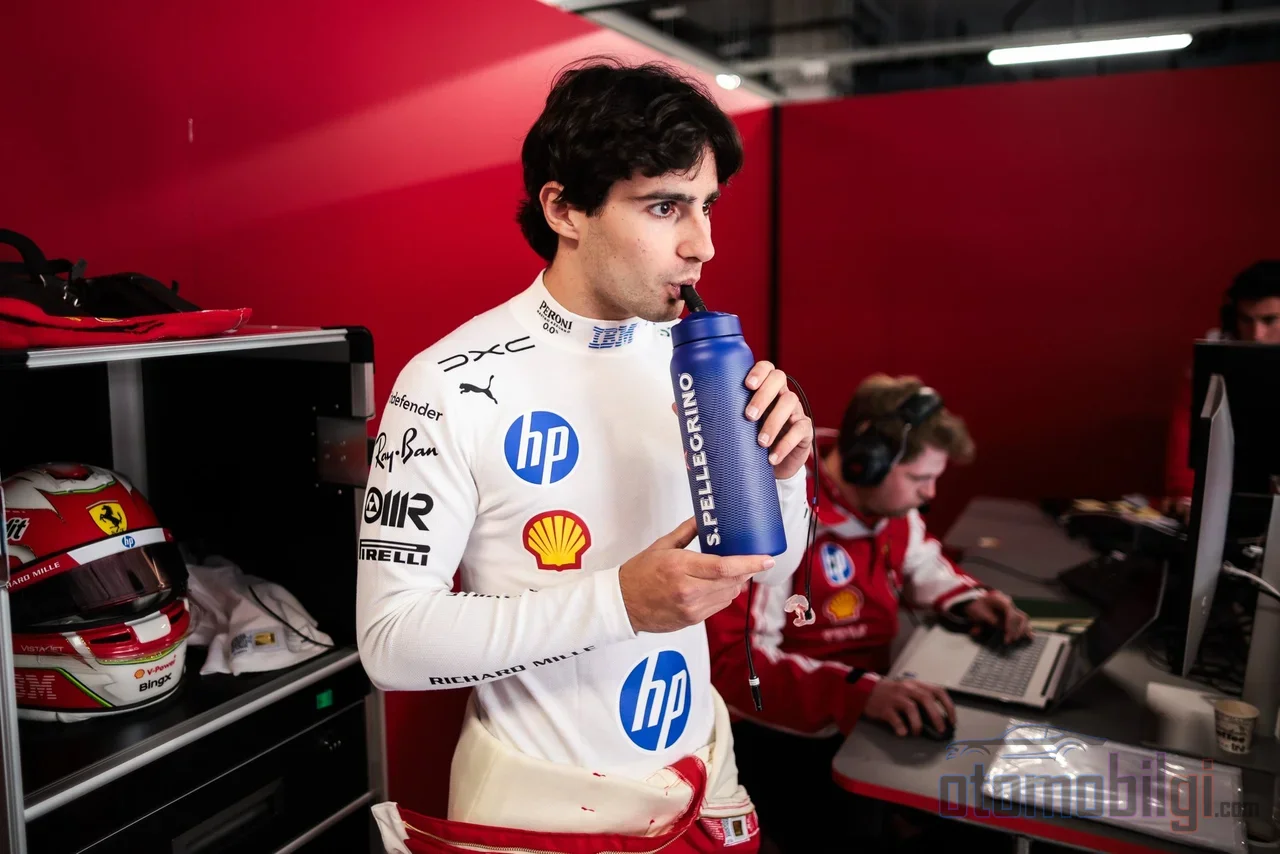
In Formula 1, a driver's first career reprimand is usually forgotten soon enough. But where Rafael Camara received his first one, and why, is far from ordinary: at his home track of Interlagos, on the first practice day, as the price of dangerously slowing down Charles Leclerc. The FIA stewards announced their decision, and the Brazilian debutant got off lightly. So why did the stewards stay at the bottom of the penalty guideline, and how will this reprimand affect Camara's future at Haas?
What Happened in Interlagos FP2?
In the second practice session of the São Paulo Grand Prix on Friday, Leclerc, on a fast lap, encountered Camara's Haas. The young Brazilian left a narrow gap as the Ferrari driver approached his lap; the resulting close pass prompted the FIA stewards to act immediately. The incident was referred for investigation by race control at the time, and both drivers were summoned to the stewards.
Another development also occurred during the session: When Leclerc's Ferrari stopped at the edge of the track, the Monegasque driver was also separately summoned to the stewards because the steering wheel was not replaced and the ERS system was not switched off. So the stewards' desk was quite busy at Interlagos on Friday.
The FIA's Decision: A Reprimand, Not a Penalty
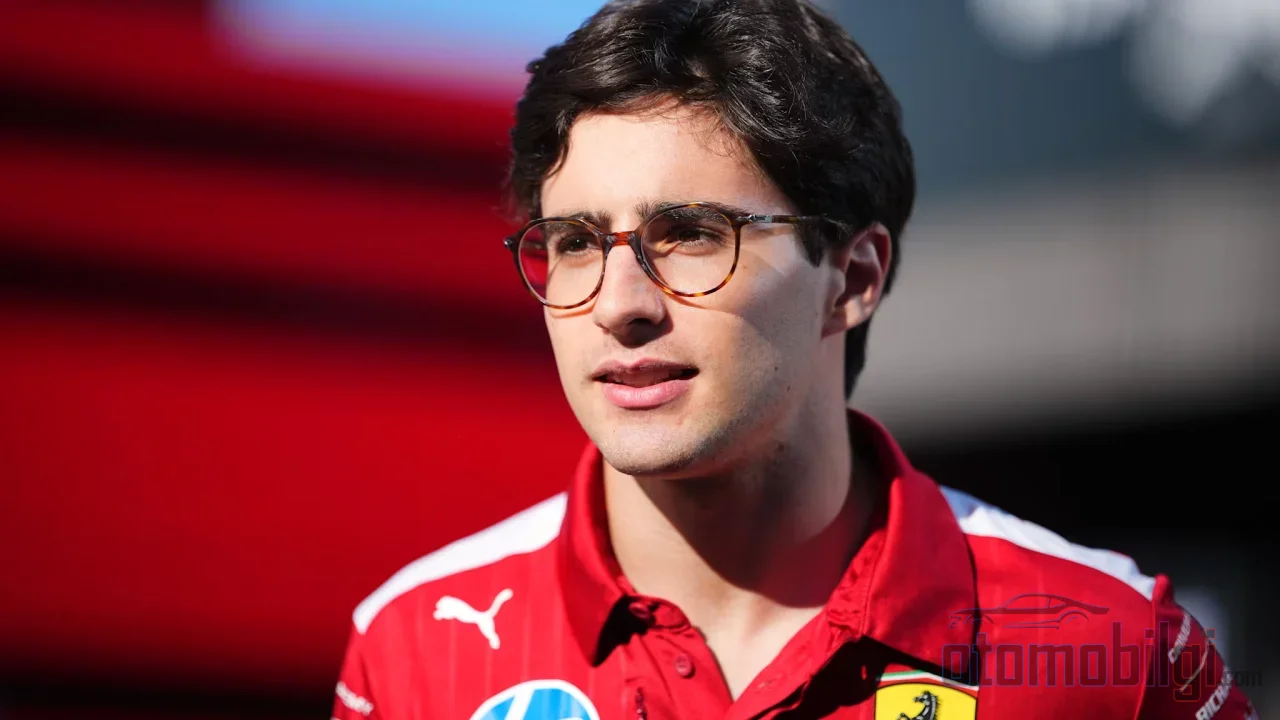
The stewards completed their assessment and found Camara at fault: for dangerously slowing down Leclerc, he received the first reprimand of his F1 career. No grid penalty or time penalty was applied. According to the 2026 F1 Penalty Guidelines, a normal case of impeding results in a reprimand, while impeding that appears dangerous or deliberate carries a five-place grid penalty. The stewards settling for a reprimand shows they did not consider the incident serious enough to warrant the guideline's higher tier.
Highlights
- Camara received the first reprimand of his F1 career for dangerously slowing Leclerc in Interlagos FP2.
- The stewards found the incident "clearly dangerous" but did not apply a grid penalty.
- Camara is making his debut at home with Haas as Brazil's 34th F1 driver.
- The 21-year-old driver is at the top of the F2 championship with two rounds to go.
- Whether he will stay at Haas until the end of the season is not yet clear.
There is also an interesting detail to the decision: It is reported that Camara received more than one warning over the radio before making the move that caused the incident, but ignored these warnings. This detail also brought up the debate over whether the reprimand was a lenient outcome. The stewards nevertheless applied the lowest tier of the penalty guideline and closed the file with a reprimand.
Who Is Camara and How Did This Unexpected Debut Come About?
Rafael "Rafa" Chaves Camara is a 21-year-old Ferrari Driver Academy member who races for Invicta Racing in the FIA Formula 2 Championship. The plan was actually very clear: Camara had signed a multi-year deal with Haas in mid-October for the 2027 season and was to mature for another year in F2. Indeed, he sits at the top of the F2 points table with two rounds left in his rookie season.
The chain of events that disrupted the plan started in Mexico. Haas dropped Esteban Ocon from the race during the Mexico City GP weekend and confirmed he will not race for the rest of the season. Ryo Hirakawa first filled the vacant seat, and the Japanese driver was classified 10th on his debut. However, Hirakawa was required to race in the WEC season finale with Toyota, and that finale coincided with the same weekend as the São Paulo GP. Since Haas had already used four different drivers this season, it had no right to bring in another driver; Jack Doohan was thus eliminated. The door opened for Camara.
Haas team principal Ayao Komatsu had noted that Camara was the fastest name in the evaluation conducted alongside Doohan, Hirakawa, and Leonardo Fornaroli. The Brazilian, who will race with car number 51, has race engineer Laura Muller. Camara has never driven Interlagos or Haas's 2026 car before; he worked with the old car in the Ferrari simulator before his debut, and during the weekend he found three hours of practice sessions. A short preparation period is a real street problem.
Inexperience or Tension? Experts' Different Readings
Opinions are divided on how the incident should be interpreted. Former F1 driver Jolyon Palmer sees traces of inexperience in Camara's move. Strategy analyst Bernie Collins, on the other hand, opposes the thesis that the incident was tension-driven, that is, the product of the pressure the debutant experienced in front of his home crowd. Both readings start from the same reality: a rookie on his first weekend has the obligation to read traffic in a packed field, with the fastest cars in the world.
Camara's own approach is more measured: he says he focuses on the things he can control and leaves external pressure outside. He stated that he was surprised when he received the debut news, that he did not expect this to be the place where he would race in F1 for the first time, but that he was very happy for the opportunity. He also thanked Haas for the trust it showed in him. His principle is simple: to have fun, enjoy it, and learn.
Will the Warning Affect Camara's F1 Career?
The real question here is: does a warning affect his place at Haas for the rest of the season and the 2027 plan? On its own, no. Warnings are one of the routine disciplinary tools in F1; there are almost no drivers who have never received a warning in their careers. However, since repeated warnings during a season can turn into a penalty, a stain left on the file is a small but real risk factor.
The real uncertainty lies elsewhere. It is not yet certain whether Camara will stay at Haas for the rest of 2026; he says this matter will be evaluated in the future, and his focus is on this weekend. His performance, that is, the speed he can show in practice sessions and his reactions to incidents, will directly influence this decision.
His career history, however, is a strong reference: Camara won the 2025 FIA Rookie of the Year award following his record-breaking F3 season. As a name the Ferrari academy has invested in since 2021, it is clear he is part of a long-term plan.
Conclusion: An Instructive Friday
In summary: Rafael Camara was found guilty by the FIA stewards for dangerously slowing down Charles Leclerc in Interlagos FP2, but was let off with the lightest penalty in the guideline: a warning. What made the decision contentious was his failure to hear multiple radio warnings; despite this, the stewards did not go as far as a grid penalty. A typical first lesson for a debutant: even in the fastest car, the most expensive thing is not speed but awareness. Camara learning this in front of his home crowd, with just a single warning, is not a bad start for the rest of his career.
Sources
- Camara explains approach as he prepares for F1 debut
- F1 rookie learns stewards fate after Charles Leclerc incident
- Brazilian GP: Antonelli tops FP2 as Leclerc incident sparks FIA investigation
- Collins and Palmer disagree over Camara incident with Leclerc
- Haas line-up for Brazil shaken up: Ferrari junior Rafael Camara in frame
- Camara may stay at Haas for rest of 2026
- Rafael Camara wins FIA Rookie of the Year Award