Refreshed Volkswagen Virtus Goes on Sale in India
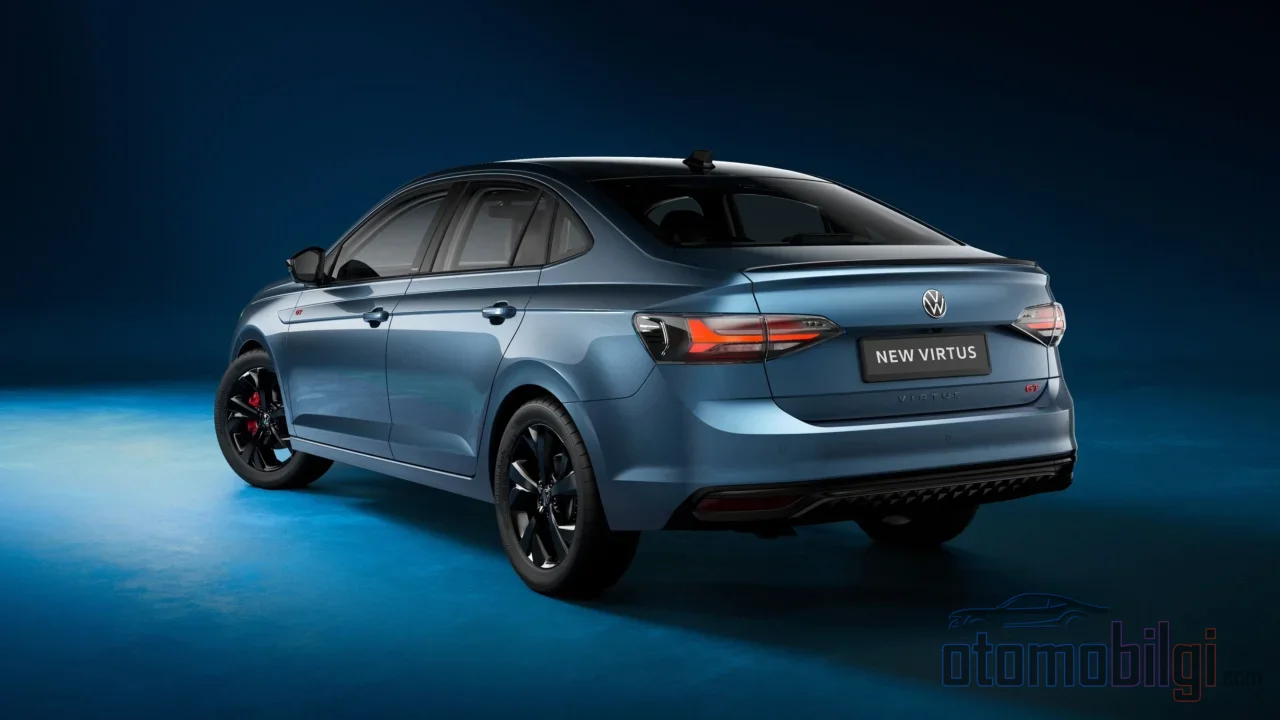
Volkswagen's smallest sedan, the Virtus, has appeared in its first official images in its facelifted version prepared for the Indian market. The announcement was made on November 5-6, 2026; December 2026 is being pointed to for the launch. The scope of the changes is open to debate: the front fascia has been noticeably refreshed, but this is not a generation change. So why does VW keep this car only in India?
The answer to this question lies in the model's backbone. The Virtus is a B-segment sedan based on the Polo Mk6. With the Polo's withdrawal from the global stage, this body continues to live on in the Volkswagen lineup only in the Indian market, where the highly localized MQB A0 IN platform reigns. In other words, the Virtus is now an inaccessible model for most of the world. And this facelift has been shaped precisely according to that market's needs.
What Has Changed in the Exterior Design of the Facelifted Virtus?
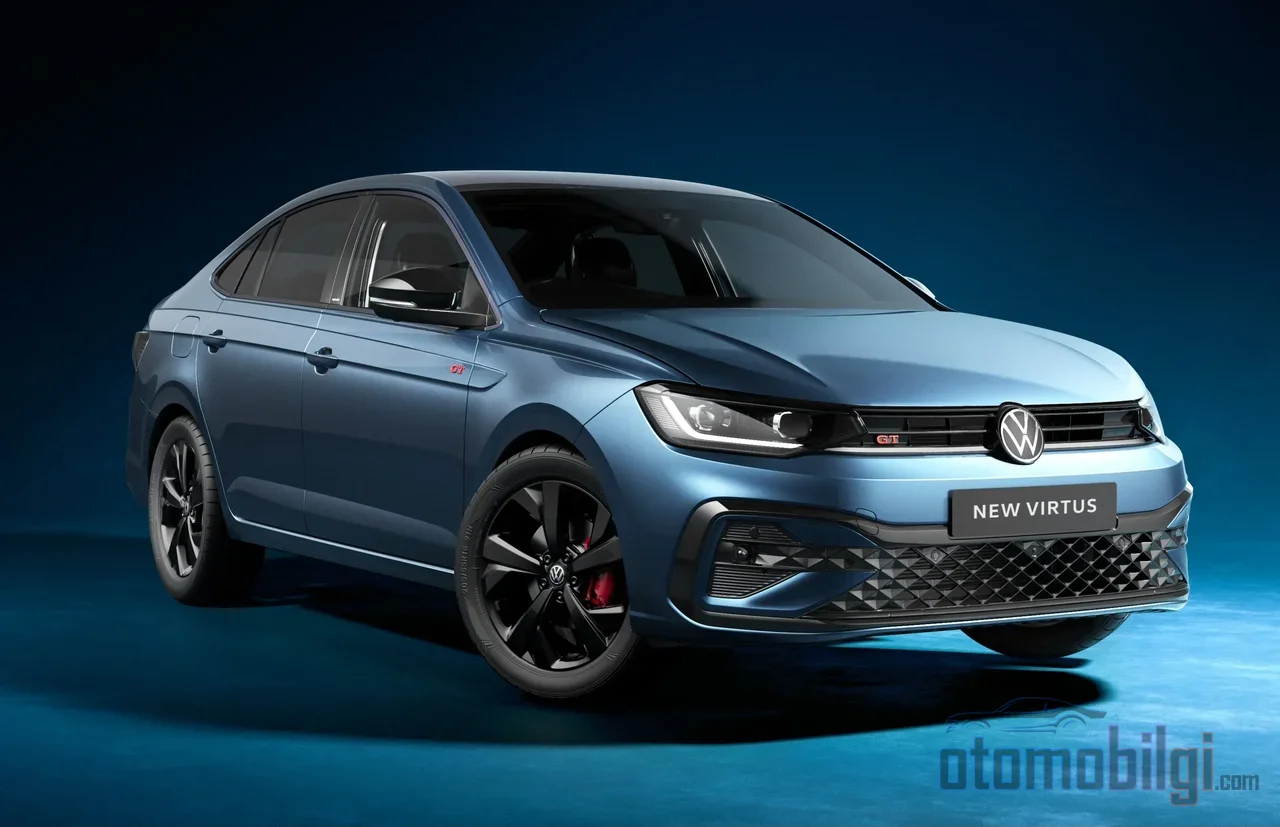
Most of the work on the front end was done on the bumper. The redesigned bumper draws attention with its wide lower air intake and geometric pattern details; the fog light housings have been reduced in size. The mesh-patterned grille on the body has gained a new pattern, and the VW logo still holds its place in the center. The headlight units remain largely unchanged; integrated LED daytime running lights continue. This is a typical mid-cycle facelift distribution: touch the places that directly catch the eye, don't touch the costly parts.
In profile, new black alloy wheels and an angular design stand out; on the top trim, red brake calipers accompany the GT variant. GT badges are found on the grille and front doors. A new blue color option is also entering the catalog; it is offered along with a two-tone application featuring a black roof, black side mirrors, and a black lip spoiler. At the rear, there are smoked taillights, a revised bumper, and a lip spoiler on the trunk lid.
Highlights
- The facelifted Virtus has been unveiled with its first official images; the launch will take place in India in December 2026
- Engine options remain unchanged: 1.0 TSI (115 PS, 178 Nm) and 1.5 TSI turbo petrol
- For the 1.0 TSI, an 8-speed automatic transmission is expected; the 1.5 TSI runs with a 7-speed DSG
- The estimated price band is ₹10.50 - 19.70 lakh; the current model starts from ₹10.70 lakh
- One of the first Indian sedans to receive 5 stars in the latest Global NCAP tests
The interior has not yet been fully revealed
Official information about the interior is still limited for now. For this reason, items such as the panoramic glass roof, a possible 10.25-inch digital instrument panel, and the expected 360-degree camera are not yet confirmed features; they remain at the expectation level on teaser lists. The 360 camera on the GT variant has appeared in the images, and a small update with a revised compressor is expected in the climate system. All the details will become clear by the launch.
Engine and Transmission: A Familiar Duo, A New Possibility
There is no radical change on the mechanical side. The Virtus sold in India continues on its way with its 1.0-liter and 1.5-liter TSI turbo petrol engines. The point that really draws attention is on the transmission side: It is suggested that the 1.0 TSI may come with an 8-speed automatic transmission instead of the current 6-speed torque converter automatic. This resembles the approach in the recently updated Škoda Slavia and is a logical outcome of the parallel development between the twin models. The 1.5 TSI is expected to continue with the 7-speed DSG. Official mechanical details have not been shared yet.
| Virtus (India) | Value |
|---|---|
| 1.0 TSI power | 115 PS (85 kW; 113 hp) |
| 1.0 TSI torque | 178 Nm |
| Transmissions | 6-speed manual, 6-speed automatic, 7-speed DCT |
| 1.0 TSI factory fuel consumption | 20.19 kmpl (MT) / 18.7 kmpl (AT) |
| Length / width | 4561 mm / 1752 mm |
| Starting price (current model) | ₹10.70 lakh (ex-showroom) |
The 0-100 km/h acceleration figure of the facelifted model has not been announced by the manufacturer; this typically becomes clear along with the launch technical specification sheets.
Price and Launch: When, and How Much?
For the launch, a date in December 2026 is circulating; different estimates point to days like December 11, 15 and 31, and the exact schedule depends on an official announcement. The same situation applies on the pricing side. Estimates cluster in the ₹10.50 - 19.70 lakh band; the current model starts at an ex-showroom price of ₹10.70 lakh, and at the top end, the GT Plus Sport-based Anniversary Edition goes up to ₹19.20 lakh. The logical expectation is that the facelifted version will sit just above this band.
Why Is the Virtus Sold Only in India?
The answer to this question lies in the platform economics of the automotive industry's last decade. The Virtus was originally introduced at the end of 2017; it looked like an extended Polo sedan and arrived in the Indian market in 2022. VW developed the highly localized MQB A0 IN platform for the Indian market, and the Virtus was among the models of this platform. With the Polo's discontinuation globally, the segment carrying this body remained effectively exclusive to the Indian market for VW.
Its position in India is strong. The Virtus received 5 stars in Global NCAP's updated crash tests, becoming one of the first sedan models to achieve this. Within 28 months following its launch, it exceeded the sales threshold and consolidated its position as the best-selling premium sedan of 2024. On the equipment side, there are the Comfortline, Highline, GT Line and GT variants; features such as leather-like seats, electric sunroof, 6 airbags, digital cockpit and wireless Apple CarPlay/Android Auto stand out. The facelifted model will compete with the Škoda Slavia, Hyundai Verna and Honda City in the Indian mid-size sedan segment; in this segment, the Virtus's factory fuel consumption figure of 20.8 kmpl appears ahead of its rivals.
What Does the Scope of the Facelift Mean?
There are two different readings regarding the nature of the facelift. There are assessments that find the changes light; indeed, the preservation of the headlights and silhouette shows the restrained character of the update. On the other hand, teaser lists circulate expectations of a broader refresh, including a digital instrument cluster, a 360-degree camera, and a panoramic sunroof. Since the interior has not been officially revealed, these items remain at the level of possibility. For someone who has been watching this business for many years, this is a familiar scene: the manufacturer highlights the exterior design and saves the cabin for launch day.
As a result, the facelifted Virtus is a move to maintain segment leadership with a fresh front-end design, a probable shift to an 8-speed automatic, and new color-wheel combinations, rather than bold numerical claims. From VW's perspective, the logic is clear: the model sells in India, holding a 5-star safety rating and premium sedan leadership. There is no need for a generation change to renew such a car; touching the right points such as the grille, bumpers, and transmission is enough. The launch in December will allow both the prices to become clear and the interior speculation to end.
Sources
- Volkswagen India - Official Virtus Model Page
- Volkswagen Virtus Facelift Gets Its First Official Look
- Volkswagen Virtus facelift exterior revealed in full
- Volkswagen Virtus Facelift Teased: Expected Launch December 2026
- Volkswagen Virtus Facelift Expected Price
- Volkswagen Virtus Facelift Price
- VW Refreshes Its Smallest Sedan
- Volkswagen Virtus - Wikipedia