The NACS Transition in America: What Awaits Vehicle Owners?
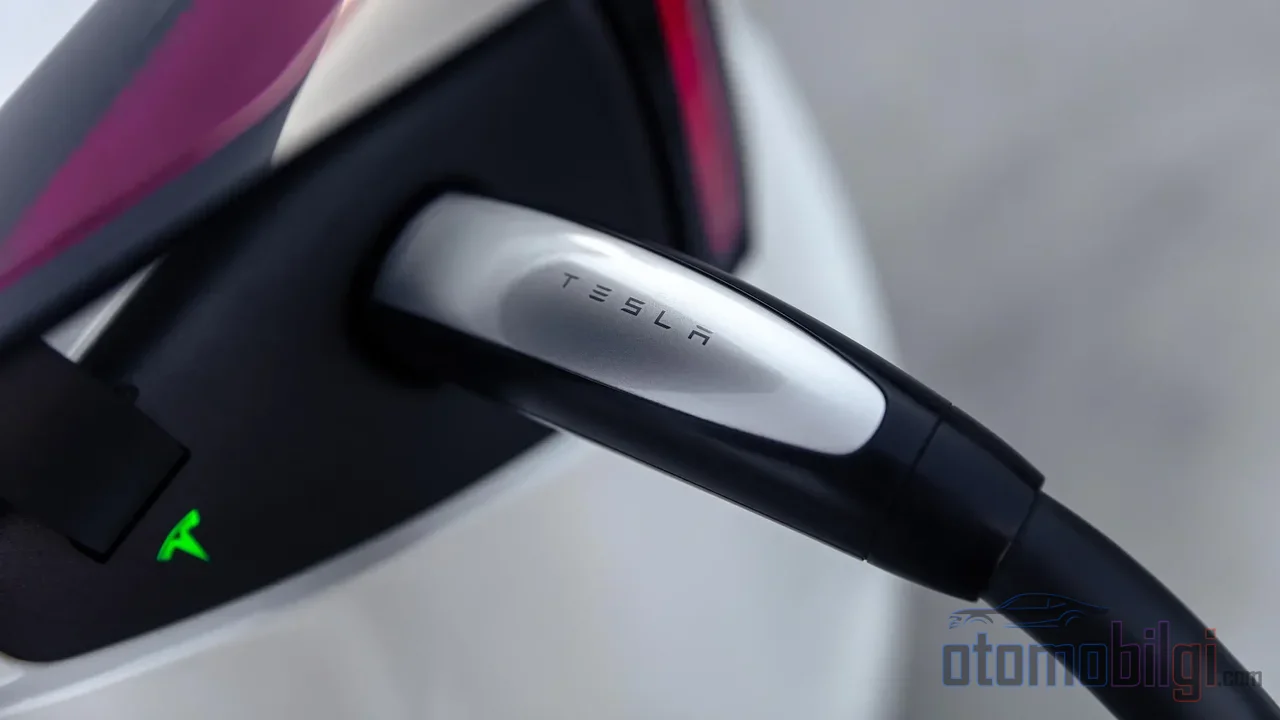
The world of electric vehicle charging in North America is going through the biggest infrastructure change of the last three years: Tesla's in-house developed connector was formalized as the SAE J3400 standard, and nearly all major manufacturers have announced a switch to this socket. But for the vehicle owner, the real question is simple: What will happen to my car, do I need an adapter, or should I buy a new wallbox? On this page, we examine what the NACS transition has actually changed in everyday use, and what it has not, with engineering logic and measurable data.
What Is NACS and Why Did It Become SAE J3400?
Tesla opened up its connector design to other manufacturers at the end of 2022, and this socket took the name North American Charging Standard, or NACS. The standardization process moved quickly: SAE first published the technical information report in December 2023, followed by the Recommended Practice document in 2024, and the J3400/2 connector-inlet standard in May 2025. In short, what is being discussed now is not one manufacturer's proprietary design, but an industry standard defined on paper with certification possible.
When you compare the physical differences, it becomes clear why this transition was so readily accepted. CCS1 is a hybrid structure with two large DC pins added beneath the J1772 connector: separate circuits and separate pins for AC and DC. NACS, on the other hand, does both AC and DC charging through the same pins in a single body about the size of a credit card, with five pins. This connector, about 50% smaller than CCS1, does the same job with fewer pins.
The difference is even more pronounced on the electrical capacity side: While NACS can carry current up to 1000 VDC and up to 650 A, CCS is at around the 500 A level. NACS has two DC configurations, 500 V and 1000 V, and the high-voltage version is backward compatible. These figures are especially decisive for vehicles with 800 V architectures; this topic will come up again as we turn to Supercharger hardware generations in later sections.
Highlights
- NACS was formalized by SAE as the J3400 standard; it supports up to 1000 VDC and 650 A capacity
- About 50% smaller than CCS1, it does both AC and DC charging in a single five-pin body
- All major manufacturers, including Ford, GM, Toyota, VW, Hyundai-Kia, and Stellantis, have announced or implemented the transition
- Level 2 home charging is not affected: the existing J1772 wall unit continues to work with a small adapter
- DC fast-charging adapters range from 175-240 USD, and AC adapters from 40-160 USD; a poor-quality adapter is a serious safety risk
Which Manufacturers Are Switching to NACS?
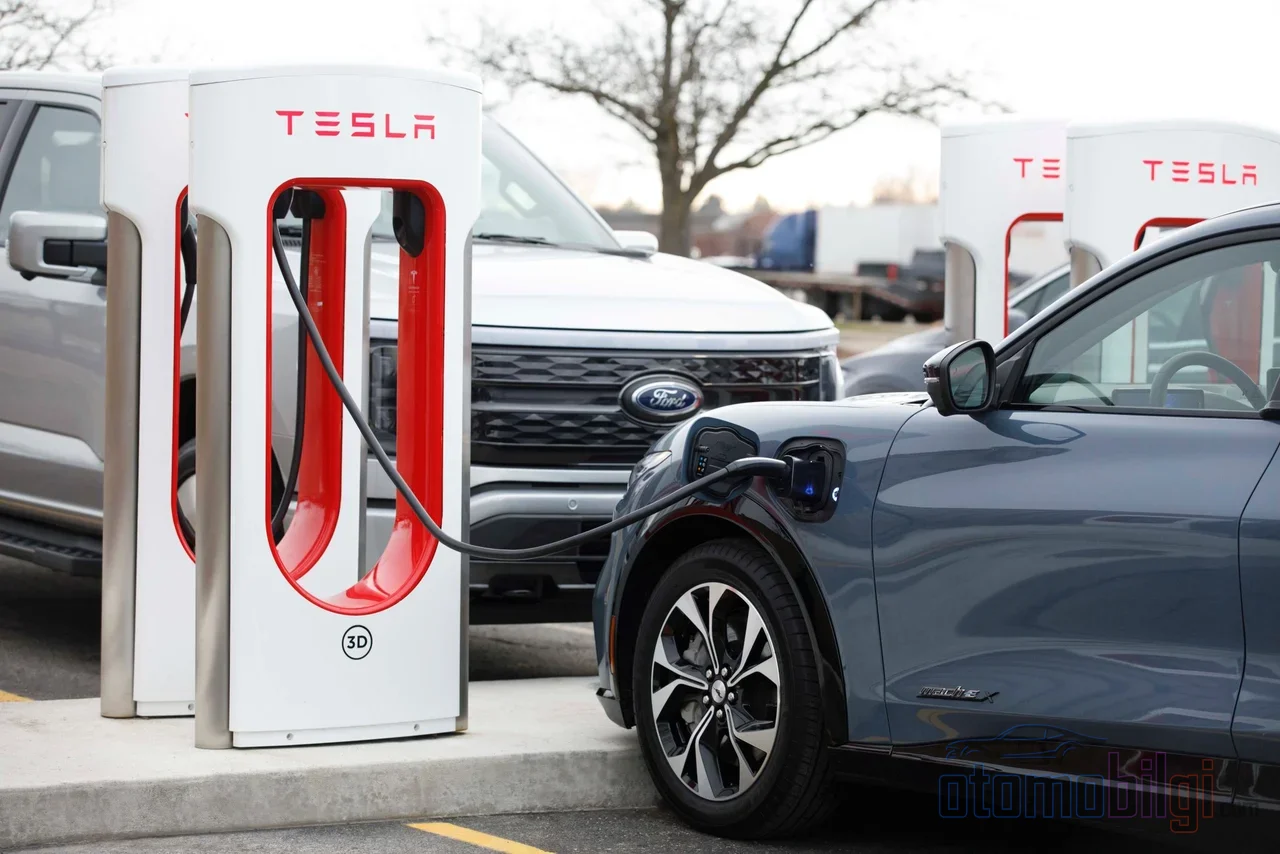
The starting point of the sequence is May 2023: Ford became the first major non-Tesla manufacturer to adopt Tesla's connector. GM joined a few weeks later, in early June 2023. Toyota, Mazda (January 2024), and the Volkswagen Group (December 2023, including Audi and Porsche) followed. Stellantis also announced in its official statement that it was adopting SAE J3400: Starting in 2026, Jeep, Chrysler, Dodge, Ram, Fiat and Alfa Romeo, among all brands, will begin producing electric vehicles with NACS ports, initially with selected models.
As of mid-2026, the picture has become clear: Ford, GM, Rivian, Hyundai, Kia, Genesis, Honda, Acura, Nissan, Subaru, Toyota, BMW, Mercedes-Benz, VW, Audi, Porsche, Volvo, Polestar, Lucid, Jaguar Land Rover and Stellantis have announced NACS adoption or actually put it into practice. The Rivian R2, delivered since June 2026, was the first Rivian to come from the factory with a native NACS port.
This transition is proceeding in two waves. In the first wave, NACS adapter access was provided to CCS1-equipped vehicles; Ford and Rivian began distributing them in 2024, followed by GM, Volvo and Polestar. The second wave is the native NACS port, which became widespread in the 2025 and 2026 model years. GM expects all of its electric vehicles to come with a standard NACS port by 2027; every 2027 Chevrolet, GMC and Cadillac model will come from the factory with this port. Existing GM vehicles such as the Cadillac Lyriq, Vistiq, Escalade IQ/IQL and Hummer EV still have CCS1 ports and require the GM NACS DC adapter with an MSRP of 299 USD. Likewise, some GM models before 2027 and some Mercedes models before 2026 are also on the roads with CCS1 ports.
The name definitively left out is CHAdeMO: vehicles like the early Nissan LEAF are not represented in this transition, and the connector is being phased out at public stations, becoming increasingly hard to find.
Adapters: Which One, What Does It Do, How Much?
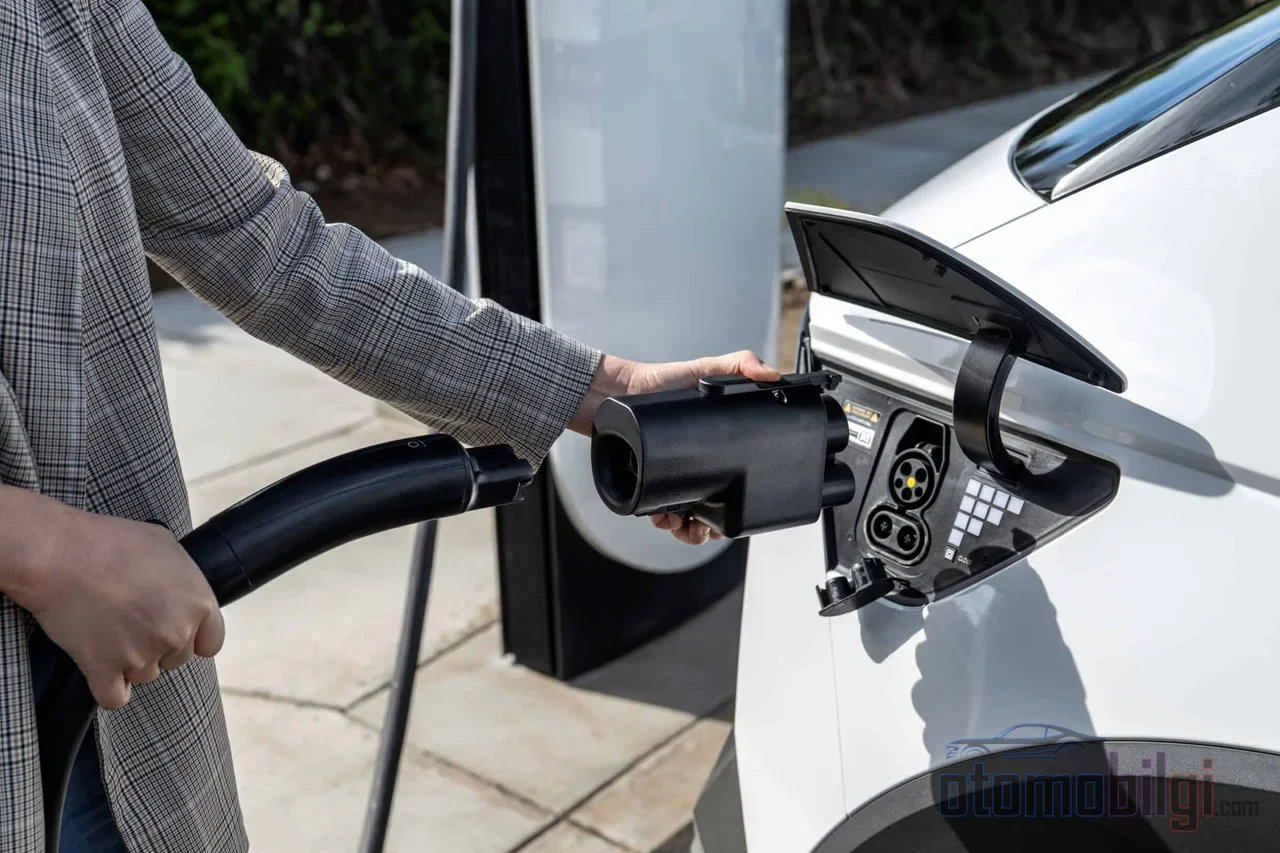
The practical backbone of the transition period is adapters. There are two basic types, and the two are not mutually interchangeable: The NACS-CCS1 adapter is for DC fast charging; it enables both the CCS1-equipped vehicle to use a Tesla Supercharger and the NACS-equipped vehicle to use older CCS stations. The J1772-NACS adapter, on the other hand, is for AC, i.e. Level 2 charging; it enables the NACS-equipped vehicle to connect to J1772 home and workplace chargers, and Tesla has long been supplying this adapter with the vehicle.
The price range is clear: DC adapters range from 175 to 240 USD, AC adapters from 40 to 160 USD (current ratings of 40-80 A apply on the AC side). Using the AC adapter on a DC fast charger is strictly prohibited; this is a usage error ranging from hardware damage to fire risk. Rivian's official guide also stipulates that the DC adapter must be used only with DC fast chargers and that a damaged adapter must never be used.
Adapter Safety: Where You Buy It Matters
Every connection element carrying high current generates heat through contact resistance; therefore, adapter quality is not a comfort issue but a safety matter. Certified adapters feature thermal cutoff sensors positioned close to the power pins, triggering the circuit at approximately 85 °C (185 °F). Counterfeit products lack this protection. NHTSA's 2024 recall report numbered 24E-093 stated that certain charging adapters heat up 5-10 °C more during charging, which can lead to reduced power or session interruption; at the academic level as well, DC adapters have been analyzed for simultaneous requirements. Manufacturers are cautious about uncertified third-party adapters: the risk of damage to the charging port and warranty invalidation is a real issue. Adapters that overheat and drop the connection are the most common complaint among owners. Read the instructions first, and check for damage and foreign objects before plugging in the adapter: a foreign object can cause consequences ranging from thermal damage to serious injury.
A practical note: Ford and Rivian initially distributed the adapter for free, but this is not a permanent policy. The Rivian adapter has become a paid accessory sold at the Gear Shop for around 200-250 USD. Checking your manufacturer's current policy before purchasing is the safest step.
Is Home Charging Affected? Short Answer: No
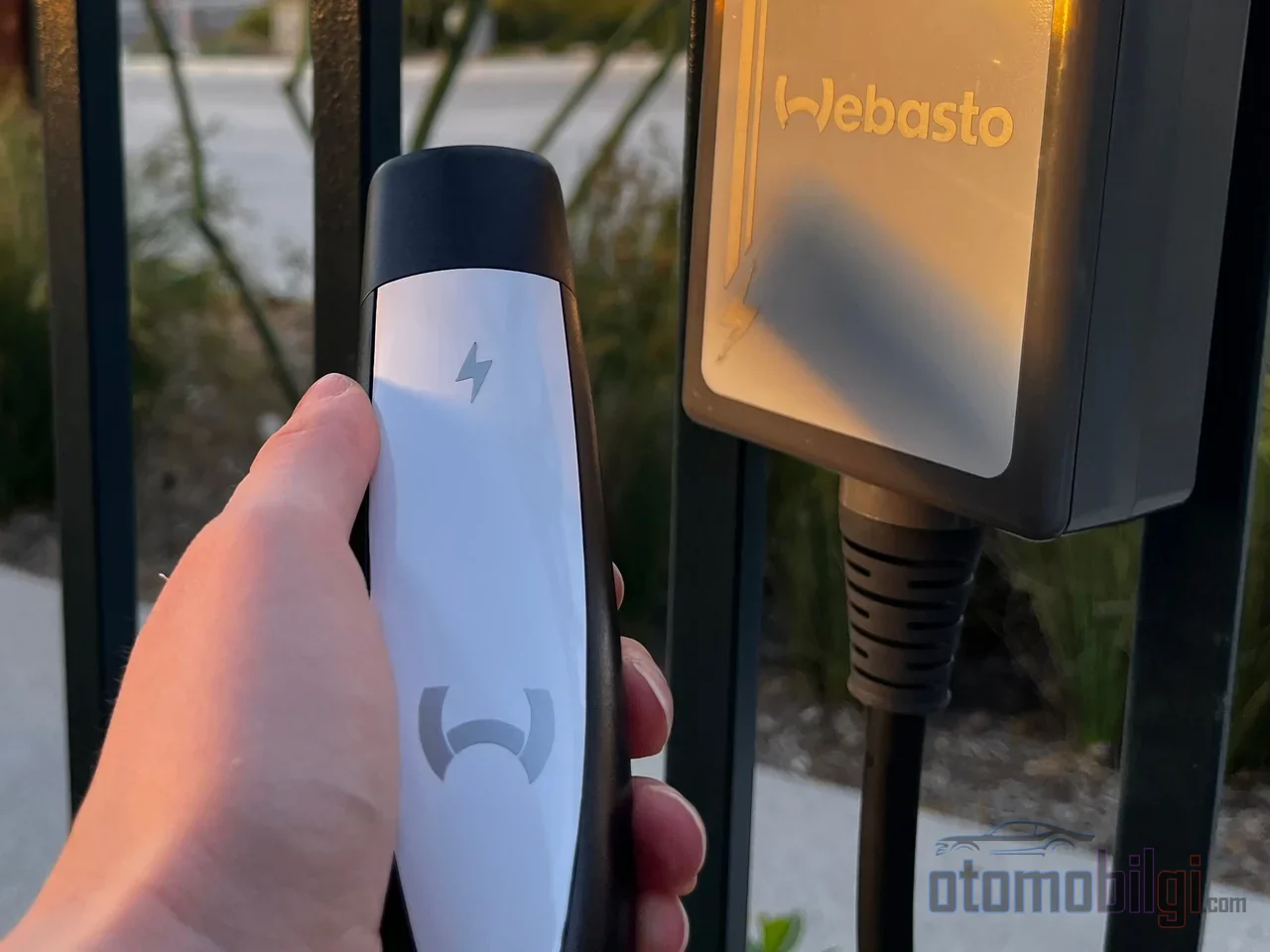
The most common concern about the NACS transition is the assumption that the wall unit at home will become useless. This assumption is wrong. Level 2 home charging has always worked over J1772 and continues to work. Your existing J1772 wall unit can be used without any problem with a vehicle that has a native NACS port, using a small and inexpensive J1772-NACS adapter. This adapter type is in the 40-160 USD range, and is even provided with the vehicle by many manufacturers.
So when buying a new wallbox, connector type is no longer a decisive criterion. The decision criteria are the same as before: price, quality, warranty coverage, and smart features. The view that the impact of standardization on the home side is exaggerated is also technically grounded: plug standardization does not eliminate the fact that the station does not behave the same for every vehicle and that not everyone pays the same fee. The plug changing does not change how the network operates.
The Supercharger Network, Cables, and the Charging Speed Reality
The main reason NACS was adopted so quickly is the network effect: Supercharger remains the largest fast charging network in the US. Tesla states that more than 15,000 Supercharger network points have been opened to non-Tesla vehicles; it is estimated that there are more than 34,000 Superchargers with DC fast charging ports in the US, making up approximately 53% of the country's DCFC ports. At some New York stations, between one quarter and one third of the vehicles charging are non-Tesla. On the network side, NACS plugs are being added to Electrify America and EVgo stations; IONNA, the joint charging company of Mercedes-Benz, BMW, GM, Honda, Hyundai, Kia, and Stellantis, continues construction with a target of 30,000 fast charging stations.
The Cable Length Problem
In Tesla vehicles, the charging port is always at the rear left corner. However, in vehicles with the port at the front, such as the F-150 Lightning or Mustang Mach-E, the Supercharger cable may not reach the vehicle. By the end of 2024, Tesla extended the cable at approximately 1,500 existing stations; the new V4 stations have longer cables, but there is no consistency between stations regarding availability. You need to take this into account when route planning.
Why Aren't You Charging at the Rated Power?
It's not only your vehicle that determines charging speed; the station's hardware generation does too. Stations equipped with Magic Dock can deliver up to 250 kW to non-Tesla vehicles; however, some vehicles charge at lower speeds at these stations due to protocol conversion. V4 cabinets that entered delivery in 2026 offer up to 500 kW per stall of capacity for 800 V vehicles. So the same socket, a different hardware generation, very different results.
On the pricing side, Tesla charges non-Tesla vehicles a higher fee: With October 2026 data, the standard rate averages about 0.62 USD/kWh, and the member rate is about 0.43 USD/kWh; that means a 40-45% difference compared to Tesla owners. The 12.99 USD per month Supercharging membership lowers the kWh rate by roughly 30% and pays for itself for a driver who charges 70-80 kWh per month.
So What Should Vehicle Owners Actually Do?
Let's synthesize: If your vehicle has a CCS1 port, get your manufacturer's own DC adapter for Supercharger access; prefer the certified one with thermal protection, and verify whether it has started shipping by checking your manufacturer's current policy. If your vehicle has a native NACS port, you plug directly into the Supercharger; for older CCS stations you still need a manufacturer-backed DC adapter, and for home and workplace J1772 units a small AC adapter is sufficient. You don't need to replace your existing wallbox. When buying a new vehicle, the only sensible choice now is the one that favors the long-term standard: a model with a native NACS port, which means de facto access to the largest fast-charging network and an adapter-free future. From now on, socket choice is a decision you will carry for the vehicle's entire lifetime, not just a few years; the engineering foundation of that decision is 1000 VDC, 650 A and five pins. Even though the short-term "adapter hell" will last a few more years, the direction is clear: North America is converging on a single socket.
Sources
- SAE J3400 Charging Connector · Joint Office of Energy and Transportation
- The Great NACS Migration: Here's Who Switches to Tesla's Charging Port (MotorTrend)
- Stellantis To Finally Adopt Tesla's NACS Plug Starting In 2026 (InsideEVs)
- North American Charging Standard
- CCS vs NACS vs CHAdeMO: Connector Guide
- NACS Adapter Guide: Which EVs Need One (and Which Don't)
- Why You Should Avoid Knockoff NACS to CCS Adapters
- NHTSA Recall Report 24E-093
- NACS DC Adapter Guide (Rivian)