Timing Chain or Belt: Lifespan and Cost Comparison
Two models of the same brand can sit side by side in the showroom; one runs with a timing chain, the other with a timing belt, and this difference separates the two cars' ten-year cost of ownership. While regular oil changes are enough for a chain-driven engine, a belt-driven engine requires you to follow a planned replacement schedule within the 60,000-120,000 km range. As for which one is "better," that is a matter of engineering choice with no single answer: the answer changes depending on the engine's design, your usage profile, and how many years you will keep the car.
The reason you should take the timing chain vs. belt question seriously is simple: the timing system provides synchronization between the crankshaft and the camshaft and controls the valves opening and closing at the correct time. The moment this synchronization fails or the system breaks, a simple maintenance item turns into an engine repair budget. In this article, we examine one by one the structural difference between the two systems, a comparison of lifespan and cost, early signs of failure, and their role in the used car buying process.
The Structural Difference Between a Timing Chain and a Timing Belt
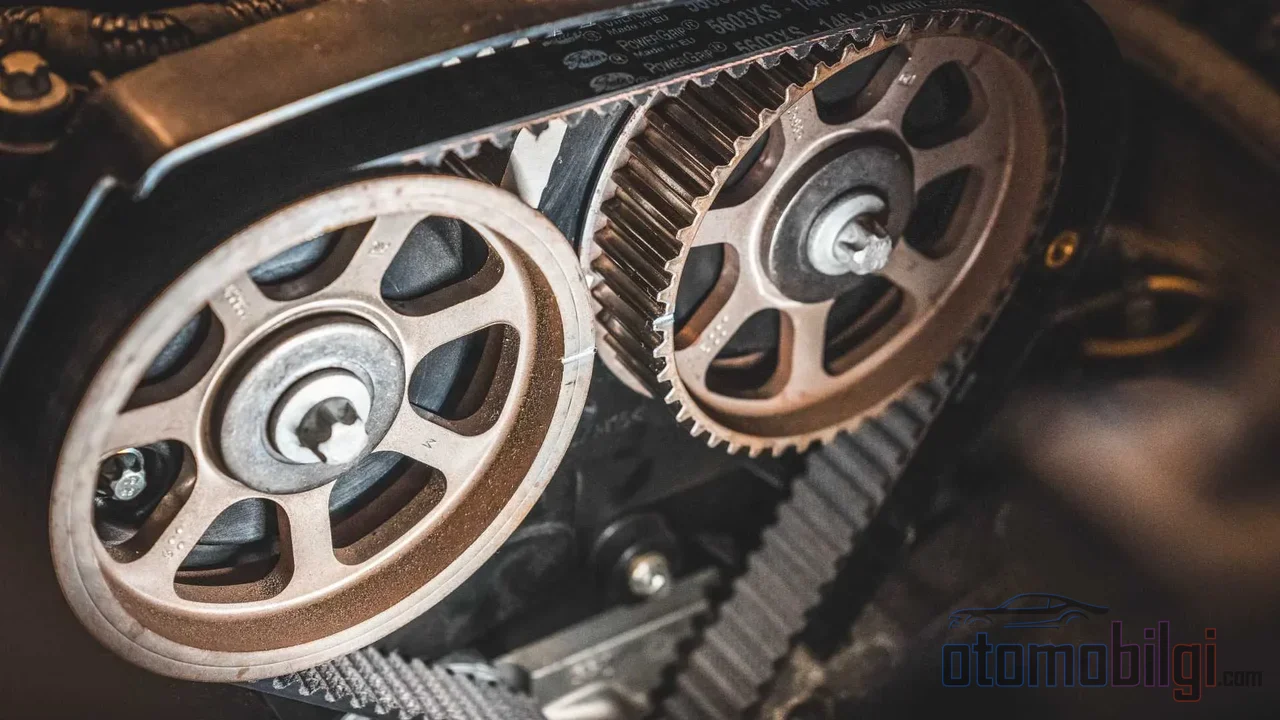
The job the two systems do is the same: they lock valve timing by transferring the crankshaft's rotation to the camshaft. The difference lies in which material they use to do this job. A chain is a metal element made of high-quality steel links. A belt, on the other hand, is a rubber-based material; inside its HNBR or EPDM-based body there are glass fiber or kevlar reinforcements, and these fibers increase the belt's tensile strength. The teeth on the belt's inner surface lock with the pulley teeth to prevent slipping.
The structural difference also determines the auxiliary components the system needs. A belt-driven system requires tensioner bearings and idler pulleys; these ensure the belt runs at the correct tension and on the correct path. In a chain-driven system, the tensioning mechanisms usually operate hydraulically and are lubricated with engine oil. This detail will be the key to understanding the chain's maintenance logic in the later sections of the article.
Key Takeaways
- In most cars, the timing belt is replaced within the 60,000-120,000 km range, with mileage and calendar conditions applied together.
- The chain is designed not to require replacement throughout the engine's life; its lifespan depends on regular oil changes.
- A belt kit replacement totals 400-1,000 USD based on US data; a chain replacement typically costs 750-1,000 £ in the UK.
- If the water pump is driven by the belt, it is replaced together as a set.
- A rattling noise at the first start of the morning is the clearest sign of chain stretch.
Oil Maintenance Determines the Chain's Lifespan
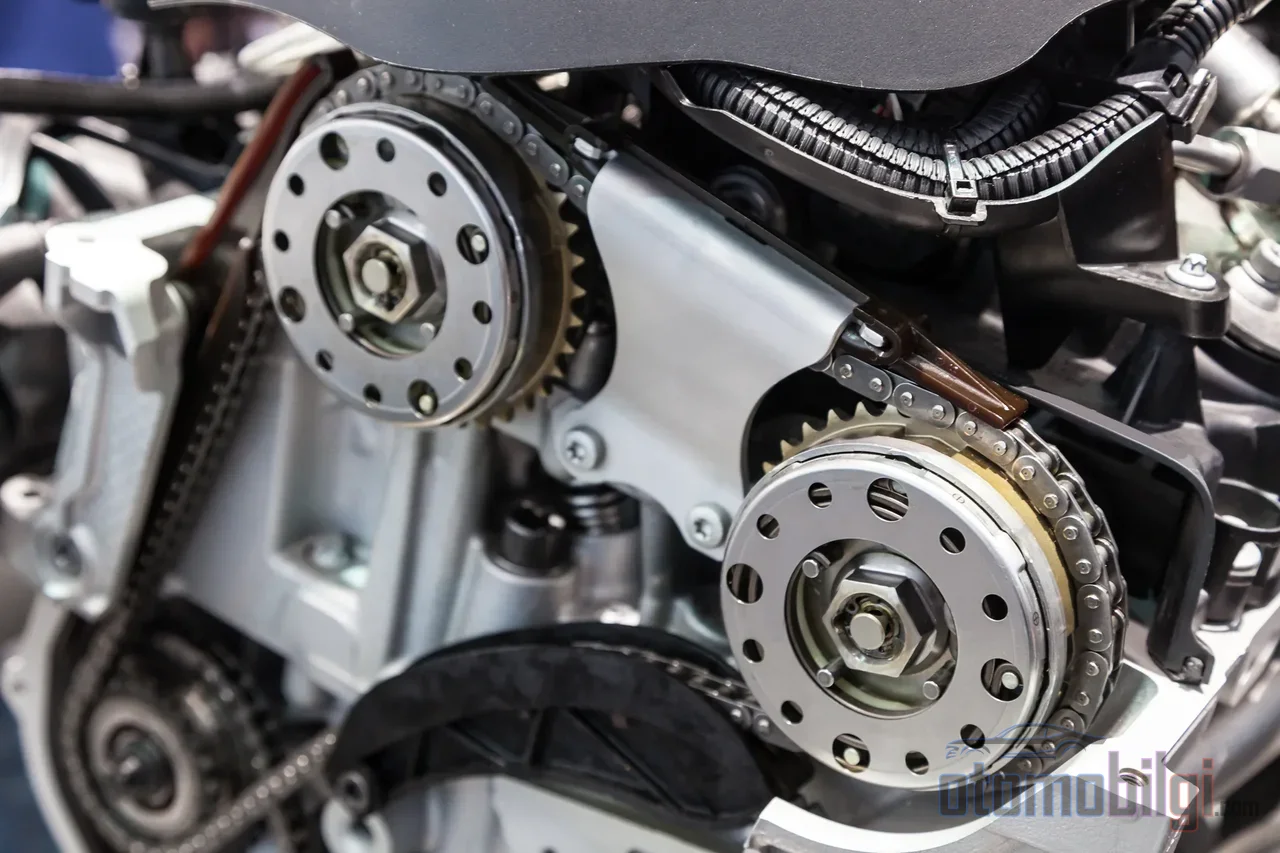
At the design stage, the chain is calculated to not require replacement throughout the engine's life. However, oil maintenance largely determines whether this goal will hold. The chain depends on continuous lubrication and consistent oil flow; the oil feeds both the chain itself and the hydraulic tensioner that keeps the chain taut. When oil change intervals are extended or the oil quality degrades, the oil film on the chain weakens, metal-to-metal contact increases, and the chain stretches over time.
Chain stretch is the most common form of wear, and it does not progress silently: as the timing is disrupted, power loss, increased fuel consumption, and the engine fault light appear. The practical conclusion to draw from this is clear: In engines with a timing chain, timing maintenance is, in fact, none other than oil maintenance. If you own a vehicle with a timing chain, performing oil and filter changes without fail within the interval specified by the manufacturer prevents the most expensive timing repair from the start.
Why Belts Are Replaced by Mileage and Calendar Time
The logic of belt replacement is different because the material ages. Even if the belt's mileage is low, the rubber and the reinforcing fibers within it harden, fatigue, and lose their elasticity over time. For this reason, both the mileage and calendar conditions apply together for the belt: whichever comes first, the mileage or year limit stated in the vehicle's owner's manual, replacement is required once that threshold is reached. In most cars, this interval falls within an average band of 60,000-120,000 km; but since it varies considerably depending on the brand and engine, a single mileage figure cannot be given universally, and the primary criterion is always the manufacturer's recommendation.
The "replace it only if it fails" approach does not apply to belts; a belt that looks solid from the outside may already have fatigued fibers. The criticality of the belt also stems from its silence: while a chain often announces its failure with noise, a belt may not always give warning before it breaks. Therefore, in engines with belts, adherence to the calendar is managed not by visual inspection but by scheduled replacement.
The Logic of the Water Pump and Timing Kit
Timing belt replacement is not a single-part job, and this determines the shape of the quote you will receive when you go to the service center. The water pump (coolant pump), which is driven directly by the belt, operates in the same area as the system. Replacing the water pump along with the belt saves on labor with the same disassembly: the cost of two separate interventions is higher than doing it as a kit.
This is the essence of the kit logic. When the belt, water pump, and tensioners are replaced together, both future duplicate labor costs are eliminated and an old tensioner or pump jeopardizing the new belt is prevented. In short, the timing kit is a logic similar to insurance that prevents a postponed item from turning into a more expensive repair by saying "let me pay little for now"; to avoid having the same area disassembled again two or three years later, the correct economy is replacement as a kit.
Lifespan and Cost Comparison
Looking at the figures, the bills of the two systems reverse the picture: each belt replacement is cheaper, while the timing chain's total cost of ownership is more predictable. Using US market data, a belt kit costs 100-350 USD, labor takes 3-5 hours, and the total cost falls within the band of 400-1,000 USD in most vehicles; in German luxury vehicles, this figure rises even higher. Chain replacement, on the other hand, typically comes with an initial cost of £750-1,000 in the UK, and on some makes and models, particularly certain BMW engines, the engine may need to be partially disassembled.
| Criterion | Timing Chain | Timing Belt |
|---|---|---|
| Material | Steel links | Rubber/fiber, glass fiber or kevlar reinforced |
| Typical lifespan | Designed to last the life of the engine | 60,000-120,000 km, plus a calendar condition |
| Maintenance dependency | Regular oil changes | Planned periodic replacement |
| Replacement cost | High (£750-1,000) | More affordable ($400-1,000 total) |
| Failure warning | Usually announces itself with noise | May not always show symptoms |
Which Engines Use Which System
The general trend is this: the belt is common especially in small and mid-segment vehicles, due to quiet operation, low weight, high-rev sensitivity and predictable service costs. The chain system, meanwhile, is found in most premium brands such as BMW, Mercedes and Audi; although its metal construction takes up extra space in the engine block and is heavier, it is intended to last the life of the engine. In other words, the choice of system is a design decision that depends on the vehicle's segment and the manufacturer's engineering priorities; they are different optimizations, not better or worse.
Early Failure Symptoms: Rattling, Jingling and Vibration
The clearest signal on the chain side comes at the first start in the morning: a jingling noise on a cold start is the classic harbinger that the chain has stretched and the tensioner has developed slack. A continuous metallic friction sound at idle, idle rattle, hard starting and the engine warning light are also typical symptoms of chain timing problems. The noise is heard more clearly at idle and with equipment (loads like air conditioning and headlights) active. When the chain tensioner fails, slack in the chain increases, it can jump a tooth, and beyond that point the risk of serious engine damage comes into play.
On the belt side, noise usually arises for different reasons: A rattle or chirp from the belt does not carry the same "lifespan experience" as a chain, but it is a warning that should not be ignored. The common lesson for both systems is this: a rhythmic noise from the engine cover is not a listening comfort issue, it is a status report from the timing system. The Right Expectation for Your Usage Profile
The Right Expectation According to Your Usage Profile
When the numbers are personalized, the picture becomes clear. If you drive more than 30,000 km per year and plan to keep the car for 7-10 years, a chain-driven engine makes sense; within the same period, a belt-driven engine would need its timing belt replaced 2-3 times. In the opposite scenario, that is, in low-mileage use with a plan to change the car every 4-5 years, the belt-driven engine is more economical: you will most likely hand over the car without ever replacing the chain, and belt-driven engines also usually have a lower initial purchase price. Remember that the chain's lifespan depends on design, lubrication quality, operating conditions, and maintenance history; another vehicle's chain experience may not match yours exactly.
Timing Inspection in a Used Car Purchase
Since the timing belt is hidden behind the engine cover, it cannot be physically inspected because a standard pre-purchase inspection does not involve disassembly. This creates a critical blind spot when buying a used car. Even if the previous owner claims the belt was replaced on a vehicle approaching its replacement mileage, there is no way to verify this claim without an invoice or service record. In this case there are two pragmatic approaches: using the lack of a replacement record, or an overdue replacement, as a bargaining chip in price negotiation, or resetting the gray area by renewing the oil, filters and timing belt as soon as you buy the car.
You should also not place too much trust in the positive engine note in the inspection report: a standard check finding the engine largely healthy does not mean the vehicle has had its major services. The timing system is precisely one of the items this report does not see.
Conclusion: The Right Maintenance Expectation for Your Engine
Briefly, and in a practical framework: if you own a chain-driven engine, your timing maintenance is your oil change schedule; if you own a belt-driven engine, timing is a planned item in your maintenance schedule based on mileage and years, and it should be replaced together with the water pump as a set. The chain is a lifetime system, but that lifetime is purchased through oil maintenance; the belt, on the other hand, is a quiet and economical system, but it is not safe without following the schedule. Confirm which system your vehicle uses from the owner's manual, mark the manufacturer's recommended intervals on your personal calendar, and go to the service without delay at the first rhythmic sound from the engine cover. The timing dilemma, when the right maintenance expectation is set, is not a risk but a plannable cost item.
Sources
- Timing Belt or Chain? A Comparison of Advantages and Disadvantages
- When Does a Timing Belt Need Replacement? Lifespan and Symptoms
- At How Many Kilometers Should the Timing Belt Be Replaced? Should the Water Pump Be Replaced Too?
- How much does a timing chain replacement cost?
- Timing Belt Replacement Costs and When to Replace
- Engine oil in a modern timing drive system
- Why Should You Replace the Timing Belt and Water Pump Together
- Is the Timing Belt Checked During a Pre-Purchase Inspection?
- Renault Timing Chain Failure, Engine Noise, Timing Problems and Replacement Guide
- The Difference Between a Timing Belt and a Timing Chain Kit