Maintenance Realities That Differ in LPG Vehicle Ownership
Share This Page
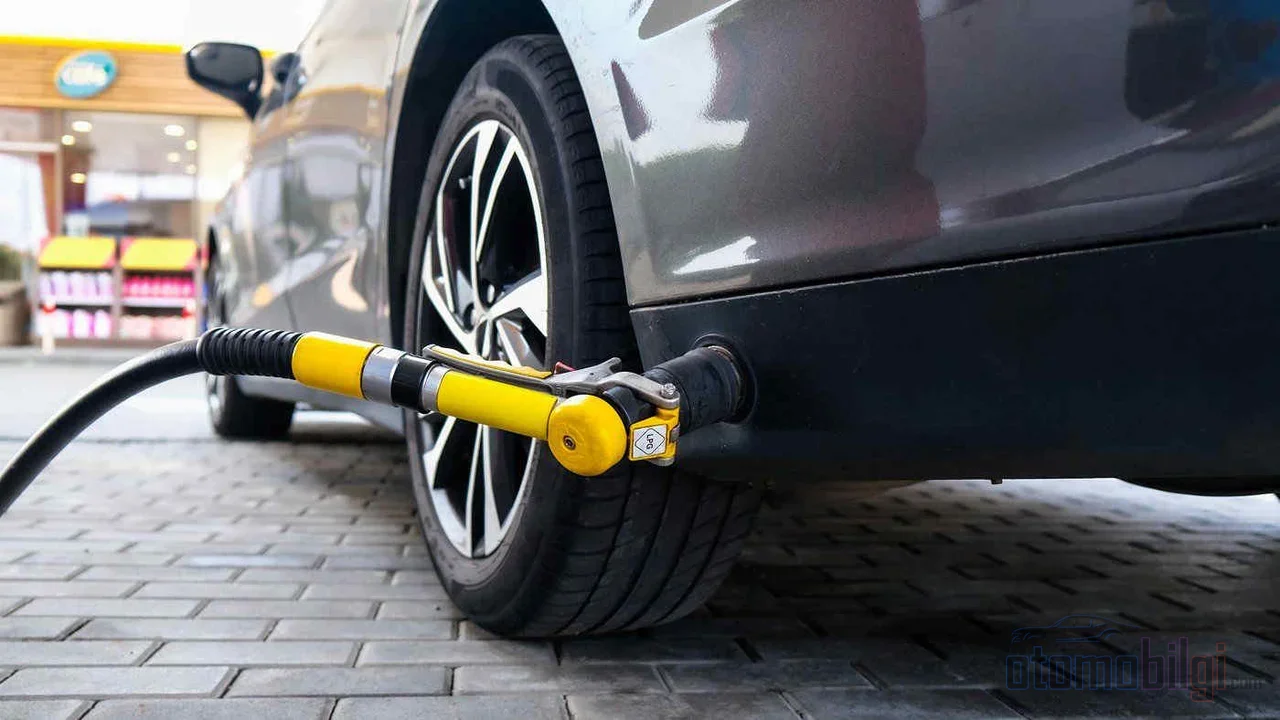
LPG vehicle ownership provides serious fuel savings compared to gasoline; however, the price of these savings lies hidden in the maintenance schedule, part selection, and resale strategy. Since gas is a dry fuel, spark plug and oil change intervals shorten, valves require extra protection, and periodic inspection of the tank becomes a legal obligation. With a properly tuned system, these differences are manageable; but skipped items quickly turn into a bill for engine work.
Highlights
- With standard nickel spark plugs on LPG 15,000-20,000 km, iridium/platinum spark plugs 40,000-60,000 km should be replaced at intervals.
- The LPG filter should be replaced every 10,000 km, and the shut-off filter on average every 50,000 km.
- LPG is approximately 50% cheaper than gasoline per liter; total fuel cost drops 35-45% despite the difference in consumption.
- The conversion must be recorded on the registration; vehicle inspection requires specific checks for the LPG system.
- Periodic tank inspections can only be performed by authorized organizations under Law No. 6331.
Why Does Maintenance on an LPG Vehicle Differ from Gasoline?
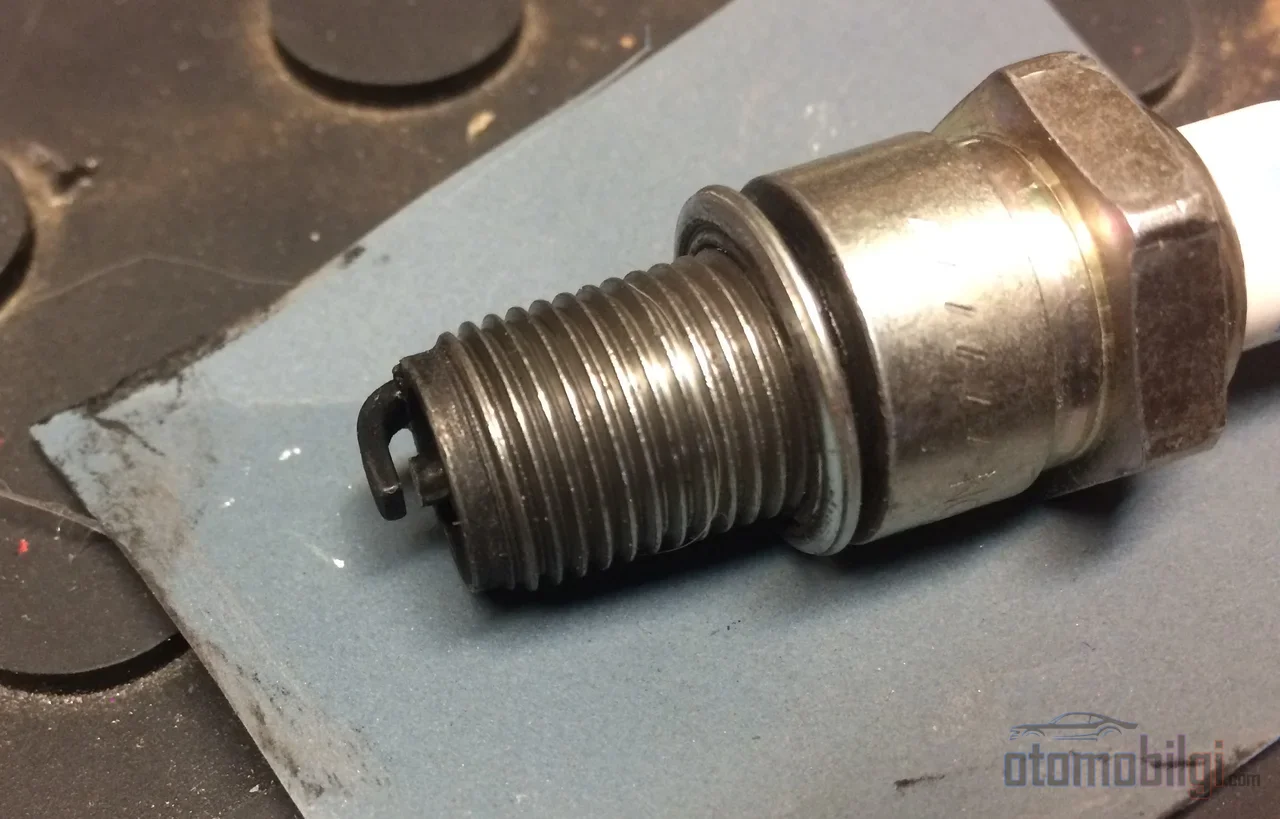
The root of the problem is a technical characteristic: LPG is a dry fuel that enters the engine as vapor and lacks the lubricating additives carried by gasoline. Its combustion temperature is higher, and igniting the gas mixture requires higher voltage from the spark plug. A fatigued spark plug passes this load on to the ignition coil; a spark plug that comfortably lasts 30,000 km on gasoline may not complete that duration on LPG.
In addition, the combustion speed of LPG is slower than that of gasoline, and the mixture is leaner. These two factors accelerate electrode wear. Interestingly, there is a balance point: LPG burns cleanly with little soot formation; but the spark plug becomes more sensitive than in gasoline use.
Spark plug selection and replacement interval
The practical picture can be summarized as follows: standard nickel spark plugs on LPG require replacement around 15,000-20,000 km, while iridium or platinum spark plugs 40,000-60,000 km . For comparison: in normal gasoline use, a nickel plug offers a life of 20,000-30,000 km, platinum 50,000-80,000 km, and iridium 80,000-120,000 km. In other words, the LPG difference is not proportionally the same for every plug; a quality product and good tuning can noticeably raise the interval.
A common belief needs correcting here: it is not accurate to say that the replacement interval drops to exactly half in every LPG vehicle. The quality of the system and the mixture tuning are decisive; even if they do change, more careful periodic inspections are essential. In particular, high thermal load and a plug with an incompatible heat rating are known factors that shorten iridium's lifespan.
Valves and intake manifold
Gasoline provides light lubrication to the valve seat every cycle it passes through; with LPG, this protection is absent. The result is valve seat wear and valve recession over time: compression loss and rough idle manifest themselves. Prevention falls into two headings: the use of valve protection fluid and periodic valve clearance checks in engines with mechanical adjustment. In engines with hydraulic lifters, the risk progresses more insidiously because recession is noticed late.
Valve trouble is not an automatic fate; burning is usually a combination of incorrect adjustment, high heat, and engine incompatibility. When having a conversion done, doing the manifold drilling points and nozzle placement correctly (facing the intake valve) reduces the failure bill of subsequent years starting today. In engines with hardened valve seats, the need for protection fluid may decrease; the decision should be made based on the engine code.
What Should the Maintenance Schedule for an LPG Vehicle Look Like?
The classic items on the gasoline side (engine oil, filters, timing belt, brakes) also apply to LPG; on top of that, a layer specific to the gas system is added. The most critical difference is that this system operates by taking the gasoline ECU's signals as a reference: when a sensor in the gas ECU ages, the mixture deteriorates; a lean mixture raises exhaust temperature and fatigues the valves and the catalytic converter. The typical signals of adjustment drift are familiar codes: P0171 and P0174 indicate a lean mixture, P0172 a rich mixture.
| Maintenance item | Recommended interval |
|---|---|
| LPG filter | Every 10,000 km |
| Gas shut-off filter | Average 50,000 km |
| Regulator diaphragm | Approximately 50,000 km |
| Spark plug (nickel) | 15,000-20,000 km |
| Spark plug (iridium/platinum) | 40,000-60,000 km |
| Engine oil (standard use) | 10,000-15,000 km |
On the engine oil side, it matters to prefer products specially formulated for LPG; under standard use (city driving, low intensity) 10,000-15,000 km is a reasonable interval, while in heavy traffic more frequent changes are required. There is also an easily overlooked issue: the gasoline system. Even if the vehicle runs on gas, the fuel pump, injectors, and filters must be checked at certain intervals, and fuel must be kept in the tank at all times. While gasoline is not in use, these components do not demand maintenance; but they remind you they are faulty at the first moment of need.
Tank Periodic Inspection and Legal Obligations
A subject most vehicle owners take lightly is actually an explicit provision of legislation: LPG tanks are subject to periodic inspection. These inspections are carried out under the Occupational Health and Safety Law No. 6331 and can only be performed by authorized inspection organizations and authorized persons. The standard format to be used in tank periodic inspection reports must be applied in full as of July 18, 2025.
The regulation change that came into force in 2026 has also been reflected in the field: for above-ground LPG tanks, if the standard does not specify a period, the periodic inspection interval is 1 year; a ten-year re-evaluation is carried out under a written plan. On the inspection station side there is simplification: the LPG/CNG gas tightness report no longer needs to be presented separately at the inspection; the check performed at the station is accepted as equivalent. For new installations and modifications, the Fuel System Installation Certificate and a modification project signed by an authorized engineer, along with the calculations, are requested. In other words, those who carry out the conversion with documentation will not face problems in later inspections.
Original or Aftermarket? The Parts Balance in LPG Equipment
The general rule is clear: for engine-internal parts (valves, pistons, gasket sets, circulation pump, lubrication line), original or OES parts should be preferred. The difference is not only in price; production quality, material durability, warranty coverage, and long-term performance are at stake. Rights are also defined on the insurance side: if aftermarket parts are used in a repair, the right to the original part price difference arises, and in equivalent part applications, the vehicle owner decides which part is installed.
The workings of LPG equipment are somewhat different. The system has few parts; components such as filters, regulators, and injectors are defined within branded conversion kits. Cheap, no-name kits may not seem to make a difference in the short term in terms of installation, but they create a difference in the long term through sensor life and mixture stability. The right approach: stick with branded, certified products for gas system components; maintain the original/OES line on the engine side.
Should You Buy a Used LPG Vehicle? What to Check During Expert Inspection?
In the used car market, LPG is a two-sided asset. When fuel is expensive, an LPG-equipped vehicle looks attractive; but buyers have also started questioning installation quality, inspection status, and tightness records. The first stop is always the registration certificate: the LPG registration must be there. A conversion not recorded in the registration is both a legal and technical risk; this registration, which requires authorized service selection, notary procedures, and the inspection process, is also proof that the conversion was checked.
During the expert inspection, an LPG-specific checklist is added alongside the standard chassis-engine check:
- Whether maintenance periods have been followed
- Gas leak and tightness test
- Condition of the float, regulator, and injectors
- LPG activation button and sequential autogas check
- Adjustment and calibration records
Since LPG systems are not cheap, an LPG expert inspection is effectively mandatory when buying used. There is also a new dimension in 2026: as of July 1, 2026, a new expert inspection system is in effect across all of Türkiye, and the diminished value calculation was regulated by the SE_ddk circular. The damage dimension coefficient for diminished value is in the 2-25% range; there is a 2-year statute of limitations for claims, and insurance damage claims filed after this date also cover diminished value claims. Questioning this item on an LPG vehicle with a damage history is the most concrete basis for negotiation.
Fuel Savings, Maintenance Costs, and Real Break-Even
Let's go with the numbers. Per liter, LPG is approximately 50% it is cheap; in 2026 price examples, gasoline runs in the 45–55 TL band and LPG 22–28 TL. On the other side there is a consumption difference: an LPG-powered vehicle consumes 20–25% more in liters. The net result is still favorable: total fuel cost drops by 35–45% . For a driver covering 20,000 km a year, this difference opens up a noticeable item in the annual budget.
Not all of this advantage stays in your pocket. The shortened spark plug interval, frequent filter changes and periodic tuning are written on the compensation side as additional expense items. If these items are skipped, the money saved on fuel goes back as engine labor; the worst-case scenario is a burned valve and a strained catalytic converter. In the conversion, it should also be known that there may be 2–5% power loss on the engine side; for performance-oriented drivers, this is a parameter that affects the purchase decision.
The practical conclusion is this: LPG is a choice that tightens the fuel budget but demands maintenance discipline. A driver who keeps one tank of gasoline a month, does not neglect the system, changes filters on time and never misses tuning keeps most of the savings. The same car in the hands of a driver without discipline meets a valve and catalytic converter bill within a few years.
Conclusion: Disciplined Maintenance Preserves LPG's Advantage
LPG conversion is a decision that changes the maintenance schedule but does not eliminate its advantage. Replacing the spark plug in the 40,000–60,000 km range, renewing the filters every 10,000 km, taking the tuning codes (P0171, P0172, P0174) seriously, evaluating the valve protection need according to the engine code and not skipping the tank inspection - the to-do list is that clear. On the other side stands 35–45% fuel savings and cost comfort on long journeys. On the second-hand market, a registered, documented, inspection-passed LPG system adds value to both buyer and seller; an unregistered conversion is the fastest reason for a discount in negotiation.
Sources
- LPG Vehicle Maintenance: 5 Critical Differences
- When Should Spark Plugs Be Replaced?
- When Should Spark Plugs Be Replaced in LPG Vehicles?
- Oil Maintenance Guide for CNG and LPG Vehicles
- LPG Maintenance in Vehicles
- Periodic inspection report format for LPG tanks - Ministry of Labor and Social Security
- Periodic Inspection Intervals 2026: The New Annex-III Table
- SEDDK Circular - Depreciation (Value Loss) Calculation
- Is Buying a Used LPG Vehicle a Sensible Choice?
- Things to Consider When Buying a Used LPG Vehicle
- LPG Vehicle Inspection
- The Process of Recording LPG Conversion on the Registration
- Things to Consider When Using LPG in Vehicles - Chamber of Mechanical Engineers
- Original or Aftermarket Part?
- Who Covers the Original Part Price Difference?
- What Is the Equivalent Part Practice?
- Advantages of the LPG System
- Service on your Prins VSI LPG system
- LPG-specific engine oil
- The effect of LPG use on valves in gasoline engines - Uludag University
- LPG vs Gasoline Cost Comparison
- Vehicle Fuel Savings Calculator 2026
- Is converting your car to LPG worth it?