What Damage Can Delaying a Timing Belt Replacement Cause to the Engine?
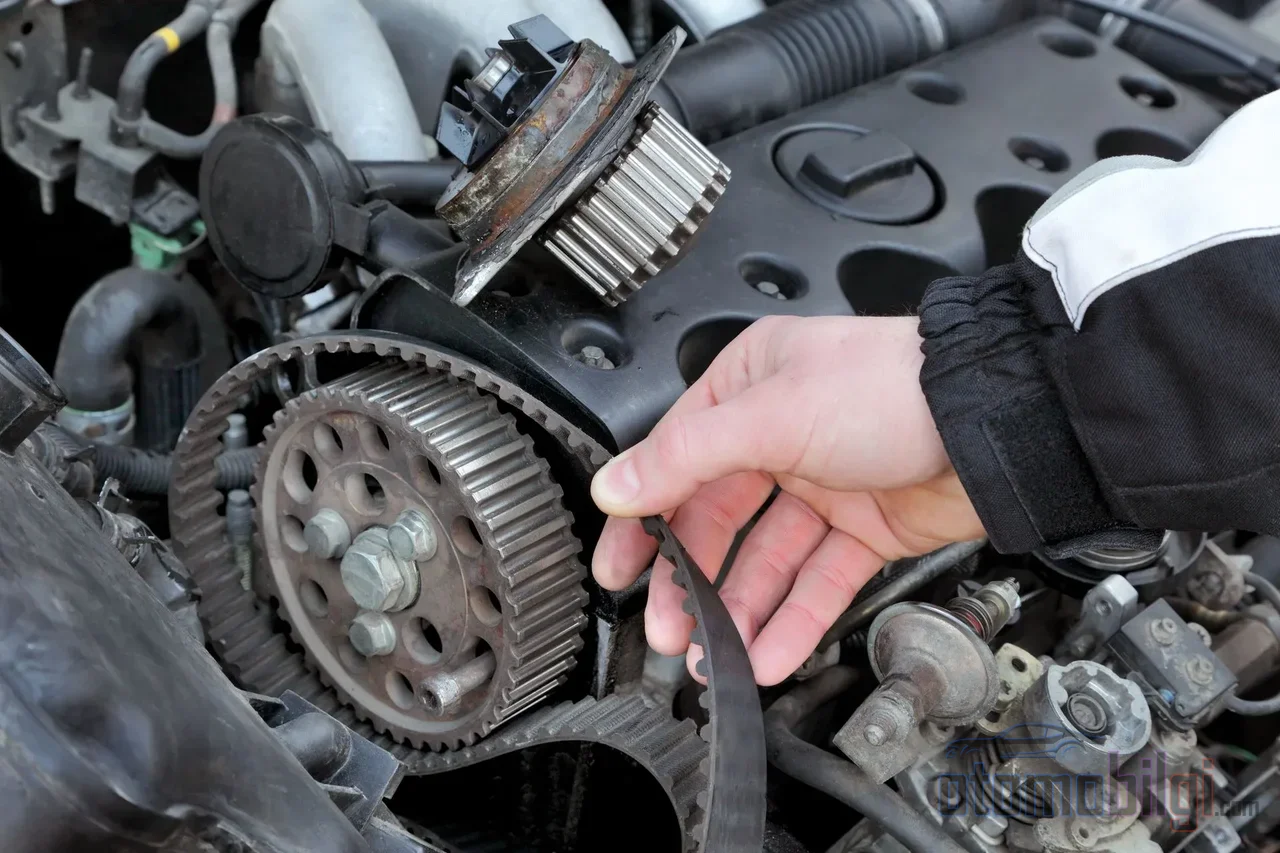
On most maintenance schedules, the timing belt line is the easiest item to postpone: while the car runs without problems, there is no way to feel that belt - the one synchronizing the crankshaft with the camshaft - aging. The problem is this: what happens inside the engine the moment the belt snaps depends largely on your engine's architecture, and in most modern cars that architecture turns a snapped belt into something far beyond an ordinary breakdown - an event that directly affects the engine's internals. To understand what the delay costs, we first need to look at the logic of that architecture.
What Do the Timing Belt and Chain Actually Do in the Engine?
The timing belt is a toothed and flexible belt made of reinforced rubber; each tooth locks into the pulley teeth, synchronizing the crankshaft with the camshaft. Thanks to this synchronization, the position of the pistons and the opening and closing times of the valves do not collide. The timing chain performs the same job with a metal chain; the difference shows itself in the character of its lifespan and its failure symptoms.
The belt is made of a composite of rubber, synthetic fiber, and fiberglass, and since it works continuously inside the engine, it wears out over time from heat, vibration, and contamination. The chain, by its position, is exposed to excessive heat and vibration; it has a separate tensioner mechanism that affects its own lifespan. What the two have in common is this: when either is neglected, both confront you with the same physical outcome - timing slipping or complete breakage.
Why Is the Interference Engine So Critical?
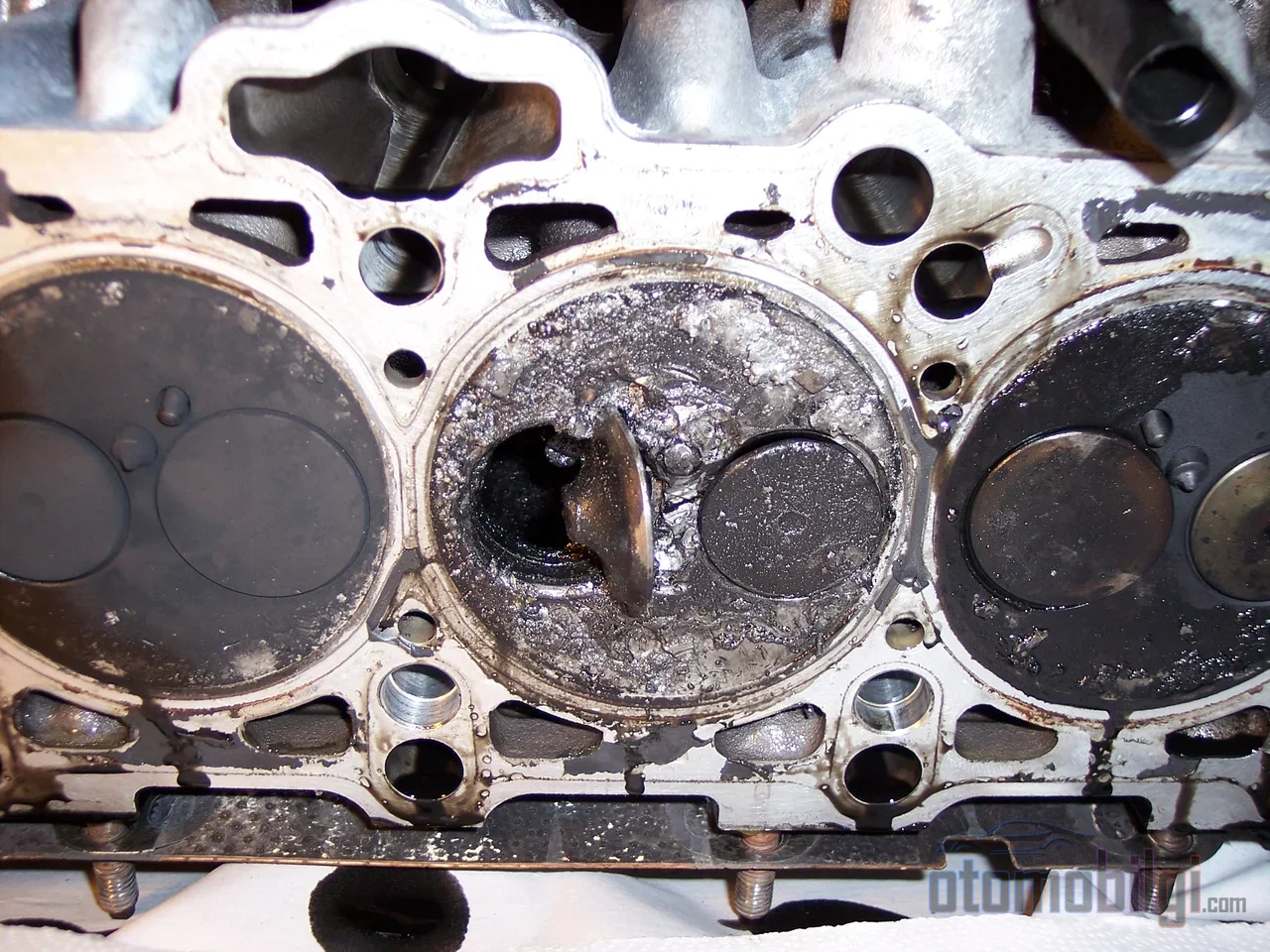
The interference engine gets its name from the design itself: fully open valves protrude into the space the piston travels through at dead center. In other words, the valve and the piston occupy the same volume, milliseconds apart. The reward for this design is a higher compression ratio and better efficiency; for this reason, most modern production cars use interference engines.
By contrast, in non-interference engines the piston does not enter the space where the valves open. In such an engine, when the belt snaps, the engine simply stops without damage; there is no damage scenario. Knowing which group your car belongs to directly determines how seriously you need to take the timing belt replacement.
Highlights
- Manufacturer replacement intervals vary within the range of 97,000–167,000 km; many manufacturers do not exceed 7 years as the time limit.
- The belt usually does not snap all at once; first it jumps a tooth and the timing is disrupted.
- In an interference engine, breakage means bent valves, cracked pistons, and a damaged cylinder head.
- During a timing belt replacement, the tensioner, pulleys, and water pump should be renewed together.
- A brief rattling sound during cold starts is the classic harbinger of a timing chain tensioner failure.
What Happens Inside the Engine When the Belt Snaps?
Chain-Reaction Damage Developing in a Fraction of a Second
The instant synchronization is lost, the pistons in an interference engine strike the open valves within a fraction of a second. Valves bend or break, cracks form in the pistons, and the cylinder head is damaged. Broken valve fragments can punch through the cylinder walls; split or punctured pistons are typical. A valve or piston piece left loose inside can carry the damage all the way to the connecting rods. In short, a single belt can trigger a chain of damage that will require a complete engine rebuild.
Before Snapping, There Is Usually Belt Jumping
In practice, the belt rarely snaps all at once; most of the time it slips or jumps a tooth first. The engine keeps running but the timing is off: misfiring, rough idle, and loss of performance are the symptoms of this stage. Here a critical usage mistake comes into play: continuing to crank the starter enlarges the damage. A valve that was only slightly bent at first can cause far more severe mechanical damage with repeated cranking attempts. Not cranking the engine after a sudden stop and a strange sound is the cheapest measure that can change the engine's fate.
Wear Symptoms and How Mechanics Diagnose It
- A ticking or clicking sound from the timing belt area (wear or tensioning problem)
- Engine misfiring due to timing disruption caused by belt slipping
- Rough idle and vibration
- Particularly difficulty starting in cold weather
If a break has occurred, mechanics detect bent valves with a leak-down test performed per cylinder or by measuring valve clearances; an abnormally large valve clearance in one cylinder is a direct sign of a bent valve. In the lucky scenario, only the valves are bent: valve replacement, cylinder head reconstruction, and a new timing belt kit solve the problem. If there is piston or cylinder damage, the engine must be completely rebuilt or replaced; the bill can reach the level of thousands of dollars. The degree of damage depends on the rpm at the moment of the break and on chance; valves usually bend before causing serious harm to the piston, and in some cases only a mark is left on the piston. But this is not a reason to play the lottery; it is data showing how wide the damage spectrum is.
The Difference Between Manufacturer Intervals and Real Lifespan
Manufacturers' timing belt replacement intervals roughly vary within the band of 97,000-167,000 km (60,000-104,000 miles); common practice is summarized as 60,000-100,000 miles or 5-10 years. There is no universal interval; the interval varies significantly depending on the model and brand. Alongside mileage, there is also a time limit: many manufacturers recommend 7 years as the maximum lifespan even if the km are not reached; some sources draw the age limit even earlier, at 4-6 years.
For an owner driving 10,000 km a year, this means the calendar, not the odometer, is the determining factor. A belt is not a metal part; it is a composite that hardens with age and develops hairline cracks; it ages even in a rarely used vehicle. The design generation also makes a difference: while older square-tooth belts offer a lifespan of around 60,000-80,000 miles, new-generation round-tooth belts extend it beyond 80,000 miles.
Factors Beyond Mileage
Only the calendar and mileage lifespan don't determine it. Engine temperature, oil leaking onto the belt and the contamination it causes, engine design, climate conditions, and vehicle age are variables that shorten the belt's actual durability. Oil leakage is particularly insidious: a leak that softens the rubber effectively retires the belt even if the mileage still looks fine on paper. Therefore, the intervals should be read not as absolute limits, but as upper limits under favorable conditions.
The Different Face of Delay in Chain Systems
The timing chain theoretically lasts longer when maintained, but what truly determines the chain's lifespan is the tensioner. The classic symptom of a tensioner failure is the brief rattle during cold starts: on some engines, a noise of approximately 2 seconds is heard at the first start in the morning, and then the sound stops. This silence does not mean the problem has gone away; the tensioner corrects its tension as it warms up, but the problem remains.
Other symptoms include: rattle and misfiring during cold starts, the engine check light coming on with timing codes, difficult operation, and loss of performance. Insufficient tension increases the chain's oscillation; too much or too little tension can break the chain. When a tensioner failure disrupts the timing, the valves do not open correctly, compression drops, and the engine runs with difficulty. In chain systems, ultimately there is the same threshold as with belt systems: when the chain jumps or breaks, an interference engine expects the same mechanical consequence.
An important nuance: these symptoms alone do not prove a tensioner failure. The chain, guides, and sprockets should be checked together; the source is a single component, but the result is the entire set.
Which Auxiliary Parts Should Be Replaced Together During a Timing Belt Change?
The real engineering lesson of a timing belt replacement is this: the belt is not a standalone system, but part of a set that works together with the tensioner, pulleys, and usually the water pump. A worn tensioner or pulley disrupts operation even if the belt itself is in perfect condition. That is why parts manufacturers and service networks recommend replacement as a set.
- Belt or chain: The component at the center of the system; it must always be replaced at every change.
- Tensioner and tensioner bearing: Provides the correct tension; its wear increases chain oscillation and the risk of breakage.
- Pulleys and idlers: A worn idler shortens the life of the new belt as well; it is an integral part of the set.
- Water pump: If it is driven by the belt, it is replaced together; the belt and pump wear at a similar rate, and a second repair is prevented while the labor area is already open.
- In chain systems, the guides, tensioner, and sprockets: Must be replaced as a complete set.
It is worth touching on the water pump item: if the pump is driven by the belt, separating the two is not economical and makes no engineering sense either. A pump failure has its own symptoms as well: frequent overheating, coolant leakage, and a brownish or reddish sediment in the expansion tank. If any of these is observed, the timing belt must be inspected without waiting for the scheduled replacement; the moment the pump seizes, it also puts strain on the belt.
The Real Cost of Delay: Short Answer
What does delaying the timing belt replacement do to the engine? The short answer is this: the damage caused by a belt that is not replaced on time exceeds the cost of a belt replacement many times over; in an interference engine, it breaks and produces a chain of damage ending with valves and pistons colliding, leading all the way to an engine overhaul. In a non-interference engine, there is no damage, the engine simply stops; lucky escape stories usually rest on this architecture or on pistons that happen to be positioned far enough away to leave room - it is not something to be left to chance.
Check the Calendar Too, Not Just the Mileage
The practical checklist is short: find out the replacement interval and time limit in your vehicle's owner's manual, look at whether it is a belt or chain system, watch for oil leaks, and do not dismiss symptoms such as ticking, misfiring, or rattling in cold weather. Even in a rarely used 10-year-old vehicle, the belt may have already surpassed 7 years of chemical aging. Since the timing belt is the single most expensive item to postpone on the maintenance calendar, take the date on the calendar seriously before the odometer reading.
Sources
- Interference engine
- How a Timing Belt Works on an Interference Engine
- Why It Is Critical To Replace Your Timing Belt Kit Before It Breaks
- Timing Belt Kits: Why Replacing Every Component Matters
- What Happens If A Timing Belt Breaks On An Interference Engine
- Audi Timing Chain Tensioner Symptoms
- Guide to timing belt replacements
- Why Should You Replace the Timing Belt and Water Pump Together
- Does a Timing Belt Breakage Damage the Valves?
- Timing Belt Replacement