Which Part Fails First in a Neglected Vehicle?

When a vehicle's maintenance is delayed for months, the first part to give up is usually the engine oil; but the oil giving out is not the end of the story on its own. After oil loss, a chain of friction, overheating, sludging and wear begins to operate, and this chain progresses in turn to the bearings, valves and timing components. So in what order does neglect cause which failure, where does the first warning signal appear, and how does the cost of delaying an oil change climb all the way to an engine rebuild?
Most drivers see periodic maintenance as a formality: the car runs, it keeps going, so it can wait a few thousand more kilometers. Here is where this assumption is wrong: maintenance items are not independent parts, but links of a single mechanical chain. The weakest link of the chain breaks, but the burden of the break usually falls on the most expensive link. Below we follow step by step the order in which this chain unravels, what each act of neglect triggers and in how long, and how early warnings turn into expensive damage when ignored.
Why Is Engine Oil Always the First to Give Up?
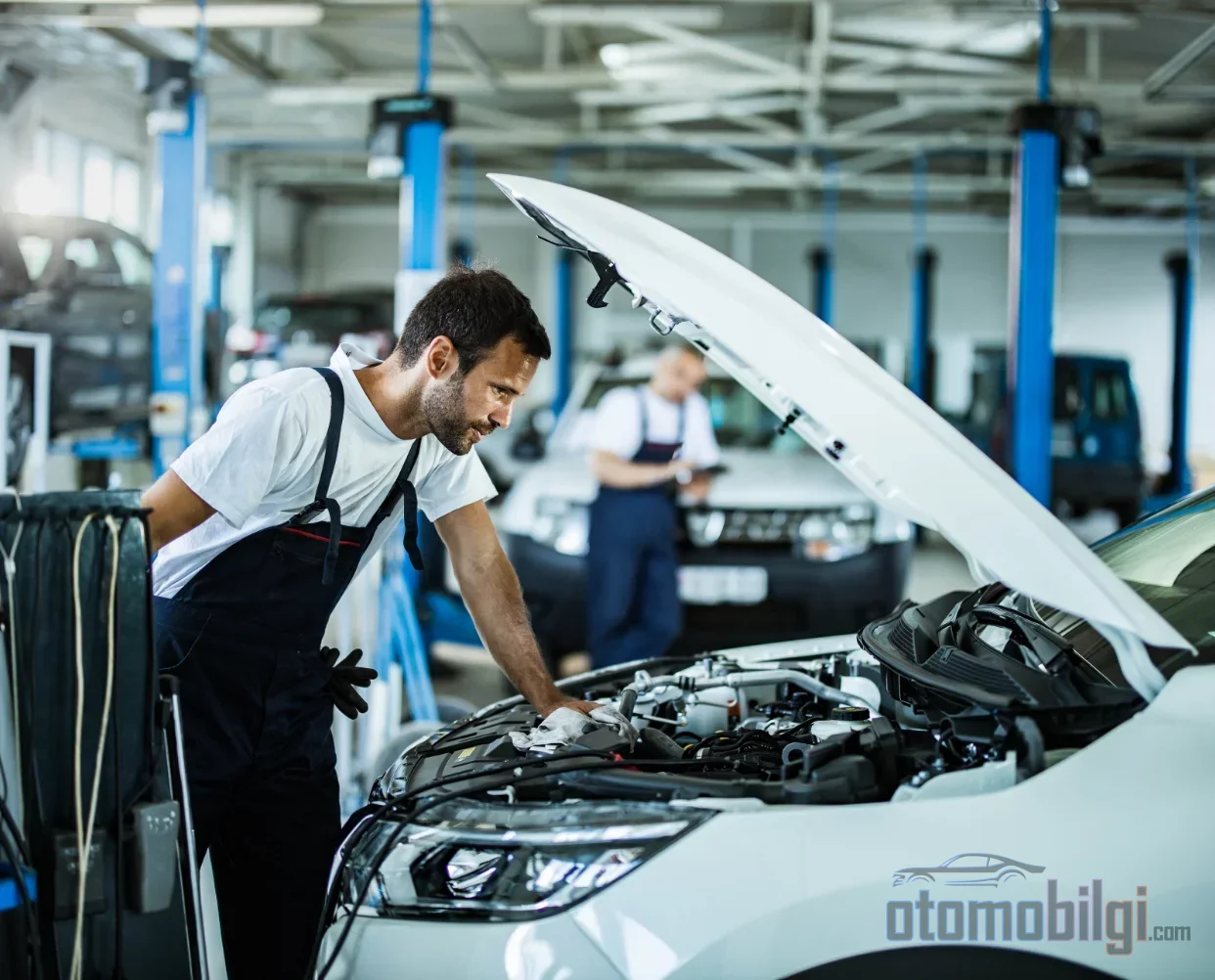
Service sources share a clear finding: when maintenance is delayed, the most vulnerable components are engine oil, brakes, the air filter and the timing belt, and among these, the fastest to degrade is the oil. There is a physical reason for this. Engine oil oxidizes over time; its viscosity deteriorates, its protective film thins and it loses its effectiveness. In other words, oil is a consumable material as much as it is a maintenance item - when its life is complete, it stops doing its job, but it does so silently.
The degradation progresses in distinct stages. First, the old oil begins to collect dirt and combustion residues; metal components enter accelerated wear. The oil darkens, its flow is restricted, and friction begins to heat the engine. At this point, the bearings, timing components and camshafts experience above-normal wear. The final stage is the heaviest: the oil sludges up (sludge), clogs narrow oil passages, strains the oil pump and, in cases of extreme neglect, metal parts can lock up - meaning the engine gives up entirely.
Highlights
- Components that cause problems first when maintenance is delayed: engine oil, brakes, the air filter and the timing belt.
- Modern vehicles typically require an oil change with an interval of 8,000-12,000 km using synthetic oil.
- If a worn timing belt snaps, the pistons strike the valves and the result is usually total engine failure.
- The sequential cost of oil neglect: wear, increased fuel consumption, overheating, sludging, engine seizure.
- When the red warning light comes on, the vehicle should be pulled over to a safe place and the engine shut off.
The first concrete signs of the oil giving up are of the kind most drivers can detect: increased engine noise, ticking sounds, a burning smell, and dark, thick oil on the dipstick. There are also less visible signs: a drop in fuel efficiency and increased emissions. These symptoms appear before the oil warning light comes on; meaning you can hear the vehicle talking to you before taking refuge in the gauge. When the light comes on, however, the right course of action is beyond dispute: the vehicle must pull over to the right and the engine must be shut off.
Regarding change intervals, modern vehicles with synthetic oil usually recommend 8,000-12,000 km; for older models this interval is shorter. Short-distance driving, use in cold climates, towing a trailer, and long idling periods all shorten this interval. A driver who operates in city traffic should expect an oil change earlier on the calendar than a highway driver.
Timing Belt: The Risk of a Single Part Taking Out the Whole Engine
While the damage from oil neglect is gradual, the damage from timing belt neglect is instantaneous. The belt's job is to keep valve timing matched with piston movement; when this synchronization breaks, physics is simple and merciless: the pistons strike the valves. The result is bent valves, cylinder head and camshaft damage, and even broken pistons. When the belt snaps completely, the valves and pistons collide, usually resulting in total engine failure - meaning a complete engine replacement may come into play.
The most common mistake here is tying timing belt maintenance solely to mileage. The belt's life is limited by age as much as by kilometers; once the time interval is exceeded, the risk of unexpected breakage rises sharply even if the belt looks fine from the outside. A vehicle that sits in the garage and has covered few kilometers is a risky vehicle if the timing belt interval has passed.
Let's add two more details. In engines with wet timing belts, using incompatible oil or belt degradation can release debris that clogs the oil pickup screen - meaning a timing belt problem can also spread to the oil system. On the other hand, chain-driven engines are not "maintenance-free": the timing chain lasts longer, but chains also wear out and demand maintenance.
Brake Neglect: A Matter of Safety Before Cost
The price of neglect in oil and the timing belt is paid out of your pocket, but with brakes it is paid directly in safety. The first sign of neglect is usually worn brake pads: first a squeal is heard, and when the pad wears down to its metal part, the squeal turns into a metallic wire sound. When these sounds are heard, intervention means a cheap pad replacement; if ignored, the discs deform and the job turns into a lengthy repair list.
The list of early warning signals is short and worth memorizing:
- A sound progressing from pad squeal to metallic scraping
- Vibration or pulsation in the brake pedal
- A soft, spongy pedal feel
- The vehicle pulling to one side while braking
- Brake or ABS warning lights
A circular lamp showing a "!" symbol or the word BRAKE may signal low hydraulic fluid, an engaged handbrake, or a hydraulic fault. Common causes of failure are worn pads, brake fluid leaks, deformed discs, and ABS faults. This chain has no open end: neglect can escalate to complete brake failure, an accident, and safety risks. Every distance you cover by saying "just a few thousand more kilometers" in brake maintenance is stolen from the distance your vehicle needs to stop.
Spark Plugs and Filters: Silent Causes of Chain-Reaction Damage
The consequences of neglecting spark plugs develop more slowly, but at the end of the clogged chain there are still expensive parts waiting. A weak or faulty spark plug leads to incomplete combustion, i.e. misfiring (misfire) and power loss; in the long run, this can damage the engine. Worn spark plugs can cause a vehicle to fail emissions tests due to unstable combustion and can damage oxygen sensors. A spark plug with the wrong heat range can trigger a chain of outcomes ranging from poor acceleration all the way to catalytic converter damage - the converter is one of the most expensive parts in the exhaust line.
What a faulty spark plug tells the driver is rough idling, strain under load, and misfiring. Add the air filter to this as well: a clogged air filter cannot supply enough air to the engine, feeds incomplete combustion, and makes itself known as a layer of soot on the spark plug. The air filter, the spark plug, and the coolant; these are three critical maintenance points for fuel efficiency and long-term mechanical reliability. Each one is cheap; none of them stays cheap when neglected.
The Cost of a Small Maintenance Delay, the Price of Major Engine Damage
The cost comparison reveals the true bill of neglect. The cost of a routine oil change is far below the potential cost of replacing engine components; a serious engine failure means thousands of dollars in repairs or a complete engine replacement. Turkish service sources paint the same picture: delaying maintenance increases fuel consumption in the first place, while prolonged neglect can lead to irreversible major engine damage. Short-term savings compound and come back in the long run, and neglect can end in failures extending all the way to an engine overhaul. There is also an invisible side to this: a vehicle without a maintenance record loses value on the second-hand market.
| Neglected Maintenance | First Symptom | Outcome of Neglect |
|---|---|---|
| Engine oil | Ticking, burnt smell, dark oil | Sludge buildup, wear, engine seizure |
| Timing belt | Usually silent; the expired interval is the only clue | Piston-valve collision, total engine failure |
| Brake pads | Squealing, then metallic grinding | Disc damage, risk of total brake failure |
| Spark plug | Rough idle, misfiring | Sensor and catalytic converter damage |
| Air filter | Reduced power, sooty spark plug | Incomplete combustion, increased fuel consumption |
The variables that determine maintenance cost are also on the table: model, mileage, preferences for original versus aftermarket parts; engine displacement and vehicle class. For example, the maintenance of a 3000 cc SUV is higher than that of a small-engine vehicle, and the SUV's weight also increases tire wear. Electric vehicles are a separate category in this equation: since they have no timing belt, engine oil, or spark plugs, their major maintenance costs are in the lowest group.
The Vehicle's Early Warning Language: Which Signal Calls for Which Intervention?
The warning lights on the dashboard are the vehicle's early warning language, and the color code indicates the order of priority. When the red light comes on, the vehicle should not continue to be driven; it must be attended to first. The yellow maintenance icon, on the other hand, does not indicate an urgent breakdown but that the time for periodic maintenance has arrived. Beyond the warning lights, there are also general precursors of failure: steering or engine vibrations, a sudden loss of power, abnormal smells and noises, and an unexpected increase in fuel consumption. All of these are the final warnings heard before a part gives up.
Let us add a note of realism: not every neglect leads to the same outcome. There are driver anecdotes circulating about vehicles that were used for extreme mileages without an oil change, merely topped up with oil whenever the light came on. However, these exceptions are not the rule; nor can they be calculated as some kind of tolerance margin, because it is impossible to know which engine will forgive you before the moment of damage. Following the manufacturer's recommendations is the cheapest insurance against this uncertainty.
Answer: Oil Gives Up First, But the Most Expensive Bill May Come from the Timing Belt
The direct answer to the question is this: in a vehicle whose maintenance is neglected, the first component to give way is the engine oil; the oil loses its protective properties, friction and sludging begin, and the damage progresses to the bearings, oil passages and pump. The most vulnerable order is oil, brakes, air filter and timing belt.
But in terms of cost, the truly critical point is here: the price of neglecting oil is a gradual process full of early warning signs; the timing belt, however, often gives no signal at all, snaps unexpectedly once its time interval is exceeded, and produces total engine failure through a piston-valve collision. In other words, oil is the first to give up, while the timing belt can inflict the most expensive damage. The common antidote to both is the same: stick to the schedule and take early sounds and warning lights seriously. The difference between the cost of an oil change and the invoice for an engine overhaul is the true justification for maintenance.
Sources
- What Really Happens When You Skip an Oil Change?
- What Are the Risks of Missing an Oil Change?
- What happens if I postpone my car's maintenance for too long?
- Timing Belt Truth: Prevent Engine Disaster
- The Hidden Risks of Ignoring Brake Maintenance
- Know Your Engine – Read Your Spark Plugs
- Common Mistakes in Engine Oil Use
- What Happens If Periodic Maintenance Is Delayed or Neglected?
- Car Failure Warning Signs
- The cost of neglected vehicle maintenance is becoming severe