What Do the Sounds Coming From Your Car Tell You?
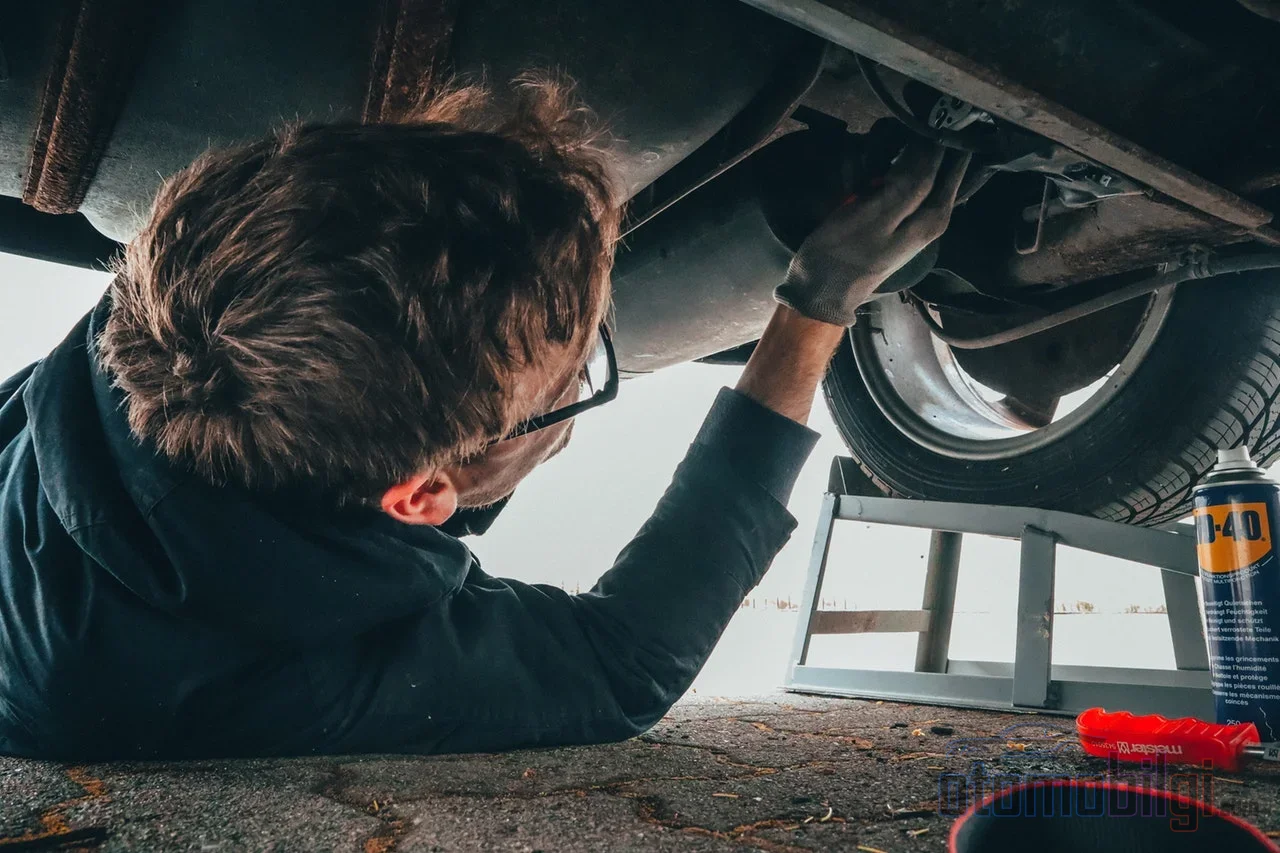
When you first hear that clicking sound rising from the engine as you press the accelerator, we all do the same thing: we listen to the sound, monitor it for a few days, and then postpone. Yet no sound from a machine is accidental. Every click, hum, and squeak is a report from a component given without the language you speak - and reading that report correctly fills the gap that the periodic maintenance schedule cannot cover. That is, the difference between the date the service calls you in and the date the vehicle actually started making noise.
The practical answer to the question of how abnormal sounds from a car are diagnosed rests on three parameters: the type of the sound, the area where it is heard, and how the sound changes with conditions. Speed, braking, and engine temperature alter what the three strongest pieces of information at your disposal are for attributing a sound to a system. This guide shows you which of the four basic sound types to match with which maintenance item, and which situations have no tolerance for postponement.
Clicking: Reading the Source of a Rhythmic Sound by Location
Clicking comes from the movement of a loose or displaced part; not from two surfaces rubbing against each other. This distinction is the first step of diagnosis, because a rubbing sound points to a lubrication or wear problem, while a click tells you that a connection point is failing at its job. The meaning of a click changes completely depending on where it comes from.
Clicking from the engine area
A rhythmic clicking from the top of the engine is mostly a sign of a problem related to the valve or piston area, and the first suspect is always low engine oil. When the oil level drops, friction increases, the engine noise rises, and valve misadjustment turns into a distinct click. A rhythmic tick-tock from beside the engine area that increases as you press the accelerator is the classic sign of an exhaust manifold leak: the manifold gasket or pipe connection has loosened.
Clicking from the undercarriage
Clicks heard on speed bumps or rough roads mostly originate from a worn Z-link (stabilizer bar link), ball joint, or strut mount. The most common culprit for thudding and knocking sounds from the undercarriage is the Z-link; the runner-up candidate is the ball joint. A metallic click most likely comes from wear of the tie rod end or the ball pivot inside the axle boot. If you hear clicking over bumps, look at the Z-link; if you feel play in the steering, look at the tie rod end - this pair of distinctions is the quickest shortcut leading you to the right part.
Clicking heard when turning the steering wheel
A tick-tock sound heard when you turn the steering wheel at low speed or in near-full-lock maneuvers points to the axle joint or the steering linkages. If you also hear a rubbing sound in the parking spot with the wheels turned, the picture grows: the power steering fluid may have decreased or the pump may be worn.
Humming: A Sound That Changes with Speed - Whose Sound Is It?
The classic sources of a hum are a trio: the tires, the wheel bearing, or the drivetrain. To tell them apart, follow the sound's relationship with speed. Tire hum usually becomes distinct in certain speed ranges; In the typical picture reported by drivers, the noise appears between 50–60 km/h and 90–100 km/h. A hum that intensifies as you speed up can also be a sign of a worn transmission or gear assemblies.
A hum that appears when you press the accelerator tells a different story. While it may point to the air conditioning or fan, a hum coming from the engine assembly can herald a flywheel failure; in rear-wheel-drive vehicles, worn differential gears produce the same sound. The common risk of the sounds in this group is this: if left unaddressed for a long time, they cause serious damage to the engine. If an extra hum is heard while the air conditioning is on, the AC compressor wear, a fan motor problem, or a low compressor oil level should be checked.
Highlights
- The most common culprit for knocking sounds from the underbody is the Z-bar, with the second candidate being the bar.
- Tire hum typically becomes noticeable in the 50–60 km/h and 90–100 km/h ranges.
- When the pads wear out, the metal-on-metal scraping sound directly damages the disc; this sound does not allow for postponement.
- A short period of high idle and a different running sound on a cold engine is normal; if a metallic sound persists, a check is needed.
Squeaks and Whistles: Belts, Water Pump and Brakes
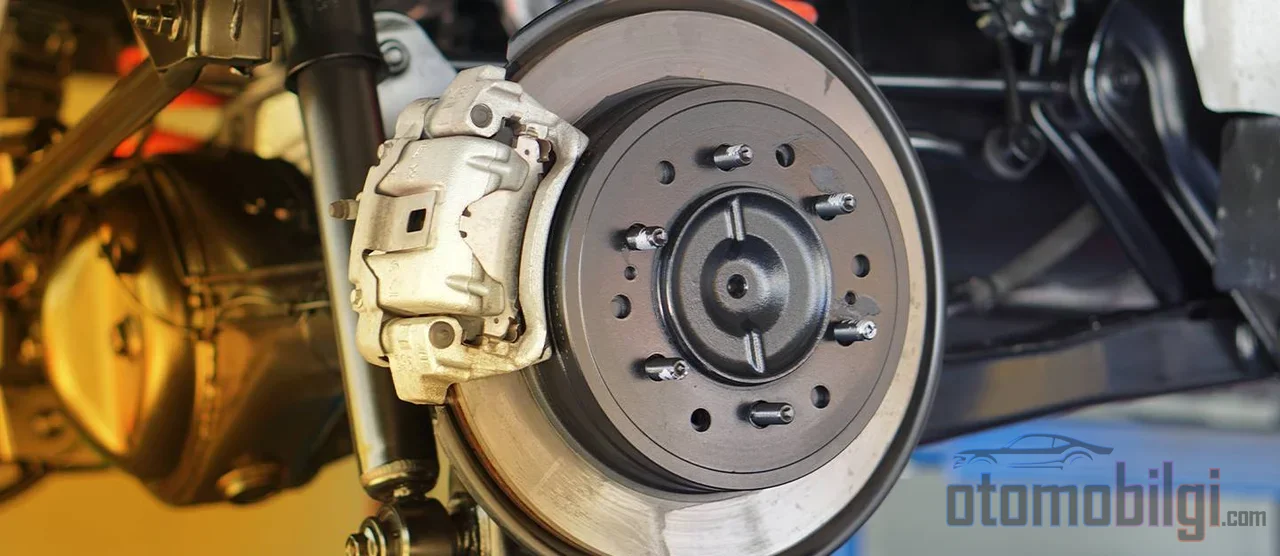
The most common source of chirp-style squeaking is the engine belts. If the alternator, air conditioning, or power steering belts are loose or worn, a high-pitched squeal is heard. The technical cause of high-pitched belt squeal is a worn and glazed serpentine belt, a faulty tensioner, or pulley. Other candidates for squeaks and knocks coming from underneath the vehicle include worn brake pads, slipping V-belts, and suspension components. Squeaks coming from the rear most often originate from faulty rear shock absorbers; loose or damaged parts cause friction.
A whistling sound carries a separate meaning in turbocharged vehicles: a whistle is heard when the turbo hose leaks, and an injector fault or an air intake problem can also produce the same sound. The whining of the water pump tells that the pulley or internal bearings are worn - a cooling system failure cannot wait, because if the pump stops, the engine overheats.
When is brake squeal serious?
Brake squeal on its own does not always mean a serious fault; normal wear and environmental factors - such as dust buildup - can also cause squealing. A drum brake assembly that loses its tension over time also makes noise when the brakes are applied. Pad glazing caused by overheating, as well as poor-quality or incompatible pads, also produce loud braking.
The danger threshold is the point where the type of sound changes. When the squeal gives way to a metallic grinding sound, it is understood that the pads are completely worn and the metal backing plate is rubbing directly against the disc; this condition damages the disc surface. The most common cause of the grinding sound is already excessively worn brake pads. Along with a metallic sound, if you notice long braking distances, decreasing braking performance, or the brake warning light, the vehicle must not be driven.
Knocking and Metallic Rubbing: Which System Is It Coming From?
There are three main sources of knocking from under the vehicle: looseness at the chassis connection points, exhaust system faults, and suspension play. Brake knocking arises from brake disc or pad wear, a loose caliper, or a warped disc. Knocking from the engine, on the other hand, has deeper causes: wrong fuel, internal engine wear, or an ignition timing problem.
The map of metallic rubbing is also clearly drawn. Rubbing from the front wheel points to pad wear or a stone jammed in the wheel; rubbing from the rear wheel stems from a handbrake mechanism problem or drum wear. Rubbing heard in reverse usually indicates transmission or differential wear; a foreign object jammed underneath can also make the same sound.
| Sound type | Typical source | Maintenance item to check |
|---|---|---|
| Ticking (top of engine) | Low oil, valve adjustment, exhaust manifold leak | Engine oil |
| Ticking (over bumps) | Tie rod end, tie rod, shock absorber mount | Suspension |
| Humming (increasing with speed) | Tire, bearing, differential | Tire / drivetrain |
| Squeaking (screech) | Loose or glazed belt, tensioner | Belt |
| Metallic rubbing (on the brakes) | Pads worn out, rubbing against metal disc | Brakes |
| Knocking (in the engine) | Wrong fuel, internal wear, ignition timing | Fuel and ignition |
How the Sound Changes with Conditions: Speed, Braking, and Temperature Clues
The same sound carries different meanings under different conditions; that is why the final layer of diagnosis is to monitor when the sound changes. Suspension noises usually become noticeable at low speed, on rough roads, or with steering movement - if the undercarriage sound disappears on a smooth road, that is already a strong clue. Brake-related noises, by definition, are heard only when the brakes are applied; this is enough to confine the source to the brake system.
Engine temperature also provides a distinction. Brief high idle and a different running sound on a cold engine can be normal; in diesel engines, idle fluctuation when cold is a common occurrence stemming from the operating principle. However, if abnormal metallic sounds persist after the temperature returns to normal, a check is essential. Idle fluctuation that appears once the engine reaches temperature usually points to the engine coolant temperature sensor, oxygen sensor, or intake manifold. Causes of a loud-running engine at idle include friction increased by low oil, engine noise raised by dirty oil, and ticking produced by valve misadjustment.
Fluid leakage is also the silent complement of sound diagnosis. Fluid pooling under a parked vehicle can indicate a leak of engine oil, brake fluid, or steering fluid; the color and consistency of the fluid help determine the source. Checking under the vehicle on the day you hear the sound combines both clues in the same picture.
Which Sounds Require Immediate Action?
Not every sound carries the same urgency, and making the right distinction is decisive for both your safety and your wallet. The situations that cannot tolerate delay are clear: metallic brake friction, declining braking performance accompanied by long braking distances, and the brake warning light. These indicate that the pads are worn out and the metal backing plate is grinding directly against the disc; every additional kilometer writes extra damage onto the disc surface.
The second group that cannot be postponed consists of rapidly growing risks: flywheel or differential humming and knocking from the engine can cause serious damage to the engine if left unaddressed for a long time. A feeling of play in the steering is also a delayed alarm; a worn tie rod end delays the steering response during sudden maneuvers. Although suspension noise may seem like a comfort issue, it is actually a safety warning.
In contrast, brake squeaking on its own, a short-term different operating sound in a cold engine, or diesel idle fluctuation can remain within normal limits. The distinguishing question is this: does the sound have a logical explanation once conditions change? If it does, note it under the periodic maintenance items (oil, belt, suspension, brakes) and carry it to the next service visit. If it does not and the sound persists, every small fault that is postponed turns into a large and costly problem - this is the most concrete economic rule of sound diagnosis. The ear is the sensor that fills the early warning gap left outside the maintenance schedule; taking it seriously is the cheapest habit that extends the life of your vehicle.
Sources
- Sound Problems in Vehicles: What Does Each Sound Mean?
- Sounds Coming From Your Car | Oilmarkt Engine Oils
- Clicking Sound From the Car - What Could It Be? | ArızaRehberim
- Why Does a Car Make a Humming Sound? Which Parts?
- Causes of Clicking and Squeaking Sounds From the Vehicle's Suspension
- Why Does the Suspension Make a Clicking Sound?
- Why is there a clicking sound when turning the steering wheel?
- Why is there a Squeaking Sound When Braking?
- Causes and Solutions for Squealing Brake Pads
- Grinding Brakes: Common Causes and Why Waiting Can Get Expensive