What Do Stations Check During Vehicle Inspection?
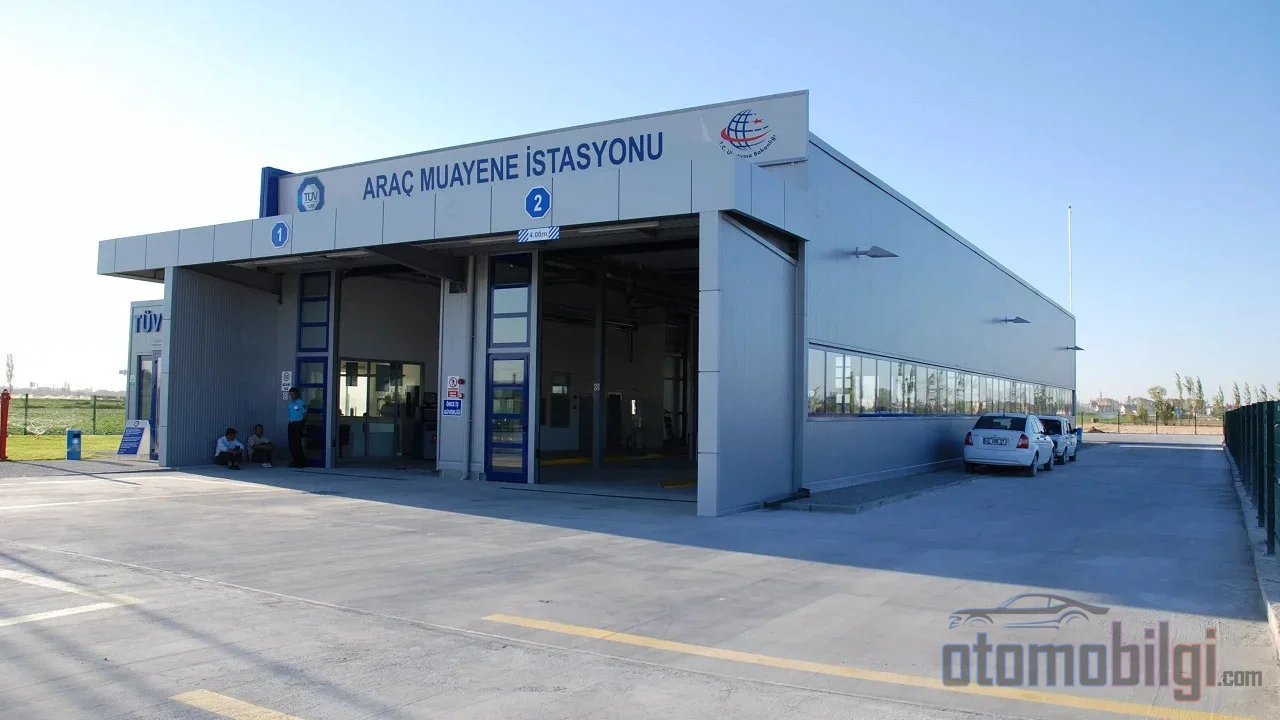
For most drivers entering the inspection station, the process is a kind of black box behind the door. You hand over the vehicle, a few minutes later the wheels run over a device, someone inspects under the car, someone places a tool in front of the headlights. In the end, you either hold a compliance certificate or a list of defects. In fact, nothing there happens randomly; every step has a device, every device has a measurement, and every measurement has a threshold value. On this page, we explain step by step how the station examines the vehicle during vehicle inspection, which test measures what, and which condition leads to which result.
There is a lot written about preparation checklists; what is truly missing is an account that explains the process itself on the inspection line. Let's fill that gap.
How Does Inspection Start, and In What Order Does It Proceed?
First, the framework of the process: Vehicle inspection is the determination of the technical sufficiency and road safety compliance of vehicles driven in traffic; it is a legal obligation carried out at authorized stations. The appointment is made online, but the process cannot begin until the vehicle's debts such as traffic fines, MTV, or HGS/OGS are paid, and a valid Mandatory Traffic Insurance policy is required. Your name is announced at the station, you move to the inspection line, and the inspection begins.
The order on the line is largely known: first the brake deceleration (roller test), then the suspension shake test, light measurement with the headlight aiming device, exhaust emission measurement, and finally the underbody and chassis check of the vehicle on a lift. Electric vehicles are not exempt from this flow either; safety checks for brakes, lighting, steering, axles, and wheels are applied to them exactly the same way.
Highlights
- In the brake test, the left-right braking deviation must not exceed 30%.
- Use of poor-quality LED bulbs in a reflector-type headlight counts as a major defect.
- Of the 7.9 million vehicles that entered inspection in the first half of 2026, 1.6 million came out with major defects.
- The most common failure points are lighting and brake systems.
- A vehicle that fails is entitled to a free retest at a fixed station in the same province within 30 days.
Brake Deceleration Test: Power Measured on Rollers
The brake test is performed by placing the vehicle on the rotating rollers of a brake tester device, called rollers, with wedges. Each wheel is tested separately; the device measures the front, rear, right, left, and hand brakes in order. As a result, for each wheel, the braking force, the force deviation between left and right (asymmetric braking), and the holding ratio are revealed as percentages. In addition to these, the inspection team checks the condition of the pads and discs, the brake cylinders, the hoses, and the vehicle's deviation during braking.
The criterion is clear: the deviation rate must not exceed 30%. In practice, this means the vehicle pulling to one side when you press the brake; as the difference between the braking forces of the right and left wheels grows, the vehicle veers off its path and the test scores low.
Which Brake Conditions Are Major Defects?
- Brakes not working at all
- A leak in the brake fluid
- The hand brake not performing its function
These are items that do not accept repair debate; the vehicle is severely defective, meaning it is considered unsafe for traffic. ABS check is also part of the inspection. Knowing that the brake system is one of the most common reasons for failing inspection at stations, there is only one thing to say: before the inspection date, do not go to the crowded service shop, but to a master who knows brake work.
Suspension Shake Test: Shock Absorbers on Trial with Vibration
In the suspension test, the vehicle is placed on a specially designed vibration platform. The system transmits vibration to the shock absorber system from four different areas and measures how quickly the shock absorbers dampen this vibration. If the transmitted shake continues for a long time, the shock absorber is fatigued; this is a serious matter for both road grip and braking distance.
Before measurement with the device, a visual inspection is also performed: oil leaks in shock absorbers, cracks or wear in springs, and looseness in connection elements are looked for. This two-stage check captures more than the number the device alone could give.
The part in the reader's hands is this: before the test, tire pressures must be at factory values and there must be no excessive load in the trunk. A loaded trunk and incorrect pressure can distort the measurement of even a healthy suspension.
Headlight Adjustment Device Light Measurement: The Section Where Most Failures Occur
The headlight adjustment device is a testing device placed in front of the headlight that measures the tilt and intensity of the light beam. The device's own calibration must be done according to the accepted reference values; measurement is serious business, not a matter of eyeballing.
During checks, whether the headlight is set too low is examined - a low beam narrows the field of vision in the dark, and this is a safety criterion that is taken lightly. Uneven distribution of light to the right and left, and both headlights pointing in different directions, are also problems. A fault in the warning lights on the dashboard is directly a severe defect; this requires extra attention.
Do LED Headlights Pass Inspection?
The answer to the frequently asked question: the use of poor-quality LED bulbs in a reflector without a lens is considered a severe defect on the grounds of "incorrect light-beam direction". Ice blue or blue LED bulbs are also problematic. Lensless LED or Xenon headlights are among the procedures that must be reverted to the original. In other words, it is not about installing an expensive bulb; the headlight must be configured entirely correctly.
When it comes to lighting, it is not only the headlights either: brake lights, hazard lights, and reverse lights are checked for operation. Elements affecting visibility such as mirrors, wipers, and windows must not be broken or missing.
Exhaust Emission Measurement: Legal Framework and Fee
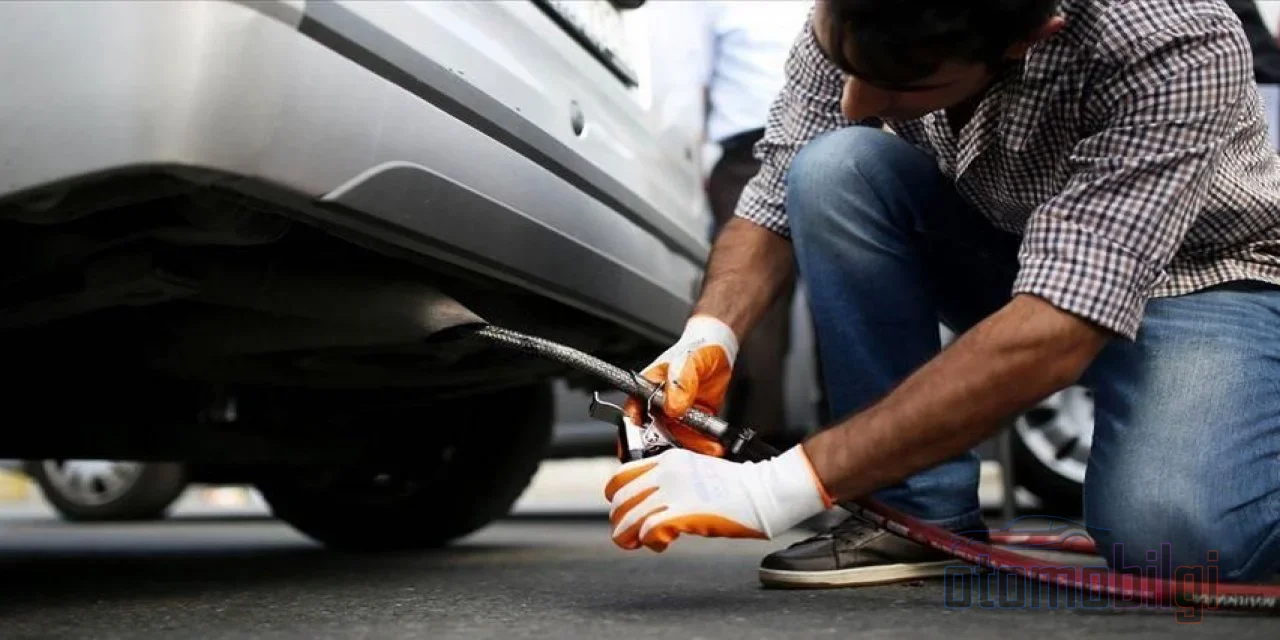
In the visual check of the exhaust, the exhaust pipes are expected to be solid and the mufflers free of leaks. The emission measurement itself can be performed at the inspection station or authorized private services; a valid report is mandatory. In private and official automobiles, the measurement is done at the end of the first three years, then every two years; in other vehicles, it is done at the end of the first year. In 2026, the exhaust emission measurement fee has been set at 460 TL for all vehicles.
Loud exhausts are the classic victims of this stage: Varex-type exhausts are among the modifications that must be reverted to stock.
Chassis and Undercarriage Inspection: What the Eye Sees, What the Machine Cannot
The vehicle's underside - chassis, exhaust system, fuel line and general undercarriage - is visually inspected; leaks and damage are looked for. Weakened or damaged chassis parts directly endanger road safety. A damaged front bumper guard counts as a serious defect. Hydraulic leaks on the steering side and wear or cracks at connection points also fall under serious defects. Checking the noise level is also part of this section.
The things to watch out for on modified vehicles are clear: cut or heated springs, incorrect signal colors (blue, white), offset wheels protruding beyond the fender, a color change of more than 30% not recorded on the registration, and removing the airbag to fit a sports steering wheel - all are items that must be reverted to stock. In return, window tint films, securely mounted spoilers and side skirt additions, wheels that do not protrude beyond the fenders, and sound systems do not affect the inspection.
Mandatory Equipment and Defect Categories
There are also items checked inside the vehicle: a first aid kit, 2 warning triangles, a fire extinguisher, and a spare tire or tire repair kit. Missing items usually count as minor defects, but a minor defect is still a defect; completing them takes five minutes.
The inspection result falls into one of three categories: defect-free, minor defects, or serious defects/unsafe. The figures for the first half of 2026 are striking: of the 7.9 million vehicles inspected, 1.6 million came out with serious defects. Lighting and braking systems top the list of problem areas - that is, the two tests we described at the top of this article.
What Happens If You Fail the Inspection?
The short and clear answer: A vehicle found to have a serious defect during inspection can undergo a free re-inspection once, within 30 days, at a fixed station within the same province. There is a right to a retest, but it is wise not to leave the faulty part until the last day of that 30-day period; the stations' warning is along the same lines. For every month past the inspection deadline, a late fee of 5% of the inspection fee applies; the fine for driving without an inspection has been raised to 2,719 TL in 2026.
Conclusion: The Myths Destroyed by the Machines
In the past, people talked about "making a deal with the mechanic" during inspections; now you have brake rollers, a vibration platform and a calibrated headlight aiming device in front of you, and none of them respond to sleight of hand. The measured values are clear: brake deviation must stay under 30%, the beam must rise at the correct angle, the shock absorbers must dampen the vibration, the chassis must be intact. If you have your vehicle checked against these four criteria a week before the inspection, the chance of surprises on the line is significantly reduced. The inspection is an exam where the well-prepared doesn't pass - the vehicle that meets the measurements does. That is the difference.
Sources
- Vehicle Inspection Guide, TÜVTÜRK
- What Is Checked in a Vehicle Inspection? A Detailed Guide
- What Does TÜVTÜRK Check in a Vehicle Inspection?
- How Is a Vehicle Inspection Performed? The Process at the Station
- Exhaust Gas Emission Measurement Tracking System
- Brake Test
- What Is a Suspension Test
- Will LED Headlights Pass the Inspection?