Can Fast Charging Degrade a Hybrid Battery?
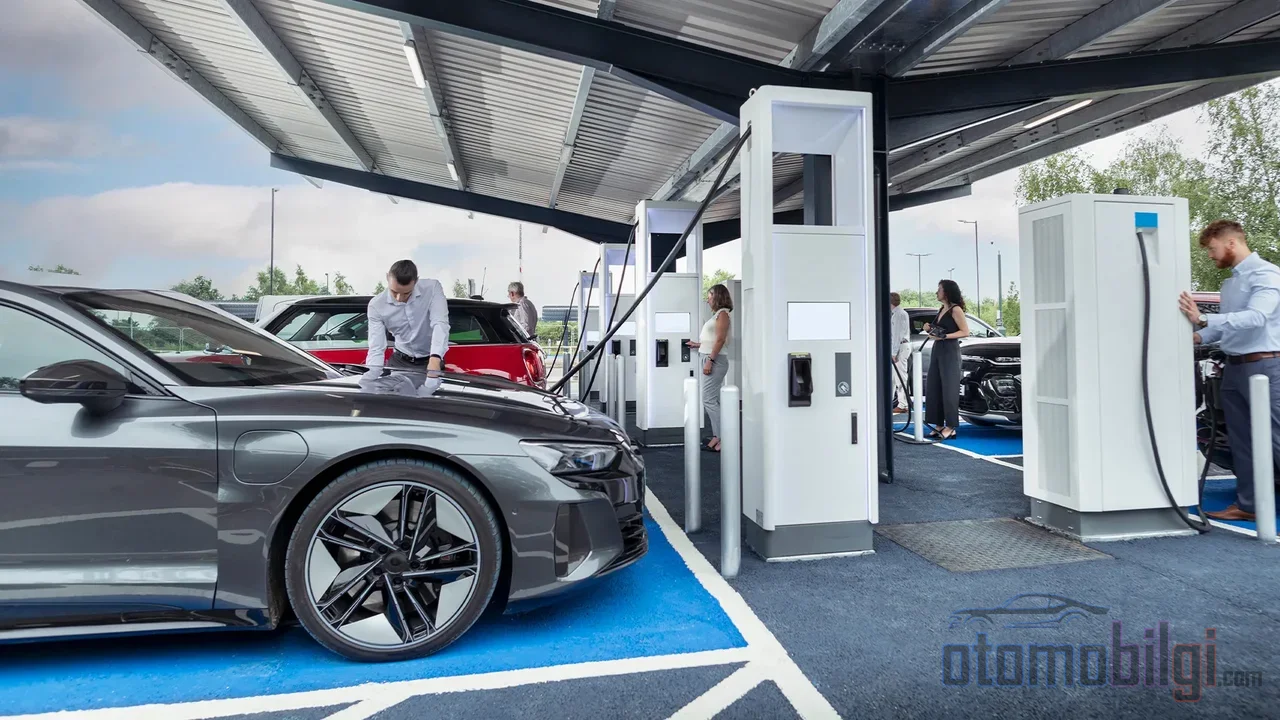
What we love most about daily convenience may be what the battery hates the most. Pulling into a station and filling up to 80% in the time it takes to drink a coffee is practical; but when that same convenience is repeated every day, heat and chemical stress accumulate inside the cells. So does fast charging really wear out a hybrid battery, or is this concern exaggerated? The answer is not a single yes or no - what matters are measurable variables such as charging power, frequency and the charging window. In this article, we put each of these variables on the table one by one.
Highlights
- Real-world usage data from more than 22,700 vehicles shows the average annual battery capacity loss to be 2.3%.
- In vehicles that intensively use DC charging above 100 kW, this figure rises to 3.0%, while it stays around 1.5% for mostly AC charging.
- AC charging of up to 22 kW causes no measurable damage to the battery; the problem begins with the regular use of DC fast charging at 50 kW and above.
- Charging every day does not kill the battery: heavy usage increases annual capacity loss by only 0.8%.
- The real culprit is not fast charging, but leaving the battery sitting at full charge or fully empty for long periods.
What does fast charging do inside the cells?
The working principle of a lithium-ion cell is simple: ions travel back and forth between the cathode and the anode, and this movement stores energy. The problem arises when this movement is pushed too fast. High voltage and high current generate heat during charging; and that heat degrades the cell in two ways. First, it disrupts the chemical structure of the electrolyte; second, it accelerates the formation of deposits that cause ions to solidify on the anode surface. Both permanently reduce the amount of energy the cell can hold.
This is where the battery management system, or BMS, comes into play. Its job is to monitor temperature and current to keep the charging rate within a safe band. In a vehicle equipped with a healthy thermal management system, the effect of DC fast charging remains limited; but if the BMS is faulty or the cells cannot be cooled adequately, temperature can climb to harmful levels. This is why it is a well-known fact that excessive heat damages cells and shortens their life - a battery of a car parked indoors in summer ages faster than one parked in the shade.
The effect of fast charging in numbers: how much wear does it cause?
To understand the scale of the problem, we need to look at real-world data. A large-scale battery health analysis updated in early 2026, examining telematics data from more than 22,700 vehicles across 21 brands and models, reveals that the picture has clearly changed: average annual capacity loss stands at 2.3% - an increase of 0.5 percentage points compared to the previous year. Researchers attribute this increase to a single factor: the spread of DC fast charging above 100 kW.
The difference is clearly visible in scale. Vehicles that intensively use high-power DC charging lose up to 3.0% of capacity per year, while those that mostly use AC or low-power charging stay around 1.5%; roughly twice as much. For comparison: even use in hot climates creates additional loss of only 0.4% per year. Charging power has overtaken climate as the strongest operational factor affecting battery health.
Small-scale laboratory comparisons also point in the same direction. In an experiment where two identical models were driven 50,000 miles (approximately 80,000 km), one charged with AC and the other with DC, the AC-charged vehicle lost ~24.5% of capacity while the DC-charged vehicle lost ~27% - meaning the difference is approximately 16% faster degradation. There is a nuance worth noting: this experiment was conducted under extremely hot conditions, and heat amplifies the harm of DC charging. Indeed, another analysis examining more than 12,500 vehicles found no significant difference between those who used DC charging more than 90% of the time and those who used it less than 10%. The summary is this: if thermal management is healthy, the effect is moderate; combined with heat, it becomes dramatic.
So does this issue apply to full hybrids?
The short answer: no, because full hybrids have no charging plug to connect. Conventional hybrids charge their small batteries themselves using energy produced by the engine and regenerative braking; there is no such thing as plugging in at a station in their world. Therefore, the debate about DC fast charging's battery stress applies to plug-in hybrids (PHEVs), which have large batteries and are plugged in.
On the PHEV side, the picture becomes clearer. Regular DC fast charging shortens the expected battery life of a plug-in hybrid; most experts also agree that repeatedly charging the battery to 100% shortens its life. That said, strict daily charging rules are no longer as critical as they once were: loss of value only becomes noticeable when the battery is kept unusually, constantly fully charged or fully empty. No significant increase is observed in vehicles that regularly use a wide charging range. For the PHEV driver who does daily driving within the electric range, the practical goal is to keep the battery in the 20-80% range and rely on AC charging as much as possible.
At what frequency does fast charging become a problem?
Distinguishing the charging levels solves half of this question. The terminology can be confusing because "fast charging" can describe two different things:
- AC fast charging (7-22 kW): Charging done with a wallbox at home or at work. A power of 22 kW fills a 60 kWh battery in about 3 hours. The harmful effect on the battery of fast charging up to this level has not been measured.
- DC fast charging (50 kW and above): Charging done at high-voltage stations. A 150 kW fast charger fills the same battery in about 30 minutes. Regular use increases degradation somewhat.
The measurable answer to the frequency question is consistent with this distinction: charging every day does not kill the battery; high usage adds only 0.8% to annual degradation, and this small cost pays off easily when you consider that the vehicle gains daily usability. The problem is using high power where it isn't needed. The only behavior that makes a measurable difference in long-term battery health is choosing the lowest charging power that meets operational needs. In other words, if you can fill up overnight with AC, there is no technical reason to go to a fast charging station in the morning.
Why is charging to 100% and letting it sit fully idle risky?
The SoC (state of charge) window is just as decisive as fast charging itself. Extensive data analysis shows that degradation accelerates only if vehicles spend a lot of time at charge levels above 80% or at very low levels. A battery starts with 100% SOH; when a 60 kWh pack drops to 80% SOH, it effectively behaves like 48 kWh, and the electric range shortens proportionally. A battery left sitting fully charged for long periods approaches this value faster.
The exception depends on the chemistry: lithium iron phosphate (LFP) batteries can handle regular 100% charging with minimal negative effect; for conventional lithium-ion cells, the 20-80% band is the safer choice for longevity. The common rule is this: charging to 100% may make sense before a long trip, but letting the battery sit fully charged or nearly empty for days is the habit that causes the greatest damage to the cells.
Battery health: warranties, costs, and technology choice
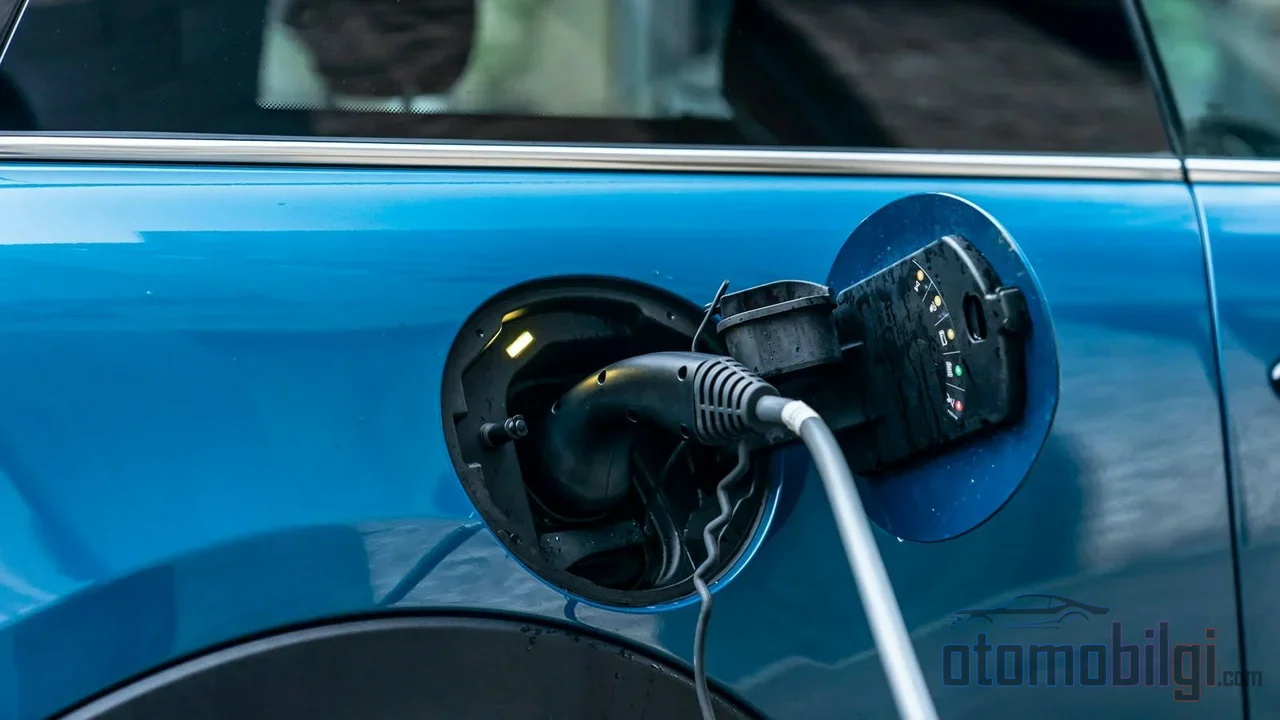
The financial side of the hybrid battery issue should also be as clear as the reader deserves. Hybrid battery warranties on the market are generally above the 8 years / 100,000 miles federal requirement; some manufacturers offer protection up to 10 years / 150,000 miles. Replacement costs span a wide range: while most mainstream hybrid packs range between $2,000-4,000, the average range is $2,000-8,000; some large plug-in packs can start from $13,000 and go up to $25,000. This picture shows that every habit that slows wear is directly reflected in your wallet.
| Feature | NiMH | Lithium-ion |
|---|---|---|
| Cost | Cheaper | More expensive |
| Energy density | Lower | Higher, lighter |
| Charge cycle endurance | More | Less |
| Operating temperature range | Wider | Narrower |
| Typical lifespan | Long | Typically 10+ years |
Most older hybrids use nickel-metal hydride (NiMH); newer generations have switched to lithium-ion due to its energy density. NiMH cells tolerate more charge cycles and a wider temperature range, which makes them relatively forgiving of fast charging stress. Lithium-ion, on the other hand, has become practically mandatory in PHEVs because it carries more energy at the same weight. This is where the concern about cold weather comes in: extreme cold affects charging times and range in the short term, but this is temporary; the chemical reactions slow down, but the cells are not permanently damaged. It is not cold but extreme heat that carries the risk of permanent damage.
Practical tips for PHEV drivers at high-voltage stations
Protecting battery health is simply a matter of reorganizing your daily habits. Here's a short list of what to do in practice:
- Do your daily charging with AC as much as possible, via a wallbox at home or work; use fast charging only when you really need it.
- Keep the battery within the 20-80% range; save the charge to 100% for before a long trip, and don't leave it fully charged during long periods of inactivity.
- Don't wait past 80% during rapid charging: charging automatically slows down after this point, and the advantage of fast charging is gone.
- Park in the shade in extreme heat; precondition the battery before charging in cold weather.
- Follow the manufacturer's charging guidelines; know the warranty terms.
The conclusion is clear: fast charging doesn't ruin the battery in one go, but making high-power DC charging a habit can double the annual wear. Modern battery management systems largely keep this stress under control; yet the measurable difference lies hidden in the choice of charging power. Choosing the lowest sufficient power, keeping the 20-80% window, and not leaving the battery at the extremes - three simple rules that mean a decade of battery life.
Sources
- EV Battery Health Study: New Data on Fast Charging & Degradation
- Does fast charging affect EV battery life?
- Does DC Fast Charging Damage EV Batteries?
- Hybrid Battery Health: 7 Pro Tips
- How Often Do You Have to Charge a Hybrid Car?
- What's the Difference Between Hybrid and Plug-In Hybrid
- Does Cold Weather Damage Toyota Hybrid Batteries?
- Car Warranty Coverage for Hybrid and EV Batteries
- Best Extended Warranty for Hybrid Vehicles (2026)
- NiMH vs. Li-ion Hybrid EV Batteries