Hybrid Battery Warranty and Replacement Cost
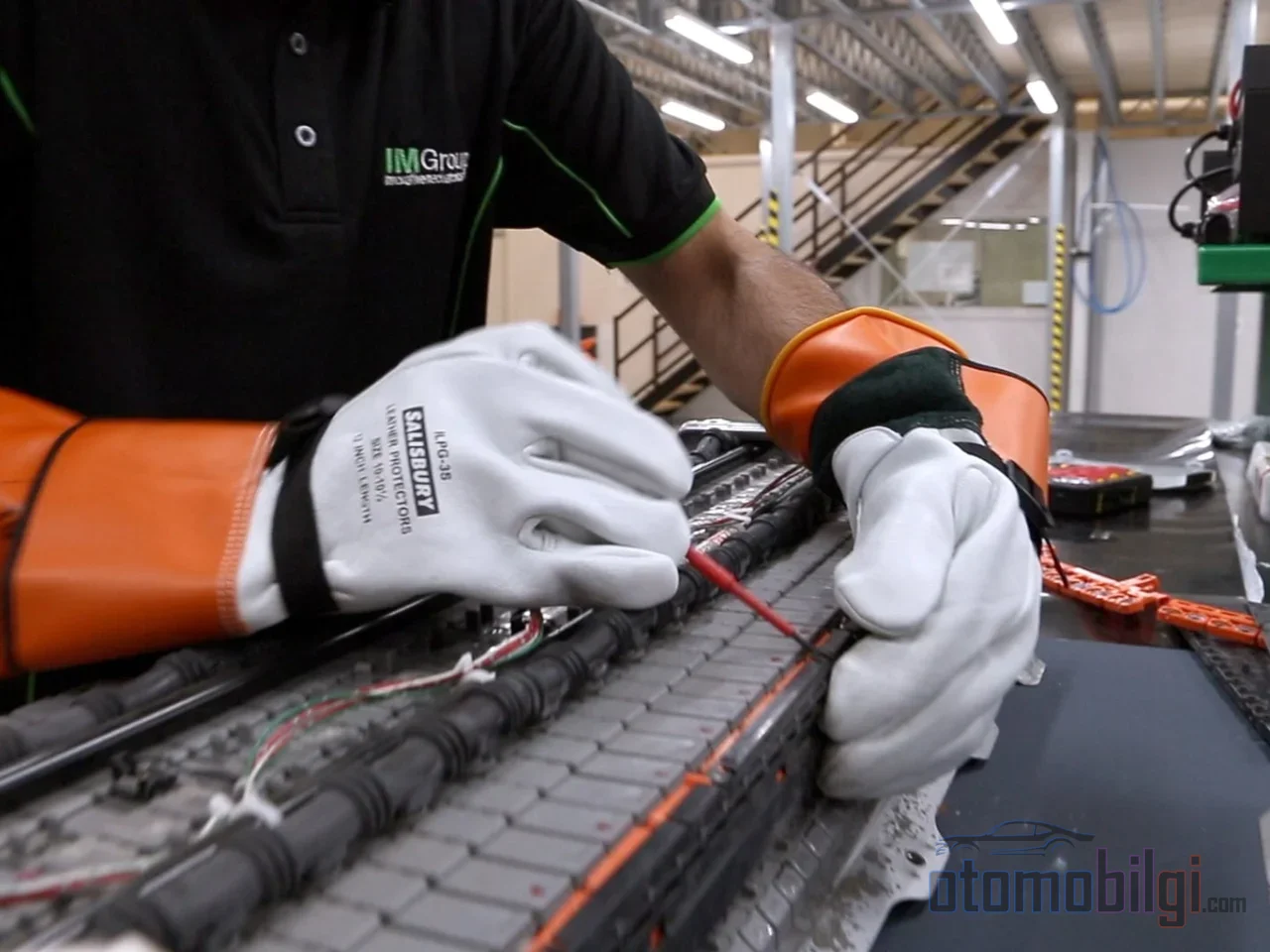
The most expensive single component of a hybrid, the most disputed clause in the warranty document, and the second-hand buyer's first question all meet at the same point: the high-voltage battery. Manufacturers give this package commitments extending to eight, ten and in some cases even fifteen years; yet the question in buyers' minds does not change - what happens when the warranty ends, and how much money does a genuine replacement set you back? The answers to these two questions are drawn with clearer boundaries than one might think.
How Many Years and How Many Kilometers Does the Hybrid Battery Warranty Cover?
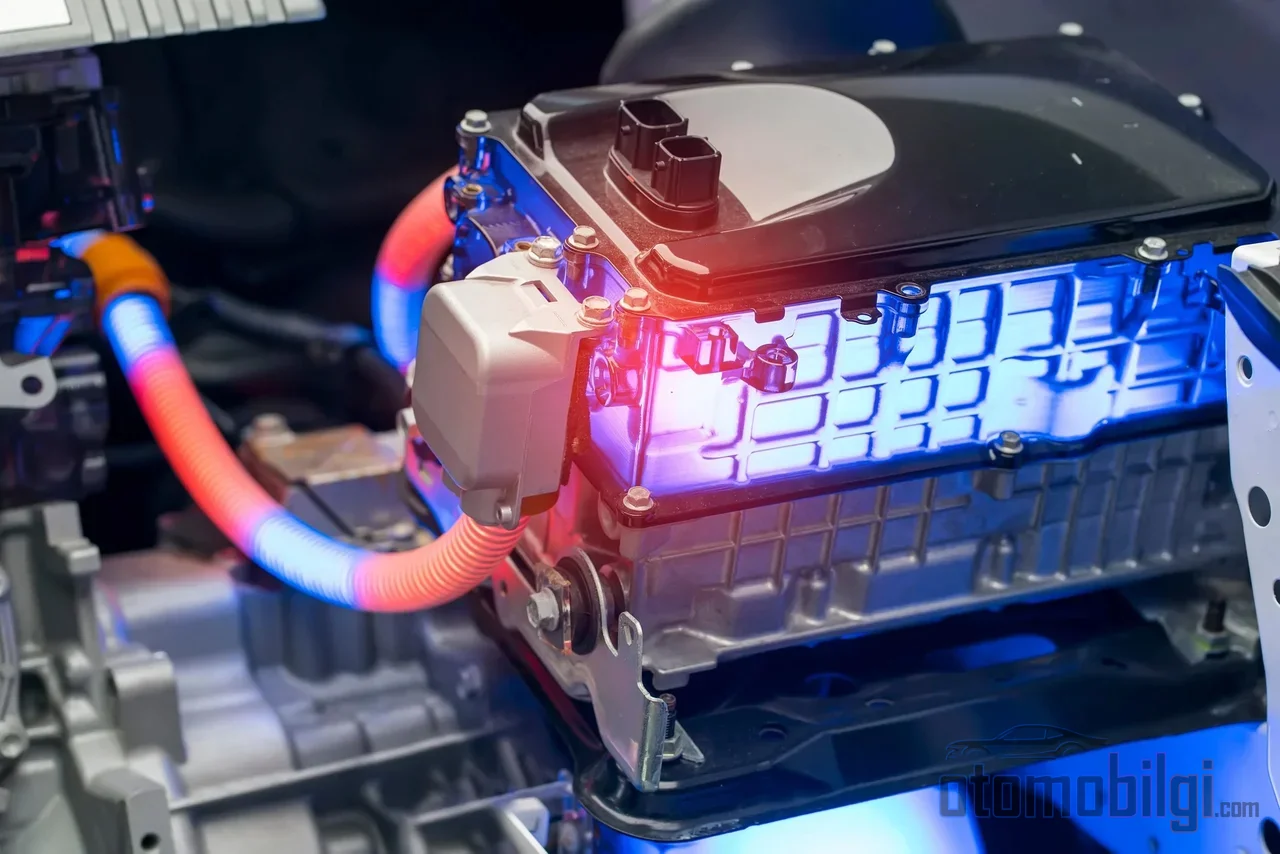
The industry's baseline is well known: most manufacturers give hybrid and electric vehicle batteries a warranty of at least 8 years or 100,000 miles (approximately 160,000 kilometers), and whichever comes first is where coverage ends. It needs to be emphasized that this duration is no coincidence: legislation in force in the US forces manufacturers to provide this minimum period for the hybrid battery. California's stricter emission rules (the CARB framework), in turn, form the basis of longer commitments in some vehicles.
Manufacturers place their own commitments on top of this baseline, and the picture diversifies considerably:
| Manufacturer | Hybrid battery warranty | Note |
|---|---|---|
| Toyota (models after 2019) | 10 years / 150,000 miles | Hybrid system warranty is 8 years/100,000 miles; additional coverage for the battery |
| Toyota (2019 and earlier) | 8 years / 100,000 miles | Other high-voltage components have different periods |
| Hyundai | 10 years / 100,000 miles | Traction battery and primary HV components; includes a 70% capacity commitment |
| Stellantis (CARB vehicles) | 10 years / 150,000 miles | Only in vehicles sold or certified under CARB rules |
This table brings two practical conclusions with it. First, even the same manufacturer's warranty period can vary by model year and sales region; generalizing without reading the warranty booklet would be misleading. Second, the hybrid battery warranty is longer than most powertrain warranties - manufacturers are making the most expensive component the most protected component.
Highlights
- Standard baseline: 8 years / 100,000 miles; Toyota and Hyundai extend this to 10 years and, in some vehicles, to 150,000 miles.
- Capacity threshold: most warranties kick in when capacity falls below 70% of the original.
- Out-of-warranty replacement cost: typically $2,000–$8,000; Popular models' package prices are on the cheaper side.
- Example quote: a dealer can quote $2,700 for a replacement in a Toyota Prius.
- A 15-30% range loss in cold weather is normal and does not affect warranty coverage.
When Does Capacity Loss Fall Under Warranty?
This is the most misunderstood aspect of hybrid battery warranties. Every warranty covers defective materials and workmanship; in contrast, the battery's natural, gradual capacity loss is usually excluded from coverage. So where is the line in between? The answer lies in the capacity threshold defined in the warranty booklets: if the battery's State of Health falls below typically 70% of its original capacity within the warranty period, the pack becomes a candidate for repair or replacement even if the vehicle is operating normally.
Hyundai is one of the manufacturers that puts this commitment explicitly in writing: the battery will retain at least 70% of its original capacity for 10 years/100,000 miles; if it drops below this threshold due to a defect, the pack is repaired or replaced. On the Stellantis side, the 70% threshold is also defined as the trigger point. Honda covers abnormal capacity loss in the HV battery with its limited 8-year/100,000-mile warranty - the emphasis is on the difference between natural aging and abnormal loss.
Let's look at the numbers to see how tolerant this coverage is in practice: high-voltage packs lose roughly 5-10% of their lifespan in the first five years under normal use; some data points to a 10-20% loss within the first 5-8 years. In other words, for most of the warranty period, a typical battery sits at a considerable distance from the 70% threshold. The threshold is a safety net positioned to catch exceptional degradation; it is not something that addresses the average user's fear.
What Remains Outside Coverage?
Knowing the limits of warranty coverage is just as important as the coverage itself. In Hyundai's example, the high-voltage coverage includes the traction battery, hybrid starter/generator, power control unit, and dedicated transmission components. One point in particular is frequently confused: the 12-volt auxiliary battery is not covered by the hybrid battery warranty; it is subject to the standard new vehicle warranty.
- Damage caused by negligence, lack of maintenance, or non-original parts is not covered.
- Warranty repairs must be performed at an authorized dealer.
- The use of aftermarket parts does not automatically void the warranty; however, damage directly caused by that part remains outside coverage.
Transfers also work in the buyer's favor: while Hyundai's standard powertrain warranty drops to 5 years/60,000 miles for subsequent owners, the 10-year/100,000-mile hybrid battery warranty remains valid for the second owner as well. This is why one of the most valuable questions to ask when buying a used hybrid is the battery's warranty status.
Is Full Hybrid Warranty Different from Plug-in Hybrid Warranty and Replacement Cost?
In terms of warranty structure, the two hybrid types largely fit into the same framework: the year/mileage limit and capacity threshold logic apply to both. The difference emerges in the battery's physical size and therefore in the replacement bill. A plug-in hybrid's battery is noticeably larger than a full hybrid's - capacity is usually discussed at over 8 kWh - and a larger pack means a more expensive replacement. The fact that a full hybrid charges itself while driving, while a plug-in hybrid charges by being plugged in, is a natural consequence of this capacity difference.
This distinction is also useful in used vehicle evaluation: since a full hybrid's battery is smaller and more common, its replacement cost stays at the lower end of the range, while the same failure scenario in a plug-in hybrid produces a higher figure. During the warranty period this difference is not a big problem; but once the warranty ends, which type of hybrid the vehicle is directly affects the bill.
How Much Does a Battery Replacement Cost Outside the Warranty?
If the warranty has expired or the failure stems from a cause outside the coverage, the replacement cost depends on three variables: the vehicle model, the battery chemistry, and the choice between a new or refurbished pack. The general range is $2,000-8,000; the vehicle model largely determines the price. The pack itself makes up the bulk of the cost and varies at roughly $1,000-6,000 per pack; most common models stay on the cheap side of this range.
To give a CONCRETE reference point: a Toyota dealer can quote $2,700 for a battery replacement on a 2017 Prius, and the new battery comes with that price plus a 3-year warranty. Refurbished packs, on the other hand, are an alternative for those on a tighter budget. A full high-voltage battery replacement is, in general terms, a job costing a few thousand dollars; the fear from a decade ago that this procedure would come close to the vehicle's price has become outdated compared with today's prices. As hybrids become more widespread, economies of scale keep pulling replacement costs down.
The Three Factors That Determine the Cost
- Vehicle model and pack size: a compact full hybrid and a large-capacity plug-in hybrid do not produce the same bill.
- New or refurbished pack: a refurbished battery is cheaper; a new pack usually comes with its own warranty.
- Labor and service channel: labor is the second item added to the battery price; there can be a difference between an authorized service and an independent one.
Habits That Preserve Battery Health and Warranty Status
The high-voltage battery pack is, from the driver's perspective, a nearly maintenance-free design: no fluid checks or terminal cleaning are required. Still, the to-do list for preserving warranty status and slowing degradation is short and clear. Parking the car in a garage if possible, waiting for it to warm up before driving in cold weather especially, and not leaving the battery at 0% charge for long periods are at the top of this list. The cooling system's special coolant should be checked at the intervals specified by the manufacturer - this is the key maintenance point that extends the pack's life.
The effect of climate also needs to be read correctly. At temperatures below freezing, hybrid and electric vehicles can temporarily experience a 15-30% range/efficiency loss; this is a normal chemical property of the battery, is not considered a permanent defect, and does not affect the warranty. Seeing the range drop in winter is not a sign of a failure covered under warranty. The indicators that really deserve attention are warnings such as the master warning or hybrid system check light on the instrument panel; in the event of such a warning, diagnosis should be carried out at an authorized service center.
NiMH or Lithium-Ion? Is There a Difference in Terms of Warranty?
Lithium-ion batteries offer higher energy density and lighter weight; nickel-metal hydride (NiMH) packs are used mainly in full hybrids, and Toyota is the brand that uses this chemistry most extensively. In terms of warranty, the difference between the two chemistries is blurry: according to owners' observations, versions of the same model carrying lithium-ion and NiMH batteries are subject to the same warranty period and similar fuel economy; the difference in hardware level shows itself in a price difference of around $4,000. In other words, battery chemistry is a variable that affects the pack cost rather than the warranty commitment.
The Short Answer: What Happens After the Warranty Ends?
Let's answer the central question of this page all at once. Hybrid battery warranties range from 8 to 10 years (100,000-150,000 miles) depending on the manufacturer and cover packs whose capacity drops below 70% of the original due to a defect; the 12-volt auxiliary battery is not covered, and warranty repairs must be performed at an authorized dealer. If a replacement is needed after the warranty ends, the budget is considered in the $2,000-8,000 range; pack prices for common models sit near the lower end of this range, and refurbished packs bring the cost down even further. Natural capacity loss is not covered by the warranty, but abnormal loss falling below the threshold is. In short, there is no catastrophic scenario when the warranty ends: there is a measurable risk and a solution that keeps getting cheaper. It is enough for second-hand buyers to ask about the warranty status, and for those whose warranty has expired to take the winter warning lights seriously.
Sources
- Demystifying the Hyundai Hybrid Battery Warranty
- Stellantis Hybrid & EV Battery Warranty Guide
- Car Warranty Coverage for Hybrid and EV Batteries - Kelley Blue Book
- What to Know About Battery Warranties for Hybrid Vehicles
- Car Warranty Coverage on a Hybrid Battery - U.S. News
- Toyota & Lexus Hybrid Battery Warranty Explained
- Toyota Hybrid Battery Warranty Explained
- Hybrid Battery Replacement Cost - AutoZone
- Hybrid Battery Cost: What You Need to Know
- How Often to Replace a Hybrid Battery