Charles Leclerc's Karting Years and His Road to F1
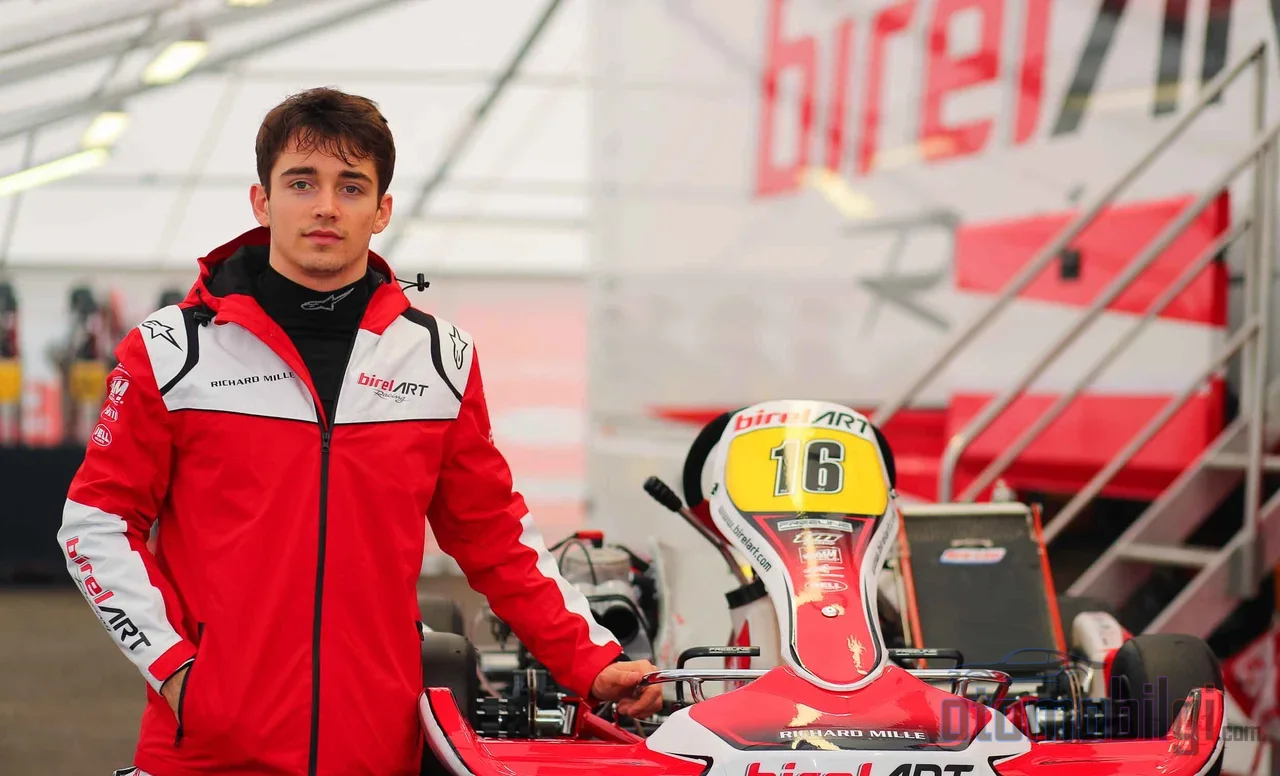
Just imagine: A kid growing up on the streets of Monaco, instead of gazing at the yachts and luxury cars he sees on his way to school, clings to the steering wheel of a small kart. Years later, he wins the Grand Prix bearing that same city's name, driving a Ferrari in a red racing suit. Charles Leclerc's karting years and his path to F1 is exactly such a story. But make no mistake, this is not one of those "talented kid got lucky" fairy tales. Here we have money troubles, a father's sacrifice, a godfather's guidance, and of course a rivalry that grew while racing wheel-to-wheel with Max Verstappen. If you're ready, let's begin!
It All Started in Brignoles: How Did Leclerc Start Karting?
Charles Marc Hervé Perceval Leclerc was born on October 16, 1997 in Monte Carlo. His family wasn't wealthy; his mother ran a hair salon, and his father Hervé was a former driver who raced in Formula 3 in the 1980s. In other words, engine oil was in this family's DNA. Charles said hello to karting at age five, and stepped into competitive racing at age seven. Some records list his start as age eight; actually, this difference comes from the gap between owning a kart and actually starting to race.
The Brignoles facility, the first track of his career, carries an interesting detail: the track belonged to Jules Bianchi's father. The Bianchi family, who would later become Charles's godfather and mentor, were already very close to the Leclerc family. So while Charles was still riding his kart, fate was already winking at him. Throughout his karting career, his older brother Lorenzo also handled the mechanical work. Imagine, the team was made up entirely of family members, working like a little garage crew!
Highlights
- Leclerc started karting at age 5 and ran his first races at age 7
- In 2005 he claimed the PACA championship by winning 15 of 18 races
- In 2011 he won the Junior World Cup, Academy Trophy and Masters of Paris-Bercy in a single season
- In 2013 he finished second to Verstappen in the KZ World Championship at age 15
- His father Hervé passed away in 2017; he witnessed his son's F1 contract
French Championships: Rising from Mini Kart to the Cadet Class
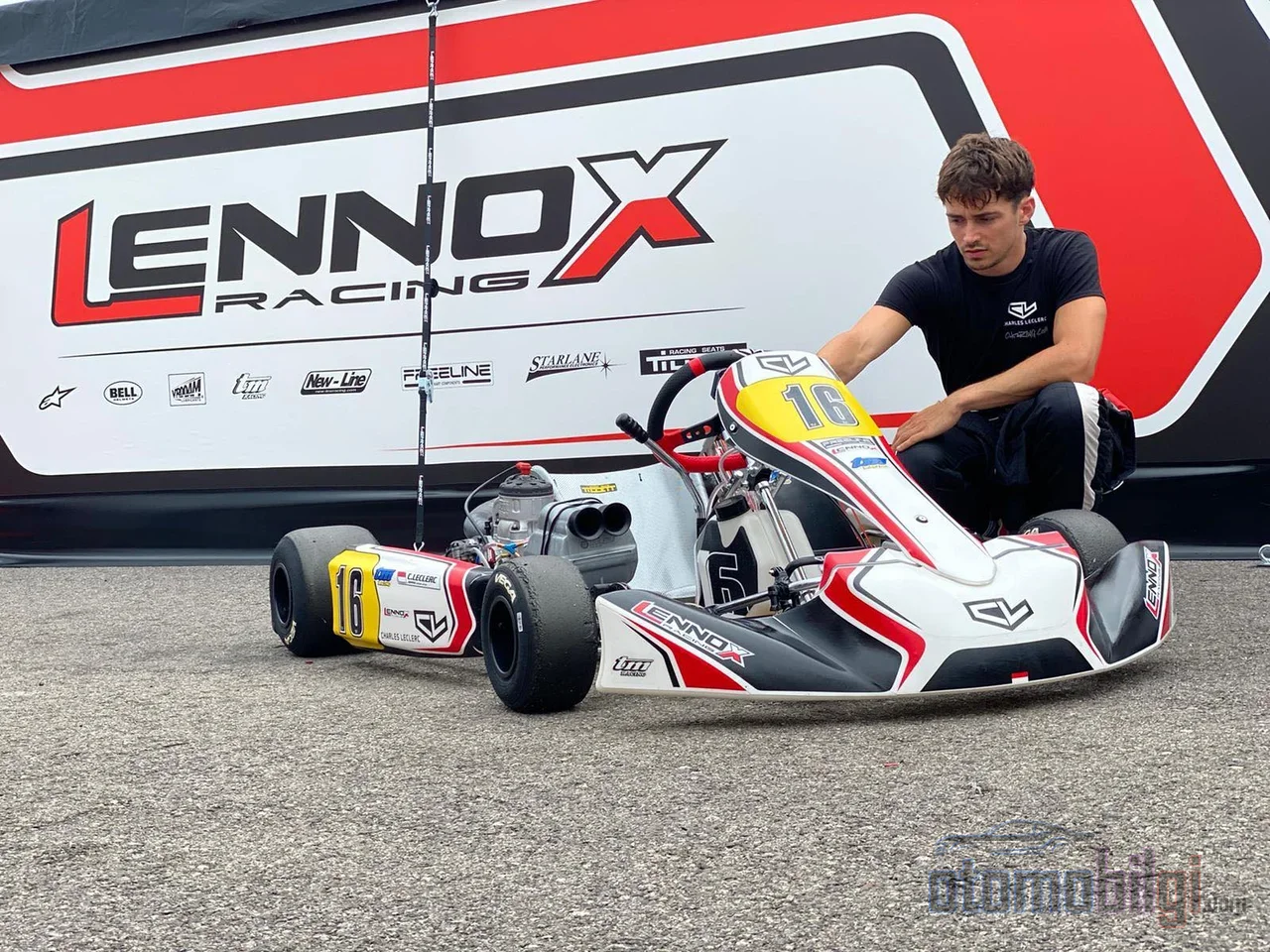
Charles's early years were spent in the PACA championship, named after the abbreviation of the Provence-Alpes-Cote d'Azur region. In 2005, he won 15 of the 18 races he entered in the Mini class and became regional champion. The following year he defended his title. In 2007 he moved up to the Minime class and won the Trophee Claude Secq. In 2008 came a fifth place in the Bridgestone Cup and second place in the French Championship.
The real breakthrough happened in 2009: in the Cadet class he won both the French Championship and the Bridgestone Cup, adding the Rhone-Alpes regional championship on top of that. That same year, one of the milestones of his career quietly took place: the collaboration that began with luxury watch brand Richard Mille stayed by Charles's side for the rest of his karting career. So for a family seeking support at the table as much as speed on the track, this deal came at exactly the right time.
2011: The Single Season That Made History in Karting
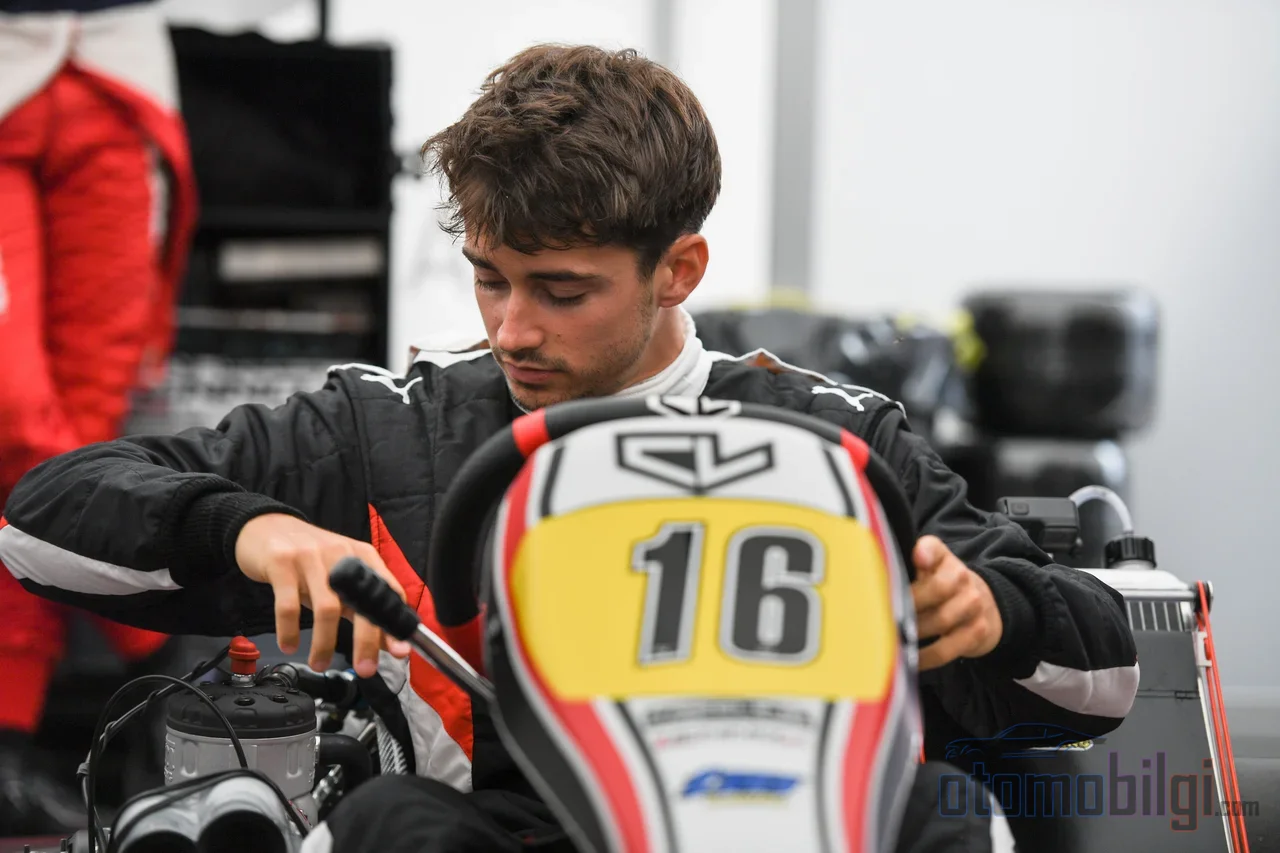
In 2010, Charles stepped onto the international stage in the junior KF3 class. The first big surprise came on home soil: He became the youngest driver to win the CIK-FIA Monaco Kart Cup held at the Circuit de Monaco. That same year, he finished second in the French Championship behind Pierre Gasly. Meanwhile, the sound of the cashbox was growing fainter and fainter; 2010 was the last year the family could fully fund a karting season.
And it was precisely at this point that two names stepped in: Jules Bianchi and Nicolas Todt. On Bianchi's recommendation, Todt brought Charles into the All Road Management fold and arranged his move to the Intrepid team. What came after? The 2011 season turned into a feast of success lasting a single season:
- Junior World Cup victory in Sarno, Italy; in Leclerc's own words, the best karting race of his life
- CIK-FIA Academy Trophy championship under the Monaco flag
- Masters of Paris-Bercy victory
- second place against Nicklas Nielsen at the WSK Final Cup
A world cup, an academy championship, and a legendary arena victory in a single season. Very few names in the karting world have collected this trio in one season. And mind you, this kid was only 13 years old.
Rivalry With Verstappen: The Hottest Duel on the Karting Track
In 2012, Charles moved up to the senior KF2 class with the factory-backed ART Grand Prix and won the WSK Euro Series championship. But the real story of the season was someone else: Max Verstappen. Throughout the season, the two tried to gain the upper hand over each other. A contact in the second lap led to both drivers being disqualified. In the middle of a three-way championship battle at the European Championship, Leclerc finished the season second, while he lost the U18 World Championship by a single point. A single point! Could there be a more bitter fate?
In 2013, at 15 years old, he moved to the KZ class with shifting gears. He opened the season with a South Garda Winter Cup victory in KZ2 and took a podium in Genk at the European Championship. The season finale at Varennes-sur-Allier took the form of a duel with Verstappen for the title of "youngest KZ World Champion," and Charles once again had to settle for second. But don't feel sorry for him; those countless wheel-to-wheel battles gave him one of the best trainings he could ever have had. He himself openly said, upon leaving, that these rivalries strengthened his experience and character. The seeds of the fierce but clean defensive reflexes we watch in F1 today were sown on those karting tracks.
Hervé Leclerc and Jules Bianchi: Two Debts That Were Repaid
As for the emotional side of the story, brace yourself. His father Hervé was the one who introduced Charles to karting and supported him every step of the way throughout his career. When the family budget fell short, his mother's step-grandfather, the founder of Novares Group, covered some of the expenses. But the heaviest burden was on Hervé's shoulders; it is said that he even tried to finance his son's karting by forgoing his own medical treatment costs. Hervé passed away in 2017 at the age of 54, after a long illness; exactly four days before his son won the Formula 2 Baku feature race.
Another painful detail: Before his father's death, Charles had told him that he had signed an F1 contract for 2018. That was a lie; but it did not feel like a lie either. That same year the deal with Sauber was indeed signed, and the dream came true before it could turn into a lie. From a sporting perspective, the legacy Hervé left his son was not just a career, but the hunger to win on the track.
On the other side there was Jules Bianchi: Charles's godfather, mentor, and a driver from the Ferrari Driver Academy. Nicolas Todt, whom Charles met through Bianchi, built the management structure of his career. Bianchi passed away in 2015; Charles carried a tribute helmet in his memory, started his first race at Ferrari with his advice, and today still says he believes Bianchi could have achieved more than he himself has. These two losses are the silent stories standing behind each of Leclerc's victories.
How Did Leclerc's Karting Years Shape His F1 Style?
So what did all those years give today's Leclerc? The answer is simple but striking: race vision. Leclerc himself says he learned most of his race vision thanks to karting. Karting - what does it mean? A two-stroke engine, the grip limit of the tires, and an unforgiving chassis. No ABS, no traction control; just you, the corners, and reflexes. It is no surprise that a driver who graduated from such a school makes sudden defensive moves and bold overtaking maneuvers in F1.
Leclerc's rise, while the sound of pistons still ringing in his ears as he left karting, is also famous; it was described as a virtually meteoric rise for a driver who did not spend much track training time in the early years of his career. The rest is well known: With his 2019 Italian GP victory, he earned the nickname the Italians gave him, "il Predestinato" - the pilot chosen by destiny.
Where Is Leclerc Today and Why Should You Know This Story?
The present-day chapter of the story is also satisfying: Leclerc is currently at Ferrari, under contract until the end of the 2028 season. He has 27 pole positions in his career; that is a record among drivers who have not won a championship. With his 2026 British GP victory, he raised his win count to nine. And the part that makes us smile the most: Leclerc founded his own kart brand, CL Kart, in collaboration with Birel ART. In other words, the owner of that journey stretching from karting to F1 is now opening the way for new Charleses with his own karts. That is how the cycle closes.
In summary, the clear answer to the question is this: Charles Leclerc won French and world championships in the karting career he began at age five, overcame financial hardship with the support of his father and Jules Bianchi, and reached F1 with race reflexes sharpened through his fierce battles with Verstappen. Today, behind every pole position of his, every bold defense, lies the trace of that little kart that began on the track in Brignoles. If one day you too are watching the streets of Monaco and see a red car going by with a Ferrari, know that the story began with a regional championship where a child won 15 out of 18 races.
Sources
- 70 Years of FIA Karting: Charles Leclerc
- Charles Leclerc - F1 Career, Wins & Stats
- 5 highlights of Charles Leclerc's career
- All About F1 Driver Charles Leclerc's Parents
- Who is Charles Leclerc's dad Hervé Leclerc?
- Who is Charles Leclerc? Life, Career and F1 Achievements
- Charles Leclerc on karting and racing against Max Verstappen