Enforcement Proceedings Halted on HGS Debts

The process stretching from HGS files to the notification portal, and from there to the enforcement desk, was interrupted by the decision announced by Minister Uraloglu on November 20, 2026: The attorney and enforcement practices carried out due to HGS debts were immediately halted, and no new enforcement proceedings against citizens will be initiated until the new legislation is completed. However, with this decision, the most curious question is awaiting an answer: Have existing debts been erased? The short answer is no; it is the collection method that was suspended, not the debt itself.
The decision is the second and more radical step following the wave of complaints that grew after the payment system change on October 15. After the debates over penalty rates, this time the enforcement process came to the table. So how did things escalate to this point, and what changes for drivers from today on?
How the Decision Came About: Two Meetings and Five Articles
The turning point of the process was the meeting on November 18. Minister of Transport and Infrastructure Abdulkadir Uraloglu announced, following the meeting attended by the General Directorate of Highways and highway operators, that the 4x penalty practice and the process extending to attorney tracking would be re-evaluated. Two days later, on November 20, the five-article decision package was announced.
- The attorney and enforcement practices regarding collections exceeding the deadline by private highway companies are being halted immediately; the practice will be restructured.
- Linking HGS accounts to credit cards with automatic payment instructions will be encouraged, and facilitating arrangements in this direction will be implemented.
- In case of faulty passes, citizens will be informed through different communication methods in addition to the existing channels.
- Payment channels will be diversified in compliance with personal data protection rules; technical and administrative infrastructure will be prepared for this purpose.
- Enforcement proceedings will not be applied until the legal legislation preparations are completed.
Highlights
- The attorney and enforcement practices for HGS debts were halted immediately on November 20, 2026.
- The transactions subject to enforcement proceedings account for only 0.43 percent of total passes.
- No new enforcement proceedings will be initiated against citizens until the new legal legislation is completed.
- Debts were not erased; it is the collection method that was suspended.
- Under the current penalty regime, a penalty of 4 times the toll fee is applied for violations exceeding 45 days.
How Things Escalated to Enforcement: The Wave of Complaints
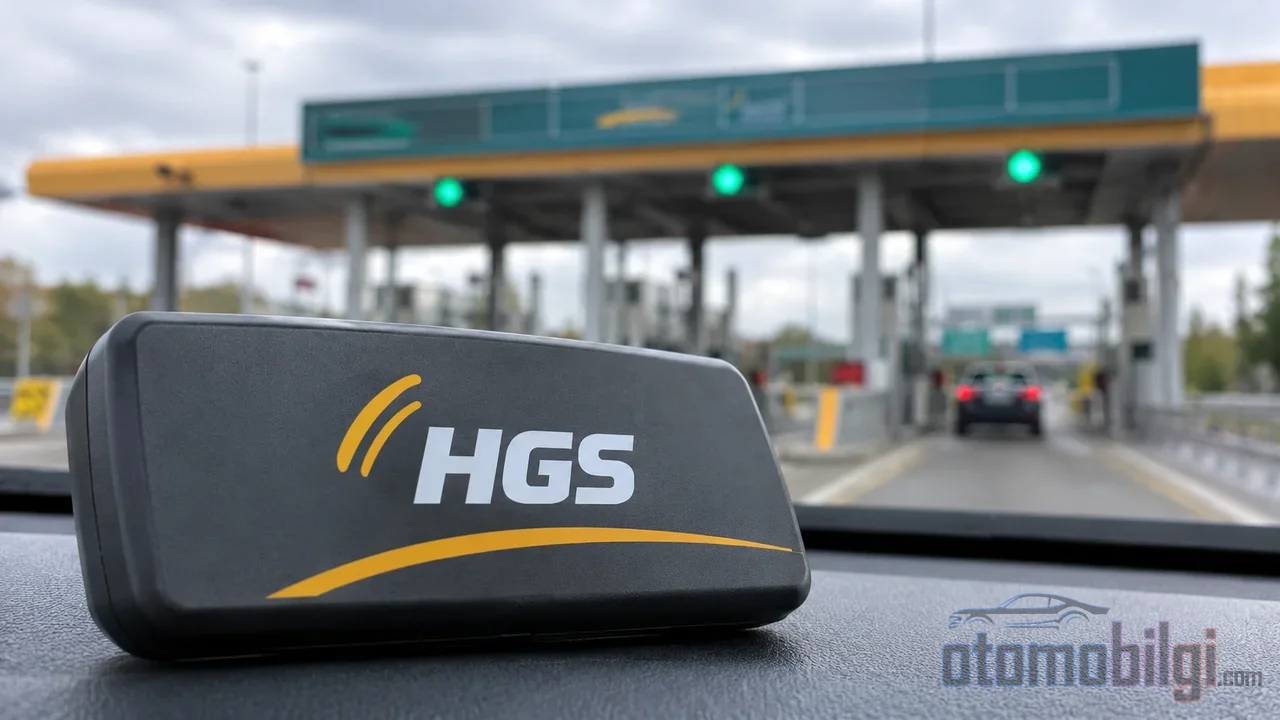
HGS has long been one of the issues vehicle owners complain about most; however, after the payment system change on October 15, 2026, complaints about debt inquiry and payment increased noticeably. Enforcement files with high amounts were shared on social media. The accounts carried a striking pattern: people claiming that collection could not be made despite having balance in their account, those who appeared as debtors despite making payments, and drivers facing enforcement knock on their door.
The imbalance in rates among prominent examples also amplified the public perception of victimization. Narratives that a small, consistent toll fee ended up compounding into an enforcement file after a process that was allegedly never communicated became a topic of public discussion. Drivers' claims that they received no debt notifications and that violations were transferred to contracted law firms without notice became the real point that called the operators' collection processes into question.
The Ministry's review, however, painted a different picture: transactions subject to enforcement proceedings account for 0.43 percent of all toll crossings. While the Ministry highlighted this figure, high-value file examples circulating in public opinion alone shaped perception. Both pictures being true at the same time was less about the scale of the problem and more about the unfairness of its distribution: alongside millions of seamless crossings, there was a small number of users who were severely wronged.
The Current Penalty Regime: 15 Days, 45 Days and 4 Times

To read the enforcement decision correctly, it is necessary to recall the penalty mechanism it focuses on. Under the current regulation, the cost of a violatory crossing sits on a ladder that escalates over time: if the violation is paid within the first 15 days, no penalty is applied; between the 16th and 45th day, a penalty of 1 times the toll fee is added; in cases exceeding 45 days, a penalty of 4 times the toll fee comes into effect.
The system's legal basis is Article 30 of Law No. 6001 on the General Directorate of Highways. Article. The problem is experienced not so much in the ladder itself as in the way one steps onto it: in cases where the driver is not informed of the violation or where the payment is not processed into the system on time, a small fee quickly compounds and is passed on to attorney and enforcement proceedings. Minister Uraloglu's statements on November 17, noting that transactions resulting from faulty license plate reading had been cancelled, also showed that one leg of the problem lies in data quality.
Have the Debts Been Erased? What Has Changed Today?

This is the most misunderstood point of the decision, and it must be stated clearly: HGS toll debts were not erased. The Ministry's statement contains no provision regarding debt forgiveness. The suspension of enforcement proceedings does not mean that toll debts or payment obligations have disappeared.
What has been suspended is the collection method. The attorney and enforcement channel used by private highway companies for collections exceeding the deadline has been put on hold; no new enforcement proceedings will be initiated against citizens until new legal legislation is prepared. In other words, the debt continues, but the channel is changing, and collection is on hold until the content of the law becomes clear. For users with open enforcement files, the scope of the new legislation will determine the rest of the process; no detailed rule regarding the fate of existing files has yet been announced.
What Is Expected from the New Regulation?
The five-article package tackles the problem from three angles: collection method, notification and payment convenience. The prominent technical expectation, however, is a new integration system. The goal is for drivers' payments to be transmitted instantly to highway operators; thereby preventing enforcement proceedings from being initiated even though payment was made on time.
In other words, the new legislation will not only restructure penalty rates, but will also redesign the information flow between the moment a debt arises and the moment collection begins. Encouraging automatic payment instructions and diversifying notification channels are two different facets of the same problem: the user must know their debt, be able to pay it, and be sure that the payment has been recorded in the system.
In this context, what drivers can do today is also clear. Debt inquiries can be made through e-Devlet; existing obligations can be viewed via the HGS or "My Vehicles" search. PTT's HGS mobile app and the toll operator websites can also be used as inquiry channels; the General Directorate of Highways' violation tracking page is among these options. Until the scope of the new regulation is announced, checking your debt and continuing to pay through the existing channels is the most reliable way to prevent the file from growing.
The System's Roadmap: From Silent File to Regular Channel
The known cycle of the HGS system was as follows: a violation would occur, and the notification sometimes arrived and sometimes did not; if the deadline was exceeded, the penalty multiplied, the file passed to a law office, and the driver was usually informed only through an enforcement notice. Now a separate intervention has been defined for each link in this cycle: notifications are being diversified, payment is becoming easier, the data flow between payment and collection is being made instant, and the enforcement channel is being reframed through legislation.
The implementation phase of this package, in which the Ministry summarized its priority as quickly solving the problems citizens experience and preventing similar incidents from recurring, will show the difference between a promise left on paper and real practice. Whether enforcement proceedings have actually stopped, whether incorrect passage notifications have decreased, and when the instant payment integration will go live are the three concrete benchmarks of the period ahead.
In summary: As of November 20, 2026, attorney and enforcement practices on HGS debts have been halted; no new enforcement proceedings will be initiated against citizens until the new legal legislation is completed, but passage debts continue as before. Radical changes in penalty rates and the new set of rules for the collection process will become clear with the content of the legislation being prepared. For the driver, there is only one practical takeaway valid from today: the enforcement door will not come knocking, but debt checks and payment habits must continue without interruption.
Sources
- BREAKING NEWS | Minister Uraloglu: Enforcement proceedings on HGS halted | GZT
- Enforcement proceedings on HGS debts are being halted! Minister Uraloglu announced 5 critical decisions | gdh digital
- Enforcement proceedings on HGS have been halted | NTV News
- HGS complaints have multiplied! Balance is there, but collections are not | Cumhuriyet
- A new regulation on HGS penalties is on the agenda! Critical meeting today over 4x penalties | Kocaeli Newspaper
- Pay attention to the 15-day detail in HGS | gdh digital
- Minister Uraloglu's Statement on HGS Debt and Enforcement Proceedings | haberlesende
- Balance Available on HGS and Automatic Payment Enabled, Yet Enforcement Proceedings Begin | habereguven