Vehicle Inspection Station Oversight Transferred to the Ministry of Transport
Share This Page
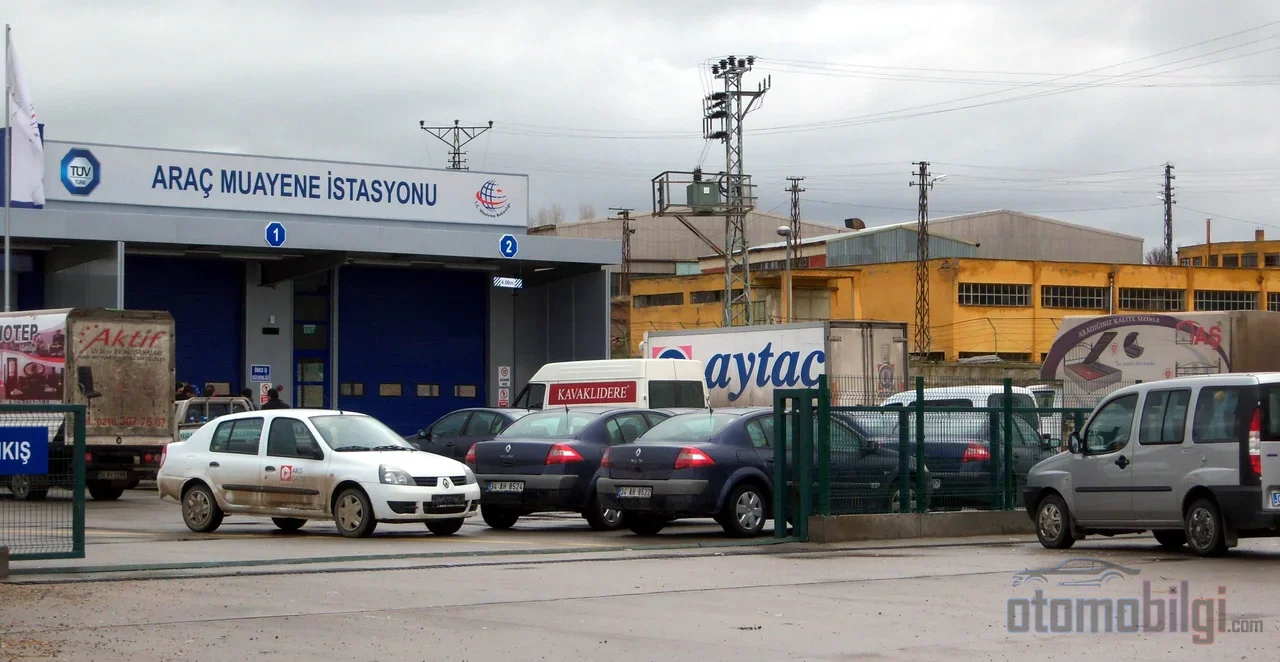
With the regulation change published in the Official Gazette dated October 9, 2026, the inspection authority over vehicle inspection stations was transferred to the Ministry of Transport and Infrastructure, and station operators were subject to administrative fines of up to 100,000 TL per violation. The regulation does not directly affect vehicle owners, but rather the companies operating the inspection stations; the driver's own fine risk remains where it was, for driving without inspection, at the 2,719 TL level.
Highlights
- The regulation change was published on October 9, 2026 and entered into force the same day.
- Station inspection was transferred to the authority of the Ministry of Transport and Infrastructure.
- A three-tier penalty system for operators: 17,376 TL, 43,447 TL and 100,000 TL.
- The fine for driving without inspection remains for the driver at 2,719 TL; a 25% discount applies for payment within 15 days.
- In case of delayed inspection, a 5% late surcharge per month is added to the standard fee.
Why was inspection station oversight transferred to the Ministry of Transport and Infrastructure?
Those who have been in this business for many years know it: in Türkiye, periodic vehicle inspection has been carried out since 2008 through private stations authorized by tender, and this system has so far produced a scattered structure in which the stations largely inspected their own operations from within. The "Regulation Amending the Regulation on the Opening and Operation of Vehicle Inspection Stations and Vehicle Inspection" draws a clear line through this scattered situation: the inspection authority is being transferred to a single point, the Ministry of Transport and Infrastructure, within the framework of the relevant laws and legislation.
Inspections will be carried out within the framework of Highway Traffic Law No. 2918, Decree-Law No. 655, and the relevant provisions of the regulation. The provisions of the regulation will also be enforced by the Minister of Transport and Infrastructure. The institutional side of the Ministry was already ready: among the duties of the Department of Vehicle Inspection and Audit, affiliated with the General Directorate of Transport Services Regulation, were already included the planning of periodic inspections, the auditing of authorized stations, report and objection procedures, and the entry of administrative fines into the U-NET system. In other words, the regulation puts an inspection function that was already being carried out in practice onto a solid legal and administrative footing.
The real message of the change lies not in the penalty items, but in the consolidation of authority in a single hand. Previously, compliance with the station's operating conditions was a requirement on paper; now behind that requirement stands an enforcement mechanism that operates automatically, at specific amounts. Experience shows this: in legislation without enforcement, conditions remain conditions; with enforcement, they become rules. This regulation does exactly that.
At what amounts are violations penalized?
The regulation introduces a three-tier administrative fine table for authorized station operators. The fines vary according to the nature of the violation, with Article 28/A first paragraph (i) of Decree-Law No. 655 cited as the legal basis. The obligations in Articles 6, 9, 11, 12, 15, 17 and 22 of the regulation are defined as "administrative conditions"; violations of other operating obligations fall under the sanctions in Article 35 of Law No. 2918.
| Nature of the violation | Administrative fine |
|---|---|
| Violations of certain operating and working conditions | 17,376 TL |
| Violations of certain administrative and operational obligations | 43,447 TL |
| Violations of certain more serious obligations | 100,000 TL |
The regulation defines each violation individually to determine which amount corresponds to which violation in each article. Headlines in the public eye generally reduce this to a single figure of "100,000 TL fine"; however, the bottom of the table starts at 17,376 TL, and the real deterrent is that the same operator may face these amounts repeatedly for multiple violations. Considering that the fines will be updated each year according to the revaluation rate, it would be wrong to assume these amounts will remain fixed.
Will the 100,000 TL fine be issued to the vehicle owner?
No. The sentence most frequently voiced by drivers who read very little about the regulation and have little interest in law is this: "If I don't go to the inspection, will I pay 100,000 TL?" You will not. The fines are not directed at vehicle owners but at inspection station operators. The regulation has re-framed the obligations of operators authorized with an operating certificate and clarified the sanctions for violations. The vehicle owner is not a party to this table.
The driver's own risk remains, as before the change, in Article 34/a of Law No. 2918: as of 2026, the fine for driving a vehicle without inspection is 2,719 TL. If paid within 15 days of the notification, a 25% discount applies, bringing this amount down to approximately 2,039.25 TL . In other words, content that builds a bridge between "100,000 TL per violation" and the driver is missing the actual addressee. The regulation's impact on drivers is indirect but real: if stations are strictly audited and the standard is raised, the inspection itself becomes more predictable; on the other hand, the cost of neglecting the inspection has not changed at all.
What happens if the vehicle fails the inspection or you delay it?
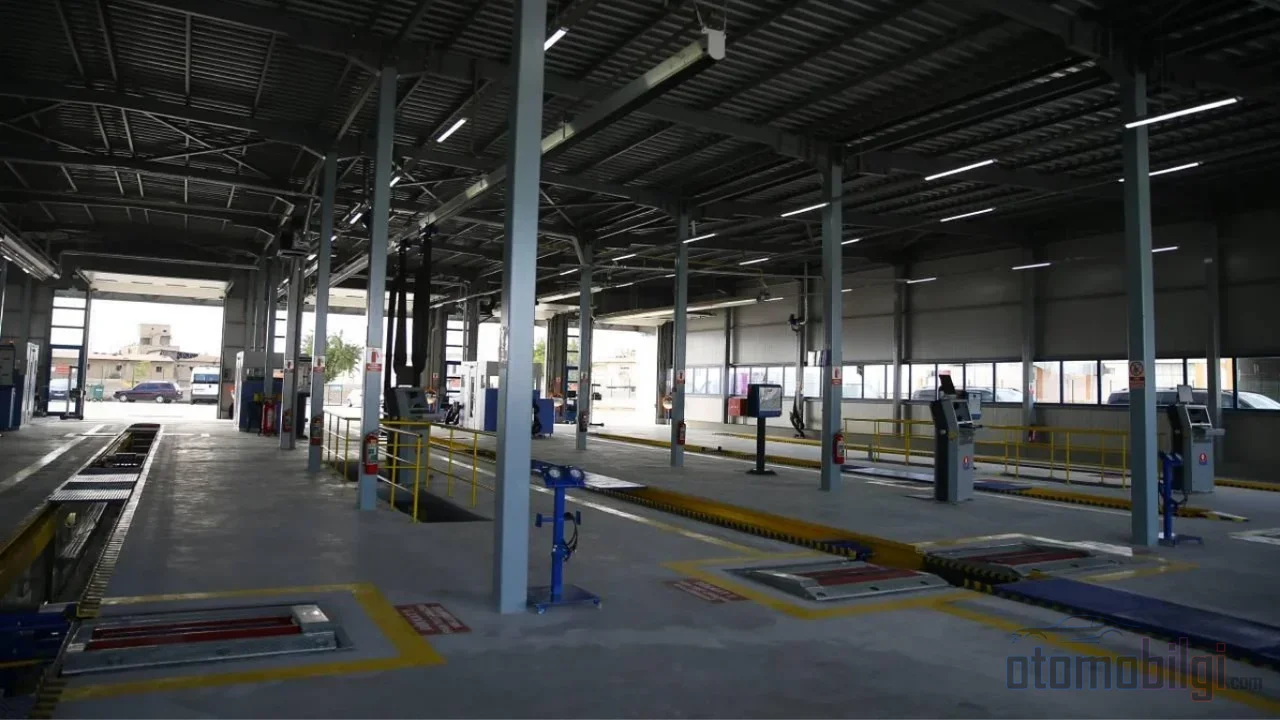
The new audit regime does not directly change periodic inspection periods; the three outcomes vehicle owners need to know remain exactly the same. It is worth laying these out one by one, because the cost of a delayed inspection does not end in a single item:
- Driving without inspection: Under Article 34/a, the vehicle owner is issued a 2,719 TL administrative fine; there is a 25% discount for payment within 15 days.
- Continuous use without inspection: If the inspection is not carried out within the legal period, the vehicle can be banned from traffic and towed to a parking lot; towing and parking costs are added on top of the fine.
- Delayed inspection: If the inspection is delayed, a 5% late surcharge is added to the standard inspection fee for each month. A delay stretching over several months can end up costing more than the inspection itself.
As one of the former managers of this business, let me say this: the 5% monthly surcharge should not be underestimated. A vehicle that waits 60 days pays an extra tenth of the inspection fee. Even though the new regulation does not change the driver's penalty table, in an environment where oversight is tightening, greater appointment and process discipline at stations can be expected; for this reason, blaming the delay on station congestion will be a much harder excuse to make than before.
What transformation in the industry is the new inspection regime part of?
This regulatory change is not a measure that came out of nowhere; the industry as a whole is entering a 20-year renewal. The Minister of Transport and Infrastructure announced that the foundations of a "new 20-year era" are being laid in vehicle inspection services, and stated that the number of stations will increase in the new era. Within this framework, TURKA signed the concession agreement for the new-generation vehicle inspection system; TURKA Vehicle Inspection Stations will operate between 2027 and 2047. The transition process from the TÜVTÜRK era to TURKA is also now firmly on the agenda.
The right way to read this picture is as follows: the concession transition changes the back end of the system, that is, who will operate it; the regulatory change affects the front end, that is, against whom, under what standards, and with what risk of sanctions these operators will work. Unless the two are considered together, the regulation remains incomplete. When a Ministry that concentrates oversight in one hand and punishes violations with figures, and a new concession-holder operator, are in effect at the same time, station operation will become a far more corporate business than we were accustomed to in the past.
What is the practical meaning of this change for drivers?
At a practical level, nothing has changed for drivers: take the vehicle to the station when the inspection period arrives, fix any deficiencies within the given time if the vehicle fails the inspection, and be careful not to delay. What has changed is the assurance behind these processes. Every item, from the station's device calibration to operating conditions, is now tied to a clear sanction; this is a framework that must reinforce confidence that a vehicle passing the inspection has genuinely been checked to the same standard.
On the other hand, one should not pay heed to the "100,000 TL fine for drivers" comments circulating on social media. The target of the regulation is the operator; the driver's risk is the 2,719 TL Article 34/a fine, removal from traffic if necessary, and the 5% late surcharge. Making this distinction correctly prevents both unnecessary anxiety and costly decisions such as "the fine has gone up, so I will not go for the inspection." At a time when we have reached the end of a twenty-year system, knowing exactly whom the rule is imposed upon is the cheapest insurance a driver can have.
Conclusion: The rule has not changed, but the rule has been backed by stronger enforcement
The regulation that came into force on October 9, 2026 opens a new era in which vehicle inspection station operation is tied to clear sanctions, with oversight conducted from a single center under the Ministry of Transport and Infrastructure. The fine range of 17,376 to 100,000 TL applies to operators; for drivers, the picture is the same: a 2,719 TL fine for driving without inspection, a 5% monthly increase for delays, and the risk of being banned from traffic in case of neglect. As long as you stick to your inspection deadlines, this regulation imposes no additional burden on you; but if you delay, you will find yourself at the tail end of a system that now operates with stricter rules than before.
Sources
- Amendment to the Regulation on the Opening and Operation of Vehicle Inspection Stations and Vehicle Inspection - Official Gazette, October 9, 2026
- A New Era in Vehicle Inspection Services - Ministry of Transport and Infrastructure
- Vehicle Inspection and Audit Department - General Directorate of Transport Services Regulation
- New regulation for vehicle inspection stations - ForInvest
- New regulation for vehicle inspection stations: Audit conditions have changed, penalties have been announced - Habertürk
- Turka signed a concession agreement for the next-generation vehicle inspection system - Anadolu Agency
- 2026 Penalties for Vehicles Without Inspection - Otopratik
- Penalty for Vehicles Without Inspection 2026 - Will the Vehicle Be Impounded? - Çözüm Law Firm
- Vehicle Inspection Fees and Late Penalty Calculation 2026 - Toyota Blog