Hyundai Recalls 94,622 Vehicles in the U.S.
Share This Page
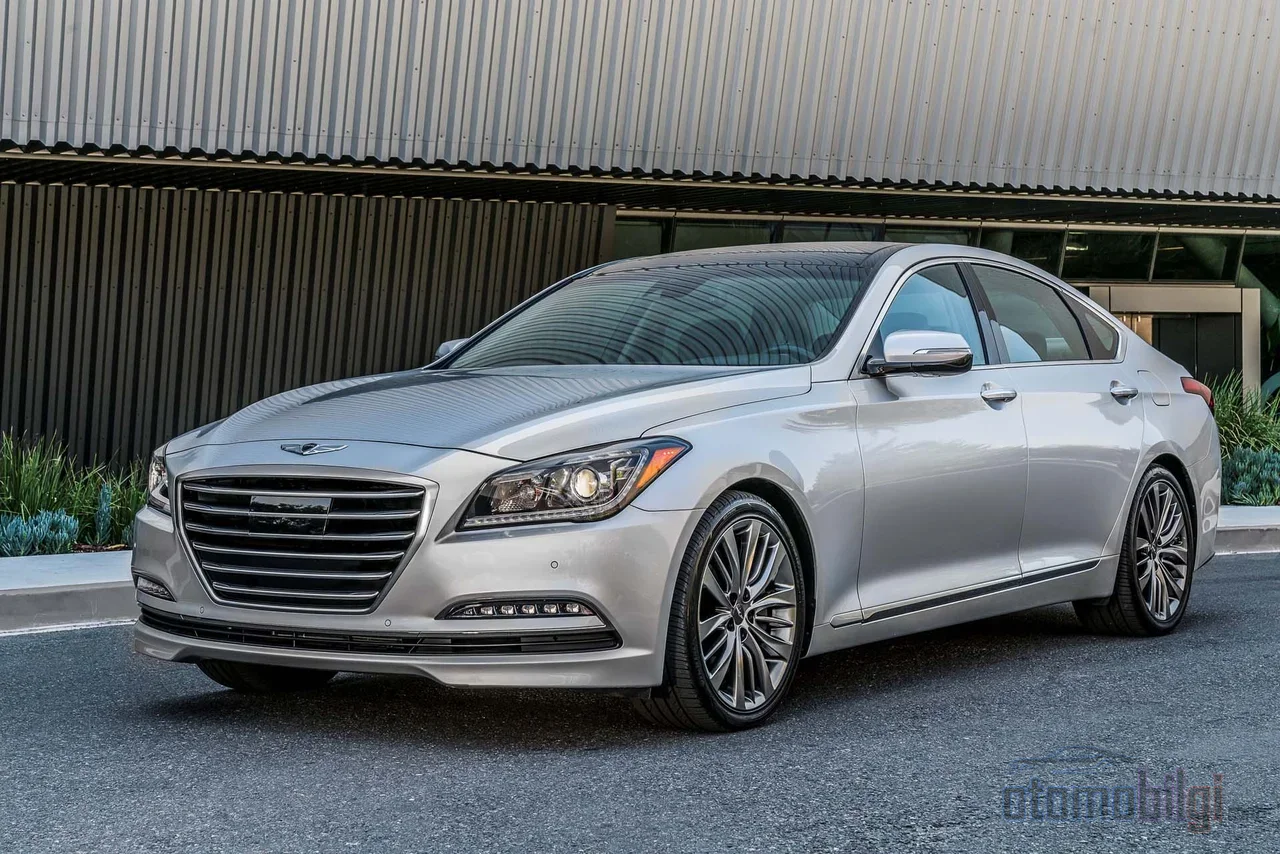
Hyundai is recalling 94,622 vehicles in the US market due to the risk of overheating in the electric front seat control switches. The campaign covers the 2015-2016 model year Hyundai Genesis and the 2017-2020 model year Genesis G80, and both of the two reported fire incidents occurred while the vehicles were parked. The campaign is so far limited to the US only; there is no official recall announcement for vehicles sold in Türkiye.
Highlights
- 94,622 vehicles are being recalled in the US due to fire risk.
- Models covered: 2015-2016 Hyundai Genesis and 2017-2020 Genesis G80.
- The defect applies to specific vehicles produced between February 2014 and November 2019 .
- Two park-related overheating incidents were reported; no crashes or injuries recorded.
- The repair method has not yet been announced; the remedy will be performed free of charge.
What Actually Fails: The Seat Switch and Its Motor
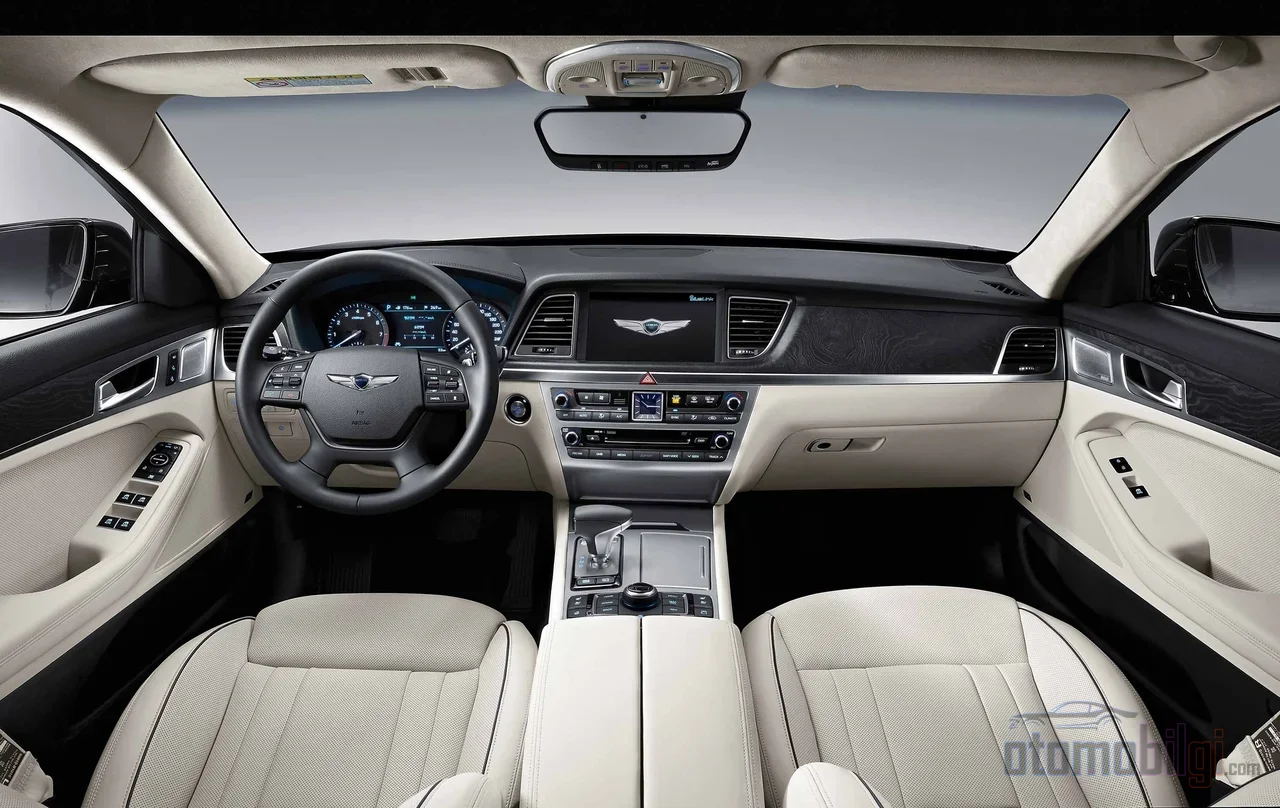
The source of the problem is a part that seems trivial at first glance: the control switch for the front electric seats. When the switch mechanically jams and gets stuck, the seat adjustment motor doesn't know when to stop; it keeps running, overheats, and ultimately poses the possibility of catching fire. The switches come from the South Korea-based supplier Nidec Mobility Korea Corporation; in other words, the problem is concentrated not in the seat itself or the vehicle's overall electrical architecture, but in the manufacturing quality of a single component.
Seat assembly failures of this kind are nothing new to someone who has been following this industry for over three decades. What we used to call seat adjustment was just two levers and a rail; today, seats with motors in six or seven directions, heating, and ventilation have brought countless electrical components into the cabin. As comfort increased, the failure surface expanded as well. Hyundai's risk here is that the motor can operate even while the vehicle is parked. For this reason, the threat applies not only in the middle of traffic but also to a vehicle sitting in a garage at night.
Early warning signs that drivers can watch for have also been defined: a burning smell coming from the seat area and the seat adjustment buttons not responding. Seeing these two signs together can be considered concrete evidence that the switch is jammed and the motor is straining.
Scope of the Recall and Official Record
The campaign was reported to the US National Highway Traffic Safety Administration on October 8 and received the 26V664 record number. The announcement's echo in the international press points to October 15, 2026. Defining the scope by model years opens the door to misleading readings: although 2015-2016 Genesis and 2017-2020 G80 are stated, not all vehicles from these years automatically make the list. The affected vehicles are limited to specific cars within the February 2014 to November 2019 production range. The definitive check is always a VIN lookup.
| Item | Information |
|---|---|
| Models covered | 2015-2016 Hyundai Genesis, 2017-2020 Genesis G80 |
| Production range | February 2014 - November 2019 |
| Number of affected vehicles | 94,622 |
| NHTSA record number | 26V664 |
| Defective vehicle rate | Approximately one percent |
| Risk situation | While parked and while driving |
| Repair | Free of charge; the remedy is under development |
How many vehicles actually have the defect?
According to Hyundai's own assessment, about one percent of the vehicles in scope have the defect in question. This is a common picture in recall campaigns: the manufacturer acts broadly enough to cover the entire production group that may carry the fault. This has been the industry's established approach for years; if there is doubt, recall widely, and let field inspection determine the rest. Both fire incidents occurred in the United States and are stated to have been caused by the defect; no crashes or injuries were reported.
What Is Hyundai Telling Owners to Do?
How the repair will be carried out has not yet been announced; the permanent remedy is under development. In such cases, the manufacturer does not announce whether it will perform a component replacement or a software update until the technical evaluation is complete. What is certain is that the problem will be fixed without any charge to the owners. In addition, Hyundai has notified vehicle owners; that is, owners of the vehicles in scope need to wait to be reached through official channels.
Until the repair is complete, the joint recommendation of NHTSA and Hyundai is quite clear: park the vehicles outdoors, away from buildings and other vehicles. Such a parking warning is a standard measure in campaigns involving a fire risk; a vehicle waiting in a closed garage or adjacent to other vehicles can cause chain damage in the event of a possible ignition.
- A driver who notices a burning smell should stop using the vehicle and notify an authorized service center.
- If the seat adjustment buttons are not working, this may be a sign of the key getting stuck.
- Owners of the vehicles in scope should park carefully until the repair announcement.
Are Vehicles in Türkiye Affected by This Recall?
For now, the most accurate answer to this question is this: the announced campaign is specific to the US market, and there is no verified official statement that a new recall will be applied for the same models in Türkiye. That a recall announced abroad does not automatically cover vehicles in Türkiye is also expected in terms of the industry's general operation; the production period, supplier, and market-based hardware differences are decisive. Which supplier batch was used for which market can directly change the campaign's geography.
The second question that comes to readers' minds under this heading is the Hyundai Assan context: there is no verified information regarding whether this recall affects models produced in Türkiye, in terms of the production from the Izmit plant and the import distinction. The Genesis body in scope cannot be directly associated with the production sold in the Turkish market. Only an official announcement can give the definitive answer; if that stage is reached, the industry press will report it extensively.
How can Hyundai owners in Türkiye check?
In Türkiye, two official channels stand out: the Automotive Voluntary Recall service and Hyundai's own ReCall Campaign Web Application page. In the latter, it is possible to check whether a vehicle is covered by the campaign by entering its 17-character VIN number. In addition, the post-sales campaigns section on Hyundai Türkiye's official website hosts current voluntary recall announcements. Vehicle owners in the United States, on the other hand, can perform the same check by entering their VIN into NHTSA's official system.
The advice of someone who has been in this business for many years is this simple: instead of waiting, run a VIN check. The inquiry takes two minutes and keeps the owner informed from day one even if the campaign reaches Türkiye. In the past, such announcements spread by word of mouth or in newspaper columns; today, the query screen is just a few clicks away and free to use.
The Same as the 2021 Recall? Two Campaigns That Get Confused
With the new announcement coming to the agenda, an older campaign concerning the same model groups is also being remembered. In March 2021, a separate safety warning had been issued for the same model years (2015-2016 Genesis, 2017-2020 G80) due to the possibility of a short circuit in the ABS electrical assembly. This should not be confused with the 2026 decision: the 2021 campaign concerns the electrical assembly of the braking system, while the 2026 campaign is based on overheating of the seat motor. Having two separate campaigns opened for two different faults in the same vehicles is not considered striking when the number of components in the model is taken into account; the breadth of the production group and the variety of components make it inevitable that more than one weak link will appear over time.
Hyundai's Other Current Recall Agenda
The seat motor campaign is not alone; the brand's recall agenda has recently been advancing on several fronts. One of these is a separate campaign launched due to the risk of child entrapment, covering 5,360 units of the Ioniq 9. In this campaign, there is a possibility that the second-row power seats may fail to stop with a person in the path, potentially crushing children, and the NHTSA record is listed as 26V588000 with Hyundai's internal code 307. There is an ironic common point between the two campaigns: both arise from the motorized comfort of the seats. Hyundai has made a statement regarding the replacement of mechanical seats and motors for the Ioniq 9, reporting that the process for a wireless solution has been initiated; however, since the accuracy of this transfer remains limited, it is appropriate to leave the definitive details to the official announcement.
On social media, there are also circulating posts about a recall program of approximately 96,310 vehicles for the 2025-2026 model Tucson; however, this information has not been verified and comes from low-reliability sources. Similarly, there is an assessment that the claim of a 421,000-vehicle Tucson recall spreading online is an exaggerated viral piece of content. Such rumors with large numbers are repeated during every campaign period; instead of loud posts, relying on NHTSA records and official campaign pages is the safest compass in this business. Real campaigns always carry a record number and are published on the manufacturer's official channels.
Conclusion: What Should Owners Do?
The campaign covering 94,622 vehicles in the US is an example of a properly managed recall: the risk is identified, the symptoms are clear, the solution is free, and the repair method is still under development. On the Türkiye side, there is no official equivalent; however, if you own a vehicle matching the affected model years, run the VIN check yourself and take symptoms such as a burning smell or a non-functional seat button seriously. When the repair announcement comes, parking the vehicle in an open and safe area before visiting an authorized service center remains the most sensible precautionary measure for this issue.
Sources
- Hyundai is recalling 94,622 vehicles in the US due to fire risk
- Hyundai is recalling 94,622 vehicles due to fire risk
- Automotive giant urgently recalling 94,000 vehicles: Fire risk detected
- Hyundai has recalled 94,000 vehicles in the US
- Automotive Voluntary Recall Service
- ReCall Campaign Web Application
- After-Sales Campaigns
- Recall from Hyundai: Electric seats can pinch children