65% of New Car Sales Are Financed with Loans
Share This Page
How much of new car buying in Türkiye is done with credit has long been one of the most debated questions in the industry; the widespread belief in the market is that nearly two-thirds of sales are achieved through financing. For those who want to test the accuracy of this picture with numbers, there are plenty of concrete indicators: consumer auto loan interest rates ranging between 3% and 3.5% per month, maturities shrinking to as little as 12 months in higher price brackets, and nearly every brand keeping a financing campaign in its showroom. In this article, drawing on the assessments of Hyundai's general manager for Türkiye, who has achieved sales growth in a shrinking market, we examine the dependence of new vehicle sales on financing and its reflections on pricing policies.
Highlights
- The market, which set a record in 2025, declined in the first 8 months of 2026 by 11.9% .
- Auto loan interest rates are in the monthly range of 3-3.5% .
- Of the vehicles sold in the market, 66% consist of SUV models.
- Hyundai revised its year-end 2026 expectation to 1,050,000 units .
- In the new IONIQ 3 campaign, more than 500 customers were gained in 2 weeks.
The market is shrinking, but the shrinkage is not evenly distributed
First, we need to set up the picture correctly. The Turkish automotive industry closed 2025 with 1,230,000 units in sales, its best year in history. The following year, 2026, did not begin as we expected. While the passenger car and light commercial vehicle market contracted by 7.4% in the January-May period, the monthly decline in July sharpened to as much as 25%, falling to 80,786 units. In August, the total market shrank by 20.28%, and the passenger car side by 25.16%.
The first nine months of the year look like this: passenger car sales fell by 15.45% to 627,977 units, while the total market contracted by 13.39% to 803,465 units. In recent months, we are leaving behind a period in which demand deferral reached as much as 20% in places. According to the revised expectation shared by Hyundai Motor Türkiye General Manager of Sales, Marketing and After-Sales Murat Berkel at the BloombergHT Automotive Summit, if the market finishes 2026 at 1,050,000 units, this will be considered a reasonable balance; the initial forecast was 1,150,000, and the assessment in mid-September still held at 1,150,000. In short, the same person lowered his expectation by 100,000 units within six months in just a few weeks. In this market, where the speed at which expectations deteriorate is an indicator in itself, this revision is a separate data point.
The interesting part is that the contraction is not distributed evenly among brands. In the September ranking, Renault leads with 11,430 units; Togg follows with 6,692, Fiat with 6,208 and Volkswagen with 6,140, while Hyundai sits in the top five with sales above 5,000 units. The fact that some brands can grow their share while the market shrinks overall is no coincidence: having the right product lineup hitting the right segment at the right time and being able to offer competitive financing options serve as the key to moving in a tight market. For someone who has been following this industry for more than thirty years, this is nothing new; in the old days, sales were made with discounts during crisis periods, but now both discounts and loans are offered together within the same campaign.
Why is dependence on financing for new car purchases so high?
Anyone comparing the relationship between new car prices and average income three years ago and now will immediately see the source of today's dependence. The sticker price of a standard passenger car has long surpassed a level that most people could pay from savings. Buying a car without a loan is now the exception rather than the rule. And the loan itself is expensive: vehicle loan interest rates are running in the range of 3 to 3.5 percent per month; in a concrete example, a loan of 150,000 TL with a 36-month term reaches an annual cost rate of 91.42 percent. In this picture, where tight monetary policy is directly reflected in consumer financing, one can estimate how sensitive sales are to financing.
Moreover, it is not just interest rates - access to credit itself is restricted. As prices rise, loan terms shorten: for vehicles between 5 million and 6.5 million TL, there is a 24-month term and a 30 percent down payment, while in the 6.5 to 7.5 million TL band the term drops to 12 months and the down payment to 20 percent; for vehicles above 7.5 million TL, the individual loan route is largely closed. In addition, the fact that individual loans are not granted for vehicles over 2 million TL is cited as one of the main reasons for deferred demand. The fact that 66 percent of vehicles sold in the market are SUVs makes this picture even more complex: due to the restrictions, loans cannot be used at all for many SUV purchases, while high interest rates negatively affect sales on the individual side. The assessment that sales would benefit positively if long-outdated loan usage limits were adjusted a step or so upward summarizes the industry's expectation.
Has the Türkiye automobile market reached the point where it cannot function without new car loans? The figures answer this question affirmatively: the majority of sales are financing-backed, nearly all campaigns are built on a loan structure, and the first condition for demand to recover is the easing of interest rates and limit restrictions. The industry's forecast that new car sales could approach 1.5 million units if credit conditions improve also shows the scale of this dependence; the market's ceiling is now determined not by product, but by financing conditions.
Installment campaigns have become the new marketing language
The most visible face of financing dependence showed up on brands' campaign calendars. Model year renewals used to carry news value; now the real news is which brand is offering how many months of installment terms and what interest rate on which model. Recent examples show at a glance just how widespread the campaigns have become:
| Brand and model | Financing offer | Note |
|---|---|---|
| Togg T10F | Zero percent interest for a limited number of users; 48-month option at 2.95 percent | With the campaign, the effective price drops to around 1.5 million TL |
| Toyota C-HR Hybrid | Discounts of up to 450,000 TL | Starting price of 2,400,000 TL |
| Nissan Juke | 100,000 TL cash purchase discount | For commercial customers, 360,000 TL with 6 months at zero percent interest |
| Hyundai IONIQ 3 | Loan with 3-month deferral, interest starting from 3.39 percent | Select trim at 1,799,000 TL |
| Opel / Citroën | Financing starting from 3.79 percent; 12 months at zero percent on the Ami | 300,000 TL at zero point nine nine percent for 12 months on the Combo Electric |
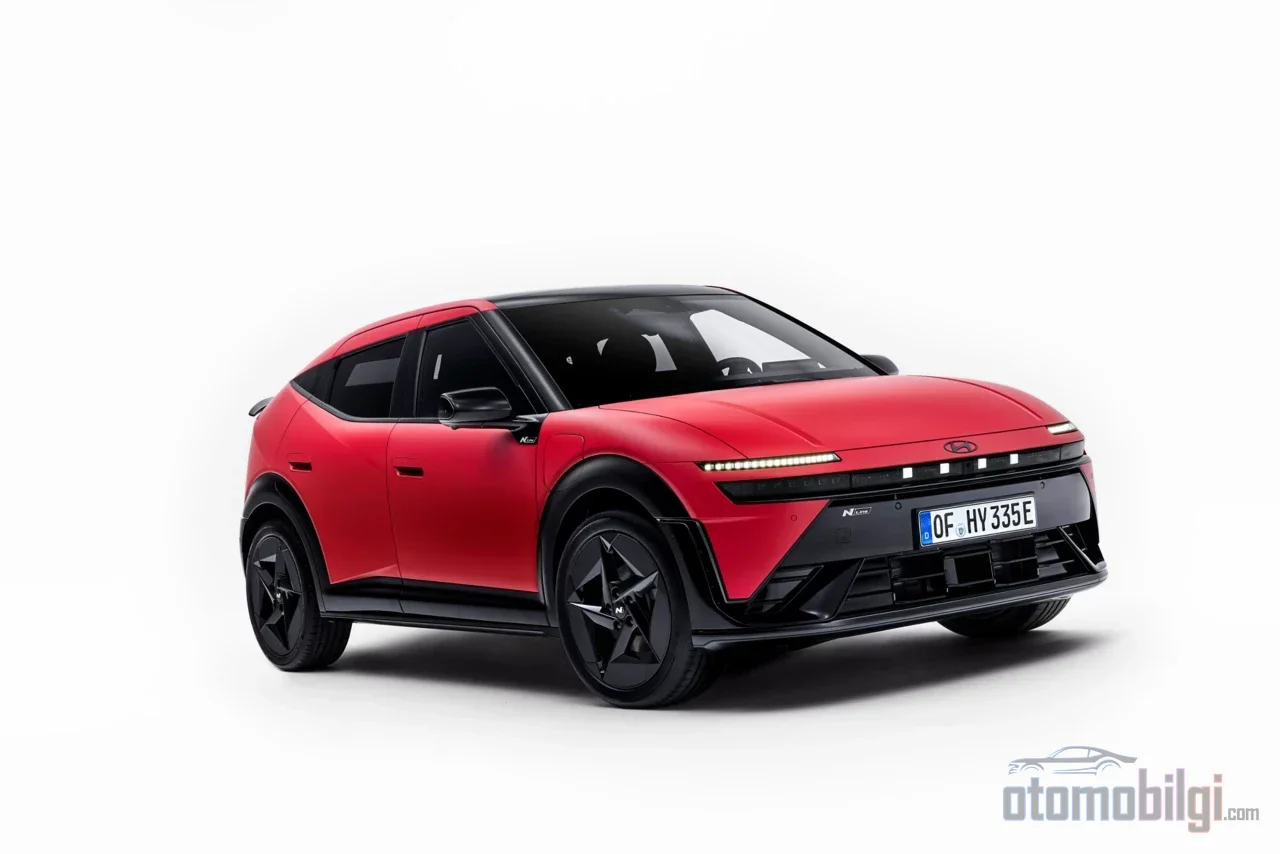
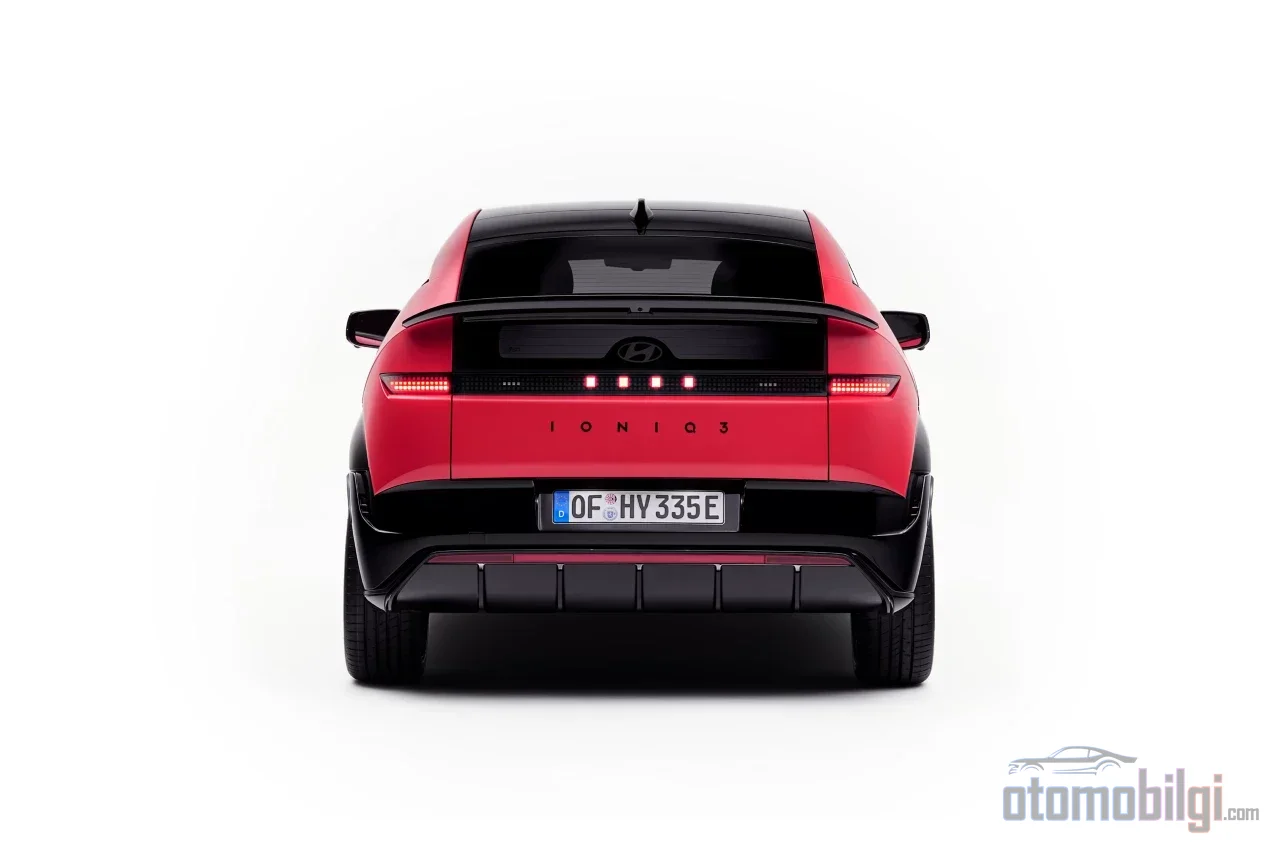
Hyundai's campaign for the IONIQ 3, launched in October with a buy now, start paying in 2027 logic, captures the spirit of this period well: the model, offered with a 3-month payment deferral and interest starting from 3.39 percent, reached more than 500 customers in about two weeks; a target of selling more than 3,500 IONIQ 3 units was set by year-end. The campaign for the model, which offers a 482 km range and is sold in four trim options, is a living example of how much deferred payment eases the purchase decision.
That said, how representative zero-interest campaigns are of the market is a separate debate. These offers, squeezed into limited quantities and specific trim and term conditions, are far removed from the standard loan on the market, whose annual cost can reach up to 91 percent. The critical question for consumers is not whether the interest rate on display actually applies, but what the total repayment comes to in their own scenario. Speaking as someone who has been through the mill in this business: no matter how dazzling the campaign table looks, the annual cost rate in the contract has the final say.
How is Hyundai growing in a shrinking market?
Hyundai's story shows that beyond financing dependence, the product and production side still plays a decisive role. The brand expected to close 2025 with over 66 thousand sales; in the first 11 months of the year it sold 59,618 units, more than 37 thousand of which were domestically produced models. Having increased its sales by 128 percent over the last five years, the brand has a target of 100 thousand units for 2030. Ranking in the top five in September 2026 is a notable performance during a period when the market shrank by more than 13 percent.
Part of this momentum comes from electrification. Hyundai, the second brand to produce electric cars in Türkiye, at its Izmit plant IONIQ 3 has started production, and plans to export this model to more than 40 countries. The Izmit plant is the brand's first overseas production center, established in 1997; half of the facility has been modernized today, and a battery plant has also been established within the company. The lineup includes six electric models, and electric vehicles account for between 8 and 10 percent of the brand's sales. Starting from 2027, new-generation hybrid technology and EREV models with a claimed range of over 965 km are expected to arrive, while the new Bayon is expected to be unveiled in Paris and go on sale in the first quarter of 2027.
The market outlook also strengthens the brand's hand. Türkiye's electric vehicle fleet has exceeded 470,000 units; the electric market, which reached a 14 percent share a year ago, is projected to rise to the 35-40 percent band by 2030. Around 40,000 charging points provide the infrastructure for this growth. Berkel's statement that its largest markets are in Europe is also an important context: the role of electric models produced in Izmit is not just Türkiye sales, but also an export track record.
Pricing policies confront the financing reality
In a market where loans are the main source of sales, price lists are now also being structured around this reality. Hyundai itself provides a concrete example: on the 2026 model Tucson discounts of up to 130,000 TL are applied, while the Bayon's entry price is 1,642,000 TL and the IONIQ 6 starts at 3,246,000 TL. In the brand's best-selling segment, the price supported by discounts, combined with campaign financing, is trying to cross the affordability threshold.
On the electric side, price and financing are even more critical. In addition to Togg's list prices of 1,909,048 TL for the T10X and 1,884,980 TL for the T10F, its offer to bring the T10F down to the 1.5 million TL level with a campaign is the clearest indication of the effort to lower the threshold for electric vehicles. While the electric market is growing at 100 percent annually, the sustainability of this growth depends directly on the cost of financing. As prices rise, shorter loan terms and the unavailability of credit in some segments make the gap between list price and real purchasing power increasingly decisive.
Another concern expressed by Berkel comes into play here: the decline in the sales share of domestically produced vehicles from 46 percent in 2020 to 29 percent. A brand that produces and expands its production in Türkiye watching this decline with concern is not merely a commercial worry; the chain between the production facility, employment, and exports has a nationwide significance. In a period when geopolitically driven tensions from the Middle East are pushing up energy, production, and logistics costs, the competitiveness of domestic production becomes even more important.
What awaits the consumer in this picture?
For buyers, the current environment has two faces. On one hand, thanks to an abundance of campaigns, price discounts and deferred payment options, the moment of purchase has never been more negotiable. On the other hand, the high course of interest rates, term restrictions and down payment obligations cause the total cost to be overlooked while the monthly payment remains visible. Especially in high-priced models, the narrowing of the credit route leads a segment of consumers to postpone their demand to a later period; the expectation that the market will continue to shrink in the final quarter also signals that this postponement will continue.
In a market where credit is the main artery of sales, limit updates and the interest rate path have come to determine more than the manufacturer's price list. While 2026 is expected to close at around 1 million 50 thousand units, the real question is this: when and how much will the expected easing in credit conditions arrive? When the answer comes, the sales charts will adapt to it.
Sources
- Automotive Summit 2026 - Murat Berkel (BloombergHT)
- Hyundai IONIQ 3 Special "Buy Now, Start Paying in 2027" Campaign
- Critical Expectation in the Automotive Market: 1 Million 150 Thousand Vehicles Could Be Sold by the End of 2026
- Decision from Hyundai for Türkiye! A first after Togg
- September 2026 - Automotive Sales, Special Report
- ODMD Press Release, September 2, 2026
- Türkiye Car Market September 2026 Sales Data
- Togg Financing Terms and Payment Options
- Toyota Campaigns
- Nissan 2026 Model Year New Vehicle Campaigns
- Yapı Kredi Vehicle Loan
- Vehicle Loan Term Limit and Down Payment Rates
- The Financing Reality in Automotive Falls Behind the Market
- Hyundai Price List
- Decline in New Vehicle Sales - July 2026 report