Fiat Dobló Returns Three Years Later on the Bursa Line
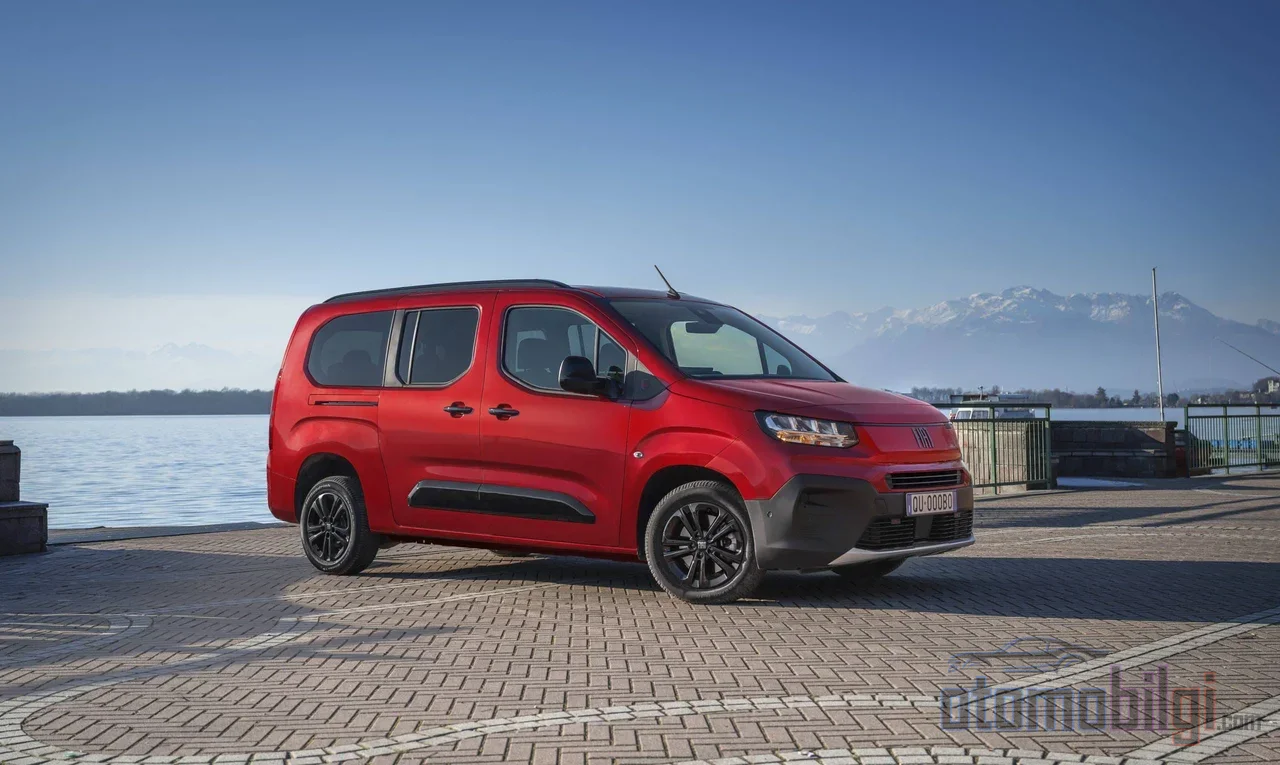
The first vehicle to come off the line in Bursa on Monday, October 26, 2026, was a Fiat Doblò. Eight years ago, this sentence would have been an ordinary factory news item; today, it is read at the end of the story of a model returning home after a three-year absence. Tofas's K9 project has officially entered production, and the first fruit of this project has undoubtedly come from one of the most familiar faces in the commercial vehicle world. So why did the Doblò leave three years ago, and why is it now considered worth returning?
Highlights
- The K9 project entered production on October 26, 2026 with a $300 million investment; the first vehicle off the line was the Fiat Doblò.
- Four brands, five models: Doblò, Berlingo, Combo, Rifter and Partner.
- Across the project as a whole, an annual production target of 150 thousand units is aimed for; 100 thousand of this capacity brings additional gains to Tofas.
- Approximately 1,000 new jobs and nearly 100 local suppliers are joining production.
- The export target to the USA is 230 thousand vehicles; the first shipments are expected to begin in the second half of 2027.
Why Did the Doblò Leave, and Why Did It Return?
The first part of the story is familiar to many car enthusiasts. The Doblò, whose first generation was produced in Bursa in 2000, formed Tofas's commercial backbone for a period approaching a quarter of a century. In 2022, however, Stellantis decided to shift the model's production to its Vigo plant in Spain. Although the intellectual and industrial property rights remained with Tofas, production effectively ended in Bursa in 2023; within Stellantis, the fifth generation built on the K9 platform was sold as an import, and in mid-2024 the facelifted sixth generation entered the brand's showroom.
The key to the return lies in the strategic agreement signed with Stellantis in September 2025. The K9 project, the product of this agreement, enables the Bursa plant to produce five models from four brands on the same platform. The production target is approximately 660 thousand units by the end of 2034. So the return is not a nostalgia move, but the first step of a production plan spanning a decade. It is also no coincidence that the Doblò was the first vehicle off the line: the model's bond both with the brand's commercial identity and with this plant marks its place beyond symbolic value, from a marketing standpoint as well.
The Language of Numbers: Investment, Capacity and Model Plan
The most talked-about aspect of the K9 project is the numbers. According to statements from Tofas and Koc Holding, the investment amount is reported as $300 million; in some publications it is also possible to come across a figure of 256 million euros. The difference largely stems from the exchange rate and how the items included in the investment are calculated; the official figure for the plant, sourced from public authorities, has been announced in dollars.
On the capacity front, two separate figures must be understood correctly. Across the project as a whole, an annual production of 150 thousand units is projected; According to the picture presented by Minister of Industry and Technology Mehmet Fatih Kacir, the additional capacity this brought to Tofas stands at 100,000 vehicles/year. The export target corresponds to roughly one-fifth of that capacity: an annual share of 20 percent.
| Item | Value |
|---|---|
| Investment amount | 300 million dollars |
| Start of production | October 26, 2026 |
| Project-based annual capacity | 150,000 units |
| Additional annual capacity for Tofas | 100,000 units |
| Number of models to be produced | 4 brands, 5 models |
| Production target over the project period | Approximately 660,000 units (until the end of 2034) |
| New employment | Approximately 1,000 people |
| Local suppliers | Close to 100 |
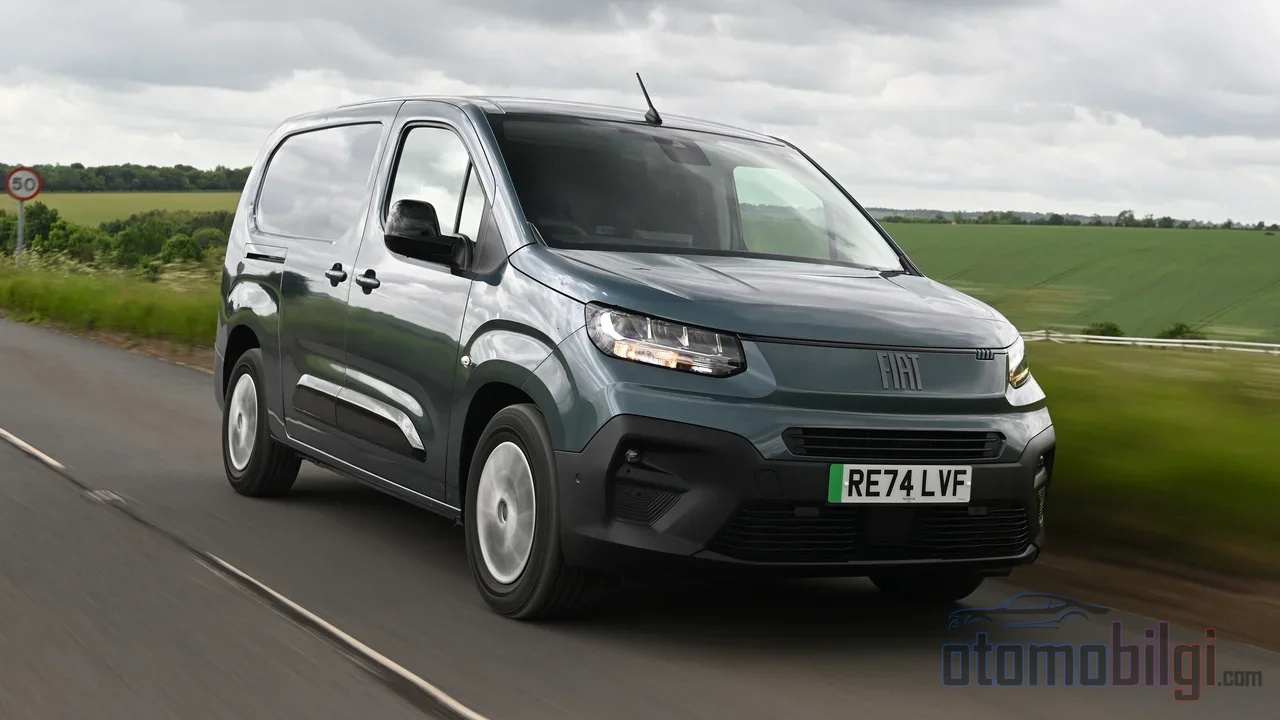
Coming off the same platform on the same line will be the Dobló, Citroën Berlingo, Opel Combo, Peugeot Rifter and Peugeot Partner. For the Dobló's production, 8-speed fully automatic transmission and electric E-Dobló options are both listed for the domestic market and export markets. Producing the compact commercial vehicles of four different brands on top of each other in a single factory used to be unusual; now platform sharing has become the most natural way of achieving capacity efficiency.
How Does the Picture Look in the Commercial Vehicle Market?
The Dobló's return coincided with a period in which the direction of the market reversed. In February 2026, the light commercial vehicle market grew by about 24 percent compared to the same month of the previous year, while the passenger car side saw a contraction. In June, the total of cars plus light commercials shrank by about 11 percent to 105,041 units; yet light commercials stayed within the month with 21,063 units. In other words, while the domestic market followed a volatile course, the compact commercial segment kept its upward trend. To understand what this distinction means, we need to look at the Dobló's own performance.
What Did the Dobló Do During Its Imported Years?
The interesting thing about the model is that it managed to maintain its position in the market during the three years it was away from Bursa. In the first four months of 2026, the Dobló sold 10,507 units as an import, more than doubling its sales compared to the same period a year earlier and taking the lead in the minivan segment with a 23.7 percent share. The picture across the brand's commercial front is also strong: FIAT increased its commercial sales by 69 percent in the first four months, during which the light commercial market grew 9 percent. The Scudo and Ulysse, produced in Türkiye, sold a total of 3,171 units, taking a 26.1 percent share in the mid-commercial segment.
The picture is similar in the list of the year's best-selling commercial vehicles. The Doblo Combi ranks second with 10,180 units; its K9 platform sibling, the Berlingo, is third with 6,804 units. In other words, two platform siblings are showing up at the top of the rankings even under the import regime. How the return of production to Bursa will reflect on delivery times and pricing flexibility is the most eagerly awaited question of the coming quarter.
What Does Shifting to Local Production Give the Buyer?
The framework conveyed by brand officials can be summed up under three headings: more affordable spare parts costs, faster delivery, and financing advantages with special interest rates for domestic production. The most visible cost of moving the production line away from the consumer was the lengthening of the spare parts chain; now that chain is getting shorter. On the delivery side, the factory and the market being in the same geography is the most critical variable determining the time between order and delivery.
The supply front is the side the buyer cannot see but will feel. The production process involves close to 100 local suppliers, and the project targets approximately 1,000 new jobs. For someone who has worked in this business for many years, these figures do not only mean employment inside the factory; each local supplier brings its own production, quality, and logistics teams alongside it, and the picture grows. Bursa's automotive ecosystem taking on load once again is also a notable development for the regional economy.
The US Door: Crossing the Atlantic Again After Five Years
The project's most ambitious item is on the export side. Under K9, a total of 230,000 vehicles are targeted to be sent to the US; the export process is expected to begin in the second half of 2027. Thus, Tofas will ship vehicles from Bursa to the US market for the first time in five years. Considering that the compact commercial vehicle segment has a stable demand base in North America, it is fair to say this target clarifies its weight within the project's total 660,000-unit production plan: the export item appears to be the main volume source that will secure the factory's capacity utilization.
The Dobló from the Perspective of 26 Years
To measure the mark the Dobló has left in this land, one only needs to look at history. Its first generation rolled out of Bursa in 2000; over 26 years, the number of units sold here exceeded 600,000. Approximately 1.5 million of the total 2 million units produced at Tofas were exported, and the intellectual and industrial rights also remained with Tofas. According to old-period data in the archives, the model was so much the backbone of the factory that it accounted for an average of 35 percent of production. During the separation decision period of 2022, only 288,000 of the 450,000-unit capacity had been used; today, with K9, the factory is taking a new breath of an additional 100,000 units per year. In the past, a single model would determine the factory's agenda; now a system has been established in which five models share the same line.
To summarize the Dobló's story in one sentence: a model whose intellectual rights have always belonged to this factory returned to production where it bid farewell, after a three-year import adventure, and at the center of a four-brand platform plan. A model that maintains segment leadership in the domestic market now gaining the advantage of domestic production is a result that sits on common ground for the buyer, the supplier, and the factory calculating exports alike. The first vehicle to come off the line being a Dobló is also the most accurate assessment of how this story should close.
Sources
- Tofaş's K9 Investment Has Started Production - Koç Holding
- Annual target of 100,000 vehicles; the first Doblo rolled off the line - Türkiye Gazetesi
- K9 production has begun at Tofaş: Fiat Doblo is back in Bursa - Otohaber
- From Bursa to the US again after 5 years: Tofaş makes a massive export move - CNBC-e
- Fiat Doblo returned to Bursa after 3 years - İstanbul Ticaret Gazetesi
- New FIAT Doblo 2026: The era of local production in Bursa - Vidyoto
- Tofaş surpassed 2 million vehicles in Doblo production - Webtekno
- Market data - ODMD
- Commercial Vehicle Price List - Fiat Türkiye